კლოდ მონე პორტრეტი

100 ყველაზე ცნობილი კლოდ მონე-ის ნახატი, თითოეული მათგანი უნიკალური

განახლდა ოქტომბერი 2026 · დალაგებულია ჩვენი პოპულარობის ქულების მიხედვით (ძიება, ნახვა და შეკვეთები თითოეული ნამუშწაროსთვის) · 2 448 ნამუშევარი კლოდ მონე ჩვენს კატალოგში

მოკლედ რომ ვთქვათ

ყვავილების ბუჩქები (ან ნიმფეები) (1916) არის კლოდ მონე-ის ის ნამუშწარო, რომელიც ყველაზე მეტ ყურადღებას იქცევს; ორიგინალი იმყოფება დასავლეთው მხარეს ხელოვნების ეროვნული მუზეუმი-ში, ტოკიო. ამის შემდეგ, მზერა გადადის Explore the world of Claude Monet, the Impressionist master renowned for capturing fleeting light and color through iconic landscapes like Water Lilies & Haystacks. Claude Monet artists_database /en/artists/claude-monet-en/ /media/artists/images/thumb (1872)-სა და კალაპოგი: თოვლის ეფექტი (1891)-ზე. ჩვენს კატალოგში არსებული კლოდ მონე-ის 2,448 ნამუშწაროდან ეს 100 ყველაზე ცნობილია; თითოეული მათგანი წარმოადგენს უნიკალურ ორიგინალს, რომელიც წარმოდგენილია წელით, მუზეუმითა და იმ მიზეზით, რის გამოც ის დღემდე ცოცხლობს.

1840 – 1926, პარიზი Იმპრესიონიზმი ყველაზე მეტი ნამشევრი: Musée d'Orsay

კლოდ მონე-ის 10 საუკეთესო ნამუშgeryო, გალერეის თcraftით

1
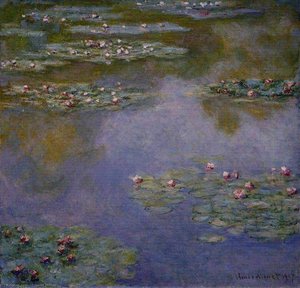
ყვავილების ბუჩქები (ან ნიმფეები) (1916) ავტორის: კლოდ მონე

ყვავილების ბუჩქები (ან ნიმფეები)

კლოდ მონეს "თეთრი იფეის" (Nymphéas) ციკლი, თავისი უნიკალური ჰერითიჯით, ხელოვნების ისტორიაში განსაკუთრებული ადგილი უკავებს. ეს არა მხოლოდ ტილოებია, არამედ მთელი სამყაროა, რომელიც მონემ საკუთარი ხელით შექმნა გივრნის ბაღში. თეთრი იფეისები, რომლებიც წყლის ზედაპირზე მშვიდად მობერებულნი არიან, წარმოადგენენ სინათლისა და నీటి ფილტვების სიმფონიას, სადაც ყოველი ფუნთუშა, ყოველ შეხება, ნათელს ხატავს. მონე, როგორც იმპრესიონისტთა ლიდერი, უარს ამბობს მკაცრი კონტურებისა და დეტალებისადმი, რათა მაყურებელს შეუძლება იყოს მოხვეჭილი იმ მომენტალურ განცდილებაში, რომელიც მას ბაღში…

2
Explore the world of Claude Monet, the Impressionist master renowned for capturing fleeting light and color through iconic landscapes like Water Lilies & Haystacks.

Claude Monet

artists_database

/en/artists/claude-monet-en/

/media/artists/images/thumb (1872) ავტორის: კლოდ მონე

Explore the world of Claude Monet, the Impressionist master renowned for capturing fleeting light and color through iconic landscapes like Water Lilies & Haystacks. Claude Monet artists_database /en/artists/claude-monet-en/ /media/artists/images/thumb

1872 · ზეთი ტილოზე · Musée Marmottan Monet, პარიზი

კლოდ მონეს „Impresion, Sunrise“ (განთიადი) არის ფუნდამენტური ნამუშევარი, რომელიც იმპრესიონიზმის მოძრაობის სრულყოფილ განსახიერებას წარმოადგენს. 1873 წელს შექმნილი ეს მომხიბლავი ნამუშევარი ბადდება ბინდბუნდურ ჰავერის ნავსადგურში, სადაც მზის ჩასვლისას სუსტი შუქი მშვიდობიან სილამაზეს ავსებს. ხელოვნების ეს ნიმუში გამოსავლის სიმშვიდესა და სერენადურობას ასხივებს, რაც მას ნებისმიერი ხელოვნების კოლექციისა თუ ინტერიერისთვის მარადიულ და ძვირფას დანამატად აქცევს.

3
კალაპოგი: თოვლის ეფექტი (1891) ავტორის: კლოდ მონე

კალაპოგი: თოვლის ეფექტი

1891 · ზეთი ტილოზე · შოტლანდიის ეროვნული გალერეა, ედინბურგი

მომენტი, გაყინული შუქში: მონეს ჩალოხები კლოდ მონეს მიერ 1891 წელს შექმნილი картина „ჩალოხები: თოვლის ეფექტი“ არ არის მხოლოდ სასოფლო-სამეურნეო ხედვის გამოსახულება; ის წარმოადგენს იმპრესიონისტური ხელოვნების ისტორიაში გადამწყვეტ მომენტს და განასახიერებს მხატვრის უდარდეთ სიყვარულს ბუნების წარმავალი სილამაზის დაფიქსირებისკენ. ეს ნამუშევარი, შექმნილი მონეს პროდუქტიულ ნორმანდიურ პერიოდში — დროის ისეთ პერიოდში, როდესაც მან თავშესაფარი იძიച്ചു პარიზული საზოგადოებიდან და ჩაეფლო პლენ-აირ პეინტინგის ტრანსფორმაციულ ძალაში — აკრუალურია იმპრესიონიზმის ძირითადი ფილოსოფიის არსი: გულდასმით დეტალის აღწერის ნაცვლად,…

4
Claude Monet

Paris

France

1840

1926

Claude Monet

1875

A Serene Moment Captured

100 x 81 cm

The Walk. Lady with a Parasol

სეირნობა. ქალი მზის საცედლით (1875) ავტორის: კლოდ მონე

Claude Monet Paris France 1840 1926 Claude Monet 1875 A Serene Moment Captured 100 x 81 cm The Walk. Lady with a Parasol სეირნობა. ქალი მზის საცედლით

1875 · ზეთი ტილოზე · National Gallery of Art, ვაშინგტონი

კლოდ მონეს „სეირნობა. ქალი მზის საცედლით“ (1875) იმპრესიონიზმის ნამდვილი შედევრია, რომელიც ბუნებაში დაჭერილ მშვიდ მომენტს გადმოგვცემს. ტილოზე ჩვენ ვხედავთ ქალს, რომელსაც ხელში მზის საცედლი უჭირავს, მასთან ერთად კი ბავშვიც სეირნობს ბალახিანი ლანდშაფტის შუაგულში, რომელიც დასადღესღაბის რბილ ნათებაშია მოთბილებული. ეს იდილიური სცენა სიმშვიდისა და ელეგანტურობის განცდას ასხივებს და მაყურებელს მოუწოდებს, თავი დაუთმოს გარემოს სილამაზეს.

5
რუანის საკათედრალი, სიმფონია ნაცრის და ვარდისფერში (1894) ავტორის: კლოდ მონე

რუანის საკათედრალი, სიმფონია ნაცრის და ვარდისფერში

1894 · ზეთი ტილოზე

კლოდ მონეს "რუანის საკათედრალი: ნაცრის და ვარდისფერი სიმფონია" არის იმპრესიონიზმის მოძრაობის ერთ-ერთი ყველაზე გამორჩეული ნაწილი, რომელიც ამ მხატვრის ცნობილ სერიას ეკუთვნის, მიძღვნილი რუანის საკათედრალს. ეს ტილო არა მხოლოდ არქიტექტურული აღწერაა, არამედ განცდილების, ფერის და კონფლიქტის ჰარმონიული სიმტოვნებაა, რომელიც მონეს უნიკალურ შეხედვას წარმოადგენს სამყაროზე. 1894 წელს შესრულებული ეს ნაწილი, დღემდე იზიდავს დამთვალიერებლებს თავისი განსაკუთრებული ჰაერიანობით და სულიერს სიმშვიდით.

6
სახალხო ჭამა ঘাসের উপর (მხედარი პანელი) (1865) ავტორის: კლოდ მონე

სახალხო ჭამა ঘাসের উপর (მხედარი პანელი)

1865 · ზეთი ტილოზე · Musée d'Orsay, პარიზი

კლოდ მონேயின் “ახალწვეული ივარჯიკში” (მხდარი პანელი) არის იმპრესიონისმის სიმბოლოდ – risked attempt to capture not just what the eye sees, but how it *feels*. 1865 წელს შექმნილი, ეს მართებულ ტილს reside within the Musée d'Orsay, offering visitors a glimpse into a pivotal moment in artistic history and Monet’s unwavering devotion to his revolutionary vision. არ იყო მხოლოდ picnic-ის გამოსახვა; ეს იყო modern life-ის არსის გამოწირვა linen-ზე – bold reaction against…

7
მ্যাগპირი (1869) ავტორის: კლოდ მონე

მ্যাগპირი

1869 · ზეთი ტილოზე

Claude Monet's "The Magpie," painted in 1869, is far more than a mere depiction of a snowy landscape; it is a profound embodiment of Impressionism’s core philosophy—the pursuit of capturing fleeting moments of beauty and emotion. This oil-on-canvas masterpiece, which resides within the Musée d’Orsay's permanent collection, serves as a beacon for those seeking serenity in art. The painting immediately draws the eye with its masterful use of color and…

8
Terrace by the Sea at Sainte-Adresse ავტორის: კლოდ მონე

Terrace by the Sea at Sainte-Adresse

Claude Monet’s “Terrace by the Sea at Sainte-Adresse,” painted in 1867, isn't merely a depiction of a coastal vista; it’s an embodiment of Impressionism’s core philosophy – capturing the ephemeral beauty of nature as perceived by the artist’s senses. Situated on the shores of Sainte-Adresse, Normandy, France, this canvas represents more than just a picturesque scene; it encapsulates Monet’s groundbreaking approach to artistic representation and his unwavering dedication to portraying…

9
ქალები ბაღში (1867) ავტორის: კლოდ მონე

ქალები ბაღში

1867 · ზეთი ტილოზე · Musée d'Orsay, პარიზი

Claude Monet's "Women in the Garden," painted in 1867, stands as a pivotal work in his artistic journey and a captivating example of early Impressionism. This large oil-on-canvas painting (over 2 meters tall) transports viewers to a tranquil garden setting, capturing a moment of leisure and companionship amidst blossoming nature.

10
მონეს ბაღი, ირისი ავტორის: კლოდ მონე

მონეს ბაღი, ირისი

ზეთი ტილოზე · Musée d'Orsay, პარიზი

შესვლა კლოდა მონე, ერთ-ერთი ყველაზე ცნობილი იმპრესიონისტი მხატვარი, შექმნა სერიის ნახევარფართხმულო ტიშვებს თავისი წყლის ბაღით გი ვერნში. ამ ნამუშევრებს შორის არის “Monet’s Garden, The Irises”, ზეთით შესრულებული ტიშვი, რომელიც აჩვენებს მხატვარის უნიკალურ khả năngს შემოქმედებითად დაწეროს ბუნების სილმფე და არსებობა. მხატவர் და მისი ბაღი მონემ დიდი ინტერესით მოყვეს ბაღი გი ვერნში, სადაც მან გააჩინა მრავალი სხვადასხვა სახის ირიסים. მათ მო plant-და ქვეშ მწვანე მரம் ‘Clos Normand’ ფლორის ბაღში და ნაპირებზე…

კლოდ მონე-ის ცნობილი ნამუშევრები, 11-დან 100-მდე ნომრებით

11ველური ყვავილობები, არჟენტუეარის yakınında (1873) ავტორის: კლოდ მონეველური ყვავილობები, არჟენტუეარის yakınında1873 · Musée d'Orsay 12მონე-ლე-ჟაპონაიზ (კამილ მონე იაპონურ სამოსში) (1876) ავტორის: კლოდ მონემონე-ლე-ჟაპონაიზ (კამილ მონე იაპონურ სამოსში)1876 · ბოსტონის fine arts-ის მუზეუმი 13ბერების ლა გრენუილერში (1869) ავტორის: კლოდ მონებერების ლა გრენუილერში1869 · ნაციონალური გალერეა 14სან-ჯიორĝo მარიელისა და ურვებ ზღვა, კლოდ მონე, 1908 წელი (1908) ავტორის: კლოდ მონესან-ჯიორĝo მარიელისა და ურვებ ზღვა, კლოდ მონე, 1908 წელი1908 · National Museum Cardiff 15ქალბადელი ბაღში (1876) ავტორის: კლოდ მონექალბადელი ბაღში1876 · ერმიტაჟის მუზეუმი 16კამიიელ მონე საწოლზე, გარდაცვალებისას (1879) ავტორის: კლოდ მონეკამიიელ მონე საწოლზე, გარდაცვალებისას1879 · Musée d'Orsay 17სენტ-ლაზარის სადგური, პარიზი (1877) ავტორის: კლოდ მონესენტ-ლაზარის სადგური, პარიზი1877 · Musée d'Orsay 18ზარაფხეთის დილა, თოვლის ეფექტი (1890) ავტორის: კლოდ მონეზარაფხეთის დილა, თოვლის ეფექტი1890 · ბოსტონის fine arts-ის მუზეუმი 19ყვავილობიანი წყალი (1906) ავტორის: კლოდ მონეყვავილობიანი წყალი1906 · ჩიკაგოს ხელოვნების ინსტიტუტი 20უესტმინსტერის ქვემოთ მდინარე ტეიმზი (1871) ავტორის: კლოდ მონეუესტმინსტერის ქვემოთ მდინარე ტეიმზი1871 · ნაციონალური გალერეა 21პორვილში კლიფზე გასეირნება (1882) ავტორის: კლოდ მონეპორვილში კლიფზე გასეირნება1882 · ჩიკაგოს ხელოვნების ინსტიტუტი 22პოპლარი გივერნში (1887) ავტორის: კლოდ მონეპოპლარი გივერნში1887 23წყლის ნymფეები - 녹색 отражения (1920) ავტორის: კლოდ მონეწყლის ნymფეები - 녹색 отражения1920 · E.G. Bührle-ს კოლექციის ფონდი 24Аргентуэйльский мост Клода Моне (1874) ავტორის: კლოდ მონეАргентуэйльский мост Клода Моне1874 · National Gallery of Art 25Experience Parisian life in 1873 with Claude Monet's 'Boulevard of Capucines.' This iconic Impressionist painting captures the bustling energy and vibrant atmosphere of a city street.

Boulevard of Capucines

artworks_database

/en/art/claude-monet-boulev (1874) ავტორის: კლოდ მონეExperience Parisian life in 1873 with Claude Monet's 'Boulevard of Capucines.' This iconic Impressionist painting captures the bustling energy and vibrant atmosphere of a city street. Boulevard of Capucines artworks_database /en/art/claude-monet-boulev1874 26ატელიე-ლოდკა (1876) ავტორის: კლოდ მონეატელიე-ლოდკა1876 · ბარნსის ფონდი 27ევროპის ხიდი, სენტ-ლაზარის სადგური (1877) ავტორის: კლოდ მონეევროპის ხიდი, სენტ-ლაზარის სადგური1877 · Musée Marmottan Monet 28მონეტი ვეტევილის ბაღი (1881) ავტორის: კლოდ მონემონეტი ვეტევილის ბაღი1881 · Museum Barberini 29სენტ-სიᱢეონის ფერმის ზამთრის გზაზე სატვირთო ეტლი (1865) ავტორის: კლოდ მონესენტ-სიᱢეონის ფერმის ზამთრის გზაზე სატვირთო ეტლი1865 · Musée d'Orsay 30მონეშვილის ბაღში ირisesი (1900) ავტორის: კლოდ მონემონეშვილის ბაღში ირisesი1900 · Musée d'Orsay 31წითელი ნავები, არჟენტუეილი (1875) ავტორის: კლოდ მონეწითელი ნავები, არჟენტუეილი1875 · Fogg Art Museum 32პროვინციური გზა მონეტის ბაღში (1902) ავტორის: კლოდ მონეპროვინციური გზა მონეტის ბაღში1902 · კუნსტისტორიშეს მუზეუმი 33კույრიანები მზის შუქში, დღეის ცედა (1890) ავტორის: კლოდ მონეკույრიანები მზის შუქში, დღეის ცედა1890 · ჰილ-სტიდის მუზეუმი 34ვენგერვილის მეთევზის სახლი (1882) ავტორის: კლოდ მონევენგერვილის მეთევზის სახლი1882 · ბოსტონის fine arts-ის მუზეუმი 35კლოედ მონე

ინდუსტრიული პარიზის მოგვარება: მონეს დინამიკური რკინიგზის სცენა

მუზეუმ ორსე, პარიზი, საფრანგეთი

იპრესიონიზმი

სენტ-ლაზარის სადგურიდან გამომავალი მატარებელი

1877 (1877) ავტორის: კლოდ მონეკლოედ მონე ინდუსტრიული პარიზის მოგვარება: მონეს დინამიკური რკინიგზის სცენა მუზეუმ ორსე, პარიზი, საფრანგეთი იპრესიონიზმი სენტ-ლაზარის სადგურიდან გამომავალი მატარებელი 18771877 · Pola Museum of Art 36სენტ-ლაზარის სადგურის გარეშე 모습 ავტორის: კლოდ მონესენტ-ლაზარის სადგურის გარეშე 모습 37ზღვის აღმოსავლეთი (1873) ავტორის: კლოდ მონეზღვის აღმოსავლეთი1873 · გეტის ცენტრი 38პორვილთან ახლოს კლდეები ზინების დროს (1882) ავტორის: კლოდ მონეპორვილთან ახლოს კლდეები ზინების დროს1882 39არგენტუელის ნავსადგური (1872) ავტორის: კლოდ მონეარგენტუელის ნავსადგური1872 · Musée d'Orsay 40ლურჯი წყალმარდენი ავტორის: კლოდ მონელურჯი წყალმარდენიOrangerie 41ლაგრენუიერი (1869) ავტორის: კლოდ მონელაგრენუიერი1869 · მეტროპოლიტენის ხელოვნების მუზეუმი 42Autumn Effect at Argenteuil (1873) ავტორის: კლოდ მონეAutumn Effect at Argenteuil1873 · Courtauld Gallery 43Woman with a Parasol in the Garden in Argenteuil (1875) ავტორის: კლოდ მონეWoman with a Parasol in the Garden in Argenteuil1875 44Camille Monet and a Child in the Artist’s Garden in Argenteuil (1875) ავტორის: კლოდ მონეCamille Monet and a Child in the Artist’s Garden in Argenteuil1875 · ბოსტონის fine arts-ის მუზეუმი 45ხედი ზღვისას მზის ჩასვლისას (1862) ავტორის: კლოდ მონეხედი ზღვისას მზის ჩასვლისას1862 · ბოსტონის fine arts-ის მუზეუმი 46ეთრეტატი, დავალის კლიფი, მზის ჩასვლა (1885) ავტორის: კლოდ მონეეთრეტატი, დავალის კლიფი, მზის ჩასვლა1885 47სენ-ლაზარის სადგური (1877) ავტორის: კლოდ მონესენ-ლაზარის სადგური1877 · ნაციონალური გალერეა 48მონეს ბაღის ბილიკი გვიერნიში (1900) ავტორის: კლოდ მონემონეს ბაღის ბილიკი გვიერნიში1900 49პარლამენტის შენობები, მზის ჩასვლა (1904) ავტორის: კლოდ მონეპარლამენტის შენობები, მზის ჩასვლა1904 50მწვანე მცენარეები სენტჯერმინის ტყეში (1882) ავტორის: კლოდ მონემწვანე მცენარეები სენტჯერმინის ტყეში1882 51იაპონური ხიდი (წყლის ლალიების ტბა, წყლის ირისი) (1900) ავტორის: კლოდ მონეიაპონური ხიდი (წყლის ლალიების ტბა, წყლის ირისი)1900 52მწყვლის ყვავილები (1917) ავტორის: კლოდ მონემწყვლის ყვავილები1917 53Water-Lilies (54) (1914) ავტორის: კლოდ მონეWater-Lilies (54)1914 · დასავლეთው მხარეს ხელოვნების ეროვნული მუზეუმი 54მზე ჩრდილში, ვენეცია (1908) ავტორის: კლოდ მონემზე ჩრდილში, ვენეცია1908 · Artizon Museum 55გაზაფხული (1886) ავტორის: კლოდ მონეგაზაფხული1886 · Fitzwilliam Museum 56ღრუბლების ასახვა წყალყვავილების ტბაზე (ტრიპტიქი, ცენტრალური პანელი) (1920) ავტორის: კლოდ მონეღრუბლების ასახვა წყალყვავილების ტბაზე (ტრიპტიქი, ცენტრალური პანელი)1920 · MOMA - მოდერნ არტის მუზეუმი 57წყლის მცენწარბები (17) (1906) ავტორის: კლოდ მონეწყლის მცენწარბები (17)1906 58იაპონური ხიდი (1918) ავტორის: კლოდ მონეიაპონური ხიდი1918 · ფილადელფიის ხელოვნების მუზეუმი 59მონეების ბაღი არგენტელში მზის სხივებში ავტორის: კლოდ მონემონეების ბაღი არგენტელში მზის სხივებშიNational Gallery of Art 60ირისები მონეს ბაღში (1900) ავტორის: კლოდ მონეირისები მონეს ბაღში1900 · Musée d'Orsay 61ვარდების ბილიკი (1921) ავტორის: კლოდ მონევარდების ბილიკი1921 · Musée Marmottan Monet 62ხმოვანი ბაღის მზერა მზე ავტორის: კლოდ მონეხმოვანი ბაღის მზერა მზე 63მდინარე (1881) ავტორის: კლოდ მონემდინარე1881 · ჩიკაგოს ხელოვნების ინსტიტუტი 64მონეების ბაღში არსებული ხიდი ავტორის: კლოდ მონემონეების ბაღში არსებული ხიდი 65წყალყვავები (1917) ავტორის: კლოდ მონეწყალყვავები1917 · ტოლედოს ხელოვნების მუზეუმი 66წყლის ლეღვიანი (70) (1919) ავტორის: კლოდ მონეწყლის ლეღვიანი (70)1919 · მეტროპოლიტენის ხელოვნების მუზეუმი 67Water Lilies (Nympheas) (1907) ავტორის: კლოდ მონეWater Lilies (Nympheas)1907 · ჰიუსტონის fine arts მუზეუმი 68კითხულ Waits ქალი (1872) ავტორის: კლოდ მონეკითხულ Waits ქალი1872 69მხატვრის სახლი ვარდების ბაღიდან (1924) ავტორის: კლოდ მონემხატვრის სახლი ვარდების ბაღიდან1924 · Musée Marmottan Monet 70წყალბაღები, ტირილას ხის აგვერდარი მნევი (1916) ავტორის: კლოდ მონეწყალბაღები, ტირილას ხის აგვერდარი მნევი1916 · Musée Marmottan Monet 71The Esterel Mountains (1888) ავტორის: კლოდ მონეThe Esterel Mountains1888 · Courtauld Gallery 72ალის ჰოშიშედი ბაღში (1881) ავტორის: კლოდ მონეალის ჰოშიშედი ბაღში1881 73ოლივოს ხის ტყე მორისონის ბაღში (1884) ავტორის: კლოდ მონეოლივოს ხის ტყე მორისონის ბაღში1884 74Waterloo Bridge, Overcast Weather (1900) ავტორის: კლოდ მონეWaterloo Bridge, Overcast Weather1900 75Monet's Garden at Vétheuil ავტორის: კლოდ მონეMonet's Garden at Vétheuil 76Waterloo Bridge, Grey Weather (1903) ავტორის: კლოდ მონეWaterloo Bridge, Grey Weather1903 · Ordrupgaard 77Etretat la falaise d Aval au cocher de soleil (also known as Sunset at Etretat) (1883) ავტორის: კლოდ მონეEtretat la falaise d Aval au cocher de soleil (also known as Sunset at Etretat)1883 78Water-Lilies (29) (1916) ავტორის: კლოდ მონეWater-Lilies (29)1916 · Musée Marmottan Monet 79The Sea at Pourville (1882) ავტორის: კლოდ მონეThe Sea at Pourville1882 · Columbus Museum of Art 80Water Lilies (61) (1919) ავტორის: კლოდ მონეWater Lilies (61)1919 81სეირნობა არჟანტეიში (1872) ავტორის: კლოდ მონესეირნობა არჟანტეიში1872 · National Gallery of Art 82... ყვებაფლის მზარდი სადგურის პლანეტი (1875) ავტორის: კლოდ მონე... ყვებაფლის მზარდი სადგურის პლანეტი1875 · მეტროპოლიტენის ხელოვნების მუზეუმი 83Argenteuil, Seen from the Small Arm of the Seine (1872) ავტორის: კლოდ მონეArgenteuil, Seen from the Small Arm of the Seine1872 84როზების ბუჩქი (1925) ავტორის: კლოდ მონეროზების ბუჩქი1925 · Musée Marmottan Monet 85იაპონური ხიდი (1899) ავტორის: კლოდ მონეიაპონური ხიდი1899 86რუანის ტაძარი, მზის შუქის ეფექტი (1893) ავტორის: კლოდ მონერუანის ტაძარი, მზის შუქის ეფექტი1893 · ბოსტონის fine arts-ის მუზეუმი 87კამილ მონე იაპონური სამოსით (1876) ავტორის: კლოდ მონეკამილ მონე იაპონური სამოსით1876 · ბოსტონის fine arts-ის მუზეუმი 88წყლის ყვავილები (12) (1916) ავტორის: კლოდ მონეწყლის ყვავილები (12)1916 · Musée d'Orsay 89ჟირის ბაღი ჟივერნიში (1899) ავტორის: კლოდ მონეჟირის ბაღი ჟივერნიში1899 · იალეის უნივერსიტეტის ხელოვნების გალერეა 90The Jetty of Le Havre in Rough Weather (1867) ავტორის: კლოდ მონეThe Jetty of Le Havre in Rough Weather1867 91იაპანელი (კამილ მონი იაპონურ ტრიალში) (1876) ავტორის: კლოდ მონეიაპანელი (კამილ მონი იაპონურ ტრიალში)1876 92Tree in Flower near Vetheuil (1879) ავტორის: კლოდ მონეTree in Flower near Vetheuil1879 93წყალყვავილები (43) (1907) ავტორის: კლოდ მონეწყალყვავილები (43)1907 · ბოსტონის fine arts-ის მუზეუმი 94Water Lilies (39) (1908) ავტორის: კლოდ მონეWater Lilies (39)1908 95წყალყვავები (1922) ავტორის: კლოდ მონეწყალყვავები1922 · ტოლედოს ხელოვნების მუზეუმი 96სენის ყრუ ჟივერნისთან მზის ამოსვლაზე ავტორის: კლოდ მონესენის ყრუ ჟივერნისთან მზის ამოსვლაზეHiroshima Museum of Art 97The Japanese Bridge (The Water-Lily Pond) (1899) ავტორის: კლოდ მონეThe Japanese Bridge (The Water-Lily Pond)1899 98მ წყარწკალები (1919) ავტორის: კლოდ მონემ წყარწკალები1919 99წყლის ყვავილები (22) (1908) ავტორის: კლოდ მონეწყლის ყვავილები (22)1908 · Worcester Art Museum 100Boulevard Saint-Denis, Argenteuil, in Winter (1875) ავტორის: კლოდ მონეBoulevard Saint-Denis, Argenteuil, in Winter1875 · ბოსტონის fine arts-ის მუზეუმი

კლოდ მონე-ის ცნობილი სურათები, პერიოდების მიხედვით

სუბიექტები, რომლებმაც კლოდ მონე-ის ყურადღება მიიპყრო

ამ ორიგინალებში ყველაზე ხშირად განმეორებადი არის 네 თემა, რომელთაგან თითოეულს თავისი საუკეთესო ნიმუში წარმოგვიდგება.

მუზეუმები, სადაც კლოდ მონე-ის ორიგინალები ინახება

ამ გვერდზე წარმოდგენილი მხატვრობის შედეგების უმეტესობას 8 მუზეუმი ინახავს.

მუზეუმი ქალაქი კლოდ მონე შემოქმედებაలు ამ სიიდან მოპოვებული ნახატები
Musée d'Orsay, პარიზიMusée d'Orsay პარიზი 110 სახალხო ჭამა ঘাসের উপর (მხედარი პანელი), ქალები ბაღში, მონეს ბაღი, ირისი
ბოსტონის fine arts-ის მუზეუმი, ბოსტონიბოსტონის fine arts-ის მუზეუმი ბოსტონი 47 მონე-ლე-ჟაპონაიზ (კამილ მონე იაპონურ სამოსში), ზარაფხეთის დილა, თოვლის ეფექტი, ვენგერვილის მეთევზის სახლი
Musée Marmottan Monet, პარიზიMusée Marmottan Monet პარიზი 76 Explore the world of Claude Monet, the Impressionist master renowned for capturing fleeting light and color through iconic landscapes like Water Lilies & Haystacks. Claude Monet artists_database /en/artists/claude-monet-en/ /media/artists/images/thumb, ევროპის ხიდი, სენტ-ლაზარის სადგური, ვარდების ბილიკი
მეტროპოლიტენის ხელოვნების მუზეუმი, ნიუ-იორკიმეტროპოლიტენის ხელოვნების მუზეუმი ნიუ-იორკი 55 Terrace by the Sea at Sainte-Adresse, ლაგრენუიერი, წყლის ლეღვიანი (70)
National Gallery of Art, ვაშინგტონიNational Gallery of Art ვაშინგტონი 34 Claude Monet Paris France 1840 1926 Claude Monet 1875 A Serene Moment Captured 100 x 81 cm The Walk. Lady with a Parasol სეირნობა. ქალი მზის საცედლით, Аргентуэйльский мост Клода Моне, მონეების ბაღი არგენტელში მზის სხივებში
ჩიკაგოს ხელოვნების ინსტიტუტი, ჩიკაგოჩიკაგოს ხელოვნების ინსტიტუტი ჩიკაგო 41 ყვავილობიანი წყალი, პორვილში კლიფზე გასეირნება, მდინარე
ნაციონალური გალერეა, ლონდონინაციონალური გალერეა ლონდონი 20 ბერების ლა გრენუილერში, უესტმინსტერის ქვემოთ მდინარე ტეიმზი, სენ-ლაზარის სადგური
დასავლეთው მხარეს ხელოვნების ეროვნული მუზეუმი, ტოკიოდასავლეთው მხარეს ხელოვნების ეროვნული მუზეუმი ტოკიო 16 ყვავილების ბუჩქები (ან ნიმფეები), Water-Lilies (54)

კლოდ მონე ათწლეულების განმავლობაში: თითოეულ დეკადესთვის ერთი უნიკალური ორიგინალი

ნამუშევრები ათწლეულების მიხედვით

შეარჩიეთ ათწლეული, რათა ნახოთ ის ორიგინალი ნამუშევარი, რომელიც მას განსაზღვრავს.

კლოდ მონე-ის ნახატები: კითხვები გალერეისთვის

რა არის კლოდ მონე-ის ყველაზე ცნობილი ნამუშწარებიდან ერთერთი?გაამჟღავნეთ პასუხი

ყვავილების ბუჩქები (ან ნიმფეები) (1916), დასავლეთው მხარეს ხელოვნების ეროვნული მუზეუმი, ტოკიო. შემდეგ მოდიან Explore the world of Claude Monet, the Impressionist master renowned for capturing fleeting light and color through iconic landscapes like Water Lilies & Haystacks. Claude Monet artists_database /en/artists/claude-monet-en/ /media/artists/images/thumb (1872) და კალაპოგი: თოვლის ეფექტი (1891).

რა ასაკში შექმნა კლოდ მონე-მა ყვავილების ბუჩქები (ან ნიმფეები)?გაამჟღავნეთ პასუხი

76 წლის: ყვავილების ბუჩქები (ან ნიმფეები) შექმნილია 1916 წელს, ხოლო კლოდ მონე დაიბადა 1840 წელს.

კლოდ მონე-ის რომელი 열ათმე ნახატია ყველაზე ცნობილი?გაამჟღავნეთ პასუხი

ყვავილების ბუჩქები (ან ნიმფეები), Explore the world of Claude Monet, the Impressionist master renowned for capturing fleeting light and color through iconic landscapes like Water Lilies & Haystacks. Claude Monet artists_database /en/artists/claude-monet-en/ /media/artists/images/thumb, კალაპოგი: თოვლის ეფექტი, Claude Monet Paris France 1840 1926 Claude Monet 1875 A Serene Moment Captured 100 x 81 cm The Walk. Lady with a Parasol სეირნობა. ქალი მზის საცედლით, რუანის საკათედრალი, სიმფონია ნაცრის და ვარდისფერში, სახალხო ჭამა ঘাসের উপর (მხედარი პანელი), მ্যাগპირი, Terrace by the Sea at Sainte-Adresse, ქალები ბაღში და მონეს ბაღი, ირისი. ზემოთ მოცემული რეიტინგი ასახავს თითოეულის შემოქმედების წელსა და მუზეუმს.

რამდენი ნამუშწარებია ცნობილი კლოდ მონე-ის შემოქმედებიდან?გაამჟღავნეთ პასუხი

ჩვენს კატალოგში წარმოდგენილია 2,448 ნამუშწევრი კლოდ მონე-ისგან, დათარიღებული 1862-დან 1925-მდე.

სად შეიძლება ყველაზე ცნობილი კლოდ მონე-ის ორიგინალების ნახვა?გაამჟღავნეთ პასუხი

ძირითადად Musée d'Orsay (პარიზი), ბოსტონის fine arts-ის მუზეუმი (ბოსტონი) და Musée Marmottan Monet (პარიზი)-ში. ზემოთ მოცემულ მუზეუმების ცხრილში ისინი ყველა listed.

რა პერიოდში შექმნა კლოდ მონე-მა ყველაზე ცნობილი სურათები?გაამჟღავნეთ პასუხი

1870s-ში: ამ გვერდზე წარმოდგენილი 100 ნამუშწარwerksიდან 28 შეიქმნა მაშინ, მათგან Explore the world of Claude Monet, the Impressionist master renowned for capturing fleeting light and color through iconic landscapes like Water Lilies & Haystacks. Claude Monet artists_database /en/artists/claude-monet-en/ /media/artists/images/thumb.

რომელი ცნობილი კლოდ მონე ტილოა ყველაზე ადრეული და რომელი — ყველაზე გვიანდელი?გაამჟღავნეთ პასუხი

ამ გვერდზე ყველაზე ადრეული არის ხედი ზღვისას მზის ჩასვლისას (1862), ხოლო ყველაზე გვიანდელი — როზების ბუჩქი (1925).

რა თემებს ანიჭებდა უპირატესობას კლოდ მონე?გაამჟღავნეთ პასუხი

Landscape (14), Ბაღი (13) და Monet (12), ამ გვერდზე წარმოდგენილ 100 ნამუშწარეს შორის.

რა მასალებით ხატავდა ყველაზე ხშირად კლოდ მონე?გაამჟღავნეთ პასუხი

Ზეთი ტილოზე, ამ გვერდზე არსებული 100 ნამუშწაროსგან 72 ცალიდან.

კლოდ მონე-ის შემოქმედება რომელ მიმდინარეობას მიეკუთვნება?გაამჟღავნეთ პასუხი

Იმპრესიონიზმი, ამ გვერდზე წარმოდგენილი ორიგინალების მიხედვით.

რა კლოდ მონე-ის ორიგინალების ნახვა შემიძლია Musée d'Orsay-ში?გაამჟღავნეთ პასუხი

სახალხო ჭამა ঘাসের উপর (მხედარი პანელი), ქალები ბაღში და მონეს ბაღი, ირისი: Musée d'Orsay, პარიზი-ში წარმოდგენილია ამ გვერდზე მოცემული ნამუშევრების 11 ცალი.

სად შემიძლია შევუკვეთო კლოდ მონე-ის ხელით ნაKEREDINEB-ის რეპროდუქცია?გაამჟღავნეთ პასუხი

დიახ, როგორც რეპროდუქცია: ორიგინალი რჩება თავის მუზეუმში, თუმცა ამ გვერდზე წარმოდგენილი ნებისმიერი სურათი შეგიძლიათ შეუკვეთოთ ხელნაკეთად, ინდივიდუალურად, სურათის საკუთარი გვერდიდან.

კლოდ მონე: მხატვრის პორტრეტი

Early Life, Family and Training

Born in Paris, France, on 14 November 1840, Claude Monet entered a world of diverging expectations. While his father, Claude-Adolphe Monet, envisioned a more stable professional path for his son, his mother, Louise-Justine Aubrée Monet, offered a quiet support for his burgeoning creative inclinations. The family eventually settled in Le Havre, Normandy, where the coastal atmosphere would leave a lasting impression on the young boy. This period of childhood was marked by an early talent for drawing, a skill that would eventually lead him away from the commercial interests his father preferred.

Tragedy arrived in January 1857, when Monet was sixteen years old. The death of his mother, Louise-Justine, forced a sudden shift in his domestic life. He was sent to live with his aunt, Marie-Jeanne Lecadre, a widow who possessed significant wealth and no children of her own. This transition provided the stability necessary for his formal development. It was during these formative years that he encountered Eugène Boudin, a man who would fundamentally alter his perspective on the purpose of painting. Boudin introduced him to the practice of plein air painting, encouraging him to take his materials outdoors to capture the immediate reality of the natural world.

His training continued in the structured environments of Paris. He sought instruction at the Académie Suisse, studying under the academic history painter Charles Gleyre. This period of study allowed him to refine his technical abilities while navigating the tension between traditional academic methods and the more spontaneous, observational approach he had begun to favor. These early years of instruction and loss shaped the foundation of a career defined by the pursuit of light and atmosphere.

The Impressionist Movement and Style

As a founder of French Impressionism, Claude Monet acted as a key precursor to modernism. He was the most consistent and prolific practitioner of the movement's core philosophy, which sought to express a person's perceptions of nature. This pursuit was defined by plein air landscape painting, a method that required him to work directly on large-scale canvases out of doors. He would often return to his studio to rework and complete these pieces, bridging the gap between the immediate observation of the outdoors and the controlled environment of the studio.

His technical approach relied on unmediated colors and asymmetrical arrangements of forms. Rather than seeking a static representation, he developed a method of painting the same scene many times to capture the shifting effects of light and the passing of the seasons. This repetitive study allowed him to document how atmosphere and weather transformed a single subject. His work moved away from academic precision, focusing instead on the ephemeral qualities of the environment.

Life and Works in Argenteuil

In 1871, Monet moved to Argenteuil, a village situated northwest of Paris. This period marked a significant shift in his social and creative landscape. As his colleagues frequently joined him in the village, the area became closely associated with the burgeoning Impressionist movement. The setting provided a steady rhythm of life and light that would define much of his output during these years.

His domestic life was deeply intertwined with his artistic practice. His first wife, Camille Doncieux, became a frequent presence in his compositions, serving as a model for his figurative paintings throughout the 1860s and 1870s. In the spring of 1872, he turned his attention to the immediate surroundings of his home, producing several canvases within his own garden. These works captured the seasonal shifts of the local landscape through a lens of direct observation.

The Years in Giverny

In 1883, Monet moved to a house and property in Giverny, a village northwest of Paris. This relocation marked the beginning of a forty-three-year residency that would define his later existence. He did not merely inhabit the space; he actively shaped it, embarking on a vast landscaping project that transformed the grounds into a living subject. His hands were as much involved in the cultivation of the earth as they were in the application of pigment, as he planted thousands of flowers and engineered a water-lily pond to serve as a focal point for his observations.

The garden became a sanctuary of light and seasonal change. For the final thirty-one years of his life, his artistic focus narrowed toward the specificities of this environment. He sought to document the way light interacted with the water and the flora, often working directly from the garden to capture the immediate sensations of the landscape. This period was characterized by a devotion to the shifting atmosphere of his private estate, where the boundaries between the cultivated garden and the canvas began to blur.

Key Works and Series Paintings

Monet’s contribution to the evolution of modern art was cemented by a single work that inadvertently defined an entire movement. His 1873 painting, Impression, Sunrise, provided the name for the Impressionist movement, even as its loose handling and indistinct forms initially drew scorn from the establishment. This work signaled a departure from the rigid expectations of the Salon, favoring the immediate perception of light over the polished finish of academic tradition.

As his career progressed, his focus shifted toward the repetitive study of a single subject to capture the shifting nuances of light, weather, and time. This method of creating series paintings allowed him to document how a single scene transformed under different atmospheric conditions. He applied this rigorous observation to various subjects, including Haystacks, Rouen Cathedrals, and Poplars. Through these studies, he sought to render not just the object itself, but the very air and light that surrounded it.

The most extensive manifestation of this obsession occurred in his later years at Giverny. There, he produced a vast series of approximately 250 oil paintings titled Water Lilies (Nymphéas). These works focused on his flower garden and the water-lily pond, often painted while he contended with failing eyesight. The series represents a profound commitment to the ephemeral, attempting to fix the movement of water and the reflection of clouds upon its surface.

Circle of Artists and Influences

Monet’s artistic path was shaped by a series of vital encounters and mentorships that moved him away from the rigid constraints of academic tradition. His early training was significantly influenced by Eugène Boudin, who introduced him to the practice of plein air painting. This emphasis on working outdoors allowed him to observe the immediate effects of light on the landscape, a method that would define his entire career. He also drew inspiration from the Dutch landscapist Johan Jongkind, whose approach to nature helped refine his vision of the natural world.

In the studios of Paris, his development was furthered by the company of peers who would become central to the evolution of modern painting. While studying under Charles Gleyre at the Académie Suisse, he was a classmate of Auguste Renoir, alongside Frédéric Bazille and Camille Pissarro. These friendships were more than mere social connections; they were the foundations of a shared rebellion against the established Salon. Throughout his career, he worked and exhibited alongside figures such as Edgar Degas and Édouard Manet, contributing to a collective shift in how light and atmosphere were perceived on canvas.

Later Years and Death

The final decades of Monet's life were deeply intertwined with the landscape he had so meticulously cultivated. In 1892, he married Alice Hoschedé, a union that provided a sense of stability as he continued his obsessive study of light and atmosphere. His focus narrowed toward the water garden at Giverny, where the interplay of reflections and flora became his primary preoccupation. This period was marked by a relentless pursuit of the ephemeral, often working through the physical challenges of failing vision to capture the shifting nuances of his surroundings.

As his life drew to a close, the scale of his vision expanded. He moved toward large-scale works that sought to envelop the viewer, particularly through his series of water lily paintings. These works were not merely depictions of a pond but were attempts to record the very act of perception. His death occurred on 5 December 1926, leaving behind a body of work that had fundamentally altered the way nature was observed on canvas.

The transition from his personal life to his public presence was completed shortly after his passing. In May 1927, the Musée de l'Orangerie opened its doors to the public, providing a permanent home for his large-scale murals. This space was designed to honor the specific atmosphere he had spent his final years attempting to translate into paint.

Legacy and Global Influence

The influence of Claude Monet expanded significantly during the second half of the 20th century, as his presence in the global consciousness grew. He remains an undisputed titan of Impressionism, having been a key figure in the movement that transformed French painting during the latter half of the nineteenth century. His approach to light and atmosphere fundamentally altered how painters perceived the natural world, moving away from academic rigidity toward a more immediate, sensory experience of the landscape.

His late-career focus on the water-lily paintings produced a body of work that is among the most recognised and celebrated of the 20th century. These works, often characterized by their scale and focus on the reflections within his Giverny garden, moved beyond mere landscape to explore the very essence of perception. By documenting the shifting qualities of light through repetitive study, he provided a blueprint for modernism, influencing generations of artists who sought to capture the ephemeral nature of sight and color.

ყველა 2448 ნამუშევარი, რომელიც შემოქმედებითად ეკუთვნის კლოდ მონე →