Portrait of ციმბუე

The 52 Most Famous ციმბუე Paintings, Each One of a Kind

Updated ოქტომბერი 2026 · ranked by our popularity score (searches, visits and orders for each work) · 52 works by ციმბუე in our catalogue

In short

Madonna and Child Enthroned (Maesta) (1285) is the ციმბუე painting that draws the most eyes. After it, the eye goes to The Mocking of Christ (1280) and კრუცფიქსი კიმბ ბᅲეს მიერ სან დომენიკოში (1287). Among the 52 works of ციმბუე in our catalog, these 52 are the most famous, each a unique original presented with its year, its museum and the reason it endures.

1240 – 1302, ფლორენცია Პროტორენესანსი Most works: უფიციების გალერეა

Top 10 paintings by ციმბუე, through the gallery's eye

2
The Mocking of Christ (1280) by ციმბუე

The Mocking of Christ

1280 · Tempera On Panel · ლუვრი, პარიზი

The air within the frame feels heavy, thick with the tension of a crowd pressing inward. At the center of this small, wooden world stands Jesus, his body draped in a deep blue cloak over a red robe. He does not fight back. His arms hang limp, and his expression remains impassive, even as the figures around him surge with aggression. A man reaches upward, his fingers grasping at the…

3
კრუცფიქსი კიმბ ბᅲეს მიერ სან დომენიკოში (1287) by ციმბუე

კრუცფიქსი კიმბ ბᅲეს მიერ სან დომენიკოში

1287 · ტემპერა პანელზე · Museo dell'Opera di Santa Croce, Florence

ბიზანტიური გავლენის შედევრი ჩიმბუეს „ჯვარცმა“ მე-13 საუკუნის ბოლოს შექმნილი მონუმენტური ნაშრომია, რომელიც ქმნის ხიდს ბიზანტიურ იკონოგრ world-სა და ადრეული რენესანსის რეალიზმს შორის. დაახლოებით 1287 წელს შექმნილი ეს მასშტაბური ნამუშევარი ჩიმბუეს ინოვაციური მიდგომის დასტურია; იგი ტრადიციულ რელიგიურ სიმბოლიზმს აერთიანებს იმ ახალდაბადებულ მხატვრულ ტექნიკებთან, რომლებმაც მომავალ დიდოსტატებს, მათ შორის ჯიოტოსთვის, გზა გაუკვალეს. სუბიექტი და კომპოზიცია ნამუშევარი გამოსახავს იესო ქრისტეს ჯვარცმას — ქრისტიანული ხელოვნების ცენტრალურ თემას. კომპოზიცია მიჰყვება ტრადიციულ ჯვარსახის სტრუქტურას, სადაც იესოს…

4
ასისის წმინდა ფრანცისკი (დეტალი) by ციმბუე

ასისის წმინდა ფრანცისკი (დეტალი)

აკრილი ტილოზე

Cimabue's “Saint Francis of Assisi (detail)” isn’t merely a depiction of a religious figure; it’s a poignant encapsulation of the burgeoning humanism that would soon define the Italian Renaissance. Painted around 1285-1290, this intimate scene captures a tender moment – the embrace between Saint Francis and a young child, radiating an almost palpable serenity. The work stands as a crucial testament to Cimabue’s role in transitioning Western art away from…

5
მადონნა დიდებულებაში (დეტალი) (1285) by ციმბუე

მადონნა დიდებულებაში (დეტალი)

1285 · აკრილი ტილოზე · უფიციების გალერეა, ფლორენცია

ღვთიური დიდების ნაწყები ხედვა: ციმაბუეს „მადონნა მეფეთში“ (დეტალი) ციმაბუეს „მადონნა მეფეთში“, რომელიც 1285 წელს არის შესრულებული, წარმოადგენს უნიკალურ ნაწყები ფანჯარას ბიზანტიური ტრადიციისა და იტალიურ ხელოვნების აღმავლობის რენესანსის გადაკვეთზე. 91 x 75 სმ ზომის ეს ფრაგმენტი აجسადებს თავისი დროის სულიერ ვნებასა და მხატვრულ ინოვაციას. ბიზანტიური ფესვები და ახალი რეალიზმი ციმაბუე (დაახლოებით 1240-1302 წწ.), რომელიც ფლორენციაში დაიბადა ცენი დი პეპო, არის გარდამქმნელი ფიგურა. ის გადამწყვეტი იყო კომპაქტური იტალო-ბიზანტიური სტილიდან გამოსვლისთვის, რომელმაც საუკუნეების…

6
დედ პაწსადევას დიდება (დეტალი) (1285) by ციმბუე

დედ პაწსადევას დიდება (დეტალი)

1285 · ტემპერა木დაფაზე · უფიციების გალერეა, ფლორენცია

ღვთიური დიდებულებისკენ ერთი მზერა: ქიმბუეს „სამეფო ღვთისმშობელი“ (დეტალი) 1285 წელს შექმნილი ქიმბუეს „სამეფო ღვთისმშობლის“ ეს გამორჩეული დეტალი მომხიბლაველ ფანჯარას გვიხსნის ბიზანტიური ტრადიციისა და აღორძინებული რენესანსის შეჯוჯბების ეპოქაში. ზომით მცირე, სულ რაღაც 48 x 39 სმ, ეს პანელი – რომელიც ამჟამად ფლორენციის პრესტიჟულ უფიციზის გალერეაში ინახება – თავის მცირე ზომას უპირისპირებს უზენაეს მხატვრულ ძალასა და ისტორიულ მნიშვნელობას. ამ ფრაგმენტში ყურადღება გამახვილებულია უფრო დიდი კომპოზიციის იმ ნაწილზე, რომელიც გამოსახავს ქალბატონ ღვთისმშობელს, როგორც…

8
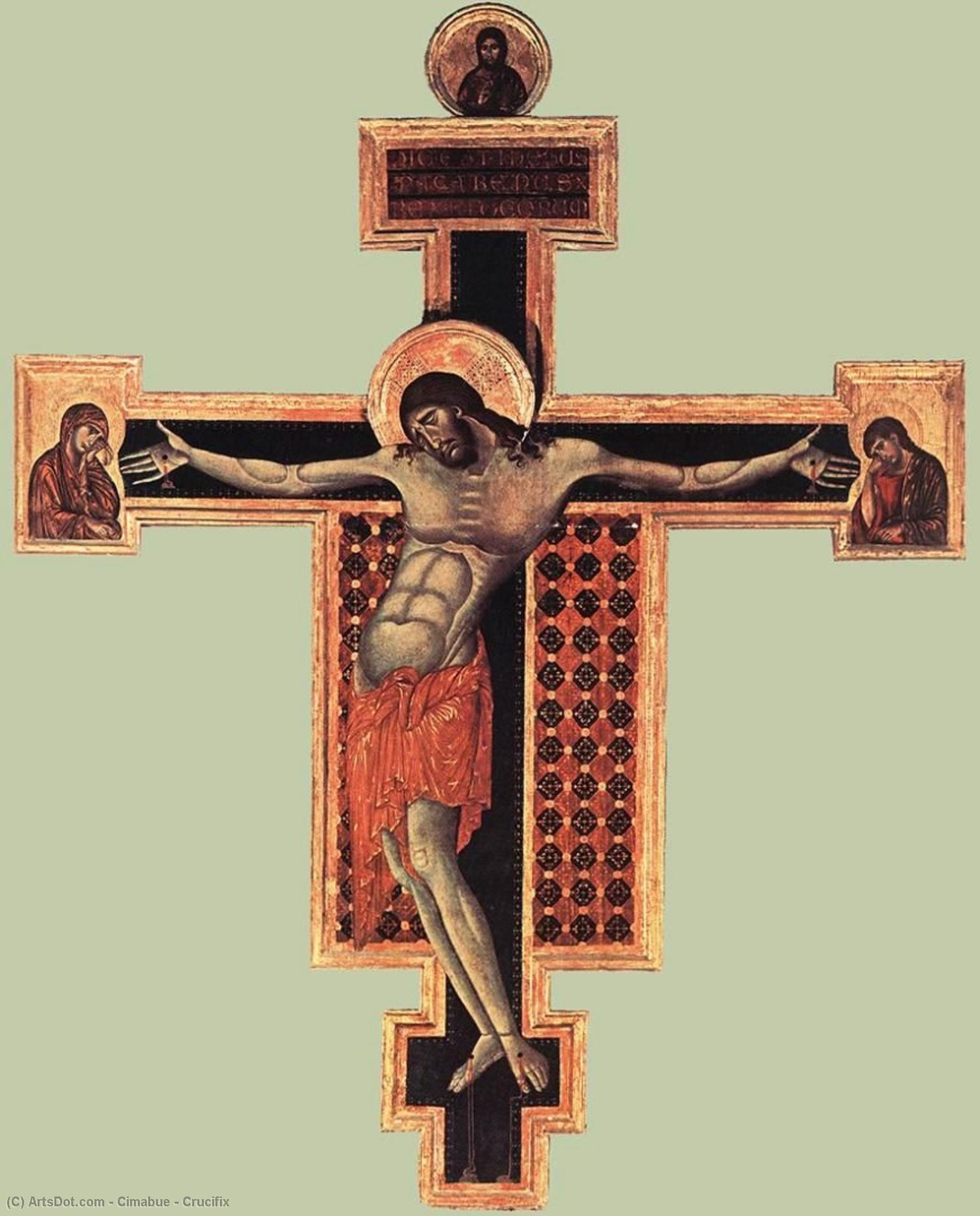
Crucifix (1268) by ციმბუე

Crucifix

1268 · Tempera On Panel · San Domenico, არეცო

In the heart of Italian art history, Giovanni Cimabue stands as a monumental figure, a master who skillfully navigated the artistic currents flowing from the rigid grandeur of the Byzantine Empire toward the burgeoning innovations of the early Renaissance. His Crucifix is not merely a religious icon; it is a profound testament to a period of transformative change. Painted with an unwavering determination that earned him the nickname “bull-ed,” Cimabue…

9
Apocalyptical Christ (detail) (1280) by ციმბუე

Apocalyptical Christ (detail)

1280 · Fresco

A Glimpse into the Divine: Cimabue’s *Apocalyptical Christ (detail)* Subject & Composition: This captivating detail, taken from Cimabue's monumental fresco *Apocalyptical Christ*, focuses on three majestic angels in dynamic flight. They surge upwards, seemingly bursting forth from the wall itself, their forms imbued with a sense of urgent announcement and celestial power. The composition is powerfully vertical, drawing the viewer’s eye heavenward. Style & Historical Context: Created around 1280 in…

10
Enthroned Madonna with Angels (1285) by ციმბუე

Enthroned Madonna with Angels

1285 · Fresco

In the quiet sanctity of the Pieve di Santa Maria in Arezzo, a masterpiece breathes with the weight of centuries. Giovanni Cimabue’s Enthroned Madonna with Angels is not merely a fresco; it is a profound threshold between two worlds. Executed around 1285, this monumental work serves as a luminous bridge between the rigid, formal elegance of the Byzantine tradition and the burgeoning humanism of the Italian Proto-Renaissance. To gaze upon…

ციმბუე's famous paintings, numbers 11 to 52

11The Virgin and Child in Majesty surrounded by Six Angels (1270) by ციმბუეThe Virgin and Child in Majesty surrounded by Six Angels1270 12Madonna Enthroned with the Child, St Francis and four Angels (detail) (1278) by ციმბუეMadonna Enthroned with the Child, St Francis and four Angels (detail)1278 13Crucifix (detail) (1268) by ციმბუეCrucifix (detail)1268 · San Domenico 14ქრისტე ტახტზე დგომი ქალწულსა და იოანე მაცხოვმელეს შორის (დეტალი) (1301) by ციმბუექრისტე ტახტზე დგომი ქალწულსა და იოანე მაცხოვმელეს შორის (დეტალი)1301 · Muso dell'Opera del Duomo 15Madonna Enthroned with the Child with Angels by ციმბუეMadonna Enthroned with the Child with Angels 16The Madonna in Majesty (Maestà) (1285) by ციმბუეThe Madonna in Majesty (Maestà)1285 · უფიციების გალერეა 17The Madonna in Majesty (detail) (1285) by ციმბუეThe Madonna in Majesty (detail)1285 · უფიციების გალერეა 18St Luke (detail) (1280) by ციმბუეSt Luke (detail)1280 19View of the frescoes in the left transept (1280) by ციმბუეView of the frescoes in the left transept1280 20St Luke (detail) (1280) by ციმბუეSt Luke (detail)1280 21Apocalyptical Christ (detail) (1280) by ციმბუეApocalyptical Christ (detail)1280 22მადონნა ტახტზე ბავშვთან ერთად, წმიდა ფრანცისკოსი, წმიდა დომინიკო და ორი ანგელოზი by ციმბუემადონნა ტახტზე ბავშვთან ერთად, წმიდა ფრანცისკოსი, წმიდა დომინიკო და ორი ანგელოზიუფიციების გალერეა 23Crucifix (1280) by ციმბუეCrucifix1280 24Crucifix (detail) (1268) by ციმბუეCrucifix (detail)1268 · San Domenico 25St Matthew (detail) (1280) by ციმბუეSt Matthew (detail)1280 26St John (detail) (1280) by ციმბუეSt John (detail)1280 27St Matthew (detail) (1280) by ციმბუეSt Matthew (detail)1280 28Crucifix (detail) (1268) by ციმბუეCrucifix (detail)1268 · San Domenico 29Kristi gripande (detail) by ციმბუეKristi gripande (detail) 30The Flagellation of Christ (1280) by ციმბუეThe Flagellation of Christ1280 · The Frick Collection 31Madonna Enthroned with the Child and Two Angels by ციმბუეMadonna Enthroned with the Child and Two Angelsსანტა მარია დეი სერვი 32Virgin and Child by ციმბუეVirgin and Child 33Madonna Enthroned with the Child, St Francis and Four Angels (1278) by ციმბუეMadonna Enthroned with the Child, St Francis and Four Angels1278 34Virgin and Child by ციმბუეVirgin and Child 35Virgin Enthroned with Angels (1290) by ციმბუეVirgin Enthroned with Angels1290 · ლუვრი 36Maestà di Santa Maria dei Servi (1280) by ციმბუეMaestà di Santa Maria dei Servi1280 37Saint Francis (1290) by ციმბუეSaint Francis1290 38Madonna with Child (1284) by ციმბუეMadonna with Child1284 39Vision of the Throne (1277) by ციმბუეVision of the Throne1277 40The Virgin and Child Enthroned with Two Angels by ციმბუეThe Virgin and Child Enthroned with Two Angelsნაციონალური გალერეა 41Miracle of Saint Peter (1277) by ციმბუეMiracle of Saint Peter1277 42Vault of the Evangelists (1277) by ციმბუეVault of the Evangelists1277 43Dormition (1277) by ციმბუეDormition1277 44Peter heals a lame man (1277) by ციმბუეPeter heals a lame man1277 45St Michael and the Dragon by Cimabue (1277) by ციმბუეSt Michael and the Dragon by Cimabue1277 46Fall of Simon Magus (1277) by ციმბუეFall of Simon Magus1277 47Vision of Saint John at Patmos (1277) by ციმბუეVision of Saint John at Patmos1277 48Christ at the Apocalypse (1277) by ციმბუეChrist at the Apocalypse1277 49Crucifixion of Peter (1283) by ციმბუეCrucifixion of Peter1283 50Vision of Angels at the Four Corners of the Earth (1277) by ციმბუეVision of Angels at the Four Corners of the Earth1277 51Martyrdom of Saint Paul (1283) by ციმბუეMartyrdom of Saint Paul1283 52Fragment of angels (1277) by ციმბუეFragment of angels1277

ციმბუე's famous paintings, period by period

Florentine Dawn

1280 – 1284 · 3 works in this list

The subjects that held ციმბუე's eye

The four subjects that come back most often in these originals, each with its finest example.

The museums that keep ციმბუე's originals

The 8 museums that hold the most of the paintings on this page.

Museum City Works by ციმბუე Paintings from this list
უფიციების გალერეა, ფლორენციაუფიციების გალერეა ფლორენცია 5 მადონნა დიდებულებაში (დეტალი), დედ პაწსადევას დიდება (დეტალი), The Madonna in Majesty (Maestà)
San Domenico, არეცოSan Domenico არეცო 4 Crucifix, Crucifix (detail), Crucifix (detail)
ლუვრი, პარიზილუვრი პარიზი 2 The Mocking of Christ, Virgin Enthroned with Angels
Museo dell'Opera di Santa Croce, FlorenceMuseo dell'Opera di Santa Croce Florence 1 კრუცფიქსი კიმბ ბᅲეს მიერ სან დომენიკოში
Muso dell'Opera del Duomo, პისაMuso dell'Opera del Duomo პისა 1 ქრისტე ტახტზე დგომი ქალწულსა და იოანე მაცხოვმელეს შორის (დეტალი)
The Frick Collection, ნიუ-იორკიThe Frick Collection ნიუ-იორკი 1 The Flagellation of Christ
სანტა მარია დეი სერვი, ბოლონიასანტა მარია დეი სერვი ბოლონია 1 Madonna Enthroned with the Child and Two Angels
ნაციონალური გალერეა, ლონდონინაციონალური გალერეა ლონდონი 1 The Virgin and Child Enthroned with Two Angels

ციმბუე across the decades: one unique original for each

Works per decade

Pick a decade to see the original that defines it.

ციმბუე's paintings: questions for the gallery

What is the single most famous work of ციმბუე?Reveal the answer

Madonna and Child Enthroned (Maesta) (1285). The Mocking of Christ (1280) and კრუცფიქსი კიმბ ბᅲეს მიერ სან დომენიკოში (1287) come next.

At what age did ციმბუე create Madonna and Child Enthroned (Maesta)?Reveal the answer

45 years old: Madonna and Child Enthroned (Maesta) dates from 1285, and ციმბუე was born in 1240.

Which ten paintings by ციმბუე are the most famous?Reveal the answer

Madonna and Child Enthroned (Maesta), The Mocking of Christ, კრუცფიქსი კიმბ ბᅲეს მიერ სან დომენიკოში, ასისის წმინდა ფრანცისკი (დეტალი), მადონნა დიდებულებაში (დეტალი), დედ პაწსადევას დიდება (დეტალი), Crucifix, Crucifix, Apocalyptical Christ (detail) and Enthroned Madonna with Angels. The ranking above gives each one's year and museum.

How many works by ციმბუე are known?Reveal the answer

Our catalog holds 52 works by ციმბუე, dated from 1268 to 1301.

Where can the most famous ციმბუე originals be seen?Reveal the answer

Mostly in უფიციების გალერეა (ფლორენცია), San Domenico (არეცო) and ლუვრი (პარიზი). The museum table above lists them all.

During which period did ციმბუე create the best-known paintings?Reveal the answer

In 1280s: 22 of the 52 works on this page were made then, Madonna and Child Enthroned (Maesta) among them.

Which famous ციმბუე painting is the earliest, and which the latest?Reveal the answer

On this page, the earliest is Crucifix (1268) and the latest ქრისტე ტახტზე დგომი ქალწულსა და იოანე მაცხოვმელეს შორის (დეტალი) (1301).

What subjects did ციმბუე favour?Reveal the answer

Medieval art (15), Angels (15) and Virgin mary (14), across the 52 works on this page.

What materials did ციმბუე paint with most?Reveal the answer

Acrylic On Canvas, for 13 of the 52 works on this page.

Which movement does the work of ციმბუე belong to?Reveal the answer

Პროტორენესანსი, judging by the originals on this page.

What ციმბუე originals can I see at the უფიციების გალერეა?Reveal the answer

მადონნა დიდებულებაში (დეტალი), დედ პაწსადევას დიდება (დეტალი) and The Madonna in Majesty (Maestà): the უფიციების გალერეა, ფლორენცია holds 5 of the works on this page.

Where can I order a hand-painted ციმბუე reproduction?Reveal the answer

Yes, as a reproduction: the original stays in its museum, but any painting on this page can be painted by hand for you, made to order one at a time, from the painting's own page.

ციმბუე: a portrait of the artist

The Life and Identity of Cimabue

In the bustling streets of Florence, Italy, a man named Giovanni Cimabue began his life around 1240. He was known to many by the names Cenni di Pepo or Cenni di Pepi, names that belonged to a man destined to shape the visual language of his age. He was a painter and a designer of mosaics, a craftsman whose hands worked with both the delicate brush and the enduring stone. His spirit was said to be strong, perhaps even rebellious, earning him a nickname that suggested a bull-headed determination. This stubbornness was not a flaw, but rather the driving force that allowed him to look at the rigid traditions of the Byzantine style and seek something more human.

His path was one of constant movement and evolving purpose. While his roots remained firmly planted in the Florentine tradition, his work carried him across the landscape of Tuscany. He did not merely replicate the icons of the past; he sought to breathe a sense of life into the figures he painted. This ambition led him to experiment with how light might fall upon a face or how a body might occupy space. He was a man caught between two worlds, honoring the spiritual formality of the old ways while reaching toward a new way of seeing the world through a more natural lens.

The final years of his life took him away from the city of his birth, leading him toward the coast. He eventually passed away in Pisa in 1302. Though his life was marked by the quiet labor of the workshop and the grand scale of mosaic design, his presence left a permanent mark on the history of Italian art. He lived through a time of profound change, acting as a bridge for those who would follow in his footsteps.

Early Life and Artistic Training

Born in Florence, Italy, around 1240, the young man who would become known as Cimabue entered a world where the traditions of Byzantium still held a firm grip on the spirit of art. He was a child of the Florentine streets, growing up in a landscape where the heavy, golden formality of the East met a new, restless desire for something more human. While the exact details of his childhood remain veiled by the passage of centuries, his early years were clearly shaped by the rigorous discipline of the Florentine workshops. Here, he learned to command the delicate medium of egg tempera and the demanding art of mosaic design, skills that would define his long career as both a painter and a designer of mosaics.

His training was not merely a matter of learning to apply pigment to wood, but a deep immersion into the sacred language of iconography. He absorbed the ways in which light was used to signify the divine, often through the application of shimmering gold leaf that seemed to radiate from the panel itself. Yet, even in these formative years, a certain strength of will began to emerge. There was a sense that he was not content to simply replicate the flat, symbolic figures of the past. Instead, he began to experiment with the way a body might occupy space, seeking to give his figures a sense of weight and presence that had been absent in the works of those who came before him. This early struggle to balance established religious tradition with a burgeoning interest in the natural world would become the defining characteristic of his hand.

Artistic Technique and Evolving Style

In the quiet labor of his workshop, Cimabue sought to breathe a new kind of life into the sacred figures of his age. He worked largely with egg tempera on wood panels, a medium that demanded a patient, disciplined hand. To achieve the celestial glow required for his religious subjects, he often applied this pigment over a background of shimmering gold leaf. In other instances, he utilized distemper with gold leaf to create a sense of divine light. His hands were equally adept at the grand scale of fresco and the intricate, enduring patterns of mosaic, showing a versatility that allowed him to move between the walls of a cathedral and the intimate size of a devotional panel.

As his vision matured, a subtle change began to appear in the way he treated the human form. He moved away from the flat, two-dimensional silhouettes of the Byzantine tradition, seeking instead to capture the weight and presence of real flesh. He achieved this through a more sophisticated use of shading to suggest volume, allowing a face or a limb to appear rounded and three-dimensional rather than merely outlined. This growing interest in lifelike figural proportions meant that his saints and Madonnas possessed a physical reality that felt closer to the people who knelt before them. He was no longer content with mere symbols; he wanted to show the body as a vessel of actual weight and emotion.

Major Commissions and Key Works

The early years of his career reveal a man already wrestling with the weight of tradition. Around 1268, he produced a Crucifix, a work that would later be studied for its profound meditation on suffering. This was followed by the Crucifix at San Domenico in Arezzo, dating around 1270, where the body of Christ appears to buckle under the weight of his own agony. In that same period, he painted the Virgin and Child in Majesty surrounded by Six Angels, a work from 1270 that shows his hand working within the established patterns of the time. Even in these early efforts, one can sense a spirit seeking to move beyond the flat, distant figures of the past.

As the decades passed, his brush grew more daring. By 1278, he had completed the Madonna Enthroned with the Child, St Francis and Four Angels, a composition that brought a new sense of presence to the sacred figures. This evolution continued into the next decade. Around 1280, he executed the Maestà, now held in the Louvre, and the Flagellation of Christ, a complex scene that suggests a growing interest in spatial relationships. He was a man of many hands, also working in the medium of mosaic, leaving his mark upon the very stones of the Baptistery of Florence.

His later works show a refined ability to suggest volume and human emotion. A detail from his Madonna in Majesty, painted in 1285, reveals a subtle use of shading that hints at the physical reality of the Virgin. Even in smaller, more intimate pieces like the 13th-century Mocking of Christ, his ability to capture a sense of human experience remains evident. His output was vast, spanning from large altarpieces to small, devotional panels.

The Master and His Famous Pupil

The legacy of Cimabue lived on through the hands of those who sat at his side in the Florentine workshops. Among his most significant pupils was Giotto di Bondone, who received crucial training under Cimabue's guidance. Their relationship was marked by a dynamic that pushed the boundaries of what a painter could achieve. It is said that during his apprenticeship, the young Giotto once playfully painted a fly upon a portrait Cimabue was working, a small prank that revealed a spirit as spirited as the master's own. While Giotto would eventually move toward a more radical naturalism, his foundation was built upon the lessons learned from Cimabue's evolving approach to form and expression.

Beyond this famous connection, Cimabue's influence reached other talented hands that operated within his artistic orbit. One such figure is the artist known as the Master of Varlungo, who has been identified as a principal pupil of Cimabue. This painter worked during the same transformative period, absorbing the stylistic shifts that Cimabue helped initiate. Through these students, the transition from the rigid Byzantine traditions toward a more humanistic style was carried forward, ensuring that the innovations of the master would ripple through the generations of Italian painters.

Where to See His Masterpieces Today

To follow the path of his brush is to travel across the great cities of Europe and beyond. In Paris, the Musée du Louvre holds the Maestà, a work that once graced the church of San Francesco in Pisa. The museum also recently welcomed The Mocking of Christ, which was acquired in 2023. These works allow us to see how his hand moved through the halls of such grand institutions, bridging the distance between the sacred spaces of the past and the public galleries of the present.

The spirit of his work remains deeply rooted in the Italian landscape. In Florence, the Galleria degli Uffizi preserves a detail of the Madonna in Majesty, offering a close look at his evolving hand. Nearby, the Museo dell'Opera del Duomo in Pisa keeps a detail of Christ Enthroned between the Virgin and St John the Evangelist. If one travels to Assisi, the Madonna with Child Enthroned, Four Angels and St Francis can still be found, while the Basilica of San Domenico in Arezzo holds the Crucifix that shows his departure from older traditions.

His reach extended far across the seas, finding homes in collections far from his Florentine origins. The Frick Collection in New York preserves The Flagellation of Christ, and the National Gallery in London holds a detail of the Crucifix. These scattered treasures remind us of the many hands that have cared for his legacy through the centuries.

All 52 works by ციმბუე →