


1


განახლდა ოქტომბერი 2026 · დალაგებულია ჩვენი პოპულარობის ქულების მიხედვით (ძიება, ნახვა და შეკვეთები თითოეული ნამუშწაროსთვის) · 55 ნამუშევარი Arthur Segal ჩვენს კატალოგში
მოკლედ რომ ვთქვათ
Arthur Segal-ის ყველა დატოვებული ორიგინალიდან ყველაზე ცნობილია Portrait of a Young Girl, რომელიც London-ში მდებარე Guildhall Art Gallery-ის კოლექციაშია. მისდაក្រោយ Apples in a Bowl (1938) და The Artist's Life on Earth "The Painter" (1921) მოდიან. ჩვენს კატალოგში Arthur Segal-ის 55 ნამუშწარებია; გალერეამ შეინافظა ის 55 ნამუშწარო, რომლებსაც მსოფლიო ყველაზე მეტად აღიარებს, რომელთაგან თითოეული წარმოდგენილია თვის, მუზეუმისა და ისტორიის თანხლებით.

A white ceramic bowl sits heavy on a wooden surface, its rim catching a sharp, bright light. Inside, apples of a deep, luscious crimson press against one another, their skins smooth and substantial. Some fruits have escaped the vessel, resting on the table in a rhythmic arrangement that guides the eye through a landscape of shadow. In the background, the soft, veiled shape of a chair suggests a room that…


The canvas known as Rainbow (prismatic) [Regenbogen (prismatisch)] emerges from the mind of the artist Arthur Segal. Created in 1924, the work exists as a cubic memory landscape, a fractured reconstruction of the artist's native Romania. It captures a sense of place through a prism of geometry, translating distant recollections into a structured, kaleidoscopic vision.

Strasse auf Helgoland II is a work by Arthur Segal, a Romanian artist who lived from 1875 to 1944. Created about 1924, this piece emerged during a period of significant stylistic transition in the artist's career, moving away from his early Impressionist foundations toward the more fragmented aesthetics of Expressionism and Dadaism.


 Houses, Meadows and Fields1918 · დრეზდენის სახელმწიფო ხელოვნების კოლექციები
12
 The Ploughman (Circle "Labour")1919 · Berlinische Galerie
13
 Der Astronom (Zyklus Arbeit)1919 · Museum Boijmans Van Beuningen
14
 Housekeeping1919
15
 HäUSLICHE ARBEIT (HOUSEKEEPING)1919
16
 Landscape (Street on Helgoland I)1924
17
 Heligoland1923 · Berlinische Galerie
18
 Harbour on Bornholm1928
19
 Harbour on Bornholm (Hafen von Bornholm)1928
20
 Still Life with White Cup1927 · Southwark Art Collection
21
 City of London1927 · Arts Council Collection
22
 View from the Window1930 · Indianapolis Museum of Art
23
 Haus mit Baum Blickpunkt (House with tree focal point)1931
24
 Still Life1930 · Guildhall Art Gallery
25
 Portrait on a Veranda, Spain1933
26
 Dead Bird1933 · Guildhall Art Gallery
27
 South of France Street Scene1929 · Southwark Art Collection
28
 Aluminium Pans and Oranges1930 · Touchstones Rochdale
29
 Hafen, La Ciotat1929 · Ben Uri Gallery - Museum
30
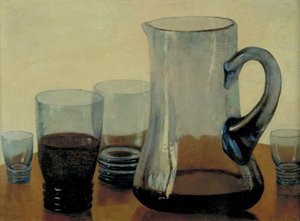 Glass Jug and Four Glasses1934 · Guildhall Art Gallery
31
 Still Life of Red Flowers in a Green Vase1937 · Guildhall Art Gallery
32
 Green Trees and House1942 · გილდჰოლის სახელოვნებო გალერეა - ლონდონის რომაული ამფითეატრი
33
 Onions and a Jug1939 · Guildhall Art Gallery
34
 Self Portrait with Palette and Brushes1939
35
 Green Trees and House1942 · Guildhall Art Gallery
36
 The Artist's Hand1941 · Guildhall Art Gallery
37
 Still Life on a Striped Cloth1944
38
 Onions and Cauliflower1944 · Guildhall Art Gallery
39
 Portrait of a Woman1933 · Guildhall Art Gallery
40
 Still Life
41
 Light Construction
42
 Prismatic Still Life
43
 Figure ReadingGuildhall Art Gallery
44
 A Busy Street SceneGuildhall Art Gallery
45
 The ArchwayGuildhall Art Gallery
46
 Donkey at a WellGuildhall Art Gallery
47
 Ein Tag (One Day)
48
 A Street, 1912
49
 Self Portrait with a Green BrushGuildhall Art Gallery
50
 A Garden Scene, a Figure in a ShedGuildhall Art Gallery
51
 Self PortraitGuildhall Art Gallery
52
 Study of a CatGuildhall Art Gallery
53
 Flower Study1944
54
 Dead Crab1943 · Guildhall Art Gallery
55
 Glass Jug and Four Glasses1934 · Guildhall Art Gallery
ამ ორიგინალებში ყველაზე ხშირად განმეორებადი არის 네 თემა, რომელთაგან თითოეულს თავისი საუკეთესო ნიმუში წარმოგვიდგება.
ამ გვერდზე წარმოდგენილი მხატვრობის შედეგების უმეტესობას 8 მუზეუმი ინახავს.
| მუზეუმი | ქალაქი | Arthur Segal შემოქმედებაలు | ამ სიიდან მოპოვებული ნახატები |
|---|---|---|---|
 Guildhall Art Gallery |
London | 24 | Portrait of a Young Girl, Apples in a Bowl, Bearded Man Wearing a Beret |
 Berlinische Galerie |
ბერლინი | 4 | The Artist's Life on Earth "The Painter", Abortion Act, The Ploughman (Circle "Labour") |
 Southwark Art Collection |
London | 2 | Still Life with White Cup, South of France Street Scene |
 ჩიკაგოს ხელოვნების ინსტიტუტი |
ჩიკაგო | 1 | Rainbow (prismatic) |
 მეტროპოლიტენის ხელოვნების მუზეუმი |
ნიუ-იორკი | 1 | Strasse auf Helgoland II |
 დრეზდენის სახელმწიფო ხელოვნების კოლექციები |
დრეზდენი | 1 | Houses, Meadows and Fields |
 Museum Boijmans Van Beuningen |
როტერდამი | 1 | Der Astronom (Zyklus Arbeit) |
 Arts Council Collection |
London | 1 | City of London |
შეარჩიეთ ათწლეული, რათა ნახოთ ის ორიგინალი ნამუშევარი, რომელიც მას განსაზღვრავს.
A white ceramic bowl sits heavy on a wooden surface, its rim catching a sharp, bright light. Inside, apples of a deep, luscious crimson press against one another, their skins smooth and substantial. Some fruits have escaped the vessel, resting on the table in a rhythmic arrangement that guides the eye through a landscape of shadow. In the background, the soft, veiled shape of a chair suggests a room that…

Portrait of a Young Girl, Guildhall Art Gallery, London. შემდეგ მოდიან Apples in a Bowl (1938) და The Artist's Life on Earth "The Painter" (1921).
Portrait of a Young Girl, Apples in a Bowl, The Artist's Life on Earth "The Painter", Abortion Act, Rainbow (prismatic), Strasse auf Helgoland II, Bearded Man Wearing a Beret, Die Aktion, vol. 5, no. 20 21, Houses in the Trees და Lights on Water. ზემოთ მოცემული რეიტინგი ასახავს თითოეულის შემოქმედების წელსა და მუზეუმს.
ჩვენს კატალოგში წარმოდგენილია 55 ნამუშწევრი Arthur Segal-ისგან, დათარიღებული 1912-დან 1944-მდე.
ძირითადად Guildhall Art Gallery (London), Berlinische Galerie (ბერლინი) და Southwark Art Collection (London)-ში. ზემოთ მოცემულ მუზეუმების ცხრილში ისინი ყველა listed.
1930s-ში: ამ გვერდზე წარმოდგენილი 55 ნამუშწარwerksიდან 14 შეიქმნა მაშინ, მათგან Apples in a Bowl.
ამ გვერდზე ყველაზე ადრეული არის Lights on Water (1912), ხოლო ყველაზე გვიანდელი — Still Life on a Striped Cloth (1944).
Portraits (5), Life (4) და Geometric forms (3), ამ გვერდზე წარმოდგენილ 55 ნამუშწარეს შორის.
Oil On Canvas, ამ გვერდზე არსებული 55 ნამუშწაროსგან 2 ცალიდან.
Expressionism და Cubism, ამ გვერდზე წარმოდგენილი ორიგინალების მიხედვით.
Portrait of a Young Girl, Apples in a Bowl და Bearded Man Wearing a Beret: Guildhall Art Gallery, London-ში წარმოდგენილია ამ გვერდზე მოცემული ნამუშევრების 24 ცალი.
დიახ, როგორც რეპროდუქცია: ორიგინალი რჩება თავის მუზეუმში, თუმცა ამ გვერდზე წარმოდგენილი ნებისმიერი სურათი შეგიძლიათ შეუკვეთოთ ხელნაკეთად, ინდივიდუალურად, სურათის საკუთარი გვერდიდან.
ყველა 55 ნამუშევარი, რომელიც შემოქმედებითად ეკუთვნის Arthur Segal →
