ანდო ჰიროშიგე პორტრეტი

ანდო ჰიროშიგე-ის ნახატები: 100 ყველაზე ცნობილი ნამუშევარი, গალერეის თcraftით

განახლდა ნოემბერი 2026 · დალაგებულია ჩვენი პოპულარობის ქულების მიხედვით (ძიება, ნახვა და შეკვეთები თითოეული ნამუშწაროსთვის) · 353 ნამუშევარი ანდო ჰიროშიგე ჩვენს კატალოგში

მოკლედ რომ ვთქვათ

გალერეის შეხედულებით, ანდო ჰიროშიგე-ის ყველაზე ცნობილი ნამუშწაროა Early Department from a Daimyo, რომლის ორიგინალი ნაკაგავა-მაჩის ბატო ჰიროშიგეს სახელობის ხელოვნების მუზეუმი-ში, ნაგასაკი-ში hangs. The maple leaves of Mama, Tekona shrine and Tsugi bridge (1857) და Hakone (1834) ქმნიან იმ ტრიოს, რომელიც ყველამ იცნობს. ჩვენს კატალოგში არსებული ანდო ჰიროშიგე-ის 353 ნამუშწაროდან, გალერეა ქვემოთ წარმოგიდგენთ 100 ყველაზე ცნობილ მათგანს; თითოეული მათგანი არის ორიგინალი, რომლის აღწერა მოიცავს შემოქმედების წელს, მუზეუმს და იმ დეტალებს, რაც მას უნიკალურს ხდის.

1797 – 1858, ედო Ukiyo-e ყველაზე მეტი ნამشევრი: ნაკაგავა-მაჩის ბატო ჰიროშიგეს სახელობის ხელოვნების მუზეუმი

გალერეის ანდო ჰიროშიგე 10 საუკეთესო ნამი에도

1
Early Department from a Daimyo ავტორის: ანდო ჰიროშიგე

Early Department from a Daimyo

In the delicate dance of lines and muted pigments, Utagawa Hiroshige’s Early Department from a Daimyo invites us to step through a portal into the heart of Edo-period Japan. This exquisite woodblock print captures a moment of vibrant communal life along a bustling riverside, where the rigid structures of social hierarchy melt into the shared leisure of a sunny afternoon. As we gaze upon the scene, we are not merely…

2
The maple leaves of Mama, Tekona shrine and Tsugi bridge (1857) ავტორის: ანდო ჰიროშიგე

The maple leaves of Mama, Tekona shrine and Tsugi bridge

1857 · Woodblock Print · ვან გოგის მუზეუმი, ამსტერდამი

Utagawa Hiroshige (1797-1858), arguably the last titan of *ukiyo-e*, didn't merely depict landscapes; he crafted them into meditations on beauty and impermanence. “The Maple Leaves of Mama, Tekona Shrine and Tsugi Bridge,” created in 1857 during a period of significant societal transformation—the waning influence of feudal Japan as Western ideas crept in—stands as a testament to his enduring artistic legacy. More than just a visual record, it’s an embodiment of…

3
Hakone (1834) ავტორის: ანდო ჰიროშიგე

Hakone

1834 · Woodblock Print · Indianapolis Museum of Art, Indianapolis

Utagawa Hiroshige’s “Hakone,” created in 1834, is more than just a landscape; it's a poetic meditation on the beauty and transience of nature within Edo-period Japan. This woodblock print, part of his renowned series "The Fifty-three Stations of the Tōkaidō," captures a specific moment along the vital trade route connecting Tokyo (then Edo) with Kyoto. However, Hiroshige elevates this seemingly simple depiction of a mountain pass into something profoundly evocative,…

4
Station 36, Goyu; Kyoka Tokaido Series (1855) ავტორის: ანდო ჰიროშიგე

Station 36, Goyu; Kyoka Tokaido Series

1855 · Woodblock Print · Indianapolis Museum of Art, Indianapolis

In the delicate interplay of ink and paper, Utagawa Hiroshige’s "Station 36, Goyu; Kyoka Tokaido Series" offers much more than a mere topographical record of a journey. Completed in 1855, this exquisite woodblock print serves as a profound distillation of Edo-period sensibilities, capturing a yearning for tranquility amidst the burgeoning dynamism of a Japan in transition. As the nation stood at a pivotal crossroads between ancient feudal traditions and the…

5
ფუშმისა და ტოკიໂດ სადგა ნომერი 51 (1842) ავტორის: ანდო ჰიროშიგე

ფუშმისა და ტოკიໂດ სადგა ნომერი 51

1842 · ხის ბლოკზე გრავირებული ბეჭდვა · Indianapolis Museum of Art, Indianapolis

Utagawa Hiroshige’s “Fushimi Station #51,” a cornerstone of the celebrated *Tokaido* series—one of Japan's most ambitious landscape prints—captures a moment frozen in time: a serene tableau depicting travelers amidst the grandeur of autumn foliage. More than just a depiction of scenery, this artwork embodies Hiroshige’s masterful ability to distill emotion and narrative into meticulously crafted woodblock prints.

6
Ichikoku Bridge in the Eastern Capital (Tōto: Ichikoku bashi) (1858) ავტორის: ანდო ჰიროშიგე

Ichikoku Bridge in the Eastern Capital (Tōto: Ichikoku bashi)

1858 · Woodblock Print · Indianapolis Museum of Art, Indianapolis

The Ichikoku Bridge spans a quiet stretch of water in the Eastern Capital. Beneath its wooden arch, two boats drift through the current. People move across the structure, some carrying backpacks and others clutching small handbags. A mountain rises in the distance, watching over the scene. Trees frame the edges of the view, their leaves casting shadows near the water's edge.

7
Shinagawa Sunrise from the series Fifty-three Stations on the Tokaido Road (1834) ავტორის: ანდო ჰიროშიგე

Shinagawa Sunrise from the series Fifty-three Stations on the Tokaido Road

1834 · Woodblock Print · ჰილ-სტიდის მუზეუმი, ფარმინგტონი

In the soft, burgeoning light of a nineteenth-century morning, Utagawa Hiroshige invites us to witness a moment of profound stillness along the Tōkaidō road. Shinagawa Sunrise is not merely a depiction of a coastal village; it is a masterclass in the art of atmosphere. As the sun begins its ascent, the boundary between the heavens and the earth dissolves into a luminous haze. The water of the bay reflects a…

8
The Rokugo River Ferry, Kawasaki, from the series the Fifty-three Stations of the Tokaido (Hoeido edition ) ავტორის: ანდო ჰიროშიგე

The Rokugo River Ferry, Kawasaki, from the series the Fifty-three Stations of the Tokaido (Hoeido edition )

In the delicate dance of woodblock printing, few masters captured the ephemeral beauty of Japanese life as profoundly as Utagawa Hiroshige. His masterpiece, The Rokugo River Ferry, Kawasaki, serves as a breathtaking window into the Edo period, inviting the viewer to step onto the bustling banks of one of the most vital crossings on the Tokaido road. This evocative scene from his legendary series, The Fifty-three Stations of the Tokaido,…

9
Itsukushima in Aki Province (1858) ავტორის: ანდო ჰიროშიგე

Itsukushima in Aki Province

1858 · Woodblock Print · ბრუკლინის მუზეუმი, ბრუკლინი

In the delicate interplay of mist and water, Itsukushima in Aki Province offers more than a mere glimpse of a Japanese landmark; it provides a profound meditation on the ephemeral nature of existence. Created by the legendary ukiyo-e master Ando Hiroshige in 1858, this woodcut print captures the spiritual essence of the Itsukushima shrine area with a poetic sensitivity that remains unparalleled. As one gazes upon the composition, the eye…

10
Tenryu River Ferry Crossing, Mitsuke, from the series The Fifty-three Stations of the Tokaido (Gyosho Edition) ავტორის: ანდო ჰიროშიგე

Tenryu River Ferry Crossing, Mitsuke, from the series The Fifty-three Stations of the Tokaido (Gyosho Edition)

The woodblock print depicts a section of the Tenryu River near the station of Mitsuke. In the center of the composition, a large sandbank divides the water into two distinct currents. Several small wooden boats occupy the river, with figures positioned within them to manage the crossing. Some vessels are moored directly against the central sandbank, while others navigate the moving water. The far shore is visible in the distance,…

ანდო ჰიროშიგე-ის ნახატები, რეიტინგით 11-დან 100-მდე

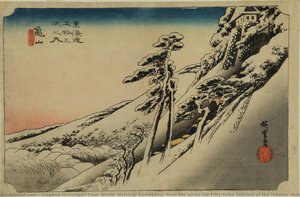
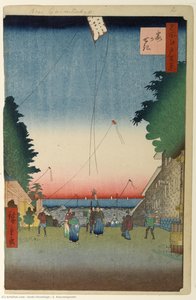
11მებაღა და კელპის მწვანე დອກთა ყვავილი (1800) ავტორის: ანდო ჰიროშიგემებაღა და კელპის მწვანე დອກთა ყვავილი1800 · Indianapolis Museum of Art 12The Pine Woods of Miho in Suruga Province (Suruga Miho no matsubara) (1858) ავტორის: ანდო ჰიროშიგეThe Pine Woods of Miho in Suruga Province (Suruga Miho no matsubara)1858 · Indianapolis Museum of Art 1362 (55) Komakata Hall and Azuma Bridge (1857) ავტორის: ანდო ჰიროშიგე62 (55) Komakata Hall and Azuma Bridge1857 · ბრუკლინის მუზეუმი 14Evening Snow at Kanbara (1834) ავტორის: ანდო ჰიროშიგეEvening Snow at Kanbara1834 · লস অ্যাნჯელესის ოლეული ოლქის ხელოვნების მუზეუმი 15Dawn in the licensed quarters (1857) ავტორის: ანდო ჰიროშიგეDawn in the licensed quarters1857 · Art Gallery of New South Wales 16Night View of Saruwakacho ავტორის: ანდო ჰიროშიგეNight View of Saruwakacho 17Station 28, Fukuroi (1855) ავტორის: ანდო ჰიროშიგეStation 28, Fukuroi1855 · Indianapolis Museum of Art 18Evening Snow at Asakusa or Woman with Umbrella from the series Eight Views of the Environs of Edo (1800) ავტორის: ანდო ჰიროშიგეEvening Snow at Asakusa or Woman with Umbrella from the series Eight Views of the Environs of Edo1800 · ჰილ-სტიდის მუზეუმი 19Keishi (Kyoto), Capital (1834) ავტორის: ანდო ჰიროშიგეKeishi (Kyoto), Capital1834 · Indianapolis Museum of Art 20Hara: View of Ashitakayama and Fuji (1855) ავტორის: ანდო ჰიროშიგეHara: View of Ashitakayama and Fuji1855 · Indianapolis Museum of Art 21Yokkaichi (Station #44) (1834) ავტორის: ანდო ჰიროშიგეYokkaichi (Station #44)1834 · Indianapolis Museum of Art 22Desolate Wintry Scene, Hamamatsu, from the series the Fifty-three Stations of the Tokaido (Hoeido edition) ავტორის: ანდო ჰიროშიგეDesolate Wintry Scene, Hamamatsu, from the series the Fifty-three Stations of the Tokaido (Hoeido edition)ნაკაგავა-მაჩის ბატო ჰიროშიგეს სახელობის ხელოვნების მუზეუმი 23Noge and Yokohama in Musashi Province (Musashi, Noge, Yokohama) (1858) ავტორის: ანდო ჰიროშიგეNoge and Yokohama in Musashi Province (Musashi, Noge, Yokohama)1858 · Indianapolis Museum of Art 24Wild sea breaking on the rocks (1856) ავტორის: ანდო ჰიროშიგეWild sea breaking on the rocks1856 25შიმსუგა შიომიზაკა ზუ (1833) ავტორის: ანდო ჰიროშიგეშიმსუგა შიომიზაკა ზუ1833 · Indianapolis Museum of Art 26Mt.Fuji on the Left, Yoshiwara, from the series the Fifty-three Stations of the Tokaido (Hoeido edition) ავტორის: ანდო ჰიროშიგეMt.Fuji on the Left, Yoshiwara, from the series the Fifty-three Stations of the Tokaido (Hoeido edition)ნაკაგავა-მაჩის ბატო ჰიროშიგეს სახელობის ხელოვნების მუზეუმი 27Tsukuda Offing in the Eastern Capital (Tōto: Tsukuda oki) (1858) ავტორის: ანდო ჰიროშიგეTsukuda Offing in the Eastern Capital (Tōto: Tsukuda oki)1858 · Indianapolis Museum of Art 28Kawachi (1853) ავტორის: ანდო ჰიროშიგეKawachi1853 · Indianapolis Museum of Art 29The Dye Craft Shops of Arimatsu, Narumi, from the series The Fifty-three Stations of the Tokaido (Gyosho edition) ავტორის: ანდო ჰიროშიგეThe Dye Craft Shops of Arimatsu, Narumi, from the series The Fifty-three Stations of the Tokaido (Gyosho edition)ნაკაგავა-მაჩის ბატო ჰიროშიგეს სახელობის ხელოვნების მუზეუმი 30View of Shiomi Slope, Shirasuka, from the series The Fifty-three Stations of the Tokaido (Gyosho edition) ავტორის: ანდო ჰიროშიგეView of Shiomi Slope, Shirasuka, from the series The Fifty-three Stations of the Tokaido (Gyosho edition)ნაკაგავა-მაჩის ბატო ჰიროშიგეს სახელობის ხელოვნების მუზეუმი 31Entrance to Enoshima in Sagami Province (Sagami Enoshima iriguchi) (1858) ავტორის: ანდო ჰიროშიგეEntrance to Enoshima in Sagami Province (Sagami Enoshima iriguchi)1858 · Indianapolis Museum of Art 32Morning Mist, Mishima, from the series the Fifty-three Stations of the Tokaido (Hoeido edition ) ავტორის: ანდო ჰიროშიგეMorning Mist, Mishima, from the series the Fifty-three Stations of the Tokaido (Hoeido edition )ნაკაგავა-მაჩის ბატო ჰიროშიგეს სახელობის ხელოვნების მუზეუმი 33The Imagire Sea Ferry, Maisaka, from the series The Fifty-three Stations of the Tokaido (Gyosho edition) ავტორის: ანდო ჰიროშიგეThe Imagire Sea Ferry, Maisaka, from the series The Fifty-three Stations of the Tokaido (Gyosho edition)ნაკაგავა-მაჩის ბატო ჰიროშიგეს სახელობის ხელოვნების მუზეუმი 34Sukiya Riverbank in the Eastern Capital (Tōto sukiya kaigan) (1858) ავტორის: ანდო ჰიროშიგეSukiya Riverbank in the Eastern Capital (Tōto sukiya kaigan)1858 · Indianapolis Museum of Art 35Satta Pass, Yui, from the series the Fifty-three Stations of the Tokaido (Hoeido edition) ავტორის: ანდო ჰიროშიგეSatta Pass, Yui, from the series the Fifty-three Stations of the Tokaido (Hoeido edition)ნაკაგავა-მაჩის ბატო ჰიროშიგეს სახელობის ხელოვნების მუზეუმი 36True View of Imagire, Maisaka, from the series the Fifty-three Stations of the Tokaido (Hoeido edition) ავტორის: ანდო ჰიროშიგეTrue View of Imagire, Maisaka, from the series the Fifty-three Stations of the Tokaido (Hoeido edition)ნაკაგავა-მაჩის ბატო ჰიროშიგეს სახელობის ხელოვნების მუზეუმი 37Clear Winter Morning, Kameyama, from the series the Fifty-three Stations of the Tokaido (Hoeido edition) ავტორის: ანდო ჰიროშიგეClear Winter Morning, Kameyama, from the series the Fifty-three Stations of the Tokaido (Hoeido edition)ნაკაგავა-მაჩის ბატო ჰიროშიგეს სახელობის ხელოვნების მუზეუმი 38The Tenryu River, Mitsuke, from the series the Fifty-three Stations of the Tokaido (Hoeido edition) ავტორის: ანდო ჰიროშიგეThe Tenryu River, Mitsuke, from the series the Fifty-three Stations of the Tokaido (Hoeido edition)ნაკაგავა-მაჩის ბატო ჰიროშიგეს სახელობის ხელოვნების მუზეუმი 39The Seven-ri Ferry Crossing, Kuwana, from the series the Fifty-three Stations of the Tokaido (Hoeido edition) ავტორის: ანდო ჰიროშიგეThe Seven-ri Ferry Crossing, Kuwana, from the series the Fifty-three Stations of the Tokaido (Hoeido edition)ნაკაგავა-მაჩის ბატო ჰიროშიგეს სახელობის ხელოვნების მუზეუმი 40Aronia and Bullfinch ავტორის: ანდო ჰიროშიგეAronia and Bullfinch 41კატატაში მგზავრდებიან ბულობები (1834) ავტორის: ანდო ჰიროშიგეკატატაში მგზავრდებიან ბულობები1834 · Indianapolis Museum of Art 42Yugyoji Temple, Fujisawa, from the series the Fifty-three Stations of the Tokaido (Hoeido edition) ავტორის: ანდო ჰიროშიგეYugyoji Temple, Fujisawa, from the series the Fifty-three Stations of the Tokaido (Hoeido edition)ნაკაგავა-მაჩის ბატო ჰიროშიგეს სახელობის ხელოვნების მუზეუმი 43Travellers and Soliciting Women, Goyu, from the series the Fifty-three Stations of the Tokaido (Hoeido edition) ავტორის: ანდო ჰიროშიგეTravellers and Soliciting Women, Goyu, from the series the Fifty-three Stations of the Tokaido (Hoeido edition)ნაკაგავა-მაჩის ბატო ჰიროშიგეს სახელობის ხელოვნების მუზეუმი 44The Totoumi Bank of the Oi River, Kanaya, from the series the Fifty-three Stations of the Tokaido (Hoeido edition) ავტორის: ანდო ჰიროშიგეThe Totoumi Bank of the Oi River, Kanaya, from the series the Fifty-three Stations of the Tokaido (Hoeido edition)ნაკაგავა-მაჩის ბატო ჰიროშიგეს სახელობის ხელოვნების მუზეუმი 45The Suruga Bank of the Oi River, Shimada, from the series the Fifty-three Stations of the Tokaido (Hoeido edition) ავტორის: ანდო ჰიროშიგეThe Suruga Bank of the Oi River, Shimada, from the series the Fifty-three Stations of the Tokaido (Hoeido edition)ნაკაგავა-მაჩის ბატო ჰიროშიგეს სახელობის ხელოვნების მუზეუმი 46Kyoka Tokaido Series, Kanagawa (Yokohama) ავტორის: ანდო ჰიროშიგეKyoka Tokaido Series, Kanagawa (Yokohama)Indianapolis Museum of Art 47Distant View of Miho, Ejiri, from the series the Fifty-three Stations of the Tokaido (Hoeido edition) ავტორის: ანდო ჰიროშიგეDistant View of Miho, Ejiri, from the series the Fifty-three Stations of the Tokaido (Hoeido edition)ნაკაგავა-მაჩის ბატო ჰიროშიგეს სახელობის ხელოვნების მუზეუმი 48Mt. Fuji in the Morning, Hara, from the series the Fifty-three Stations of the Tokaido (Hoeido edition) ავტორის: ანდო ჰიროშიგეMt. Fuji in the Morning, Hara, from the series the Fifty-three Stations of the Tokaido (Hoeido edition)ნაკაგავა-მაჩის ბატო ჰიროშიგეს სახელობის ხელოვნების მუზეუმი 49A Horse Fair, Chiriu, from the series the Fifty-three Stations of the Tokaido (Hoeido edition) ავტორის: ანდო ჰიროშიგეA Horse Fair, Chiriu, from the series the Fifty-three Stations of the Tokaido (Hoeido edition)ნაკაგავა-მაჩის ბატო ჰიროშიგეს სახელობის ხელოვნების მუზეუმი 50Wakasa (1853) ავტორის: ანდო ჰიროშიგეWakasa1853 · Indianapolis Museum of Art 51Distant View of Mt.Akiba, Kakegawa, from the series the Fifty-three Stations of the Tokaido (Hoeido edition) ავტორის: ანდო ჰიროშიგეDistant View of Mt.Akiba, Kakegawa, from the series the Fifty-three Stations of the Tokaido (Hoeido edition)ნაკაგავა-მაჩის ბატო ჰიროშიგეს სახელობის ხელოვნების მუზეუმი 52The Ichiri-Han Sea Ferry, Arai, from the series The Fifty-three Stations of the Tokaido (Gyosho edition) ავტორის: ანდო ჰიროშიგეThe Ichiri-Han Sea Ferry, Arai, from the series The Fifty-three Stations of the Tokaido (Gyosho edition)ნაკაგავა-მაჩის ბატო ჰიროშიგეს სახელობის ხელოვნების მუზეუმი 53Gateway Entrance to the Atsuta Shrine on the Beach, Miya, from the series The Fifty-three Stations of the Tokaido (Gyosho edition) ავტორის: ანდო ჰიროშიგეGateway Entrance to the Atsuta Shrine on the Beach, Miya, from the series The Fifty-three Stations of the Tokaido (Gyosho edition)ნაკაგავა-მაჩის ბატო ჰიროშიგეს სახელობის ხელოვნების მუზეუმი 54Akasaka, from the series The Fifty-three Stations of the Tokaido (Gyosho edition) ავტორის: ანდო ჰიროშიგეAkasaka, from the series The Fifty-three Stations of the Tokaido (Gyosho edition)ნაკაგავა-მაჩის ბატო ჰიროშიგეს სახელობის ხელოვნების მუზეუმი 55The Sakawa River, Odawara, from the series the Fifty-three Stations of the Tokaido (Hoeido edition) ავტორის: ანდო ჰიროშიგეThe Sakawa River, Odawara, from the series the Fifty-three Stations of the Tokaido (Hoeido edition)ნაკაგავა-მაჩის ბატო ჰიროშიგეს სახელობის ხელოვნების მუზეუმი 56A Footpath between Ricefield, Hiratsuka, from the series the Fifty-three Stations of the Tokaido (Hoeido edition) ავტორის: ანდო ჰიროშიგეA Footpath between Ricefield, Hiratsuka, from the series the Fifty-three Stations of the Tokaido (Hoeido edition)ნაკაგავა-მაჩის ბატო ჰიროშიგეს სახელობის ხელოვნების მუზეუმი 57Awa Province: Whirlpool at Naruto (1853) ავტორის: ანდო ჰიროშიგეAwa Province: Whirlpool at Naruto1853 5873 The City Flourishing, the Tanabata Festival (1857) ავტორის: ანდო ჰიროშიგე73 The City Flourishing, the Tanabata Festival1857 59Sarugababa Plain, Futagawa, from the series the Fifty-three Stations of the Tokaido (Hoeido edition) ავტორის: ანდო ჰიროშიგეSarugababa Plain, Futagawa, from the series the Fifty-three Stations of the Tokaido (Hoeido edition)ნაკაგავა-მაჩის ბატო ჰიროშიგეს სახელობის ხელოვნების მუზეუმი 60Local Specialty Teahouse, Mariko, from the series the Fifty-three Stations of the Tokaido (Hoeido edition) ავტორის: ანდო ჰიროშიგეLocal Specialty Teahouse, Mariko, from the series the Fifty-three Stations of the Tokaido (Hoeido edition)ნაკაგავა-მაჩის ბატო ჰიროშიგეს სახელობის ხელოვნების მუზეუმი 61Sakanoshita ავტორის: ანდო ჰიროშიგეSakanoshitaIndianapolis Museum of Art 62สถานีที่ 23 ฟูจิเอดะ ავტორის: ანდო ჰიროშიგეสถานีที่ 23 ฟูจิเอดะIndianapolis Museum of Art 63Marsh Grasses and Mandarin Ducks ავტორის: ანდო ჰიროშიგეMarsh Grasses and Mandarin Ducks 6450th station, Minakuchi ავტორის: ანდო ჰიროშიგე50th station, Minakuchi 65Sakanoshita: the Throwing Away the Brush Peak (1834) ავტორის: ანდო ჰიროშიგეSakanoshita: the Throwing Away the Brush Peak1834 · ბრუკლინის მუზეუმი 66Shibaura Bay of Musashi Province (801) ავტორის: ანდო ჰიროშიგეShibaura Bay of Musashi Province801 · მეტროპოლიტენის ხელოვნების მუზეუმი 67Koyurugi Beach of Sagami Province (801) ავტორის: ანდო ჰიროშიგეKoyurugi Beach of Sagami Province801 · მეტროპოლიტენის ხელოვნების მუზეუმი 68Honmoku Bay of Musashi Province (801) ავტორის: ანდო ჰიროშიგეHonmoku Bay of Musashi Province801 · მეტროპოლიტენის ხელოვნების მუზეუმი 69Untitled (Two Rabbits, Pampas Grass, and Full Moon) (1851) ავტორის: ანდო ჰიროშიგეUntitled (Two Rabbits, Pampas Grass, and Full Moon)1851 7011. Kiyomizu Hall and Shinobazu Pond at Ueno (1857) ავტორის: ანდო ჰიროშიგე11. Kiyomizu Hall and Shinobazu Pond at Ueno1857 7185. Kinokuni Hill and Distant View of Akasaka and the Tameike Pond (1857) ავტორის: ანდო ჰიროშიგე85. Kinokuni Hill and Distant View of Akasaka and the Tameike Pond1857 7276 Bamboo Quay by Kyōbashi Bridge (1857) ავტორის: ანდო ჰიროშიგე76 Bamboo Quay by Kyōbashi Bridge1857 7358 (52) Sudden Shower over Shin-Ōhashi bridge and Atake (1857) ავტორის: ანდო ჰიროშიგე58 (52) Sudden Shower over Shin-Ōhashi bridge and Atake1857 · Tokyo Fuji Art Museum 74103. Senju Great Bridge (1857) ავტორის: ანდო ჰიროშიგე103. Senju Great Bridge1857 7518. The Ōji Inari Shrine (1857) ავტორის: ანდო ჰიროშიგე18. The Ōji Inari Shrine1857 76113. Aoi Slope Outside Toranomon Gate (1857) ავტორის: ანდო ჰიროშიგე113. Aoi Slope Outside Toranomon Gate1857 77114. Bikuni Bridge in Snow (1857) ავტორის: ანდო ჰიროშიგე114. Bikuni Bridge in Snow1857 7870 (60) The Mouth of the Nakagawa River (1857) ავტორის: ანდო ჰიროშიგე70 (60) The Mouth of the Nakagawa River1857 792. Kasumigaseki (1857) ავტორის: ანდო ჰიროშიგე2. Kasumigaseki1857 8015. Suwa Bluff in Nippori (1857) ავტორის: ანდო ჰიროშიგე15. Suwa Bluff in Nippori1857 8163 (69) The Ayase River and Kanegafuchi (1857) ავტორის: ანდო ჰიროშიგე63 (69) The Ayase River and Kanegafuchi1857 82115. The Takata Riding Grounds (1857) ავტორის: ანდო ჰიროშიგე115. The Takata Riding Grounds1857 8386. Naitō Shinjuku in Yotsuya (1857) ავტორის: ანდო ჰიროშიგე86. Naitō Shinjuku in Yotsuya1857 8416. Flower Park and Dangozaka Slope in Sendagi (1857) ავტორის: ანდო ჰიროშიგე16. Flower Park and Dangozaka Slope in Sendagi1857 8568 (59) Open Garden at the Hachiman Shrine in Fukagawa (1857) ავტორის: ანდო ჰიროშიგე68 (59) Open Garden at the Hachiman Shrine in Fukagawa1857 8610. Sunrise at Kanda Myōjin Shrine (1857) ავტორის: ანდო ჰიროშიგე10. Sunrise at Kanda Myōjin Shrine1857 87Peach and Long-tailed Bird ავტორის: ანდო ჰიროშიგეPeach and Long-tailed Bird 88Golden Pheasant in Bracken ავტორის: ანდო ჰიროშიგეGolden Pheasant in Bracken 89The Imado Bridge at the Foot of Mount Matsuchi (801) ავტორის: ანდო ჰიროშიგეThe Imado Bridge at the Foot of Mount Matsuchi801 · მეტროპოლიტენის ხელოვნების მუზეუმი 90Dog (1858) ავტორის: ანდო ჰიროშიგეDog1858 · Indianapolis Museum of Art 91118. Kitsunebi on New Year's Night Under the Enoki Tree near Ōji (1857) ავტორის: ანდო ჰიროშიგე118. Kitsunebi on New Year's Night Under the Enoki Tree near Ōji1857 92109. Minami Shinagawa and Samezu Coast (1857) ავტორის: ანდო ჰიროშიგე109. Minami Shinagawa and Samezu Coast1857 93Night View of Matsuchiyama and the San (1857) ავტორის: ანდო ჰიროშიგეNight View of Matsuchiyama and the San1857 · লস অ্যাნჯელესის ოლეული ოლქის ხელოვნების მუზეუმი 94Akasaka, No. 37 ავტორის: ანდო ჰიროშიგეAkasaka, No. 37Indianapolis Museum of Art 95Shiojiri Pass in Shinano Province (Shinano Shiojiritōge) (1858) ავტორის: ანდო ჰიროშიგეShiojiri Pass in Shinano Province (Shinano Shiojiritōge)1858 · Indianapolis Museum of Art 96Yoshiwara ავტორის: ანდო ჰიროშიგეYoshiwaraIndianapolis Museum of Art 97Fuchu, No. 20 ავტორის: ანდო ჰიროშიგეFuchu, No. 20Indianapolis Museum of Art 98Woman Walking in the Snow (1850) ავტორის: ანდო ჰიროშიგეWoman Walking in the Snow1850 · მეტროპოლიტენის ხელოვნების მუზეუმი 9982. Moon Viewing (1857) ავტორის: ანდო ჰიროშიგე82. Moon Viewing1857 100Station 27, Kakegawa (1855) ავტორის: ანდო ჰიროშიგეStation 27, Kakegawa1855 · Indianapolis Museum of Art

ანდო ჰიროშიგე-ის ცნობილი სურათები, პერიოდების მიხედვით

სუბიექტები, რომლებმაც ანდო ჰიროშიგე-ის ყურადღება მიიპყრო

ამ ორიგინალებში ყველაზე ხშირად განმეორებადი არის 네 თემა, რომელთაგან თითოეულს თავისი საუკეთესო ნიმუში წარმოგვიდგება.

მუზეუმები, სადაც ანდო ჰიროშიგე-ის ორიგინალები ინახება

ამ გვერდზე წარმოდგენილი მხატვრობის შედეგების უმეტესობას 8 მუზეუმი ინახავს.

მუზეუმი ქალაქი ანდო ჰიროშიგე შემოქმედებაలు ამ სიიდან მოპოვებული ნახატები
ნაკაგავა-მაჩის ბატო ჰიროშიგეს სახელობის ხელოვნების მუზეუმი, ნაგასაკინაკაგავა-მაჩის ბატო ჰიროშიგეს სახელობის ხელოვნების მუზეუმი ნაგასაკი 30 Early Department from a Daimyo, The Rokugo River Ferry, Kawasaki, from the series the Fifty-three Stations of the Tokaido (Hoeido edition ), Tenryu River Ferry Crossing, Mitsuke, from the series The Fifty-three Stations of the Tokaido (Gyosho Edition)
Indianapolis Museum of Art, IndianapolisIndianapolis Museum of Art Indianapolis 35 Hakone, Station 36, Goyu; Kyoka Tokaido Series, ფუშმისა და ტოკიໂດ სადგა ნომერი 51
მეტროპოლიტენის ხელოვნების მუზეუმი, ნიუ-იორკიმეტროპოლიტენის ხელოვნების მუზეუმი ნიუ-იორკი 8 Shibaura Bay of Musashi Province, Koyurugi Beach of Sagami Province, Honmoku Bay of Musashi Province
ბრუკლინის მუზეუმი, ბრუკლინიბრუკლინის მუზეუმი ბრუკლინი 4 Itsukushima in Aki Province, 62 (55) Komakata Hall and Azuma Bridge, Sakanoshita: the Throwing Away the Brush Peak
ჰილ-სტიდის მუზეუმი, ფარმინგტონიჰილ-სტიდის მუზეუმი ფარმინგტონი 3 Shinagawa Sunrise from the series Fifty-three Stations on the Tokaido Road, Evening Snow at Asakusa or Woman with Umbrella from the series Eight Views of the Environs of Edo
লস অ্যাნჯელესის ოლეული ოლქის ხელოვნების მუზეუმი, ლოს-ანჯელესიলস অ্যাნჯელესის ოლეული ოლქის ხელოვნების მუზეუმი ლოს-ანჯელესი 2 Evening Snow at Kanbara, Night View of Matsuchiyama and the San
ვან გოგის მუზეუმი, ამსტერდამივან გოგის მუზეუმი ამსტერდამი 1 The maple leaves of Mama, Tekona shrine and Tsugi bridge
Art Gallery of New South Wales, სიდნეიArt Gallery of New South Wales სიდნეი 1 Dawn in the licensed quarters

ანდო ჰიროშიგე, ერთი ავთენტური ნამუშწარები ათწლეულში

ნამუშევრები ათწლეულების მიხედვით

შეარჩიეთ ათწლეული, რათა ნახოთ ის ორიგინალი ნამუშევარი, რომელიც მას განსაზღვრავს.

ანდო ჰიროშიგე-ის ნახატები: გალერეის პასუხები

რომელი ანდო ჰიროშიგე ტილოა ყველაზე ცნობილი?გაამჟღავნეთ პასუხი

Early Department from a Daimyo, ნაკაგავა-მაჩის ბატო ჰიროშიგეს სახელობის ხელოვნების მუზეუმი, ნაგასაკი. შემდეგ მოდიან The maple leaves of Mama, Tekona shrine and Tsugi bridge (1857) და Hakone (1834).

რომელია ანდო ჰიროშიგე-ის 10 საუკეთესო ნამუშწარო?გაამჟღავნეთ პასუხი

Early Department from a Daimyo, The maple leaves of Mama, Tekona shrine and Tsugi bridge, Hakone, Station 36, Goyu; Kyoka Tokaido Series, ფუშმისა და ტოკიໂດ სადგა ნომერი 51, Ichikoku Bridge in the Eastern Capital (Tōto: Ichikoku bashi), Shinagawa Sunrise from the series Fifty-three Stations on the Tokaido Road, The Rokugo River Ferry, Kawasaki, from the series the Fifty-three Stations of the Tokaido (Hoeido edition ), Itsukushima in Aki Province და Tenryu River Ferry Crossing, Mitsuke, from the series The Fifty-three Stations of the Tokaido (Gyosho Edition). ზემოთ მოცემული რეიტინგი ასახავს თითოეულის შემოქმედების წელსა და მუზეუმს.

რამდენიმე ნამუშწარები შექმნა ანდო ჰიროშიგე-მა?გაამჟღავნეთ პასუხი

ჩვენს კატალოგში წარმოდგენილია 353 ნამუშწევრი ანდო ჰიროშიგე-ისგან, დათარიღებული 1833-დან 1858-მდე.

სად hanging ანდო ჰიროშიგე-ის ყველაზე ცნობილი ორიგინალები?გაამჟღავნეთ პასუხი

ძირითადად ნაკაგავა-მაჩის ბატო ჰიროშიგეს სახელობის ხელოვნების მუზეუმი (ნაგასაკი), Indianapolis Museum of Art (Indianapolis) და მეტროპოლიტენის ხელოვნების მუზეუმი (ნიუ-იორკი)-ში. ზემოთ მოცემულ მუზეუმების ცხრილში ისინი ყველა listed.

როდის შექმნა ანდო ჰიროშიგე-მა ყველაზე ცნობილი სურათები?გაამჟღავნეთ პასუხი

1850s-ში: ამ გვერდზე წარმოდგენილი 100 ნამუშწარwerksიდან 44 შეიქმნა მაშინ, მათგან The maple leaves of Mama, Tekona shrine and Tsugi bridge.

რომლებიც ანდო ჰიროშიგე-ის ყველაზე ადრეული და ბოლო ცნობილი ნამუშევრებია?გაამჟღავნეთ პასუხი

ამ გვერდზე ყველაზე ადრეული არის შიმსუგა შიომიზაკა ზუ (1833), ხოლო ყველაზე გვიანდელი — Ichikoku Bridge in the Eastern Capital (Tōto: Ichikoku bashi) (1858).

რომელ თემებს მიმართავდა ანდო ჰიროშიგე ყველაზე ხშირად?გაამჟღავნეთ პასუხი

Landscape (35), Edo period (31) და Japanese landscape (27), ამ გვერდზე წარმოდგენილ 100 ნამუშწარეს შორის.

რა ტექნიკით მუშაობდა ანდო ჰიროშიგე ყველაზე ხშირად?გაამჟღავნეთ პასუხი

Woodblock Print, ამ გვერდზე არსებული 100 ნამუშწაროსგან 88 ცალიდან.

რომელ მიძღვნასთან არის დაკავშირებული ანდო ჰიროშიგე?გაამჟღავნეთ პასუხი

Ukiyo-e, ამ გვერდზე წარმოდგენილი ორიგინალების მიხედვით.

რომელი ანდო ჰიროშიგე-ის ორიგინალები ინახავს ნაკაგავა-მაჩის ბატო ჰიროშიგეს სახელობის ხელოვნების მუზეუმი?გაამჟღავნეთ პასუხი

Early Department from a Daimyo, The Rokugo River Ferry, Kawasaki, from the series the Fifty-three Stations of the Tokaido (Hoeido edition ) და Tenryu River Ferry Crossing, Mitsuke, from the series The Fifty-three Stations of the Tokaido (Gyosho Edition): ნაკაგავა-მაჩის ბატო ჰიროშიგეს სახელობის ხელოვნების მუზეუმი, ნაგასაკი-ში წარმოდგენილია ამ გვერდზე მოცემული ნამუშევრების 29 ცალი.

ანდო ჰიროშიგე: მხატვარი

ედოს იაპონიის პოეტური ხედვა: უტაგავა ჰიროშიგეს ცხოვრება და შემოქმედება

უტაგავა ჰიროშიგე, რომელიც 1797 წელს ედოს (თანამედროვე ტოკიო) მრავალფეროვან ქალაქში დაიბადა, ანდო ტოკუტაროს სახელით ცნობილი, უკიヨ-ე-ს, ანუ „მცურავი სამყაროს სურათების“ სამყაროში საკვანძო ფიგურად იდგა. მიუხედავად იმისა, რომ მისი შემოქმედება ღრმად იყო ფესვგადგმული იაპონური ხის ბლოკზე ბეჭდვის ტრადიციებში, ჰიროშიგემ მხოლოდ რეპროდუქციას ვეღარ შემოიფარგლებოდა; მან თავის პეიზაჟებს ისეთი პოეტური სინსენსიტიურობა შესძინა, რომელიც ღრმად ეხმიანებოდა არა მხოლოდ იაპონიას, არამედ მოგვიანებით დასავლურ სამart-ს world-საც. მისი ცხოვრება ტოკუგავას შოგუნატის ეპოქაში, შედარებით მშვიდ და აყვავებულ პერიოდში წარიმართა, თუმცა ეს დრო ასევე აღსავსე იყო მზარდი სოციალური ცვლილებებითა და საბოლოო დასავლურიკულტურული გავლენით – ძალებით, რომლებმაც, მიუხედავად უკიヨ-ე-ს შემდგომი დაღმავალი ტენდენციისა, ჰიროშიგეს მარადიული მემკვიდრეობა კიდევ უფრო გააძლიერეს. თავდაპირველად, მისი ბედი სამურაის ოჯახში უფრო ტრადიციური გზით უნდა წარიმართა – მამამისი კი ქალაქის სახანძრო ინსპექტორად მსახურობდა – თუმცა ჰიროშიგეს მხატვრულმა მიდრეკილებებმა მას უტაგავას სკოლის ოსტატთან, უტაგავა ტოიოჰიროთან მოსწავლეობა აიძულა. ეს გადამწყვეტი გარდატეხა აღმოჩნდა, რამაც მას სხვა ბევრ უკიヨ-ე ოსტატს შეუნახავად ქალბატონებისა და მსახიობების პოპულარული გამოსახულებებისგან გადაიყვანა პეიზაჟისკენ – ჟანრისკენ, რომელიც მან საბოლოოდ თავიდან განსაზღვრა.

ჟანრული სცენებიდან ემოციურ პეიზაჟებამდე

ჰიროშიგეს ადრეული ნამუშევრები მისი სკოლის კონვენციებს მიჰყვებოდა და მოიცავდა პორტრეტებსა და ყოველდღიური ცხოვრების სცენებს. თუმცა, სწორედ პეიზაჟისადმი მის მიდრეკილებამ განასხვავა იგი სხვებისგან. ჰოკუსაის მსგავსი ადრეული ოსტატების გავლენით – რომლის „ფუჯის მთის ოცდათოთე ხედვაც“ უკვე მოხიბლავდა მაყურებელს – ჰიროშიგემ შეიმუშავა უნიკალური სტილი, რომელიც დახასიათებული იყო ატმოსფერული პერსპექტივით, ფაქსირებული ფერల პალიტრითა და ცვალებადი სეზონებისადმი ღრმა მგრძნობელობით. იგი არ ახდენდა მხოლოდ ადგილების აღწერას; ის აღძრავდა მათ განწყობას და აფიქსირებდა დროის კონკრეტული მომენტის არსს. სერია „ტოკაიდოს ორმოცდაათი და სამი სადგური“ (1833–1834), შესაძლოა, მისი ყველაზე აღიარებული მიღწევაა და სწორედ ეს მიდგომა ასახავს. ეს მონუმენტური ნამუშევარი დოკუმენტირებას უწევდა მოგზაურობას ტოკაიდოს გზაზე, რომელიც ედოსა და კიოტოს აკავშირებდა, არა როგორც პირდაპირ მოგზაურობის აღწერას, არამედ როგორც ემოციური ვიგნეტების სერიას – მოულოდნელი წვიმა შონოში, ფუჯის მთის შორეული ხედვა კანაიადან, ქარცქარიანი აქტივობა ოდავარაში. თითოეული გრავიურა გაჯერებულია წარმავალობისა და მშვიდი სილამაზის განცდით, რაც მაყურებელს მოუწოდებს, მოგზაურებთან ერთად გამოსცადოს ეს გზა. მან ოსტატურად გამოიყენა ბოკაში – ტექნიკა, რომელიც მრავალჯერადი ბეჭდვის მეშხვეობით ქმნიდა ფერების ნატიფი გადასვლებს და კომპოზიციებს სიღრმესა და ატმოსფეროს სძენდა.

ატმოსფეროსა და ტექნიკის ოსტატი

ჰიროშიგეს ტექნიკური ოსტატობა ისეთივე შთამბეჭდავი იყო, როგორც მისი მხატვრული ხედვა. მას არ აინტერესებდა მხოლოდ ზუსტი რეპრეზენტაცია; იგი ცდილობდა დაეკონტროვებინა ადგილის „გრძნობა“. ფერების გამოყენება, მიუხედავად იმისა, რომ ხშირად შეკავებული იყო მისი თანამედროვეების ფონზე, გადამწყვეტი იყო ამ ეფექტის მისაღწევად. იგი ხშირად იყენებდა რამდენიმე ბლოკს ერთი ფერისთვის, რაც საშუალებდა შეექმნა ნიუანსირებული ჩრდილები და ატესფერული ეფექტები, რომელთა რეპლიკაციაც წარმოუდგენლად რთული იყო. ლურჯის ნატიფი გადასვლები წვიმისა თუ ნისლის გამოსახულებებში, შემოდგომის ფოთლების თბილი ტონალობები – ეს ყველაფერი შემთხვევითი არ ყოფილა; ეს იყო საგულდაგულოდ გააზრებული ელემენტები, რომლებიც კონკრეტული ემოციებისა და შეგრძნებების გამოსაწვევად იყო შექმნილი. ბოკაშის გარდა, ჰიროშიგე ოსტატურად ფლობდა ცარიელი სივრცის – „მა“-ს გამოყენებას, რაც იაპონური ესთეტიკის ცენტრალური კონცეფციაა; ეს საშუალებდა გრავიურის გარკვეულ ნაწილებს „ისუნთქათ“ და ამყარებდა სიმშვიდის საერთო განწყობას. მისი სერია „ედოს ას አንድ ცნობილ ხედვა“ (1856–1858) კიდევ უფრო წარმოაჩენდა მის ოსტატობას, რაც გვაწვდიდა ინტიმურ እይታებს მისი საყვარელი ქალაქის ცხოვრებასა და პეიზაჟებზე.

მარადიული მემკვიდრეობა: ჟაპონიზმი და მის ფარგლებს გარეთ

მიუხედავად იმისა, რომ უკიヨ-ე-ს ტრადიცია ჰიროშიგეს 1858 წელს გარდაცვალების შემდეგ დაიწყო დასუსტება – პროცესი, რომელიც მეიჯის რესტავრაციამ და დასავლური კულტურის შემოღწევამ დააჩქარა – მის გავლენას ხელოვნების სამყადოზე საოცრად მდგრადი აღმოჩნდა. მე-19 საუკუნის ბოლოს იაპონური გრავიურები ევროპაში მოხვდა, რამაც წარმოშვა ფენომენი, რომელიც ცნობილია როგორც ჟაპონიზმი. ისეთი ხელოვანები, როგორებიცაა ედუარდ მანე, კლოდ მონე დაედა გაგა, მოხიბლულნი იყვნენ უკიヨ-ე-ს თამამ კომპოზიციებით, ბრტყელი პერსპექტივითა და არაკონვენციური ფერების სქემებით და ეს ელემენტები საკუთარ შემოქმედებაშიც ჩართეს. ვინსენტ ვან გოგი განსაკუთრებით აღფრთოვანებული იყო ჰიროშიგეს გრავიურებით; მან შექმნა რამდენიმე მათგანის ასლი, მათ შორის „ალუბლის პარკი კამეიდოში“, რაც მოწმობს იაპონური ოსტატის ფერებისა და კომპოზიციის გამოყენებისადმი მის ღრმა აღტაცებას. ჰიროშიგეს გავლენა სცილდებოდა ფერწერას; იგი ვლინდება არქიტექტურაში, დიზაინსა და ლიტერატურაშიც კი. დღეს უტაგავა ჰიროშიგე იხსენებენ არა მხოლოდ როგორც ბრწყინვალე ხელოვანს, არამედ როგორც კულტურულ ელჩს, რომელმაც დაეხმარა აღმოსავლეთსა და დასავლეთს შორის ნაპრალის შეკვრას და წარუვალე კვალი დატოვა ხელოვნების ისტორიაში. მისი მშვიდი პეიზაჟები დღემდე აღძრავს მოწიწებას და ფიქრს, შეგვგვსვდით ბუნებრივი სამყაროს სილამაზისა და წარმავალობის შესახებ.

აღიარებული ნამუშევრები

  • ტოკაიდოს ორმოცდაათი და სამი სადგური: ჰიროშიგეს ყველაზე ცნობილი სერია, რომელიც ასახავს მოგზაურობას ედოსა და კიოტოს შორის მთავარ გზაზე.
  • ედოს ას አንድ ცნობილ ხედვა: მისი საყვარელი ქალაქის ცხოვრებისა და პეიზაჟების მომხიბვლელი პორტრეტი.
  • გავლენა ვინსენტ ვან გოგის ჟაპონერიეს სერიაზე: მათ შორის „ალუბლის ყვავილებული ხე ჰიროშიგესეული“, რაც წარმოაჩენს ვან გოგის ღრმა აღტაცებას იაპონური ოსტატის მიმართ.