ალფრედ სისლეი პორტრეტი

100 ყველაზე ცნობილი ალფრედ სისლეი-ის ნახატი, თითოეული მათგანი უნიკალური

განახლდა ნოემბერი 2026 · დალაგებულია ჩვენი პოპულარობის ქულების მიხედვით (ძიება, ნახვა და შეკვეთები თითოეული ნამუშწაროსთვის) · 767 ნამუშევარი ალფრედ სისლეი ჩვენს კატალოგში

მოკლედ რომ ვთქვათ

პარიზის წმინდა მარტინის არხი (1870) არის ალფრედ სისლეი მხატვრის ის ნამუშწარები, რომელიც ყველაზე მეტ ყურადღებას იქცევს. ამის შემდეგ, მზერა გადადის გარემონტის მახლობლად მდებარე გზა (1864)-სა და ვილენევ-ლა-გარენიის ხიდი Bridge at Villeneuve la Garenne (1872)-ზე. ჩვენს კატალოგში არსებული ალფრედ სისლეი-ის 767 ნამუშწაროდან ეს 100 ყველაზე ცნობილია; თითოეული მათგანი წარმოადგენს უნიკალურ ორიგინალს, რომელიც წარმოდგენილია წელით, მუზეუმითა და იმ მიზეზით, რის გამოც ის დღემდე ცოცხლობს.

1839 – 1899, პარიზი Impressionist landscape ყველაზე მეტი ნამشევრი: Musée d'Orsay

ალფრედ სისლეი-ის 10 საუკეთესო ნამუშgeryო, გალერეის თcraftით

1
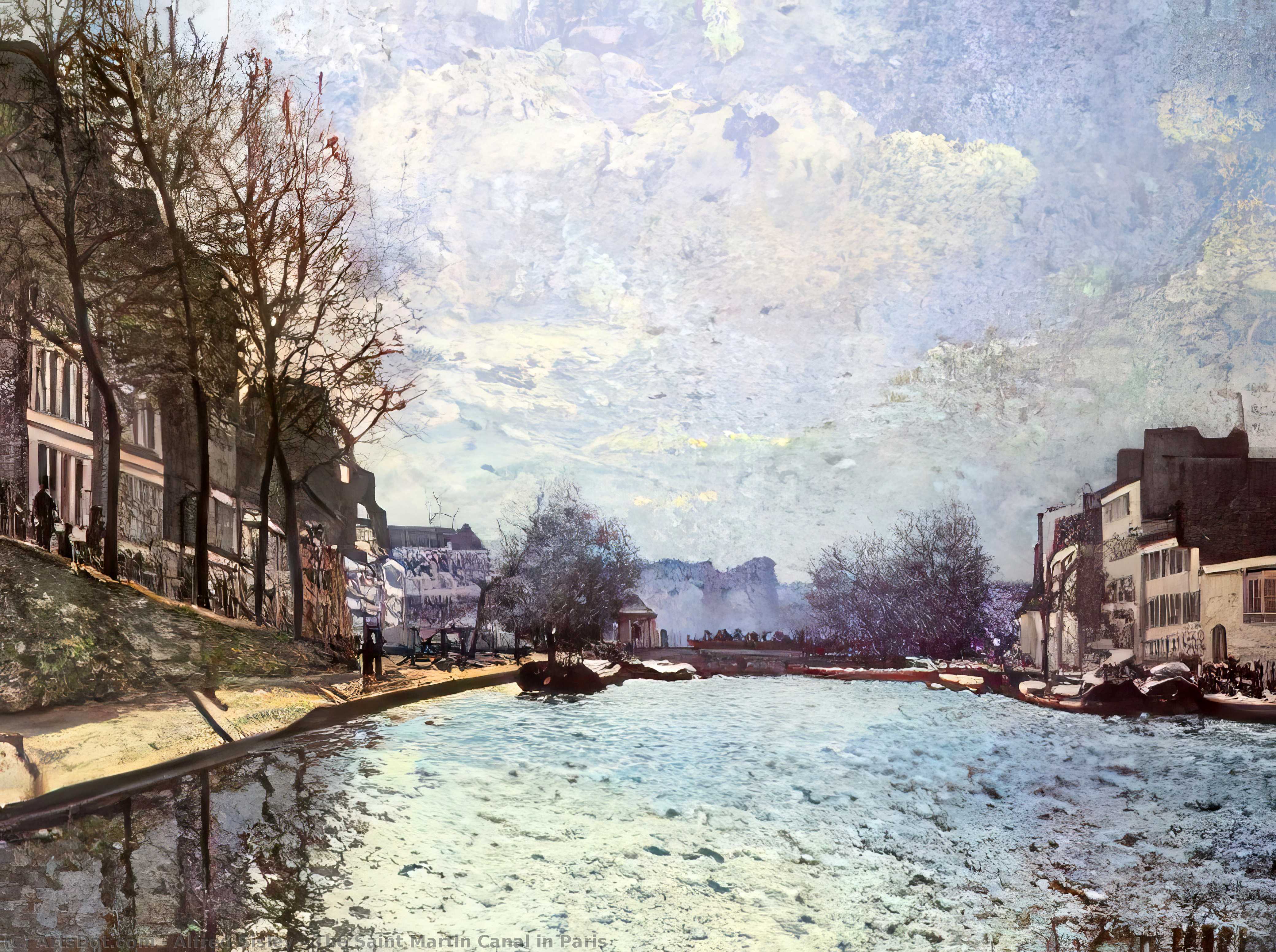
პარიზის წმინდა მარტინის არხი (1870) ავტორის: ალფრედ სისლეი

პარიზის წმინდა მარტინის არხი

1870 · ზეთი ტილოზე

ალფრედ სისლის „პარიზის წმინდა მარტინის არხი“ იმპრესიონისტული მოძრაობის მომხიბვლელი განსახიერებაა, რომელიც უფრო მეტია, ვიდრე უბრალოდ პარიზული წყლის გზის ვიზუალური რეპრეზენტაცია. ეს არის ემოციური გამოცდილება – მე-19 საუკუნის ცხოვრების მშვიდი მომენტი, რომელიც სინათლისა და ატმოსფეროსადმი გასდარგებული არაჩვეულებრივი სენსიტიურობით არის გადმოცემული. ეს ტილო მხოლოდ იმას კი არ გვიჩვენებს, თუ რა *დაინახა* სისლიმ, არამედ მოგვიწოდებს, ვიგრძნოთ, როგორი იყო იქ ყოფნა, არხის გასწვრივ ზამთრის ან ადრეული გაზაფხულის დღის მშვიდობიან სილამაზეში ჩაფლული.

2
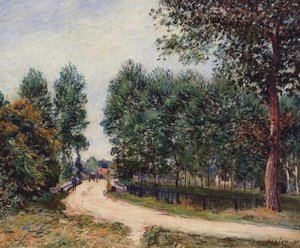
გარემონტის მახლობლად მდებარე გზა (1864) ავტორის: ალფრედ სისლეი

გარემონტის მახლობლად მდებარე გზა

1864 · ზეთი ტილოზე

სამშვიდობო თავშესაფარი ბუნებაში ალფრედ სისლის „გზა გარემონტის მახლობლად“ მაყურებელს მშვიდ სოფლის პეიზაჟში ეპატიჟება, სადაც დახვეული ბილიკი მაღალი ხეების ტყეში იკლაკნება, რასაც რბილი, ოქროსფერი მზის სხივები მოჰყვება. ეს იმპრესიონისტული შედევრი მშვიდი სოფლის ცხოვრების არსს გადმოგვცემს და სიმშვიდისა და ჭვრეტის განცდას აღძვრავს. იმპრესონიზმის ოსტატობა 1864 წელს შესრულებული ეს ნამუშევარი სისლის ერთგულების სიმბოლოა იმპრესიონისტული მოძრაობის მიმართ, რომლის მთავარი მახასიათებელიცა სინათლისა და ატმოსფეროს ასახვაა. ფხვიერი ფუნჯის მონასმები და ცოცხალი ფერల პალიტრა ქმნის დინამიკურ, თუმცა…

3
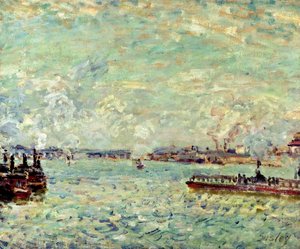
ვილენევ-ლა-გარენიის ხიდი

Bridge at Villeneuve la Garenne (1872) ავტორის: ალფრედ სისლეი

ვილენევ-ლა-გარენიის ხიდი Bridge at Villeneuve la Garenne

1872 · ზეთი ტილოზე · მეტროპოლიტენის ხელოვნების მუზეუმი, ნიუ-იორკი

ალფრედ სისლის "ვილენევ-ლა-გარენის ხიდი" (1872) არის მომხიბლავი, იმპრესიონისტული ტილო, რომელიც დამთვალიერებლებს წყვეტს მდინარეზე არსებულ სიმშვიდებას. ეს შესრულებულია ნატიფი ფერებით და თითქოს გრძნობს ჰაერს, რაც მას ხელმისაწვდომი ხდის ყველა ხელოვნება მოყვარულისთვის. სისლის უნიკალური შეხედვა ბუნებისადმი, რომელიც ხშირად იგნორირებად მიიჩნევა უფრო ცნობილი იმპრესიონისტების ჩრდილში, აქ გამოხატავს თავისივე მახასიათებელს - მშვიდი, ლირიული და ღრმად პირადი. ეს ტილო არის არა მხოლოდ პარიზის შემოგარენიდან ერთი მომენტი, არამედ ადამიანური არსებობის ფευფლისმოწმეა.

4
სენა პუანტ დუ ჟურ-ზე (1878) ავტორის: ალფრედ სისლეი

სენა პუანტ დუ ჟურ-ზე

Alfred Sisley produced The Seine at Point du Jour in 1878. This oil on canvas captures a landscape of the Seine River, focusing on the atmosphere of the French countryside. The title refers to daybreak, a moment of transition in the natural light of the riverbank.

5
მორე-სურ-ლუანჟი (1888) ავტორის: ალფრედ სისლეი

მორე-სურ-ლუანჟი

1888 · ზეთი ტილოზე

"Moret-sur-Loing," painted by Alfred Sisley in 1888, is a captivating example of Impressionist landscape art that invites viewers into a tranquil riverside town bathed in the soft glow of sunset. This exquisite piece showcases Sisley's mastery of light and atmosphere, making it a prized addition for any art enthusiast or collector.

6
სისხლძარღვების გზა ლუვესიენამდე (1875) ავტორის: ალფრედ სისლეი

სისხლძარღვების გზა ლუვესიენამდე

1875 · ზეთი ტილოზე

Alfred Sisley’s “Road to Louveciennes,” painted in 1875, is more than just a landscape; it's an invitation. An invitation to step into a world bathed in the soft light of a French afternoon, where nature reigns supreme and a sense of profound peace permeates every brushstroke. This captivating work exemplifies the heart of Impressionism, capturing not merely what Sisley saw, but how he *felt* while observing the serene countryside near…

7
სეტლის ნაცვლად პორტ მარლის (1876) ავტორის: ალფრედ სისლეი

სეტლის ნაცვლად პორტ მარლის

1876 · ზეთი ტილოზე

ალფრედ სისლის "სunset at Port Marly" (1876) არის იმპრესიონისტული ტილო, რომელიც გვეცждает მშვიდი, სასიგნტო სოფლის ცხოვრებისკენ. ეს შედევრი ხატავს პორტ მარლის პეიზაჟს საღამოსას, როდესაც მზე ნელა ჩადიოდა ჰორიზონტში და მთელს სცენას თბილი, ოქროსფერი შუქით ახვევდა. ნახატი არის სოფლის გზიდან გამომავალი ხედი, რომელიც მშვიდი სოფლისკენ მიგვანიშნავს, სადაც სახლები და ხეები იmergeობენ ერთმანეთში, ქმნიან ჰარმონიულს და მომხიბლავი კომპოზიციას.

8
Moret sur Loing, Morning (1892) ავტორის: ალფრედ სისლეი

Moret sur Loing, Morning

1892 · Oil On Canvas

To gaze upon Alfred Sisley's Moret sur Loing, Morning is to be instantly transported across the veil of time and geography, settling into the gentle rhythm of late nineteenth-century rural life. This masterpiece captures more than just a picturesque view; it encapsulates a profound sense of tranquility that has long captivated the artistic imagination. The scene unfolds along the placid banks of a river, where the architecture of a small…

9
Plum and Walnut Trees in Spring (1889) ავტორის: ალფრედ სისლეი

Plum and Walnut Trees in Spring

1889 · Oil On Canvas

To gaze upon Alfred Sisley’s Plum and Walnut Trees in Spring is to step directly into a breath of vernal air, a moment suspended between the quiet slumber of winter and the vibrant awakening of life. This magnificent oil on canvas, painted in 1889, transcends mere depiction; it is an immersion into the very essence of springtime itself. Sisley, the master chronicler of light and landscape within the Impressionist movement,…

10
The Moret Bridge in the Sunlight (1892) ავტორის: ალფრედ სისლეი

The Moret Bridge in the Sunlight

1892 · Oil On Canvas

To gaze upon The Moret Bridge in the Sunlight is to step directly into a luminous dreamscape from late nineteenth-century France. Alfred Sisley, the master chronicler of light and landscape, has gifted us more than just a painting; he has preserved a fleeting moment—the perfect confluence of architecture, flowing water, and ethereal sunlight. This oil on canvas, dating from 1892, embodies the very spirit of Impressionism. The scene unfolds around…

ალფრედ სისლეი-ის ცნობილი ნამუშევრები, 11-დან 100-მდე ნომრებით

11By the Loing (1885) ავტორის: ალფრედ სისლეიBy the Loing1885 12Road Along the Seine at Saint Mammes (1880) ავტორის: ალფრედ სისლეიRoad Along the Seine at Saint Mammes1880 · დალასის ხელოვნების მუზეუმი 13Banks of the Loing at Saint Mammes (1885) ავტორის: ალფრედ სისლეიBanks of the Loing at Saint Mammes1885 14Promenade of Chestnut Trees (1878) ავტორის: ალფრედ სისლეიPromenade of Chestnut Trees1878 15Flood at Port-Marly, Musee des Beaux - (1876) ავტორის: ალფრედ სისლეიFlood at Port-Marly, Musee des Beaux -1876 16Path along the Loing Canal (1891) ავტორის: ალფრედ სისლეიPath along the Loing Canal1891 17Riverbank at Veneux (1881) ავტორის: ალფრედ სისლეიRiverbank at Veneux1881 · ჯოჰანესბურგის სახელოვნების გალერეა 18Walnut Trees, Sunset Early Days of October (1882) ავტორის: ალფრედ სისლეიWalnut Trees, Sunset Early Days of October1882 19Boulevard Heloise, Argenteuil (1872) ავტორის: ალფრედ სისლეიBoulevard Heloise, Argenteuil1872 · National Gallery of Art 20Orchard in spring (1881) ავტორის: ალფრედ სისლეიOrchard in spring1881 · Museum Boijmans Van Beuningen 21Horses being Watered at Marly le Roi (1875) ავტორის: ალფრედ სისლეიHorses being Watered at Marly le Roi1875 22Spring at Moret on the Loing River ავტორის: ალფრედ სისლეიSpring at Moret on the Loing River 23The Slopes of Bougival (1875) ავტორის: ალფრედ სისლეიThe Slopes of Bougival1875 · კანადის ეროვნული გალერეა 24The lane of the Machine (1873) ავტორის: ალფრედ სისლეიThe lane of the Machine1873 25The Seine at Bougival (1873) ავტორის: ალფრედ სისლეიThe Seine at Bougival1873 26Summer at Bougival (1876) ავტორის: ალფრედ სისლეიSummer at Bougival1876 · E.G. Bührle-ს კოლექციის ფონდი 27View of Moret (1880) ავტორის: ალფრედ სისლეიView of Moret1880 28Banks of the Seine (1879) ავტორის: ალფრედ სისლეიBanks of the Seine1879 · Musée d'Orsay 29Bridge at Serves (1877) ავტორის: ალფრედ სისლეიBridge at Serves1877 · ნაციონალური გალერეა 30Church of Moret (1893) ავტორის: ალფრედ სისლეიChurch of Moret1893 31The Rising Path (1875) ავტორის: ალფრედ სისლეიThe Rising Path1875 32Molesey Weir, Hampton Court (1874) ავტორის: ალფრედ სისლეიMolesey Weir, Hampton Court1874 · შოტლანდიის ეროვნული გალერეა 33Road under Snow, Louveciennes (1876) ავტორის: ალფრედ სისლეიRoad under Snow, Louveciennes1876 34Banks of the Loing at Moret (1892) ავტორის: ალფრედ სისლეიBanks of the Loing at Moret1892 35Road from Versailles to Saint Germain (1875) ავტორის: ალფრედ სისლეიRoad from Versailles to Saint Germain1875 · ჟან პოლ გეტის მუზეუმი 36Snow at Louveciennes (1874) ავტორის: ალფრედ სისლეიSnow at Louveciennes1874 · Museum Barberini 37Garden in Louveciennes in the Snow (1874) ავტორის: ალფრედ სისლეიGarden in Louveciennes in the Snow1874 38The Loing at Saint-Mammes (1884) ავტორის: ალფრედ სისლეიThe Loing at Saint-Mammes1884 39Moret-Sur-Loing (1892) ავტორის: ალფრედ სისლეიMoret-Sur-Loing1892 40The Hills of La Bouille (1894) ავტორის: ალფრედ სისლეიThe Hills of La Bouille1894 41Street Entering the Village (1880) ავტორის: ალფრედ სისლეიStreet Entering the Village1880 42The Moret Bridge at Sunset (1892) ავტორის: ალფრედ სისლეიThe Moret Bridge at Sunset1892 43The Church at Moret, Afternoon (1894) ავტორის: ალფრედ სისლეიThe Church at Moret, Afternoon1894 44View in Moret (Rue de Fosses) (1892) ავტორის: ალფრედ სისლეიView in Moret (Rue de Fosses)1892 · უელსის ეროვნული გალერეა 45The Seine at Grenelle (1878) ავტორის: ალფრედ სისლეიThe Seine at Grenelle1878 46Bridge at Villeneuve-la-Garenne (1872) ავტორის: ალფრედ სისლეიBridge at Villeneuve-la-Garenne1872 · მეტროპოლიტენის ხელოვნების მუზეუმი 47The Island of La Grande Jatte (1873) ავტორის: ალფრედ სისლეიThe Island of La Grande Jatte1873 · Musée d'Orsay 48Street in Ville d Avray (1873) ავტორის: ალფრედ სისლეიStreet in Ville d Avray1873 49Orchard (1885) ავტორის: ალფრედ სისლეიOrchard1885 50Le Pont de Sevres (1879) ავტორის: ალფრედ სისლეიLe Pont de Sevres1879 51The Barge Port and Saint Mammes (1884) ავტორის: ალფრედ სისლეიThe Barge Port and Saint Mammes1884 · High Museum of Art 52Bridge over the Orvanne near Moret (1883) ავტორის: ალფრედ სისლეიBridge over the Orvanne near Moret1883 53Banks of the Loing, Winter (1896) ავტორის: ალფრედ სისლეიBanks of the Loing, Winter1896 · ჩიკაგოს ხელოვნების ინსტიტუტი 54Landscape (1886) ავტორის: ალფრედ სისლეიLandscape1886 55Haystacks at Moret Morning Light (1890) ავტორის: ალფრედ სისლეიHaystacks at Moret Morning Light1890 · National Gallery of Victoria 56Boats on the Loing River (1895) ავტორის: ალფრედ სისლეიBoats on the Loing River1895 57Haystacks (1895) ავტორის: ალფრედ სისლეიHaystacks1895 58Lady s Cove (1897) ავტორის: ალფრედ სისლეიLady s Cove1897 59Street in Moret(Porte de Bourgogne from across the Bridge) (1888) ავტორის: ალფრედ სისლეიStreet in Moret(Porte de Bourgogne from across the Bridge)1888 · ჩიკაგოს ხელოვნების ინსტიტუტი 60Chestnut Tree at Saint Mammes (1880) ავტორის: ალფრედ სისლეიChestnut Tree at Saint Mammes1880 61The Loing at High Water (1889) ავტორის: ალფრედ სისლეიThe Loing at High Water1889 62Washerwomen of Bougival (1875) ავტორის: ალფრედ სისლეიWasherwomen of Bougival1875 · Kunsthaus Zürich 63Bridge at Villeneuve la Garenne (1872) ავტორის: ალფრედ სისლეიBridge at Villeneuve la Garenne1872 64Snow in Marly-le-Roi (1875) ავტორის: ალფრედ სისლეიSnow in Marly-le-Roi1875 · Musée d'Orsay 65Snow at Louveciennes (1874) ავტორის: ალფრედ სისლეიSnow at Louveciennes1874 · The Phillips Collection 66Under the snow: farmyard in Marly-le-Roi (1876) ავტორის: ალფრედ სისლეიUnder the snow: farmyard in Marly-le-Roi1876 · Musée d'Orsay 67Moret, Banks of the Loing (1892) ავტორის: ალფრედ სისლეიMoret, Banks of the Loing1892 · Musée d'Orsay 68Loing Canal at Saint Mammes (1885) ავტორის: ალფრედ სისლეიLoing Canal at Saint Mammes1885 69Road from Saint Germain to Marly (1875) ავტორის: ალფრედ სისლეიRoad from Saint Germain to Marly1875 · E.G. Bührle-ს კოლექციის ფონდი 70Construction Site at Saint Mammes (1880) ავტორის: ალფრედ სისლეიConstruction Site at Saint Mammes1880 71The St. Martin Canal ავტორის: ალფრედ სისლეიThe St. Martin Canal 72The Seine at Argenteuil Sun ავტორის: ალფრედ სისლეიThe Seine at Argenteuil Sun 73Snow at Louveciennes 2 ავტორის: ალფრედ სისლეიSnow at Louveciennes 2 74Grapes And Walnuts On A Table ავტორის: ალფრედ სისლეიGrapes And Walnuts On A Tableბოსტონის fine arts-ის მუზეუმი 75Goose Girl (1895) ავტორის: ალფრედ სისლეიGoose Girl1895 76Banks of the Loing, Autumn (1880) ავტორის: ალფრედ სისლეიBanks of the Loing, Autumn1880 77Saint Mammes Dam (1885) ავტორის: ალფრედ სისლეიSaint Mammes Dam1885 78The Church at Moret in Morning Sun (1893) ავტორის: ალფრედ სისლეიThe Church at Moret in Morning Sun1893 · ვინტერშურის ხელოვნების მუზეუმის შენობა 79The Loing at Moret in Summer (1891) ავტორის: ალფრედ სისლეიThe Loing at Moret in Summer1891 80A Cardiff Shipping Lane (1897) ავტორის: ალფრედ სისლეიA Cardiff Shipping Lane1897 · Musée des Beaux-Arts 81The Bridge at Moret at Sunset (1892) ავტორის: ალფრედ სისლეიThe Bridge at Moret at Sunset1892 82Rainy spring near Paris (1879) ავტორის: ალფრედ სისლეიRainy spring near Paris1879 · Musée d'Orsay 83Bougival (1876) ავტორის: ალფრედ სისლეიBougival1876 · Cincinnati Art Museum 84The Road from Versailles to Louveciennes (1879) ავტორის: ალფრედ სისლეიThe Road from Versailles to Louveciennes1879 · მეტროპოლიტენის ხელოვნების მუზეუმი 85The straw Rent (1888) ავტორის: ალფრედ სისლეიThe straw Rent1888 86Autumn Landscape, Louveciennnes (1875) ავტორის: ალფრედ სისლეიAutumn Landscape, Louveciennnes1875 87Spring in Bougival (1873) ავტორის: ალფრედ სისლეიSpring in Bougival1873 · ფილადელფიის ხელოვნების მუზეუმი 88Sunrise at Saint Mammes (1880) ავტორის: ალფრედ სისლეიSunrise at Saint Mammes1880 89Walnut Tree in a Thomery Field (1880) ავტორის: ალფრედ სისლეიWalnut Tree in a Thomery Field1880 90The Path from Saint Mammes, Morning (1890) ავტორის: ალფრედ სისლეიThe Path from Saint Mammes, Morning1890 91Village on the Banks of the Seine (aka Villeneuve-la-Garenne) ავტორის: ალფრედ სისლეიVillage on the Banks of the Seine (aka Villeneuve-la-Garenne) 92Garden Path in Louveciennes (Chemin de l'Etarche) ავტორის: ალფრედ სისლეიGarden Path in Louveciennes (Chemin de l'Etarche) 93Flood at Pont-Marley ავტორის: ალფრედ სისლეიFlood at Pont-Marley 94Street in Louveciennes, Sunlight (1878) ავტორის: ალფრედ სისლეიStreet in Louveciennes, Sunlight1878 · Musée d'Orsay 95The Forest at Boulogne (1880) ავტორის: ალფრედ სისლეიThe Forest at Boulogne1880 96Landscape, fields of Veneux-Nadon (1900) ავტორის: ალფრედ სისლეიLandscape, fields of Veneux-Nadon1900 · Musée d'Orsay 97The Loing Canal at Saint Mammes (1884) ავტორის: ალფრედ სისლეიThe Loing Canal at Saint Mammes1884 98On the Cliffs, Langland Bay, Wales (1897) ავტორის: ალფრედ სისლეიOn the Cliffs, Langland Bay, Wales1897 99The Edge of the Forest in Spring (1885) ავტორის: ალფრედ სისლეიThe Edge of the Forest in Spring1885 · Musée d'Orsay 100The Route to Mantes (1874) ავტორის: ალფრედ სისლეიThe Route to Mantes1874 · ლუვრი

ალფრედ სისლეი-ის ცნობილი სურათები, პერიოდების მიხედვით

სუბიექტები, რომლებმაც ალფრედ სისლეი-ის ყურადღება მიიპყრო

ამ ორიგინალებში ყველაზე ხშირად განმეორებადი არის 네 თემა, რომელთაგან თითოეულს თავისი საუკეთესო ნიმუში წარმოგვიდგება.

მუზეუმები, სადაც ალფრედ სისლეი-ის ორიგინალები ინახება

ამ გვერდზე წარმოდგენილი მხატვრობის შედეგების უმეტესობას 8 მუზეუმი ინახავს.

მუზეუმი ქალაქი ალფრედ სისლეი შემოქმედებაలు ამ სიიდან მოპოვებული ნახატები
Musée d'Orsay, პარიზიMusée d'Orsay პარიზი 42 Banks of the Seine, The Island of La Grande Jatte, Snow in Marly-le-Roi
მეტროპოლიტენის ხელოვნების მუზეუმი, ნიუ-იორკიმეტროპოლიტენის ხელოვნების მუზეუმი ნიუ-იორკი 9 ვილენევ-ლა-გარენიის ხიდი Bridge at Villeneuve la Garenne, Bridge at Villeneuve-la-Garenne, The Road from Versailles to Louveciennes
ჩიკაგოს ხელოვნების ინსტიტუტი, ჩიკაგოჩიკაგოს ხელოვნების ინსტიტუტი ჩიკაგო 7 Banks of the Loing, Winter, Street in Moret(Porte de Bourgogne from across the Bridge)
E.G. Bührle-ს კოლექციის ფონდი, ციურიხიE.G. Bührle-ს კოლექციის ფონდი ციურიხი 4 Summer at Bougival, Road from Saint Germain to Marly
Museum Barberini, პოტსდამიMuseum Barberini პოტსდამი 12 Snow at Louveciennes
National Gallery of Art, ვაშინგტონიNational Gallery of Art ვაშინგტონი 7 Boulevard Heloise, Argenteuil
ბოსტონის fine arts-ის მუზეუმი, ბოსტონიბოსტონის fine arts-ის მუზეუმი ბოსტონი 7 Grapes And Walnuts On A Table
ფილადელფიის ხელოვნების მუზეუმი, ფილადელფიაფილადელფიის ხელოვნების მუზეუმი ფილადელფია 7 Spring in Bougival

ალფრედ სისლეი ათწლეულების განმავლობაში: თითოეულ დეკადესთვის ერთი უნიკალური ორიგინალი

ნამუშევრები ათწლეულების მიხედვით

შეარჩიეთ ათწლეული, რათა ნახოთ ის ორიგინალი ნამუშევარი, რომელიც მას განსაზღვრავს.

ალფრედ სისლეი-ის ნახატები: კითხვები გალერეისთვის

რა არის ალფრედ სისლეი-ის ყველაზე ცნობილი ნამუშწარებიდან ერთერთი?გაამჟღავნეთ პასუხი

პარიზის წმინდა მარტინის არხი (1870). შემდეგ მოდიან გარემონტის მახლობლად მდებარე გზა (1864) და ვილენევ-ლა-გარენიის ხიდი Bridge at Villeneuve la Garenne (1872).

რა ასაკში შექმნა ალფრედ სისლეი-მა პარიზის წმინდა მარტინის არხი?გაამჟღავნეთ პასუხი

31 წლის: პარიზის წმინდა მარტინის არხი შექმნილია 1870 წელს, ხოლო ალფრედ სისლეი დაიბადა 1839 წელს.

ალფრედ სისლეი-ის რომელი 열ათმე ნახატია ყველაზე ცნობილი?გაამჟღავნეთ პასუხი

პარიზის წმინდა მარტინის არხი, გარემონტის მახლობლად მდებარე გზა, ვილენევ-ლა-გარენიის ხიდი Bridge at Villeneuve la Garenne, სენა პუანტ დუ ჟურ-ზე, მორე-სურ-ლუანჟი, სისხლძარღვების გზა ლუვესიენამდე, სეტლის ნაცვლად პორტ მარლის, Moret sur Loing, Morning, Plum and Walnut Trees in Spring და The Moret Bridge in the Sunlight. ზემოთ მოცემული რეიტინგი ასახავს თითოეულის შემოქმედების წელსა და მუზეუმს.

რამდენი ნამუშწარებია ცნობილი ალფრედ სისლეი-ის შემოქმედებიდან?გაამჟღავნეთ პასუხი

ჩვენს კატალოგში წარმოდგენილია 767 ნამუშწევრი ალფრედ სისლეი-ისგან, დათარიღებული 1864-დან 1897-მდე.

სად შეიძლება ყველაზე ცნობილი ალფრედ სისლეი-ის ორიგინალების ნახვა?გაამჟღავნეთ პასუხი

ძირითადად Musée d'Orsay (პარიზი), მეტროპოლიტენის ხელოვნების მუზეუმი (ნიუ-იორკი) და ჩიკაგოს ხელოვნების ინსტიტუტი (ჩიკაგო)-ში. ზემოთ მოცემულ მუზეუმების ცხრილში ისინი ყველა listed.

რა პერიოდში შექმნა ალფრედ სისლეი-მა ყველაზე ცნობილი სურათები?გაამჟღავნეთ პასუხი

1870s-ში: ამ გვერდზე წარმოდგენილი 100 ნამუშწარwerksიდან 39 შეიქმნა მაშინ, მათგან პარიზის წმინდა მარტინის არხი.

რომელი ცნობილი ალფრედ სისლეი ტილოა ყველაზე ადრეული და რომელი — ყველაზე გვიანდელი?გაამჟღავნეთ პასუხი

ამ გვერდზე ყველაზე ადრეული არის გარემონტის მახლობლად მდებარე გზა (1864), ხოლო ყველაზე გვიანდელი — Lady s Cove (1897).

რა თემებს ანიჭებდა უპირატესობას ალფრედ სისლეი?გაამჟღავნეთ პასუხი

Trees (32), Sky (25) და River (21), ამ გვერდზე წარმოდგენილ 100 ნამუშწარეს შორის.

რა მასალებით ხატავდა ყველაზე ხშირად ალფრედ სისლეი?გაამჟღავნეთ პასუხი

Oil On Canvas, ამ გვერდზე არსებული 100 ნამუშწაროსგან 89 ცალიდან.

ალფრედ სისლეი-ის შემოქმედება რომელ მიმდინარეობას მიეკუთვნება?გაამჟღავნეთ პასუხი

Impressionist landscape, ამ გვერდზე წარმოდგენილი ორიგინალების მიხედვით.

რა ალფრედ სისლეი-ის ორიგინალების ნახვა შემიძლია Musée d'Orsay-ში?გაამჟღავნეთ პასუხი

Banks of the Seine, The Island of La Grande Jatte და Snow in Marly-le-Roi: Musée d'Orsay, პარიზი-ში წარმოდგენილია ამ გვერდზე მოცემული ნამუშევრების 9 ცალი.

ალფრედ სისლეი: მხატვრის პორტრეტი

Early Life, Family and Training

Alfred Sisley was born in Paris on October 30, 1839. His upbringing was shaped by the intersection of two cultures, as his parents, William Sisley and Felicia Sell, were British expatriates living in France. His father worked as a merchant of imported luxury goods, providing a comfortable, bourgeois environment for the young boy. This background meant that Alfred grew up navigating a bilingual world, becoming equally comfortable in French and English.

The path laid out for him was not originally one of brushes and canvas. His father had intended for him to follow the family business, and at age eighteen, Alfred traveled to London to prepare for a life in commerce. However, the pull of the visual arts proved stronger than the demands of trade. He eventually returned to Paris in 1861 to begin formal training, seeking a way to turn his interest into a profession.

He entered the studio of the Swiss artist Marc-Charles-Gabriel Gleyre at the École des Beaux-Arts. In this academic setting, he began to develop the technical foundation that would support his later explorations of nature. It was during these formative years in Paris that he began to move away from the rigid structures of traditional instruction toward a more direct observation of the world around him.

The Impressionist Circle in Paris

In the studios of Paris, Alfred Sisley found a community of like-minded rebels. He studied under the Swiss artist Marc-Charles-Gabriel Gleyre at the École des Beaux-Arts, an environment where he formed deep, lasting friendships with Claude Monet, Pierre-Auguste Renoir, and Frédéric Bazille. These four young men shared a common goal: to move away from the rigid, formal rules of academic painting. They preferred to take their canvases outdoors, seeking to capture the immediate, changing qualities of light and atmosphere directly from the natural world.

This shared rebellion eventually led them to challenge the established art world. The official Salon of the Académie de Beaux-Arts, the gatekeeper of artistic legitimacy at the time, refused to invite their work. To the society of the era, their approach was too new and too different to be recognized as real art. Rather than waiting for approval from the traditional institutions, the group took matters into their own hands. In April 1874, they organized and participated in the First Impressionist Exhibition, a bold move that helped define a new movement.

A Life Dedicated to Landscape Painting

While many of his contemporaries drifted between different genres, Sisley’s focus remained remarkably singular. His entire body of work consists almost exclusively of landscapes. He sought to capture the natural world through a steadfast commitment to en plein air painting, often working outdoors to catch the shifting light as it happened. This devotion to the immediate, lived experience of nature made him perhaps the most consistent of the Impressionists in his method.

His life was deeply rooted in the French countryside, even though he held British citizenship. He moved through various landscapes, finding inspiration in the quiet corners of France. His path took him through Paris and Louveciennes, and he spent significant time in Marly-le-Roi, Sèvres, Veneux-les-Sablons, and Moret-sur-Loing. These locations provided the steady backdrop for a career spent observing the subtle changes in the sky and the water.

This constant presence in the landscape allowed him to develop a deep familiarity with the terrain he painted. He did not look for grand or dramatic scenes, but rather for the quiet reality of the places where he lived and worked. His work reflects a life spent in quiet observation of the earth and the atmosphere above it.

Painting the English Coast and Thames

Though his life was largely rooted in France, Sisley felt a pull toward the landscapes of Britain, visiting the country on three separate occasions. In 1874, he traveled to London accompanied by his patron, Jean-Baptiste Faure. During this trip, he found a quiet subject in the non-tidal stretches of the Thames. Around Hampton Court Bridge, near East Molesey, he produced twenty paintings that captured the river's specific light and movement. These works reflect a period of focused observation, away from the familiar French riverbanks.

His connection to the British landscape was not always easy. In 1881, he had planned to paint the Isle of Wight, but the trip ended in frustration when his essential materials and canvases were never delivered. This setback prevented him from fully exploring the coastal light he had sought. Later, in the summer of 1897, he made a final trip to Wales alongside his wife, Eugénie. These excursions allowed him to encounter different atmospheres and light qualities than those found in the Seine valley.

The Serenity of Moret-sur-Loing

Moret-sur-Loing became a central part of Sisley's life, a place where he spent many years finding his footing. He felt a deep connection to the town, noting that his art developed most while he was surrounded by its dense nature and the shifting waters of the Loing. The river was a constant presence in his work, offering a quiet subject that allowed him to study the way light moved across the surface of the water.

He spent much of his time capturing the local landscape, often focusing on the canals and bridges that defined the town's character. These scenes were not about grand drama, but about the stillness of a specific place. He sought to record the way the sky met the water and how the structures of the town sat within the greenery. His time in Moret-sur-Loing was a long period of observation that lasted until his death there on January 29, 1899, at the age of fifty-nine.

Technique and Artistic Style

Sisley’s approach to the canvas was rooted in a quiet, steady observation of the natural world. He did not seek out the dramatic or the loud; instead, his work focused on a subtle rendering of light and a sense of profound tranquility. To achieve this, he often began his paintings by working on the sky first. By establishing the heavens before the earth, he could better capture the specific mood of a moment and ensure the light felt integrated into the entire scene. This method allowed him to master the way light interacts with the surface of water and the vastness of the sky, creating a sense of atmosphere that felt lived-in rather than staged.

His palette was never aggressive. He preferred a delicate range of colors, often washing his landscapes in pale shades of green, pink, and purple. You will frequently see dusty blue and cream tones used to suggest the soft haze of a morning or the gentle reflection of a river. He applied paint with a diverse touch, varying his brushwork to handle the interplay of light and shadow. This technique helped him move beyond simple representation, allowing him to portray the way light shifts across a landscape as the day progresses.

Key Works and Notable Subjects

Sisley found his purpose in the quiet movement of the natural world. He looked toward rivers, canals, and the sea, often finding a specific kind of peace in the way light interacted with water. He was just as comfortable painting the heavy, white stillness of snow as he was the shifting currents of a river. His focus remained on these elements, seeking to capture how a landscape felt in a single, passing moment.

In 1870, he produced The Saint Martin Canal in Paris, a work that reflects his early interest in the waterways of the city. As his career progressed, he became deeply attached to the rhythms of the French countryside. This connection is felt in A February Morning at Moret sur Loing, painted in 1881, where the atmosphere of a winter morning is rendered through soft, layered tones. He also turned his attention to the more dramatic shifts in nature, such as the flooding of the Seine at Port-Marly in 1875, which he documented through a series of paintings.

Legacy and Enduring Influence

Alfred Sisley’s place in art history is marked by a quiet, steady persistence. While many of his contemporaries sought fame or social change through their canvases, he remained focused on the subtle shifts of the sky and the movement of water. He acted as a vital link between the Barbizon school, with its grounded realism, and the full flowering of Impressionism. This connection helped bridge the gap between traditional landscape painting and the new, experimental ways of seeing the world.

His recognition did not arrive during his lifetime. While he labored through financial hardship and often worked in relative obscurity, the value of his work changed significantly after he passed away. The prices of his canvases skyrocketed, finally granting the financial security that had eluded him while he was alive. Today, his paintings continue to draw people who find something profound in his ability to reveal the extraordinary within the ordinary. He showed that a simple riverbank or a cloudy morning held enough depth to sustain a lifetime of study.

The influence of his approach can be seen in the work of later landscape painters. These artists looked to his method for capturing the ephemeral qualities of light and the way atmosphere changes a scene. His dedication to painting en plein air helped establish a standard for how artists engage directly with the natural world. His legacy is found in that specific, delicate way of recording a moment before the light shifts and the scene is gone.

Where to See the Works Today

To experience the quiet light of Sisley’s landscapes in person, one must travel to several major institutions across Europe and North America. In Paris, his presence is felt strongly within the Musée d'Orsay, which holds a significant number of his canvases. The Louvre also maintains works from his collection, ensuring his vision remains part of the city's deep artistic history. For those visiting the United Kingdom, the National Gallery in London offers a chance to see his hand, while the National Gallery of Wales provides further insight into his dedication to the natural world.

His reach extends far beyond the borders of France, with many of his paintings finding homes in prominent American collections. The Art Institute of Chicago and the Metropolitan Museum of Art in New York both hold his work, allowing viewers to encounter his subtle color palettes in different settings. In the United States, the Nelson-Atkins Museum of Art in Kansas City also preserves his paintings, making his serene river scenes accessible to a wide audience across the Atlantic.