ალბრეხტ დიურერი პორტრეტი

100 ყველაზე ცნობილი ალბრეხტ დიურერი-ის ნახატი, გალერეის შერჩეული კოლექცია

განახლდა ნოემბერი 2026 · დალაგებულია ჩვენი პოპულარობის ქულების მიხედვით (ძიება, ნახვა და შეკვეთები თითოეული ნამუშწაროსთვის) · 1 220 ნამუშევარი ალბრეხტ დიურერი ჩვენს კატალოგში

მოკლედ რომ ვთქვათ

ალბრეხტ დიურერი-ის ყველა დატოვებული ორიგინალიდან ყველაზე ცნობილი ჩანაცვლება, სიკვდილი და ე setan (1513) არის. მისდაក្រោយ ახალგაზრდა მელა (1502) და 22 წლის ასაკის αυτοპორტრეტი (1493) მოდიან. ჩვენს კატალოგში ალბრეხტ დიურერი-ის 1,220 ნამუშწარებია; გალერეამ შეინافظა ის 100 ნამუშწარო, რომლებსაც მსოფლიო ყველაზე მეტად აღიარებს, რომელთაგან თითოეული წარმოდგენილია თვის, მუზეუმისა და ისტორიის თანხლებით.

1471 – 1528, ნიურნბერგი Ჩრდილოური რენესანსი ყველაზე მეტი ნამشევრი: მეტროპოლიტენის ხელოვნების მუზეუმი

ალბრეხტ დიურერი-ის 10 საუკეთესო ნამუშgeryო: გალერეის არჩევანი

1
ჩანაცვლება, სიკვდილი და ე setan (1513) ავტორის: ალბრეხტ დიურერი

ჩანაცვლება, სიკვდილი და ე setan

1513 · გრავირება

The artwork is a monochromatic engraving depicting a scene of confrontation between three primary figures. A central knight, clad in armor and riding a horse, moves through a landscape. He is accompanied by a dog running between the horses. To the left, a skeletal figure representing Death rides a pale horse and holds an hourglass. On the right, a goat-headed devil skulks among tree roots. The landscape features a rocky,…

2
ახალგაზრდა მელა (1502) ავტორის: ალბრეხტ დიურერი

ახალგაზრდა მელა

1502 · აკვარელი · ალბერტინა, ვენა

ალბრეხტ დიურერის "ახალგაზრდა კურდღელი" (Feldhase) 1502 წლის აკვარელის შედევრია, რომელიც ჩრდილოეთის რენესანსის პერიოდში შეიქმნა და დღეისთვის ალბერტინას მუზეუმში, ვენაში ინახება. ეს ნაწარმოები 단순ად ცხოველური გამოსახულებისგან πολύ περισσότεრია; ეს არის ბუნების სიღრმისეული შესწავლება და მხატვრის უსაზღვრო ნიჭის 증거. დიურერი, თავისი ფოტოგრაფიული სიზუსტით და დეტალებზე ყურადღებით, შექმნა კურდღელის გამოსახულება, რომელიც არა მხოლოდ მის ფიზიკურ თავსებადობას ასახავს, არამედ მის მშვიდი გაფრთხილებასა და მომენტოებსაც. ეს ნაწარმოები არის დიუერის უმაღლესი მიღწევა, რომელიც აჩვენებს მისი დაკვირვების…

3
22 წლის ასაკის αυτοპორტრეტი (1493) ავტორის: ალბრეხტ დიურერი

22 წლის ასაკის αυτοპორტრეტი

1493 · ზეთი ტილოზე · ლუვრი, პარიზი

აღმოაჩინეთ ალბრეხტ დიურერის შედევრის მარადიული ელეგანტურობა ახალგაზრდობისა და თვითრეფლექსიის პორტრეტი ალბრეხტ დიურერის „ავტოპორტრეტი 22 წლის ასაკში“ ახალგაზრდა მამაკაცის მომხიბვლელი გამოსახულებაა, რომელიც სავსეა სიმტკიცითა და თვითრეფლექსიით. სუბიექტი, რომელიც, სავარაუდოდ, თავად დიურერია, ხელში სკრატს (ეკლიან მცენარეს) ატარებს, რაც კომპოზიციას სიმბოლურ სიღრმეს სძენს. ეს ადრეული ავტოპორტრეტი საშუალებას გვაძლევს, თვალი შევავლოთ ხელოვანის მზარდ ნიჭსა და მის უნარს, დეტალების მეშვეობით რთული ემოციები გადმოგვცეს. ჩრდილოეთ რენესანსის რეალიზმი ეს ნამუშევარი, რომელიც 1493 წელს შეიქმნა, ჩრდილოეთ რენესანსის სტილის…

4
ავტოპორტრეტი (1498) ავტორის: ალბრეხტ დიურერი

ავტოპორტრეტი

1498 · ზეთი პანელზე · პრადოს მუზეუმი, მადრიდი

The Self-Portrait by Albrecht Dürer is a significant work of the Northern Renaissance, executed in 1498. In this painting, the artist presents his own likeness, capturing a moment of profound psychological depth. It is a work that reflects the shifting artistic landscape of the late fifteenth century, moving toward a more honest and detailed portrayal of the individual.

6
ავტოპორტრეტი 22 წლისას, 1493, ლუვრი ავტორის: ალბრეხტ დიურერი

ავტოპორტრეტი 22 წლისას, 1493, ლუვრი

A Glimpse into Artistic Maturity: Dürer’s Self-Portrait at 22 This striking self-portrait, created in 1500 by the masterful Albrecht Dürer, is far more than a simple likeness; it's a bold statement of artistic identity and a pivotal work within the Northern Renaissance. Painted when he was just twenty-eight years old (though misdated as 1493), this piece resides in the Louvre Museum and showcases Dürer’s remarkable skill and evolving style. He…

7
სამების თაყვანისცემა (ლანდაუერის ალტარი) (1511) ავტორის: ალბრეხტ დიურერი

სამების თაყვანისცემა (ლანდაუერის ალტარი)

1511 · ზეთი პანელზე · კუნსტისტორიშეს მუზეუმი, ვენა

The Adoration of the Trinity (Landauer Altar) emerges from the brush of Albrecht Dürer, a presence that commands the viewer's attention through its sheer scale and spiritual weight. Created in 1511, this monumental work captures a moment of celestial convergence. It exists as a profound visual hymn, where the divine and the earthly meet in a single, unified act of reverence. The air seems to thicken with the weight of…

8
ახალგაზრდა ვენეციელი ქალის გამოსახულება (1507) ავტორის: ალბრეხტ დიურერი

ახალგაზრდა ვენეციელი ქალის გამოსახულება

1507 · ზეთი პანელზე · კუნსტისტორიშეს მუზეუმი, ვენა

ალბრეხტ დიურერის "ახალგაზრდული ვენეციელი ქალის გამოსახულება" (დაახლოებით 1505 წელი) არის რენესანსის ეპოქის შესანიშნავი ნატეხი, რომელიც გვიმყარებს ხედვას იმ პერიოდის ვენეციური საზოგადოების ელეგანტსა და სილამაზეზე. ეს ტილო, რომელსაც კუნსთისტორიული მუზეუმის კოლექცია განაგებს ვენაში, წარმოადგენს დიურერის მხატვრული ნიჭვის გამომხატველებასა და იტალიური ხელოვნებისადმი მის აღფრთოვანებას. დიურერმა ეს პორტრეტი შექმნა თავისი მეორე ვიზიტის დროს იტალიაში, რაც მისი შემოქმედებითი განვითარებისთვის გადამწყვეტი მომენტი იყო.

9
ალბრეხტ დურერი

ცხოვრება ნურემბერგში: ადრეული წლები და სტაჟიორობა
ალბრეხტ დურერი, რომლის სახელიც გერმანულ რენესანსთან არის სინონიმად, 1471 წელს დაიბადა თოში მცხოვრებ ქალაქ ნურემბერგში. მისი მამა, ალბრეხტ დურერი უფროსი, იყო წარმატებული ოქრომჭედელი, რომელიც (1506) ავტორის: ალბრეხტ დიურერი

ალბრეხტ დურერი ცხოვრება ნურემბერგში: ადრეული წლები და სტაჟიორობა ალბრეხტ დურერი, რომლის სახელიც გერმანულ რენესანსთან არის სინონიმად, 1471 წელს დაიბადა თოში მცხოვრებ ქალაქ ნურემბერგში. მისი მამა, ალბრეხტ დურერი უფროსი, იყო წარმატებული ოქრომჭედელი, რომელიც

1506 · ზეთი პანელზე · თისენ-ბორნემიმზას მუზეუმი, მადრიდი

ალბერტ დიურერის 1506 წლის შედევრება, "ქრისტე მოძღვართა შორის", არ არის მხოლოდ სახვით ხელოვნების ნაწარმოვი. ეს არის ფილოსოფიური დისკუსია, რომელიც ხატად ირიცხება, რელიგიური ჩანაწერის ღრმა ანალიზი და ადამიანის გონების უნარის სიმბოლო. სურათზე გამოსახულია თორმეტი წლის იესო, რომელიც ტაძრის მოძღვართა შორის დგას, საკითხავად და საკითხავს. ეს სცენა ევანგელიიდან (ლუკასის სახარება) არის არა მხოლოდ ბიბლიური მოვლენა, არამედ მტკიცებულება იმისა, თუ როგორ შეიძლება ჭეშმარიანი ცოდნა ყველაზე ახალგაზრდა არსებაშიც იყოს.

10
バラのガーランドの祝祭(詳細) (1506) ავტორის: ალბრეხტ დიურერი

バラのガーランドの祝祭(詳細)

1506 · ზეთប្រეწმი · ნაციონალური გალერეა, Prague

ალბრეხტ დიურერის „バラგონის ბაღის ზეიმი“ (ვარდების გვირგვინების დღესასწაული)ს წინ დგომა ნიშნავს გერმანული რენესანსის გულში გადასვლას — ეპოქაში, სადაც ჰუმანისტური ინტელექტი და ღრმა რელიგიურიგადრეკვა სრულ ჰარმონიაშიរقصობდნენ. 1506 წელს შექმნილი ეს მონუმენტური ზეთოვანი ტილო სცდება მხოლოდ ბიბლიურ ილუსტრაციას; იგი არის მხატვრული ოსტატობის დახვეწილად შემუშავებული დასტური, რომელიც დღემდე აღფრთოვანებას იწვევს თანამედროვე სულს. სცენა წარმოგვიდგება როგორც მჭიდროდ დასახლებული ტაბლო, ფიგურების სუნთქავსგამკვრევად კომპლექსური განლაგება, რომელიც მაყურებელს წმინდა პროცესიაში ეპარება. მისი სულიერი ეპიცენტრში, ქალწული მარიამი ჩასხმულია…

ალბრეხტ დიურერი-ის შერჩევა გრძელდება, 11-დან 100-მდე

11ზეთისხილი ალტერპეისი "गुलाबის გვირგვინები" (1506) ავტორის: ალბრეხტ დიურერიზეთისხილი ალტერპეისი "गुलाबის გვირგვინები"1506 12ავტოპორტრეტის დეტალი: სახე ავტორის: ალბრეხტ დიურერიავტოპორტრეტის დეტალი: სახე 13ვენეციელი ახალგაზრდა ქალის პორტრეტი (1505) ავტორის: ალბრეხტ დიურერივენეციელი ახალგაზრდა ქალის პორტრეტი1505 · კუნსტისტორიშეს მუზეუმი 14ოთხი მოციქული (1526) ავტორის: ალბრეხტ დიურერიოთხი მოციქული1526 · ბავარიის სახელმწიფო ფერწერის კოლექციები 15ჩანგალი, სიკვდილი და ე setan (1513) ავტორის: ალბრეხტ დიურერიჩანგალი, სიკვდილი და ე setan1513 · Staatliche Kunsthalle Karlsruhe 16ჩანგალი, სიკვდილი და ე setan ავტორის: ალბრეხტ დიურერიჩანგალი, სიკვდილი და ე setan 17მამაკაცთა სააბანო (1497) ავტორის: ალბრეხტ დიურერიმამაკაცთა სააბანო1497 · ბრიტანეთის მუზეუმი 18წმინდა იერონემუდი ველზე (1495) ავტორის: ალბრეხტ დიურერიწმინდა იერონემუდი ველზე1495 · ნაციონალური გალერეა 19ზღვის მონსტრი (1498) ავტორის: ალბრეხტ დიურერიზღვის მონსტრი1498 · მეტროპოლიტენის ხელოვნების მუზეუმი 20ტიროლში არკო ველიის ხედი (1495) ავტორის: ალბრეხტ დიურერიტიროლში არკო ველიის ხედი1495 · ლუვრი 21ჯვარცმა (1508) ავტორის: ალბრეხტ დიურერიჯვარცმა1508 · მეტროპოლიტენის ხელოვნების მუზეუმი 22The Seven Sorrows of the Virgin (1496) ავტორის: ალბრეხტ დიურერიThe Seven Sorrows of the Virgin1496 · ალტერ პინაკოთეკა 23წმინდა იერონემ გამთრგუნველი ველში (1496) ავტორის: ალბრეხტ დიურერიწმინდა იერონემ გამთრგუნველი ველში1496 · მეტროპოლიტენის ხელოვნების მუზეუმი 24Harrowing of Hell or, Christ in Limbo (No. 14) (1512) ავტორის: ალბრეხტ დიურერიHarrowing of Hell or, Christ in Limbo (No. 14)1512 · მეტროპოლიტენის ხელოვნების მუზეუმი 25Life of the Virgin: 18. The Coronation of the Virgin (1510) ავტორის: ალბრეხტ დიურერიLife of the Virgin: 18. The Coronation of the Virgin1510 · Graphische Sammlung Albertina 26კურდღელი (1502) ავტორის: ალბრეხტ დიურერიკურდღელი1502 · ალბერტინა 27Small Passion: 2. Expulsion from the Paradise (1510) ავტორის: ალბრეხტ დიურერიSmall Passion: 2. Expulsion from the Paradise1510 · ბრიტანეთის მუზეუმი 28Self-Portrait in a Fur-Collared Robe (1500) ავტორის: ალბრეხტ დიურერიSelf-Portrait in a Fur-Collared Robe1500 · ალტერ პინაკოთეკა 29Agony in the Garden (1515) ავტორის: ალბრეხტ დიურერიAgony in the Garden1515 · მეტროპოლიტენის ხელოვნების მუზეუმი 30The Temptation of the Idler or The Dream of the Doctor (1498) ავტორის: ალბრეხტ დიურერიThe Temptation of the Idler or The Dream of the Doctor1498 · მეტროპოლიტენის ხელოვნების მუზეუმი 31Hands of an Apostle (1508) ავტორის: ალბრეხტ დიურერიHands of an Apostle1508 32St Peter and St John Healing the Cripple (No. 16) (1513) ავტორის: ალბრეხტ დიურერიSt Peter and St John Healing the Cripple (No. 16)1513 · მეტროპოლიტენის ხელოვნების მუზეუმი 33Saint Eustace (1501) ავტორის: ალბრეხტ დიურერიSaint Eustace1501 34Courtyard of the Former Castle in Innsbruck with Clouds (1494) ავტორის: ალბრეხტ დიურერიCourtyard of the Former Castle in Innsbruck with Clouds1494 · Graphische Sammlung Albertina 35The Bagpiper (1514) ავტორის: ალბრეხტ დიურერიThe Bagpiper1514 · მეტროპოლიტენის ხელოვნების მუზეუმი 36The Harrowing of Hell or Christ in Limbo, from The Large Passion (1510) ავტორის: ალბრეხტ დიურერიThe Harrowing of Hell or Christ in Limbo, from The Large Passion1510 · ალბერტინა 37Sudarium Displayed by Two Angels (1513) ავტორის: ალბრეხტ დიურერიSudarium Displayed by Two Angels1513 · მეტროპოლიტენის ხელოვნების მუზეუმი 38სილვანური კაცები ჰერალდული ფარებით (1499) ავტორის: ალბრეხტ დიურერისილვანური კაცები ჰერალდული ფარებით1499 · ალტერ პინაკოთეკა 39The Virgin Mary in Prayer (1518) ავტორის: ალბრეხტ დიურერიThe Virgin Mary in Prayer1518 · ბერლინის შტატული მუზეუმები 40Pattern from the Series of Six Knots 3 (1505) ავტორის: ალბრეხტ დიურერიPattern from the Series of Six Knots 31505 · ბრიტანეთის მუზეუმი 41სტ. ევსტაციის გამოსახულება (1501) ავტორის: ალბრეხტ დიურერისტ. ევსტაციის გამოსახულება1501 · National Gallery of Victoria 42ათი ათასის მოწამეობა (1508) ავტორის: ალბრეხტ დიურერიათი ათასის მოწამეობა1508 · კუნსტისტორიშეს მუზეუმი 43St Jerome in his Study (1514) ავტორის: ალბრეხტ დიურერიSt Jerome in his Study1514 · შტატლიხე კუნსტჰალე 44St Christopher (1511) ავტორის: ალბრეხტ დიურერიSt Christopher1511 · ბრიტანეთის მუზეუმი 45Upper Body of Christ (1508) ავტორის: ალბრეხტ დიურერიUpper Body of Christ1508 46Portrait of William Pirckheimer (1503) ავტორის: ალბრეხტ დიურერიPortrait of William Pirckheimer1503 47Portrait of Erasmus (1520) ავტორის: ალბრეხტ დიურერიPortrait of Erasmus1520 · ლუვრი 48Adam (1507) ავტორის: ალბრეხტ დიურერიAdam1507 · პრადოს მუზეუმი 4993 წლის მამაკაცის ესკიზი (1521) ავტორის: ალბრეხტ დიურერი93 წლის მამაკაცის ესკიზი1521 · Graphische Sammlung Albertina 50Erasmus of Rotterdam (1501) ავტორის: ალბრეხტ დიურერიErasmus of Rotterdam1501 51The Emperors Charlemagne and Sigismund (1510) ავტორის: ალბრეხტ დიურერიThe Emperors Charlemagne and Sigismund1510 · Courtauld Gallery 52Jabach Altar: Saints Simeon and Lazarus (1500) ავტორის: ალბრეხტ დიურერიJabach Altar: Saints Simeon and Lazarus1500 · ბავარიის სახელმწიფო ფერწერის კოლექციები 53Wing of a Blue Roller (1512) ავტორის: ალბრეხტ დიურერიWing of a Blue Roller1512 · Graphische Sammlung Albertina 54The Small Courier (1496) ავტორის: ალბრეხტ დიურერიThe Small Courier1496 55Self-Portrait at 26 (1498) ავტორის: ალბრეხტ დიურერიSelf-Portrait at 261498 · პრადოს მუზეუმი 56Virgin and child with a pear (1512) ავტორის: ალბრეხტ დიურერიVirgin and child with a pear1512 · კუნსტისტორიშეს მუზეუმი 57Crowning with Thorns (1504) ავტორის: ალბრეხტ დიურერიCrowning with Thorns1504 58Small Passion: 9. Christ Washing Peter's Feet (1511) ავტორის: ალბრეხტ დიურერიSmall Passion: 9. Christ Washing Peter's Feet1511 · ბრიტანეთის მუზეუმი 59Head of an Angel (1506) ავტორის: ალბრეხტ დიურერიHead of an Angel1506 · Graphische Sammlung Albertina 60Portrait Of A Woman With Her Hair Down (1497) ავტორის: ალბრეხტ დიურერიPortrait Of A Woman With Her Hair Down1497 · შტადელის ხელოვნების ინსტიტუტი და ქალაქის გალერეა 61Eve (1507) ავტორის: ალბრეხტ დიურერიEve1507 · პრადოს მუზეუმი 62Way to Calvary (1527) ავტორის: ალბრეხტ დიურერიWay to Calvary1527 · Accademia Carrara di Belle Arti Bergamo 63Traumgesicht. Dürer dokumentiert einen seiner Albträume (1525) ავტორის: ალბრეხტ დიურერიTraumgesicht. Dürer dokumentiert einen seiner Albträume1525 · კუნსტისტორიშეს მუზეუმი 64Jabach Altar: Saints Joseph and Joachim (1504) ავტორის: ალბრეხტ დიურერიJabach Altar: Saints Joseph and Joachim1504 · ბავარიის სახელმწიფო ფერწერის კოლექციები 65Adoration of the Magi (1504) ავტორის: ალბრეხტ დიურერიAdoration of the Magi1504 · უფიციების გალერეა 66Virgin and Child (1516) ავტორის: ალბრეხტ დიურერიVirgin and Child1516 · მეტროპოლიტენის ხელოვნების მუზეუმი 67The Southern Hemisphere of the Celestial Globe (1515) ავტორის: ალბრეხტ დიურერიThe Southern Hemisphere of the Celestial Globe1515 · ბრიტანეთის მუზეუმი 68Martyrdom of the Ten Thousand (1496) ავტორის: ალბრეხტ დიურერიMartyrdom of the Ten Thousand1496 · Graphische Sammlung Albertina 69Satyr Family (1505) ავტორის: ალბრეხტ დიურერიSatyr Family1505 70Study of Hands (1506) ავტორის: ალბრეხტ დიურერიStudy of Hands1506 · ბლასიუსის კოლექცია 71Triumphal Arch (detail) (1515) ავტორის: ალბრეხტ დიურერიTriumphal Arch (detail)1515 · გერმანული ეროვნული მუზეუმი 72Life of the Virgin: 6. Marriage of the Virgin (1504) ავტორის: ალბრეხტ დიურერიLife of the Virgin: 6. Marriage of the Virgin1504 · Graphische Sammlung Albertina 73Study of a Man with a Drill (1496) ავტორის: ალბრეხტ დიურერიStudy of a Man with a Drill1496 · Musée Bonnat 74Small Passion: 32. Christ and the Disciples at Emmaus (1511) ავტორის: ალბრეხტ დიურერიSmall Passion: 32. Christ and the Disciples at Emmaus1511 · ბრიტანეთის მუზეუმი 75Illustration to Revelationes Sancte Birgitte (1500) ავტორის: ალბრეხტ დიურერიIllustration to Revelationes Sancte Birgitte1500 · ბრიტანეთის მუზეუმი 76Self-Portrait at 26 (detail) (1498) ავტორის: ალბრეხტ დიურერიSelf-Portrait at 26 (detail)1498 · პრადოს მუზეუმი 77The Cook And His Wife (1496) ავტორის: ალბრეხტ დიურერიThe Cook And His Wife1496 78The Flagellation (1511) ავტორის: ალბრეხტ დიურერიThe Flagellation1511 79Man Of Sorrows With Hands Raised (1500) ავტორის: ალბრეხტ დიურერიMan Of Sorrows With Hands Raised1500 80Prudentia (1494) ავტორის: ალბრეხტ დიურერიPrudentia1494 81The Four Witches (1497) ავტორის: ალბრეხტ დიურერიThe Four Witches1497 82Christ on the Cross with the Virgin and St John (1510) ავტორის: ალბრეხტ დიურერიChrist on the Cross with the Virgin and St John1510 · ბრიტანეთის მუზეუმი 83The Large Passion: 4. Ecce Homo (1499) ავტორის: ალბრეხტ დიურერიThe Large Passion: 4. Ecce Homo1499 · Graphische Sammlung Albertina 84The Seven Trumpets Are Given to the Angels (1498) ავტორის: ალბრეხტ დიურერიThe Seven Trumpets Are Given to the Angels1498 85The Battle of the Angels (1498) ავტორის: ალბრეხტ დიურერიThe Battle of the Angels1498 86Studies of Self-Portrait, Hand and Pillow (1493) ავტორის: ალბრეხტ დიურერიStudies of Self-Portrait, Hand and Pillow1493 · მეტროპოლიტენის ხელოვნების მუზეუმი 87Christ before Caiaphas (No. 4) (1512) ავტორის: ალბრეხტ დიურერიChrist before Caiaphas (No. 4)1512 · მეტროპოლიტენის ხელოვნების მუზეუმი 88Jakob Fugger The Rich (1518) ავტორის: ალბრეხტ დიურერიJakob Fugger The Rich1518 · შტატსგალერია 89The Annunciation (1511) ავტორის: ალბრეხტ დიურერიThe Annunciation1511 90The coat of arms with the skull (1507) ავტორის: ალბრეხტ დიურერიThe coat of arms with the skull1507 91Forest Glade With A Walled Fountain By Which Two Men Are Sitting (1505) ავტორის: ალბრეხტ დიურერიForest Glade With A Walled Fountain By Which Two Men Are Sitting1505 92St Simon (1523) ავტორის: ალბრეხტ დიურერიSt Simon1523 · მეტროპოლიტენის ხელოვნების მუზეუმი 93Ბუდეს უკანასკნელი (1511) ავტორის: ალბრეხტ დიურერიᲑუდეს უკანასკნელი1511 94Peasant Couple Dancing (1514) ავტორის: ალბრეხტ დიურერიPeasant Couple Dancing1514 · მეტროპოლიტენის ხელოვნების მუზეუმი 95Studies on the Proportions of the Female Body (1528) ავტორის: ალბრეხტ დიურერიStudies on the Proportions of the Female Body1528 · ბამბერგის სახელმწიფო ბიბლიოთეკა 96The Revelation of St John: 11. St Michael Fighting the Dragon (1498) ავტორის: ალბრეხტ დიურერიThe Revelation of St John: 11. St Michael Fighting the Dragon1498 · შტატლიხე კუნსტჰალე 97The Virgin Nursing the Child (1512) ავტორის: ალბრეხტ დიურერიThe Virgin Nursing the Child1512 · Graphische Sammlung Albertina 98Portrait of Maximilian I (1518) ავტორის: ალბრეხტ დიურერიPortrait of Maximilian I1518 · Graphische Sammlung Albertina 99Muse Calliope (1494) ავტორის: ალბრეხტ დიურერიMuse Calliope1494 100The Large Horse (1509) ავტორის: ალბრეხტ დიურერიThe Large Horse1509

ალბრეხტ დიურერი-ის ცნობილი სურათები, პერიოდების მიხედვით

სუბიექტები, რომლებმაც ალბრეხტ დიურერი-ის ყურადღება მიიპყრო

ამ ორიგინალებში ყველაზე ხშირად განმეორებადი არის 네 თემა, რომელთაგან თითოეულს თავისი საუკეთესო ნიმუში წარმოგვიდგება.

მუზეუმები, სადაც ალბრეხტ დიურერი-ის ორიგინალები ინახება

ამ გვერდზე წარმოდგენილი მხატვრობის შედეგების უმეტესობას 8 მუზეუმი ინახავს.

მუზეუმი ქალაქი ალბრეხტ დიურერი შემოქმედებაలు ამ სიიდან მოპოვებული ნახატები
მეტროპოლიტენის ხელოვნების მუზეუმი, ნიუ-იორკიმეტროპოლიტენის ხელოვნების მუზეუმი ნიუ-იორკი 51 ზღვის მონსტრი, ჯვარცმა, წმინდა იერონემ გამთრგუნველი ველში
Graphische Sammlung Albertina, ვენაGraphische Sammlung Albertina ვენა 46 Life of the Virgin: 18. The Coronation of the Virgin, Courtyard of the Former Castle in Innsbruck with Clouds, 93 წლის მამაკაცის ესკიზი
ბრიტანეთის მუზეუმი, ლონდონიბრიტანეთის მუზეუმი ლონდონი 67 მამაკაცთა სააბანო, Small Passion: 2. Expulsion from the Paradise, Pattern from the Series of Six Knots 3
კუნსტისტორიშეს მუზეუმი, ვენაკუნსტისტორიშეს მუზეუმი ვენა 26 სამების თაყვანისცემა (ლანდაუერის ალტარი), ახალგაზრდა ვენეციელი ქალის გამოსახულება, ვენეციელი ახალგაზრდა ქალის პორტრეტი
პრადოს მუზეუმი, მადრიდიპრადოს მუზეუმი მადრიდი 9 ავტოპორტრეტი, Adam, Self-Portrait at 26
ალტერ პინაკოთეკა, მუნხენიალტერ პინაკოთეკა მუნხენი 25 The Seven Sorrows of the Virgin, Self-Portrait in a Fur-Collared Robe, სილვანური კაცები ჰერალდული ფარებით
ალბერტინა, ვენაალბერტინა ვენა 19 ახალგაზრდა მელა, კურდღელი, The Harrowing of Hell or Christ in Limbo, from The Large Passion
ბავარიის სახელმწიფო ფერწერის კოლექციები, მუნხენიბავარიის სახელმწიფო ფერწერის კოლექციები მუნხენი 9 ოთხი მოციქული, Jabach Altar: Saints Simeon and Lazarus, Jabach Altar: Saints Joseph and Joachim

ალბრეხტ დიურერი ათწლეულების მიხედვით: ორიგინალი, რომელიც განსაზღვრავს თითოეულ მათგანს

ნამუშევრები ათწლეულების მიხედვით

შეარჩიეთ ათწლეული, რათა ნახოთ ის ორიგინალი ნამუშევარი, რომელიც მას განსაზღვრავს.

კოლექციონერთა კითხვები ალბრეხტ დიურერი-ის ნახატებზე

რა ნამუშწარესით არის ყველაზე ცნობილი ალბრეხტ დიურერი?გაამჟღავნეთ პასუხი

ჩანაცვლება, სიკვდილი და ე setan (1513). შემდეგ მოდიან ახალგაზრდა მელა (1502) და 22 წლის ასაკის αυτοპორტრეტი (1493).

რამდენage იყო ალბრეხტ დიურერი, როდესაც შეიქმნა ჩანაცვლება, სიკვდილი და ე setan?გაამჟღავნეთ პასუხი

42 წლის: ჩანაცვლება, სიკვდილი და ე setan შექმნილია 1513 წელს, ხოლო ალბრეხტ დიურერი დაიბადა 1471 წელს.

რა არის ალბრეხტ დიურერი-ის 열 иң ცნობილი 열ი ტილო?გაამჟღავნეთ პასუხი

ჩანაცვლება, სიკვდილი და ე setan, ახალგაზრდა მელა, 22 წლის ასაკის αυτοპორტრეტი, ავტოპორტრეტი, სამი მეფის თაყვანისცემა, ავტოპორტრეტი 22 წლისას, 1493, ლუვრი, სამების თაყვანისცემა (ლანდაუერის ალტარი), ახალგაზრდა ვენეციელი ქალის გამოსახულება, ალბრეხტ დურერი ცხოვრება ნურემბერგში: ადრეული წლები და სტაჟიორობა ალბრეხტ დურერი, რომლის სახელიც გერმანულ რენესანსთან არის სინონიმად, 1471 წელს დაიბადა თოში მცხოვრებ ქალაქ ნურემბერგში. მისი მამა, ალბრეხტ დურერი უფროსი, იყო წარმატებული ოქრომჭედელი, რომელიც და バラのガーランドの祝祭(詳細). ზემოთ მოცემული რეიტინგი ასახავს თითოეულის შემოქმედების წელსა და მუზეუმს.

რამდენი სურათი დატოვა ალბრეხტ დიურერი-მა?გაამჟღავნეთ პასუხი

ჩვენს კატალოგში წარმოდგენილია 1,220 ნამუშწევრი ალბრეხტ დიურერი-ისგან, დათარიღებული 1493-დან 1528-მდე.

რომელ მუზეუმებშია და hangs ალბრეხტ დიურერი-ის შედევრული ნამუშევრები?გაამჟღავნეთ პასუხი

ძირითადად მეტროპოლიტენის ხელოვნების მუზეუმი (ნიუ-იორკი), Graphische Sammlung Albertina (ვენა) და ბრიტანეთის მუზეუმი (ლონდონი)-ში. ზემოთ მოცემულ მუზეუმების ცხრილში ისინი ყველა listed.

მათ რომელ წლებში შექმნა ალბრეხტ დიურერი-მა ყველაზე ცნობილი ნამუშევრები?გაამჟღავნეთ პასუხი

1500s-ში: ამ გვერდზე წარმოდგენილი 100 ნამუშწარwerksიდან 33 შეიქმნა მაშინ, მათგან ახალგაზრდა მელა.

რა არის ალბრეხტ დიურერი-ის პირველი და ბოლო ცნობილი ორიგინალი?გაამჟღავნეთ პასუხი

ამ გვერდზე ყველაზე ადრეული არის 22 წლის ასაკის αυτοპორტრეტი (1493), ხოლო ყველაზე გვიანდელი — Studies on the Proportions of the Female Body (1528).

რომელ თემებს ირჩევდა ალბრეხტ დიურერი ყველაზე ხშირად?გაამჟღავნეთ პასუხი

Renaissance art (24), Renaissance (23) და Engraving (9), ამ გვერდზე წარმოდგენილ 100 ნამუშწარეს შორის.

რომელ ტექნიკას იყენებდა ალბრეხტ დიურერი ყველაზე ხშირად?გაამჟღავნეთ პასუხი

Engraving, ამ გვერდზე არსებული 100 ნამუშწაროსგან 18 ცალიდან.

რა ხელოვნების მიმართულებას მიეკუთვნება ალბრეხტ დიურერი?გაამჟღავნეთ პასუხი

Ჩრდილოური რენესანსი, ამ გვერდზე წარმოდგენილი ორიგინალების მიხედვით.

ალბრეხტ დიურერი-ის რომელ ნამუშევრებს ჰქ나 მეტროპოლიტენის ხელოვნების მუზეუმი-ში?გაამჟღავნეთ პასუხი

ზღვის მონსტრი, ჯვარცმა და წმინდა იერონემ გამთრგუნველი ველში: მეტროპოლიტენის ხელოვნების მუზეუმი, ნიუ-იორკი-ში წარმოდგენილია ამ გვერდზე მოცემული ნამუშევრების 14 ცალი.

ალბრეხტ დიურერი: ცხოვრება და შემოქმედება

The Life and Origins of Albrecht Dürer

In the bustling Franconian city of Nuremberg, a place where the air often carried the scent of metal and the precision of fine handiwork, Albrecht Dürer entered the world in 1471. He was born into a household defined by the steady, disciplined rhythm of craftsmanship. His father, Albrecht Dürer the Elder, was a successful goldsmith who had brought his trade and his lineage to the city. This environment of meticulous labor and material mastery provided the very soil in which the young boy's talents would eventually take root.

While his father might have envisioned a life spent working with precious metals, the boy possessed a different kind of hunger. His hands were drawn not to the hammer of the smith, but to the delicate precision of drawing and the profound possibilities of the image. This innate inclination would eventually transform him into a man of many disciplines. He would become a painter, a draftsman, a writer, and a printmaker, each role allowing him to explore the world through a different lens of observation and technical skill.

His early years were shaped by this tension between the family trade and his own burgeoning identity. The discipline of the goldsmith's workshop instilled in him a rigorous work ethic that he would carry into every medium he touched. Even as a child, his talent was evident, appearing in early works such as a silverpoint self-portrait from about 1484. This early sign of his skill hinted at the complex, intellectual artist he was destined to become.

Early Life, Family and Training

In the bustling streets of Nuremberg, the boy Albrecht was shaped by the steady, disciplined rhythm of his father's workshop. His father, a goldsmith who had traveled from Hungary to find his fortune, brought with him a lineage of meticulous craftsmanship. Young Albrecht began his training under his father's watchful eye, learning the precision required to work with metal. Yet, the boy's hand possessed a different kind of grace. It was evident to those around him that his true calling lay not in the shaping of gold, but in the fluid movement of a drawing tool across a surface.

By the age of thirteen, his talent led him away from the family trade and into the workshop of Michael Wolgemut, the leading artist of the city. This transition marked the beginning of a profound immersion into the visual language of the age. From 1486 to 1490, he labored under Wolgemut, absorbing the secrets of composition and design. He found himself surrounded by the heavy scent of ink and the constant activity of woodcut illustration. This period of apprenticeship was a deep education in the mechanics of image-making, where he learned how to translate complex ideas into the stark, powerful lines of a woodblock.

His early development was marked by a precocious ability to capture the world with startling accuracy. Even as a teenager, his skill was evident in his early drawings, such as a silverpoint self-portrait created when he was barely thirteen. These formative years in Nuremberg provided the technical foundation upon which his entire career would be built, blending the rigorous work ethic of a goldsmith with the expansive vision of a master illustrator.

Travels and the Italian Influence

Driven by a restless curiosity to master the secrets of form and perspective, Dürer turned his gaze toward the south. In 1494, he embarked on his first trip to Italy, seeking the source of the new artistic language emerging from the Mediterranean. He wandered through Venice and Bologna in the late 1490s, absorbing the classical motifs and the harmonious compositions that defined the Italian style. This was no mere sightseeing; he was a student of a different way of seeing. He sought to understand how the masters of the south organized space and human figure, bringing these lessons back to the northern lands.

His second sojourn to Italy occurred between 1505 and 1507, a period that further refined his understanding of proportion and grace. He did not simply adopt the Italian manner; instead, he merged it with his own meticulous northern sensibility. This synthesis allowed him to create works that possessed both the structural clarity of the south and the intense detail of his German upbringing. Even in his later years, his curiosity remained active, leading him through the Netherlands between 1520 and 1521. He remained a man in constant motion, always searching for the mathematical and visual truths that governed the natural world.

Mastery of Printmaking and Engraving

The workshop of a true craftsman is a place of intense labor, and Dürer found his greatest purpose in the rhythmic precision of the print. He was a man of immense technical skill, capable of both carving relief into woodblocks and working with the sharp, decisive bite of the metal burin. While many of his contemporaries used these methods merely to replicate existing images, he transformed the very nature of the medium. He turned printmaking into an independent art form, one that carried its own weight and dignity. Throughout his long career, he produced over 300 prints, each a product of his tireless hand and searching eye.

His mastery was most evident when he turned to the intaglio process, using copper plates to achieve a depth of tone that few could match. He did not rely on simple shading; instead, he built his images through a complex language of lines. By employing hatching, cross-hatching, and even double hatching, he could mimic the subtle shifts of light and shadow found in the natural world. This meticulous approach allowed him to move beyond the flat surfaces of earlier woodcuts, creating a sense of volume and atmosphere that felt startlingly real to those who held the paper.

Technique and Artistic Style

Dürer sought to find the hidden logic within the visible world, believing that art should be grounded in the certainties of mathematics and science. He did not merely observe the surface of things; he applied a rigorous, analytical approach to the way light falls upon a limb or how a body occupies space. This commitment to the mathematical foundations of representation allowed him to achieve a profound understanding of anatomy and proportion. He moved beyond the simple imitation of nature, striving instead to grasp the underlying rules that govern its form. Through this disciplined eye, he achieved a remarkable naturalism that felt both deeply human and intellectually precise.

His hand possessed a unique ability to bridge two distant worlds. He took the meticulous, sharp-edged precision of the Northern European tradition and infused it with the grace and harmonious composition he encountered in Italy. This synthesis allowed him to render textures with an almost obsessive attention to detail, yet he maintained a sense of fluid elegance. He even adopted the subtle blending of tones known as sfumato, using it to soften transitions and add a sense of atmospheric depth to his compositions. This marriage of technical rigor and aesthetic grace gave his work a weight and presence that was entirely his own.
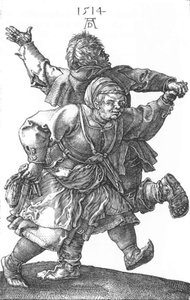
Key Works and Major Series

The hunger to translate complex spiritual truths into wood and metal drove much of his creative output. In 1498, he produced the Apocalypse series, a collection of fourteen woodcuts that captured the intense imagery of the Book of Revelation. These prints demonstrated how much detail could be carved into a simple woodblock. His reach into the realm of engraving allowed for even greater precision, as seen in his 1504 engraving of Adam and Eve. This work sought to capture the human form with a new sense of anatomical accuracy. He also applied his skill to large-scale religious commissions, such as the Feast of the Rose Garlands altarpiece in 1506.

As he matured, his engravings became more introspective and intellectually dense. Between 1513 and 1514, he produced several works that are often called his master engravings, including Melencolia I and Saint Jerome in His Study. These pieces moved beyond simple illustration to explore profound psychological states through intricate line work and shadow. Even in his later years, his hand remained steady and purposeful. In 1526, he completed the Four Apostles, a work that continued his lifelong pursuit of combining technical mastery with deep spiritual meaning.

Legacy and Enduring Influence

The shadow cast by Dürer reaches deep into the history of Western art, touching the very way we perceive the creator's place in society. He sought to move the artist away from the status of a mere craftsman, laboring in a workshop to produce goods, and toward the dignity of an intellectual practitioner. This shift was fueled by his own rigorous study of the mathematical and scientific foundations of beauty. In his final years, he codified these convictions in his theoretical writings, including the Four Books of Human Proportion, published about 1528. Through these texts, he argued that art was a discipline of the mind, requiring a deep understanding of geometry and the natural world.

He acted as a vital bridge between two distinct worlds, weaving the meticulous, symbolic traditions of Northern Europe into the harmonious ideals of the Italian Renaissance. By absorbing the classical motifs and perspective of the south and blending them with the exacting detail of his German roots, he created a visual language that was entirely his own. This synthesis allowed for a new kind of naturalism, one that did not sacrifice spiritual depth for the sake of anatomical accuracy. His meticulous realism remains a point of study for scholars and artists who seek to understand the precise intersection of observation and expression.

Where to See the Works Today

To follow the path of his hand, one must travel across many borders, for his presence is felt in the great halls of Europe and beyond. In London, the British Museum holds a vast assembly of sixty-seven of his works, offering a deep look into the precision of his vision. Those who seek the spirit of his engravings might find themselves in Vienna at the Albertina, where fifty-one of his pieces remain preserved. The city of New York also keeps a significant portion of his output, with forty-seven works held within the Metropolitan Museum of Art.

The weight of his legacy is felt heavily in Germany as well. The Staatliche Museen zu Berlin maintains thirty-one of his works, while the Alte Pinakothek in Munich preserves twenty-nine. These collections allow us to witness the evolution of his skill, from the early silverpoint drawings of his youth to the complex, layered compositions of his later years. One might find the Four Apostles in Munich or the intricate details of his woodcuts in the various archives of Berlin.