


1


განახლდა ოქტომბერი 2026 · დალაგებულია ჩვენი პოპულარობის ქულების მიხედვით (ძიება, ნახვა და შეკვეთები თითოეული ნამუშწაროსთვის) · 36 ნამუშევარი Alan Davie ჩვენს კატალოგში
მოკლედ რომ ვთქვათ
გალერეის თვალს, Alan Davie-ის ყველაზე ცნობილი ნამუშწაროა Woman Arranging Flowers (1945). Untitled Abstract და Self Portrait with Brushes (1937) ქმნიან იმ ტრიოს, რომელიც ყველამ იცნობს. ჩვენს კატალოგში არსებული Alan Davie-ის 36 ნამუშწაროდან, გალერეა ქვემოთ წარმოგიდგენთ 36 ყველაზე ცნობილ მათგანს; თითოეული მათგანი არის ორიგინალი, რომლის აღწერა მოიცავს შემოქმედების წელს, მუზეუმს და იმ დეტალებს, რაც მას უნიკალურს ხდის.


 Joe's Magic Lantern1961
12
 Joe's Lucky Dip1961
13
 Keep Your Fingers Crossed1961
14
 Hopi Studies No.32, Opus 0.11731991 · University of Hertfordshire
15
 Hopi Studies No.30 (Big Blue) (Opus O.1171)1991
16
 Homage to an Earth Goddess No.61992
17
 Symbols in a Landscape1994 · The Pier Arts Centre
18
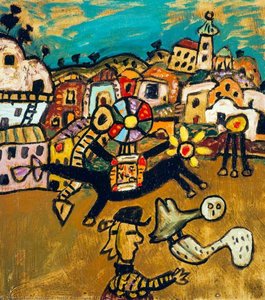 Village Witch (Opus O.1263)1994
19
 Magic Casket1997 · Scottish National Gallery of Modern Art
20
 Celtic Landscape (Dreamscape)1996 · The Pier Arts Centre
21
 Magic Landscape (Opus O.1337)1996
22
 The Alchemist's Mirror No.1 (Opus 1357)1997
23
 Cosmic Signals I2000
24
 Cosmic Signals No.72000
25
 The Golden Palace1999
26
 Magician's Mirror No.22000 · The Mercer Art Gallery
27
 Serpent's Idea of a Horse2000
28
 The Magician's Mirror No.3 (Opus 1450)2000
29
 Without Devices2004 · Pembroke College Oxford Jcr Art Collection
30
 Around and Around in the Pinkკანადის ეროვნული გალერეა
31
 Kaleidoscope for a Parrot
32
 Prize for a Serpent
33
 Flowers on a TableThe Fleming Collection
34Prophet in a Tree, 1963Fitzwilliam College
35
 Double MonumentRobinson College
36
 Hallucination with Monster and Cock
ამ გვერდზე წარმოდგენილი მხატვრობის შედეგების უმეტესობას 8 მუზეუმი ინახავს.
| მუზეუმი | ქალაქი | Alan Davie შემოქმედებაలు | ამ სიიდან მოპოვებული ნახატები |
|---|---|---|---|
 The Pier Arts Centre |
Stromness | 2 | Symbols in a Landscape, Celtic Landscape (Dreamscape) |
 University of Hertfordshire |
North Hatley | 1 | Hopi Studies No.32, Opus 0.1173 |
 Scottish National Gallery of Modern Art |
Edinburgh | 1 | Magic Casket |
 The Mercer Art Gallery |
ჰაროგეტი | 1 | Magician's Mirror No.2 |
 Pembroke College Oxford Jcr Art Collection |
Oxford | 1 | Without Devices |
 კანადის ეროვნული გალერეა |
ოტავა | 1 | Around and Around in the Pink |
 The Fleming Collection |
London | 1 | Flowers on a Table |
 Fitzwilliam College |
Cambridge | 1 | Prophet in a Tree, 1963 |
შეარჩიეთ ათწლეული, რათა ნახოთ ის ორიგინალი ნამუშევარი, რომელიც მას განსაზღვრავს.
Woman Arranging Flowers (1945). შემდეგ მოდიან Untitled Abstract და Self Portrait with Brushes (1937).
25 წლის: Woman Arranging Flowers შექმნილია 1945 წელს, ხოლო Alan Davie დაიბადა 1920 წელს.
Woman Arranging Flowers, Untitled Abstract, Self Portrait with Brushes, The Saint, Entrance to a Paradise, Jingling Space, Ram Grip, Piggy Chain, Joy Bag No. 1 და Entrance For A Red Temple No. 4. ზემოთ მოცემული რეიტინგი ასახავს თითოეულის შემოქმედების წელსა და მუზეუმს.
ჩვენს კატალოგში წარმოდგენილია 36 ნამუშწევრი Alan Davie-ისგან, დათარიღებული 1937-დან 2004-მდე.
ძირითადად The Pier Arts Centre (Stromness), University of Hertfordshire (North Hatley) და Scottish National Gallery of Modern Art (Edinburgh)-ში. ზემოთ მოცემულ მუზეუმების ცხრილში ისინი ყველა listed.
1990s-ში: ამ გვერდზე წარმოდგენილი 36 ნამუშწარwerksიდან 10 შეიქმნა მაშინ, მათგან Hopi Studies No.32, Opus 0.1173.
ამ გვერდზე ყველაზე ადრეული არის Self Portrait with Brushes (1937), ხოლო ყველაზე გვიანდელი — Without Devices (2004).
Abstract expressionism, ამ გვერდზე წარმოდგენილი ორიგინალების მიხედვით.
Symbols in a Landscape და Celtic Landscape (Dreamscape): The Pier Arts Centre, Stromness-ში წარმოდგენილია ამ გვერდზე მოცემული ნამუშევრების 2 ცალი.

