


1


განახლდა ნოემბერი 2026 · დალაგებულია ჩვენი პოპულარობის ქულების მიხედვით (ძიება, ნახვა და შეკვეთები თითოეული ნამუშწაროსთვის) · 38 ნამუშევარი თომას ენდერი ჩვენს კატალოგში
მოკლედ რომ ვთქვათ
თომას ენდერი-ის ყველა დატოვებული ორიგინალიდან ყველაზე ცნობილია The Grossglockner with the Pasterze Glacier (1830), რომელიც ზალცბურგი-ში მდებარე რეზიდენცგალერია-ის კოლექციაშია. მისდავითვე მოდიან The Cemetery Gate (Cemetery near Wien) (1820) და Berchtesgaden with Watzmann (1818). ჩვენს კატალოგში წარმოდგენილია თომას ენდერი-ის 38 ნამუშევარი; გალერეაში შენარჩუნებულია 36 ყველაზე აღიარებული ნახატი, რომელთაგან თითოეულს თან ახლავს შექმნის თარიღი, მუზეუმი და ისტორია.


 The Großglockner with the Pasterze1832
12
 Southern Landscape with Cacti1837
13
 View of Rio de Janeiro1837 · Academy of Fine Arts Vienna
14
 Schloss Cles in Nonntal in South Tyrol1846
15
 View of Lake Garda1840
16
 Schloss Tirol near Meran1843
17
 View of Athens1853
18
 The Pieniny Mountains with the Dunajec River1860 · უნგრეთის მეცნიერებათა აკადემიის ბიბლიოთეკა
19
 Orava Castle1860 · უნგრეთის მეცნიერებათა აკადემიის ბიბლიოთეკა
20
 Povážský Hrad and the Renaissance Mansion1860 · უნგრეთის მეცნიერებათა აკადემიის ბიბლიოთეკა
21
 Grotto of Sorrento with a View of Capo Mahea
22
 Overlooking the St. Stephen's Cathedral from Glacis
23
 Forest Landscape in the High Mountains
24
 View of Bítov Castle of Count Daun in Moravia
25
 The Morteratsch Glacier in Grisons with the Bernina Range
26
 Italian courtyard and church
27
 The Monastery of St Benedict in Subiaco
28
 Ischian landscapeვარშავის ეროვნული მუზეუმი
29
 Look at the Zenoburg near Merano
30
 Ischian landscape (detail)
31
 View from Nussdorf on the Danube
32
 Marianne in the storm on the Black Sea
33
 Wooded River Landscape in the Alps
34
 View of the Residence of Archduke Johann in Gastein Hot Springs
35
 Violasმუზეუმი კარლოს გომესის
36
 Seated with red cape in landscape
ამ ორიგინალებში ყველაზე ხშირად განმეორებადი არის ოთხი თემა, რომელთაგან თითოეულს თავისი საუკეთესო ნიმუში წარმოგვიდგება.
ამ გვერდზე წარმოდგენილი მხატვრობის შედეგების უმეტესობას 6 მუზეუმი ინახავს.
| მუზეუმები | ქალაქი | თომას ენდერი შემოქმედება | ამ სიიდან ნახატები |
|---|---|---|---|
 უნგრეთის მეცნიერებათა აკადემიის ბიბლიოთეკა |
ბუდაპეშტი | 3 | The Pieniny Mountains with the Dunajec River, Orava Castle, Povážský Hrad and the Renaissance Mansion |
 რეზიდენცგალერია |
ზალცბურგი | 1 | The Grossglockner with the Pasterze Glacier |
 Μουσείο Τέχνης Σαο Παυλοῦ Άσσις Χατεάουμπριάνδ |
საო პაულო | 1 | Landscape of Guanabara bay |
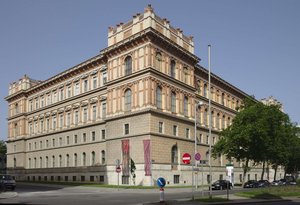 Academy of Fine Arts Vienna |
ვენა | 1 | View of Rio de Janeiro |
 ვარშავის ეროვნული მუზეუმი |
ვარშავა | 1 | Ischian landscape |
 მუზეუმი კარლოს გომესის |
კამპინასი | 1 | Violas |
შეარჩიეთ ათწლეული, რათა ნახოთ ის ორიგინალი ნამუშევარი, რომელიც მას განსაზღვრავს.


The Grossglockner with the Pasterze Glacier (1830), რეზიდენცგალერია, ზალცბურგი. შემდეგ მოდიან The Cemetery Gate (Cemetery near Wien) (1820) და Berchtesgaden with Watzmann (1818).
37 წლის: The Grossglockner with the Pasterze Glacier შექმნილია 1830 წელს, ხოლო თომას ენდერი დაიბადა 1793 წელს.
The Grossglockner with the Pasterze Glacier, The Cemetery Gate (Cemetery near Wien), Berchtesgaden with Watzmann, Near Sparbach, Niederösterreich, Seidelwinkel in der Rauris, Landscape of Guanabara bay, Rocky coast in Italy, Coast of Sorrento, Area near Ischl და Large landscape with figures. ზემოთ მოცემული რეიტინგი ასახავს თითოეულის შემოქმედების წელსა და მუზეუმს.
ჩვენს კატალოგში წარმოდგენილია 38 ნამუშწევრი თომას ენდერი-ისგან, დათარიღებული 1818-დან 1860-მდე.
ძირითადად უნგრეთის მეცნიერებათა აკადემიის ბიბლიოთეკა (ბუდაპეშტი), რეზიდენცგალერია (ზალცბურგი) და Μουσείο Τέχνης Σαο Παυλοῦ Άσσις Χατεάουμπριάνδ (საო პაულო)-ში. ზემოთ მოცემულ მუზეუმების ცხრილში ისინი ყველა listed.
1810s-ში: ამ გვერდზე წარმოდგენილი 36 ნამუშწარwerksიდან 5 შეიქმნა მაშინ, მათგან Berchtesgaden with Watzmann.
ამ გვერდზე ყველაზე ადრეული არის Berchtesgaden with Watzmann (1818), ხოლო ყველაზე გვიანდელი — The Pieniny Mountains with the Dunajec River (1860).
Landscape (3) და Alpine landscape (2), ამ გვერდზე წარმოდგენილ 36 ნამუშწარეს შორის.
The Pieniny Mountains with the Dunajec River, Orava Castle და Povážský Hrad and the Renaissance Mansion: უნგრეთის მეცნიერებათა აკადემიის ბიბლიოთეკა, ბუდაპეშტი-ში წარმოდგენილია ამ გვერდზე მოცემული ნამუშევრების 3 ცალი.