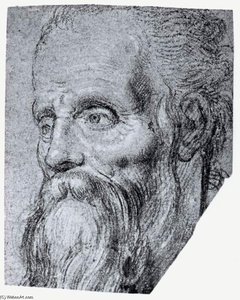
სიმონე პეტერცანო პორტრეტი

14 ყველაზე ცნობილი სიმონე პეტერცანო-ის ნახატი, გალერეის შერჩეული კოლექცია

განახლდა ნოემბერი 2026 · დალაგებულია ჩვენი პოპულარობის ქულების მიხედვით (ძიება, ნახვა და შეკვეთები თითოეული ნამუშწაროსთვის) · 14 ნამუშევარი სიმონე პეტერცანო ჩვენს კატალოგში

მოკლედ რომ ვთქვათ

სიმონე პეტერცანო-ის ყველა დატოვებული ორიგინალიდან ყველაზე ცნობილია Venus and Cupid (1554), რომელიც კობენჰაგენი-ში მდებარე Statens Museum For Kunst-ის კოლექციაშია. მისდავითვე მოდიან Head of an Old Bearded Man (1578) და Ecce Homo (1585). Our catalog holds 14 works by სიმონე პეტერცანო; the gallery has kept the 14 the world admires most, each shown with its date, its museum and its story.

1540 – 1599, ვენეცია Mannerism Most works: Civiche Raccolte d'Arte

სიმონე პეტერცანო-ის 10 საუკეთესო ნამუშgeryო: გალერეის არჩევანი

1
Venus and Cupid (1554) ავტორის: სიმონე პეტერცანო

Venus and Cupid

1554 · Oil · Statens Museum For Kunst, კობენჰაგენი

This work, titled Venus and Cupid, was executed by the Italian Mannerist painter Simone Peterzano. The painting presents a quiet encounter between the mythological figures of Venus and her young son, Cupid. It is a piece that reflects the specific stylistic transitions occurring in late sixteenth-century Italy, capturing a moment of classical grace through a Mannerist lens.

3
Ecce Homo (1585) ავტორის: სიმონე პეტერცანო

Ecce Homo

This vertical oil on canvas portrait, dated 1585, focuses on the upper body of a man positioned slightly off-center. The subject is Christ, depicted with a crown of thorns upon his head and eyes cast downward. A strong sense of three-dimensional volume is achieved through highly directional lighting that emerges from the upper left, casting deep shadows across the right side of the face and torso. The color palette relies…

4
Study of a Half-Length Figure (1580) ავტორის: სიმონე პეტერცანო

Study of a Half-Length Figure

1580 · Charcoal · Civiche Raccolte d'Arte, Milan

In this intimate study, Simone Peterzano presents "Study of a Half-Length Figure," a work that focuses intently on the human form. Created about 1580, the drawing captures the torso and head of a nude female figure. The composition is tightly framed around the upper body, creating a sense of proximity that invites a quiet, close observation of the anatomy. There is a subtle tension in the way the subject is…

სიმონე პეტერცანო-ის შერჩევა გრძელდება, 11-დან 14-მდე

სუბიექტები, რომლებმაც სიმონე პეტერცანო-ის ყურადღება მიიპყრო

ამ ორიგინალებში ყველაზე ხშირად განმეორებადი არის ოთხი თემა, რომელთაგან თითოეულს თავისი საუკეთესო ნიმუში წარმოგვიდგება.

მუზეუმები, სადაც სიმონე პეტერცანო-ის ორიგინალები ინახება

ამ გვერდზე წარმოდგენილი მხატვრობის შედეგების უმეტესობას 5 მუზეუმი ინახავს.

მუზეუმი ქალაქი სიმონე პეტერცანო შემოქმედება ამ სიიდან მოპოვებული ნახატები
Civiche Raccolte d'Arte, MilanCiviche Raccolte d'Arte Milan 4 Study of a Half-Length Figure, Still-Life of Figs, Peapods and Cherries
Statens Museum For Kunst, კობენჰაგენიStatens Museum For Kunst კობენჰაგენი 1 Venus and Cupid
Museo Civici, მილანიMuseo Civici მილანი 1 Head of an Old Bearded Man
კუნსტისტორიშეს მუზეუმი, ვენაკუნსტისტორიშეს მუზეუმი ვენა 1 Ecce Homo
Musée Des Beaux, სტრასბურგიMusée Des Beaux სტრასბურგი 1 Deposition of Christ

სიმონე პეტერცანო ათწლეულების მიხედვით: ორიგინალი, რომელიც განსაზღვრავს თითოეულ მათგანს

ნამუშევრები ათწლეულების მიხედვით

შეარჩიეთ ათწლეული, რათა ნახოთ ის ორიგინალი ნამუშევარი, რომელიც მას განსაზღვრავს.

კოლექციონერთა კითხვები სიმონე პეტერცანო-ის ნახატებზე

რა ნამუშწარესით არის ყველაზე ცნობილი სიმონე პეტერცანო?გაამჟღავნეთ პასუხი

Venus and Cupid (1554), Statens Museum For Kunst, კობენჰაგენი. შემდეგ მოდიან Head of an Old Bearded Man (1578) და Ecce Homo (1585).

რამდენage იყო სიმონე პეტერცანო, როდესაც შეიქმნა Venus and Cupid?გაამჟღავნეთ პასუხი

14 წლის: Venus and Cupid შექმნილია 1554 წელს, ხოლო სიმონე პეტერცანო დაიბადა 1540 წელს.

რა არის სიმონე პეტერცანო-ის ათ ყველაზე ცნობილი ნამუშწარები?გაამჟღავნეთ პასუხი

Venus and Cupid, Head of an Old Bearded Man, Ecce Homo, Study of a Half-Length Figure, Autoportret simone peterzano, Madonna and child, An allegory of music, Still-Life of Figs, Peapods and Cherries და Still-Life of Squash, Lilies, Peaches, and Pears. ზემოთ მოცემული რეიტინგი ასახავს თითოეულის შემოქმედების წელსა და მუზეუმს.

რამდენი სურათი დატოვა სიმონე პეტერცანო-მა?გაამჟღავნეთ პასუხი

ჩვენს კატალოგში წარმოდგენილია 14 ნამუშწევრი სიმონე პეტერცანო-ისგან, დათარიღებული 1554-დან 1585-მდე.

რომელ მუზეუმებშია და hangs სიმონე პეტერცანო-ის შედევრული ნამუშევრები?გაამჟღავნეთ პასუხი

ძირითადად Civiche Raccolte d'Arte (Milan), Statens Museum For Kunst (კობენჰაგენი) და Museo Civici (მილანი)-ში. ზემოთ მოცემულ მუზეუმების ცხრილში ისინი ყველა listed.

მათ რომელ წლებში შექმნა სიმონე პეტერცანო-მა ყველაზე ცნობილი ნამუშევრები?გაამჟღავნეთ პასუხი

1580s-ში: ამ გვერდზე წარმოდგენილი 14 ნამუშწარwerksიდან 4 შეიქმნა მაშინ, მათგან Ecce Homo.

რა არის სიმონე პეტერცანო-ის პირველი და ბოლო ცნობილი ორიგინალი?გაამჟღავნეთ პასუხი

ამ გვერდზე ყველაზე ადრეული არის Venus and Cupid (1554), ხოლო ყველაზე გვიანდელი — Ecce Homo (1585).

რომელ თემებს ირჩევდა სიმონე პეტერცანო ყველაზე ხშირად?გაამჟღავნეთ პასუხი

Man (2) და Italian art (2), ამ გვერდზე წარმოდგენილ 14 ნამუშწარეს შორის.

რა ხელოვნების მიმართულებას მიეკუთვნება სიმონე პეტერცანო?გაამჟღავნეთ პასუხი

Mannerism, ამ გვერდზე წარმოდგენილი ორიგინალების მიხედვით.

სიმონე პეტერცანო-ის რომელ ნამუშევრებს ნახავთ Civiche Raccolte d'Arte-ში?გაამჟღავნეთ პასუხი

Study of a Half-Length Figure, Still-Life of Figs და Peapods and Cherries: Civiche Raccolte d'Arte, Milan-ში წარმოდგენილია ამ გვერდზე მოცემული ნამუშევრების 4 ცალი.

სიმონე პეტერცანო: ცხოვრება და შემოქმედება

Simone Peterzano: Life and Legacy

Early Life and Training

  • Born: Venice, Italy in 1540.
  • Initial training under the tutelage of Titian, a master of Venetian Renaissance painting. This foundational experience deeply influenced Peterzano’s use of color and composition.
  • Peterzano's early career saw him move to Milan, where he began to establish himself as a painter of religious subjects.

Artistic Development and Style

  • Peterzano’s style evolved within the context of Mannerism, characterized by elongated figures, stylized poses, and dramatic compositions. However, he infused this with a Venetian sensibility learned from Titian.
  • His work demonstrates influences from other prominent artists of the time, including Veronese and Tintoretto, particularly in his use of vibrant colors and dynamic scenes.
  • Over time, Peterzano’s style became more monumental and austere, reflecting a shift towards a more restrained aesthetic.

Major Works and Achievements

  • Frescoes in San Maurizio al Monastero Maggiore (Milan): Early works showcasing his Venetian influences and establishing his reputation in Milan.
  • Frescoes at Garegnano Charterhouse (1578-1582): Considered one of his most significant achievements, these frescoes demonstrate a masterful command of composition and narrative.
  • Religious Paintings: Numerous altarpieces and devotional works for churches throughout Milan and the surrounding region, including “Madonna with Child and Saints” (Bioggio) and “St. Ambrose between Sts. Gervasius and Protasius” (Duomo of Milan).
  • Still Life paintings: Peterzano also created several still life paintings, demonstrating a keen eye for detail and texture.

Influence and Historical Significance

  • Peterzano’s most enduring legacy lies in his role as the teacher of Caravaggio, one of the most revolutionary artists in Baroque history. He instructed Caravaggio between 1584 and 1588.
  • While Caravaggio ultimately developed a highly individual style, Peterzano provided him with a solid foundation in technique and composition.
  • Peterzano’s work represents a bridge between the Mannerist tradition and the emerging Baroque style. His emphasis on dramatic lighting and emotional intensity foreshadowed developments in 17th-century painting.
  • Death: Peterzano died in Milan in 1596, leaving behind a significant body of work that continues to be studied and appreciated today.

Legacy and Further Study

  • Peterzano’s contributions to art history are increasingly recognized for their influence on Caravaggio and his role in the transition from Mannerism to Baroque.
  • His paintings offer valuable insights into the artistic climate of late 16th-century Italy.