სიმონ დე ვოსი-ის პორტრეტი

46 ყველაზე ცნობილი სიმონ დე ვოსი-ის ნახატი, თითოეული მათგანი უნიკალური

განახლდა ნოემბერი 2026 · დალაგებულია ჩვენი პოპულარობის ქულების მიხედვით (ძიება, ნახვა და შეკვეთები თითოეული ნამუშწაროსთვის) · 49 ნამუშევარი სიმონ დე ვოსი ჩვენს კატალოგში

მოკლედ რომ ვთქვათ

Repentant Mary Magdalene (1630) არის სიმონ დე ვოსი-ის ის ნამუშწარო, რომელიც ყველაზე მეტ ყურადღებას იქცევს; ორიგინალი იმყოფება ერმიტაჟის მუზეუმი-ში, სან-პეტერბურგი. ამის შემდეგ, მზერა გადადის The Magnanimity of Scipio Africanus (1641)-სა და Marry Society (1631)-ზე. ჩვენს კატალოგში არსებული სიმონ დე ვოსი-ის 49 ნამუშწაროდან ეს 46 ყველაზე ცნობილია; თითოეული მათგანი წარმოადგენს უნიკალურ ორიგინალს, რომელიც წარმოდგენილია წელით, მუზეუმითა და იმ მიზეზით, რის გამოც ის დღემდე ცოცხლობს.

1603 – 1676, ანტვერპენი Flemish baroque ყველაზე დიდი კოლექცია: ერმიტაჟის მუზეუმი

სიმონ დე ვოსი-ის 10 საუკეთესო ნამუშgeryო, გალერეის თcraftით

1
Repentant Mary Magdalene (1630) ავტორი: სიმონ დე ვოსი

Repentant Mary Magdalene

1630 · Oil · ერმიტაჟის მუზეუმი, სან-პეტერბურგი

A heavy silence fills the cavernous space where a solitary woman sits in deep contemplation. The shadows of a dark grotto press in from the edges, isolating her in a moment of profound melancholy. She is draped in a deep, saturated red skirt that catches the light, creating a sharp contrast against the murky browns and blacks of her surroundings. Her chin rests heavily upon her hand, and her eyes…

2
The Magnanimity of Scipio Africanus (1641) ავტორი: სიმონ დე ვოსი

The Magnanimity of Scipio Africanus

1641 · Oil On Copper · ერმიტაჟის მუზეუმი, სან-პეტერბურგი

A single, white-clad figure kneels upon the stone, her hands a silent plea against the weight of fate. Above her, the air is thick with the tension of a decision made in the shadow of classical ruins. Scipio Africanus sits with a quiet, heavy authority, his presence anchoring the chaotic movement of the scene. The light falls sharply, catching the glint of metal armor and the soft folds of silk,…

3
Marry Society (1631) ავტორი: სიმონ დე ვოსი

Marry Society

1631 · Oil On Copper · ერმიტაჟის მუზეუმი, სან-პეტერბურგი

A single, bright white tablecloth anchors the scene, a pale island amidst a sea of deep browns and heavy shadows. Around this center, figures gather in a dimly lit, opulent room, their movements caught in a moment of social grace. The air feels thick with the scent of roasted poultry and the weight of velvet drapery. Light spills from an unseen source, catching the sheen of silk and the delicate…

4
St Peter (1630) ავტორი: სიმონ დე ვოსი

St Peter

1630 · Oil On Copper · ერმიტაჟის მუზეუმი, სან-პეტერბურგი

In this somber religious work, the figure of Saint Peter emerges from the shadows of a heavy, contemplative moment. Simon De Vos captures the apostle in a state of profound reflection, a scene that breathes with the weight of spiritual reckoning. The painting, titled St Peter, presents a quiet intensity that pulls the viewer into the immediate presence of the man and his internal struggle.

5
The Works of Mercy (1635) ავტორი: სიმონ დე ვოსი

The Works of Mercy

1635 · Oil On Canvas

Shadows cling to the heavy, decaying stone of a monumental triumphal arch, creating a dark stage for the human drama unfolding beneath it. In this Baroque scene, the air feels thick with the weight of duty and the quiet dignity of service. Light pierces through the gloom, catching the folds of white and red fabrics as figures move through the ruins. There is a profound sense of motion here; the…

6
Portrait of a man with a floppy hat (1625) ავტორი: სიმონ დე ვოსი

Portrait of a man with a floppy hat

1625 · Oil

In "Portrait of a man with a floppy hat" by Simon De Vos, a quiet presence emerges from a monochromatic, sepia-toned world. The composition follows a bust-length arrangement, positioning the subject slightly off-center to create a sense of natural poise. He meets the viewer with a calm, direct gaze that establishes an immediate, eye-level connection. This perspective pulls the observer into an intimate space, as if sharing a silent moment…

7
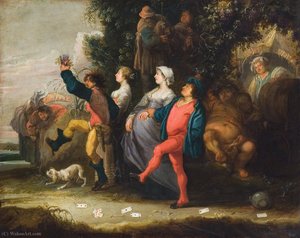
A Party outside an Inn (1625) ავტორი: სიმონ დე ვოსი

A Party outside an Inn

A Party outside an Inn is a work by the Flemish painter Simon De Vos. Created about 1625, the painting belongs to the artist's early period of production, characterized by small-format genre scenes. De Vos was born in 1603 in Antwerp, the son of Herman de Vos, a craftsman of dice, and Elisabeth van Oppen.

8
Gathering of Smokers and Drinkers (1626) ავტორი: სიმონ დე ვოსი

Gathering of Smokers and Drinkers

The oil painting titled Gathering of Smokers and Drinkers was executed by the Flemish artist Simon De Vos in 1626. This work, currently held in the Louvre Museum in Paris, presents a group of three young men depicted at half-length. The subjects are positioned in a tight arrangement, focused on the act of smoking a pipe and consuming wine from a glass.

9
The penitent Saint Mary Magdalene (1634) ავტორი: სიმონ დე ვოსი

The penitent Saint Mary Magdalene

1634 · Oil On Copper · ჰერცოგ ანტონ ულრიხის მუზეუმი, ბრუნსვიკი

The oil painting titled The penitent Saint Mary Magdalene was executed by the Flemish artist Simon De Vos. This work, which depicts the subject of Saint Mary Magdalene, dates to about 1634. The composition focuses on the figure of the saint in a state of religious devotion and introspection.

10
interior, (family - scene) (1628) ავტორი: სიმონ დე ვოსი

interior, (family - scene)

1628 · Oil

In the quietude of 1628, Simon De Vos rendered interior, (family - scene), a work that captures a private moment within a rustic, dimly lit room. The scene unfolds around a central group of figures, anchored by a man in period attire. He wears a wide-brimmed hat and a stiff ruff collar, his gaze directed toward a woman seated to the right. She cradles an infant in her arms, a…

სიმონ დე ვოსი-ის ცნობილი ნამუშევრები, 11-დან 46-მდე ნომრებით

11Cupid's chastisement (1626) ავტორი: სიმონ დე ვოსიCupid's chastisement1626 · Gemäldegalerie 12Golgotha (1639) ავტორი: სიმონ დე ვოსიGolgotha1639 · ბავარიის სახელმწიფო ფერწერის კოლექციები 13The Adoration of the Shepherds (1644) ავტორი: სიმონ დე ვოსიThe Adoration of the Shepherds1644 14Good Fortune or Fortune Telling (1646) ავტორი: სიმონ დე ვოსიGood Fortune or Fortune Telling1646 · ეროვნული ძველი ხელოვნების მუზეუმი 15Marauding soldiers with harlots (1639) ავტორი: სიმონ დე ვოსიMarauding soldiers with harlots1639 · ბავარიის სახელმწიფო ფერწერის კოლექციები 16Rest on the Flight into Egypt (1639) ავტორი: სიმონ დე ვოსიRest on the Flight into Egypt1639 · ბავარიის სახელმწიფო ფერწერის კოლექციები 17The seven works of mercy (1641) ავტორი: სიმონ დე ვოსიThe seven works of mercy1641 · ბავარიის სახელმწიფო ფერწერის კოლექციები 18Death of Decius Mus (1641) ავტორი: სიმონ დე ვოსიDeath of Decius Mus1641 · ერმიტაჟის მუზეუმი 19Feat of Marcus Curtius (1641) ავტორი: სიმონ დე ვოსიFeat of Marcus Curtius1641 · ერმიტაჟის მუზეუმი 20Meeting of Esau and Jacob (1641) ავტორი: სიმონ დე ვოსიMeeting of Esau and Jacob1641 · ერმიტაჟის მუზეუმი 21Abigail Bringing Gift to David (1641) ავტორი: სიმონ დე ვოსიAbigail Bringing Gift to David1641 · ერმიტაჟის მუზეუმი 22The Fortune Teller (1639) ავტორი: სიმონ დე ვოსიThe Fortune Teller1639 · ანტვერპენის ხელოვნების სამეფო მუზეუმი 23The Beheading of Saint Paul (1648) ავტორი: სიმონ დე ვოსიThe Beheading of Saint Paul1648 · ანტვერპენის ხელოვნების სამეფო მუზეუმი 24The massacre of the innocents (1647) ავტორი: სიმონ დე ვოსიThe massacre of the innocents1647 25A garland of flowers surrounding a medallion of the Virgin in prayer (1643) ავტორი: სიმონ დე ვოსიA garland of flowers surrounding a medallion of the Virgin in prayer1643 26The worship of Venus (1647) ავტორი: სიმონ დე ვოსიThe worship of Venus1647 · Staatliche Kunsthalle Karlsruhe 27Carrying of the Cross (1649) ავტორი: სიმონ დე ვოსიCarrying of the Cross1649 · Museum Catharijneconvent 28Funny company (1650) ავტორი: სიმონ დე ვოსიFunny company1650 · Gemäldegalerie 29Merry Company (1631) ავტორი: სიმონ დე ვოსიMerry Company1631 · ერმიტაჟის მუზეუმი 30Allegorical Scene (detail) (1635) ავტორი: სიმონ დე ვოსიAllegorical Scene (detail)1635 · ნაციონალური გალერეა 31Allegorical Scene (1635) ავტორი: სიმონ დე ვოსიAllegorical Scene1635 · ნაციონალური გალერეა 32Allegory of the Five Senses (1640) ავტორი: სიმონ დე ვოსიAllegory of the Five Senses1640 33The Israelites after Crossing the Red Sea (1641) ავტორი: სიმონ დე ვოსიThe Israelites after Crossing the Red Sea1641 · ერმიტაჟის მუზეუმი 34Resurrection of Christ and the van der Aa family ავტორი: სიმონ დე ვოსიResurrection of Christ and the van der Aa familyლილის fine arts-ის მ્યુზეუმი 35Wedding at Cana ავტორი: სიმონ დე ვოსიWedding at Canaვარშავის ეროვნული მუზეუმი 36The Adoration of the Magi ავტორი: სიმონ დე ვოსიThe Adoration of the Magiვარშავის ეროვნული მუზეუმი 37The Acts of Mercy ავტორი: სიმონ დე ვოსიThe Acts of Mercyვარშავის ეროვნული მუზეუმი 38Donor and His Wife ავტორი: სიმონ დე ვოსიDonor and His Wifeანტვერპენის ხელოვნების სამეფო მუზეუმი 39Merrymakers in an Inn ავტორი: სიმონ დე ვოსიMerrymakers in an Inn 40A Garland of Flowers Surrounding a Mocking of Christ ავტორი: სიმონ დე ვოსიA Garland of Flowers Surrounding a Mocking of Christ 41The arrest of Jesus in the Garden of Olives to the Palais des Beaux-Arts de Lille. ავტორი: სიმონ დე ვოსიThe arrest of Jesus in the Garden of Olives to the Palais des Beaux-Arts de Lille.ლილის fine arts-ის მ્યુზეუმი 42Christ on the Cross ავტორი: სიმონ დე ვოსიChrist on the Cross 43The Martyrdom of St. Philip the Palais des Beaux-Arts de Lille. ავტორი: სიმონ დე ვოსიThe Martyrdom of St. Philip the Palais des Beaux-Arts de Lille.ლილის fine arts-ის მ્યુზეუმი 44Return of the Prodigal Son. ავტორი: სიმონ დე ვოსიReturn of the Prodigal Son. 45The Raising of Lazarus ავტორი: სიმონ დე ვოსიThe Raising of Lazarusნაციონალური გალერეა 46Village procession. ავტორი: სიმონ დე ვოსიVillage procession.ვროცლავის ეროვნული მუზეუმი

სიმონ დე ვოსი-ის ცნობილი სურათები, პერიოდების მიხედვით

სუბიექტები, რომლებმაც სიმონ დე ვოსი-ის ყურადღება მიიპყრო

ამ ორიგინალებში ყველაზე ხშირად განმეორებადი არის ოთხი თემა, რომელთაგან თითოეულს თავისი საუკეთესო ნიმუში წარმოგვიდგება.

მუზეუმები, სადაც სიმონ დე ვოსი-ის ორიგინალები ინახება

ამ გვერდზე წარმოდგენილი მხატვრობის შედეგების უმეტესობას 8 მუზეუმი ინახავს.

მუზეუმები ქალაქი სიმონ დე ვოსი შემოქმედება ამ სიიდან ნახატები
ერმიტაჟის მუზეუმი, სან-პეტერბურგიერმიტაჟის მუზეუმი სან-პეტერბურგი 10 Repentant Mary Magdalene, The Magnanimity of Scipio Africanus, Marry Society
ბავარიის სახელმწიფო ფერწერის კოლექციები, მუნხენიბავარიის სახელმწიფო ფერწერის კოლექციები მუნხენი 4 Golgotha, Marauding soldiers with harlots, Rest on the Flight into Egypt
ანტვერპენის ხელოვნების სამეფო მუზეუმი, ანტვერპენიანტვერპენის ხელოვნების სამეფო მუზეუმი ანტვერპენი 3 The Fortune Teller, The Beheading of Saint Paul, Donor and His Wife
ლილის fine arts-ის მ્યુზეუმი, ლილილილის fine arts-ის მ્યુზეუმი ლილი 3 Resurrection of Christ and the van der Aa family, The arrest of Jesus in the Garden of Olives to the Palais des Beaux-Arts de Lille., The Martyrdom of St. Philip the Palais des Beaux-Arts de Lille.
ვარშავის ეროვნული მუზეუმი, ვარშავავარშავის ეროვნული მუზეუმი ვარშავა 3 Wedding at Cana, The Adoration of the Magi, The Acts of Mercy
Gemäldegalerie, ბერლინიGemäldegalerie ბერლინი 2 Cupid's chastisement, Funny company
ნაციონალური გალერეა, Pragueნაციონალური გალერეა Prague 2 Allegorical Scene (detail), Allegorical Scene
ხელოვნების, არქიტექტურისა და დიზაინის ეროვნული მუზეუმი, ოსლოხელოვნების, არქიტექტურისა და დიზაინის ეროვნული მუზეუმი ოსლო 1 A Party outside an Inn

სიმონ დე ვოსი ათწლეულების განმავლობაში: თითოეულ დეკადესთვის ერთი უნიკალური ორიგინალი

ნამუშევრები ათწლეულების მიხედვით

შეარჩიეთ ათწლეული, რათა ნახოთ ის ორიგინალი ნამუშევარი, რომელიც მას განსაზღვრავს.

სიმონ დე ვოსი-ის ნახატები: კითხვები გალერეისთვის

რა არის სიმონ დე ვოსი-ის ყველაზე ცნობილი ნამუშწარებიდან ერთერთი?გაამჟღავნეთ პასუხი

Repentant Mary Magdalene (1630), ერმიტაჟის მუზეუმი, სან-პეტერბურგი. შემდეგ მოდიან The Magnanimity of Scipio Africanus (1641) და Marry Society (1631).

რა ასაკში შექმნა სიმონ დე ვოსი-მა Repentant Mary Magdalene?გაამჟღავნეთ პასუხი

27 წლის: Repentant Mary Magdalene შექმნილია 1630 წელს, ხოლო სიმონ დე ვოსი დაიბადა 1603 წელს.

სიმონ დე ვოსი-ის რომელი ათი ნახატია ყველაზე ცნობილი?გაამჟღავნეთ პასუხი

Repentant Mary Magdalene, The Magnanimity of Scipio Africanus, Marry Society, St Peter, The Works of Mercy, Portrait of a man with a floppy hat, A Party outside an Inn, Gathering of Smokers and Drinkers, The penitent Saint Mary Magdalene და interior, (family - scene). ზემოთ მოცემული რეიტინგი ასახავს თითოეულის შემოქმედების წელსა და მუზეუმს.

რამდენი ნამუშწარებია ცნობილი სიმონ დე ვოსი-ის შემოქმედებიდან?გაამჟღავნეთ პასუხი

ჩვენს კატალოგში წარმოდგენილია 49 ნამუშწევრი სიმონ დე ვოსი-ისგან, დათარიღებული 1625-დან 1650-მდე.

სად შეიძლება ყველაზე ცნობილი სიმონ დე ვოსი-ის ორიგინალების ნახვა?გაამჟღავნეთ პასუხი

ძირითადად ერმიტაჟის მუზეუმი (სან-პეტერბურგი), ბავარიის სახელმწიფო ფერწერის კოლექციები (მუნხენი) და ანტვერპენის ხელოვნების სამეფო მუზეუმი (ანტვერპენი)-ში. ზემოთ მოცემულ მუზეუმების ცხრილში ისინი ყველა listed.

რა პერიოდში შექმნა სიმონ დე ვოსი-მა ყველაზე ცნობილი სურათები?გაამჟღავნეთ პასუხი

1640s-ში: ამ გვერდზე წარმოდგენილი 46 ნამუშწარwerksიდან 15 შეიქმნა მაშინ, მათგან The Magnanimity of Scipio Africanus.

რომელი ცნობილი სიმონ დე ვოსი ტილოა ყველაზე ადრეული და რომელი — ყველაზე გვიანდელი?გაამჟღავნეთ პასუხი

ამ გვერდზე ყველაზე ადრეული არის Portrait of a man with a floppy hat (1625), ხოლო ყველაზე გვიანდელი — Funny company (1650).

რა თემებს ანიჭებდა უპირატესობას სიმონ დე ვოსი?გაამჟღავნეთ პასუხი

People (21), Man (18) და Woman (17), ამ გვერდზე წარმოდგენილ 46 ნამუშწარეს შორის.

რა მასალებით ხატავდა ყველაზე ხშირად სიმონ დე ვოსი?გაამჟღავნეთ პასუხი

Oil, ამ გვერდზე არსებული 46 ნამუშწაროსგან 22 ცალიდან.

სიმონ დე ვოსი-ის შემოქმედება რომელ მიმდინარეობას მიეკუთვნება?გაამჟღავნეთ პასუხი

Flemish baroque, ამ გვერდზე წარმოდგენილი ორიგინალების მიხედვით.

რა სიმონ დე ვოსი-ის ორიგინალების ნახვა შემიძლია ერმიტაჟის მუზეუმი-ში?გაამჟღავნეთ პასუხი

Repentant Mary Magdalene, The Magnanimity of Scipio Africanus და Marry Society: ერმიტაჟის მუზეუმი, სან-პეტერბურგი-ში წარმოდგენილია ამ გვერდზე მოცემული ნამუშევრების 10 ცალი.

სიმონ დე ვოსი: მხატვრის პორტრეტი

The Antwerp Prodigy: Early Life and Artistic Foundations

In the heart of seventeenth-century Antwerp, a city pulsating with the creative energy of the Flemish Baroque, Simon de Vos began a journey that would eventually etch his name into the annals of art history. Born in 1603 to Herman de Vos, a craftsman of dice, and Elisabeth van Oppen, De Vos was immersed from birth in an environment where meticulous skill and tangible artistry were part of the daily fabric of life. His true destiny, however, revealed itself at the tender age of twelve when he entered the studio of the esteemed painter Cornelis de Vos. Under this master’s watchful eye, the young artist began to absorb the nuances of portraiture and the dramatic potential of light, laying a foundation of technical precision that would support his later, more expansive explorations of the human condition.

This early apprenticeship was more than mere instruction; it was an initiation into a lineage of Flemish excellence. By studying under a contemporary who worked closely with the giants of the era, De Vos inherited a profound respect for the interplay between reality and theatricality. His formative years were spent mastering the delicate textures of skin, the heavy drape of velvet, and the subtle shifts in expression that distinguish a mere likeness from a living soul.

The Radiance of the Merry Company

As his talent matured, De Vos gained renown for his enchanting "cabinet pictures"—small-format works that captured the spirited essence of communal celebration. These pieces, often referred to as Merry Companies, showcased a profound fascination with the Caravaggesque tradition. He utilized a dramatic use of chiaroscuro, allowing light to pierce through shadows to illuminate the joyous chaos of social gatherings. In these scenes, one finds a masterful command of color; vibrant reds, deep blues, and lush greens dance across the canvas, mirroring the laughter, music, and conviviality of the figures depicted.

The brilliance of his genre painting lies in its ability to transform a simple moment of leisure into a profound study of human connection. Through his brush, the clinking of glasses and the soft melodies of musical instruments become palpable. He possessed an uncanny ability to capture:
  • the fleeting nuances of facial expressions during moments of mirth
  • the intricate textures of opulent fabrics and fine lace
  • the atmospheric tension created by dramatic, directional lighting
These works were not merely depictions of festivities but windows into the social vitality of the Flemish era, rendered with a sensitivity that celebrated the ephemeral beauty of life.

From Intimacy to Epic: The Evolution of a Master

As De Vos’s career progressed, he underwent a significant stylistic evolution, transitioning from the intimate scale of genre scenes to the monumental grandeur of history painting. This shift saw him embracing larger formats and a more theatrical approach, heavily influenced by the sweeping dynamism of Peter Paul Rubens and the refined elegance of Anthony van Dyck. His later works moved away from the playful intimacy of the tavern and the parlor toward the epic narratives of religious and allegorical significance.

In masterpieces such as The Return of the Prodigal Son and The Raising of Lazarus, De Vos demonstrated an ability to handle complex theological themes with breathtaking authority. He bridged the gap between the lightheartedness of Flemish genre art and the high drama of the Baroque movement, infusing his larger canvases with a psychological depth that remained consistent with his earlier works. His legacy remains that of a painter who could capture both the smallest flicker of emotion in a crowded room and the most profound spiritual truths on a grand stage, leaving behind a body of work that continues to captivate with its luminous beauty and enduring human truth.