როი ლიხტენშტეინი პორტრეტი

100 ყველაზე ცნობილი როი ლიხტენშტეინი-ის ნახატი, გალერეის შერჩეული კოლექცია

განახლდა ოქტომბერი 2026 · დალაგებულია ჩვენი პოპულარობის ქულების მიხედვით (ძიება, ნახვა და შეკვეთები თითოეული ნამუშწაროსთვის) · 382 ნამუშევარი როი ლიხტენშტეინი ჩვენს კატალოგში

მოკლედ რომ ვთქვათ

როი ლიხტენშტეინი-ის ყველა დატოვებული ორიგინალიდან ყველაზე ცნობილი ვაამ! (1963) არის. მისდაក្រោយ Look Mickey (1961) და მძვრველი გოგონა (1963) მოდიან. ჩვენს კატალოგში როი ლიხტენშტეინი-ის 382 ნამუშწარებია; გალერეამ შეინافظა ის 100 ნამუშწარო, რომლებსაც მსოფლიო ყველაზე მეტად აღიარებს, რომელთაგან თითოეული წარმოდგენილია თვის, მუზეუმისა და ისტორიის თანხლებით.

1923 – 1997, მანჰეტენი Პოპ არტი ყველაზე მეტი ნამشევრი: ჩიკაგოს ხელოვნების ინსტიტუტი

როი ლიხტენშტეინი-ის 10 საუკეთესო ნამუშgeryო: გალერეის არჩევანი

1
ვაამ! (1963) ავტორის: როი ლიხტენშტეინი

ვაამ!

1963 · აკრილი ტილოზე

როი ლიხტენშტეინის 1963 წლის შედევრი, "Whaam!", არის ომის, მედიისა და კომიქსების ესთეტიკის აფეთქებრივი კონცენტრირება. ეს მასშტაბური ნაწარმოები 단순ად საჰაერო საბრძოლო მოქმედების გამოსახულება არ არის; ეს არის ძლიერი კომენტარი 20-ე საუკუნის შუაგულის ამერიკულ კულტურაში გავრცელებული ძალისმპყრობი, სტილიზებული წარმოდგენილობაზე. საბრძოლო თვითმფრინავი სწრაფად გად穿越 ტილოში, გამო releasing fiery attack-ს, რომელიც უშუალობით ხასიათს აჩვენებს, მიუხედავად იმისა, რომ მისი შექმნა სათანადოა. ლიხტენშტეინი აქამდე არასდროს იყო ასეთი გამბედავი და ამ ნაწარმოებმა პოპ-არტის ისტორიაში უმნიშვნელოვანესი ადგილი დაიკავა.

2
Look Mickey (1961) ავტორის: როი ლიხტენშტეინი

Look Mickey

1961 · Oil On Canvas

The scene unfolds in 1961 through the oil on canvas work titled Look Mickey by Roy Lichtenstein. A sudden, unexpected moment freezes in time as Mickey Mouse and Donald Duck find themselves caught in the middle of a fishing mishap. The air feels thick with the immediate shock of the catch, capturing a narrative tension that seems to vibrate off the surface of the painting.

3
მძვრველი გოგონა (1963) ავტორის: როი ლიხტენშტეინი

მძვრველი გოგონა

1963 · ზეთი ტილოზე

Roy Fox Lichtenstein (Լայքտենշტայն), born October 27, 1923, irrevocably altered the trajectory of twentieth-century art. Emerging as a pivotal figure within the Pop Art movement, Lichtenstein didn’t merely reflect his era; he actively interrogated it, transforming commonplace imagery—primarily comic book panels—into compelling artistic statements that challenged traditional notions of beauty and elevated popular culture to the realm of high art.

4
გოგონა კრებულთან ერთად (1961) ავტორის: როი ლიხტენშტეინი

გოგონა კრებულთან ერთად

1961 · აკრილი ტილოზე

როი ლიქტენშტეინის „გოგონა კრებულთან ერთად“ 1961 წლის საკულტო ნამუშევარია, რომელიც მე-20 საუკუნის შუა პერიოდის ამერიკული პოპ-კულტურის არსს ასახავს. ეს დინამიკური და ცოცხალი შემოქმედება გვაჩვენებს ქალს, რომელიც ვოლეისბოლს თამაშობს, რითაც ენერგიისა და მოძრაობის განცდას მორგებს. მისი სტილიზებული და ექსპრესიული მიდგომა მას ნებისმიერი კოლექციის გამორჩეულ ძვირფას ნიმუშად აქცევს.

5
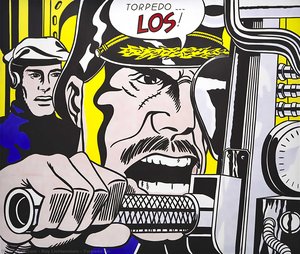
ტორპედო...LOS! (1963) ავტორის: როი ლიხტენშტეინი

ტორპედო...LOS!

1963 · აკრილი ტილოზე

როი ლიხტენშტეინის "Торпедо…LOS!" (1963) – ეს არის არა მარტო გამორჩეული ნაწარმოები პოპ-არტის ისტორიაში, არცერთი ტილო, რომელიც ამავე დროს ასახავს იმ ხანას და გამოხატავს თანამედროვე კულტურის არსს. ლიხტენშტეინი, რომელმაც კომიქსების ვიზუალური ენა გამოიყენა მაღალი ხელოვნებისთვის, შექმნა გამბედავად და შოკოლადოვან შედევრი, რომელიც დღემდე აღძრავს მსოფლიო მასშტაბით ინტერესს. ნაწარმოები არის ზეთის საღებავით შესრულებული ტილო, რომელზეც გამოსახულია სარდალური ფონია და მკვეთრი კონტრასტით გამოყვანილმა ობიექტებმა შექმნილი დინამიკა. ეს ტილო, თავისი უნიკალური ესთეტიკით, წარმოადგენს პოპ-არტის განვითარების…

6
როი ლიქტენშტეინი (1961) ავტორის: როი ლიხტენშტეინი

როი ლიქტენშტეინი

1961 · აკრილი ტილოზე

როი ლიქტენშტაინი, XX საუკუნეში ხელოვნებაში მნიშვნელოვანი ფიგურა, თავისი უნიკალური მიდგომით შეცვალა ხელოვნების კონსტიტუცია. "Roto Broil" (1961) – ეს მისი ერთ-ერთი ყველაზე ცნობილი ნამუშევარია, რომელიც მოგვეფர்ப்பляє Pop Art-ის სამყარში, სადაც ყოველდღიური ნივთები ხდებოდნენ ხელოვნების ძმებით. ამ ნამუშევარს განსაკუთრებული მნიშვნელობა აქვს არა მხოლოდ მისი ვიზუალურად მიმზიდველი ხასიათის გამო, არამედ ისტორიული კონტექსტის და სიმ볼ლური მნიშვნელობის წყალობითაც.

7
ბლამ (1962) ავტორის: როი ლიხტენშტეინი

ბლამ

1962 · აკრილი ტილოზე

Dynamic Subject and Iconic Imagery This striking artwork captures a moment of explosive action, rendered in the bold, graphic language of comic book art and pop art. At its core, a stylized firearm is depicted mid-firing, with dramatic explosion effects and a commanding "BLAM" sound effect that emphasizes violence, power, and chaos. The composition centers around this intense scene, evoking themes of conflict, rebellion, and the raw energy of modern…

8
უტიტლული როი ლიქტენშტეინი ^ ჯიან ფრანკო გორგონი (1988) (1988) ავტორის: როი ლიხტენშტეინი

უტიტლული როი ლიქტენშტეინი ^ ჯიან ფრანკო გორგონი (1988)

1988 · მიქსტ მედია

სუბიექტი და კომპოზიცია ეს მომხიბვლელი ნამუშევარი ოსტატურად აკვირვებს მარტოსულ მხედარს, რომელიც მზის ჩასვლისას მშვიდ სანაპიროზე მოგზაურობს. მხედრისა და ცხენის სილუეტი მკვეთრ კონტრასტში დგას ცარცმულ, მბრუნავ ცის ფონზე, რაც ქმნის ძლიერ ფოკალურ წერტილს, რომელიც მოძრაობისა და თვითრეფლექსიის შეგრძნებას აღძვრის. ვრცელი ზღვის პეიზაჟი, თავისი მოციმციმე წყლებითა და შორეული ჰორიზონტით, მაყურებელს მოუწოდებს დაფიქრდეს მოგზაურობის, თავისუფლებისა და ადამიანისა და ბუნების მარადიული კავშირის თემებზე. ფონზე შორს მდებარე ცხოველის ნატიფი არსებობა კიდევ უფრო აძლიერებს მასშტაბის შეგრძნებას…

9
ჰეი შენ - (2402193) ავტორის: როი ლიხტენშტეინი

ჰეი შენ - (2402193)

აკრილი ტილოზე

Dynamic Subject and Iconic Gesture This striking artwork captures a universally recognizable gesture—a pointing hand—conveying immediacy, command, and engagement. The bold, graphic depiction emphasizes the power of simple gestures to communicate complex emotions and messages. Its confrontational stance invites viewers to reflect on themes of assertion, attention, and interaction, making it a compelling focal point in any space. Distinctive Style and Technique Created in the vibrant spirit of Pop Art,…

10
შიშველი ლურჯი თმით (1994) ავტორის: როი ლიხტენშტეინი

შიშველი ლურჯი თმით

1994 · მელნით შესრულებული ნამუშევრები ქაღალდზე

სუბიექტი და კომპოზიცია ეს გამორჩეული ნამუშევარი წარმოაჩენს ქალის სტილიზებულ პორტრეტს მომხიბვლელი ლურჯი თმით, რომელიც შესრულებულია გაბედული და გრაფიკული ესთეტიკით. სუბიექტის პირდაპირი მზერა და ოდნავ პროვოკაციული გამომეტყველება თავდაჯერებულობისა და სევდენობის შეგრძნებას იწვევს, რაც მაყურებელს ინტიმურ მომენტში ეპატიჟებს. მისი ხელის ჟესტი და მოქნილად დახვეული თმა დინამიკური მოძრაობის განცდას მატებს სურათს, რაც სახეს გარს აკრავს და მის პერსონალურობას უსვამს ხაზს. კომპოზიცია ფოკუსირებულია ქალის სახეზე, რაც ქმნის მიმზიდველ ეპიცენტრს, რომელიც ყურადღებას იპყრობს და ინტერესს…

როი ლიხტენშტეინი-ის შერჩევა გრძელდება, 11-დან 100-მდე

11მ-შეიძლება (1965) ავტორის: როი ლიხტენშტეინიმ-შეიძლება1965 12lentement ადმინისტრაციული დავდილია (1964) ავტორის: როი ლიხტენშტეინიlentement ადმინისტრაციული დავდილია1964 13ქალი აბაში (1963) ავტორის: როი ლიხტენშტეინიქალი აბაში1963 14გოგონა თმის ლენტით (1965) ავტორის: როი ლიხტენშტეინიგოგონა თმის ლენტით1965 15მსვლელი ავტომობილი (1963) ავტორის: როი ლიხტენშტეინიმსვლელი ავტომობილი1963 16Sinking Sun (1964) ავტორის: როი ლიხტენშტეინიSinking Sun1964 17დამარხული გოგონა (1963) ავტორის: როი ლიხტენშტეინიდამარხული გოგონა1963 18დაუძინებელი (1963) ავტორის: როი ლიხტენშტეინიდაუძინებელი1963 19Spray (1962) ავტორის: როი ლიხტენშტეინიSpray1962 20გადაშინებული (1964) ავტორის: როი ლიხტენშტეინიგადაშინებული1964 21მასზე ფიქრი (1963) ავტორის: როი ლიხტენშტეინიმასზე ფიქრი1963 22გოგონა სარკეში (1964) ავტორის: როი ლიხტენშტეინიგოგონა სარკეში1964 23Girl with ball (1961) ავტორის: როი ლიხტენშტეინიGirl with ball1961 24გაუმარეთ მოწყობილობა ოქროსფერი თევზით (და გოლფის ბურთის ნახატით) (1972) ავტორის: როი ლიხტენშტეინიგაუმარეთ მოწყობილობა ოქროსფერი თევზით (და გოლფის ბურთის ნახატით)1972 25დატირილი გოგონა (1964) ავტორის: როი ლიხტენშტეინიდატირილი გოგონა1964 26Alka Seltzer (1966) ავტორის: როი ლიხტენშტეინიAlka Seltzer1966 27Artist's studio - The dance (1974) ავტორის: როი ლიხტენშტეინიArtist's studio - The dance1974 28იცობი ძაღლი (1961) ავტორის: როი ლიხტენშტეინიიცობი ძაღლი1961 29ვარუმი (1963) ავტორის: როი ლიხტენშტეინივარუმი1963 30ფიგურები მზის ჩასვლის ფონზე ავტორის: როი ლიხტენშტეინიფიგურები მზის ჩასვლის ფონზე 31Reclining Bather (1977) ავტორის: როი ლიხტენშტეინიReclining Bather1977 32Pop (1966) ავტორის: როი ლიხტენშტეინიPop1966 33Sunrise (1965) ავტორის: როი ლიხტენშტეინიSunrise1965 34ვხედავ (1961) ავტორის: როი ლიხტენშტეინივხედავ1961 35Forest scene (1980) ავტორის: როი ლიხტენშტეინიForest scene1980 36Bauhaus stairway (1989) ავტორის: როი ლიხტენშტეინიBauhaus stairway1989 37ბრატტატა (1962) ავტორის: როი ლიხტენშტეინიბრატტატა1962 38ფუცის ნახატი კოლარით (1963) ავტორის: როი ლიხტენშტეინიფუცის ნახატი კოლარით1963 39Coast Village (1987) ავტორის: როი ლიხტენშტეინიCoast Village1987 40Art (1962) ავტორის: როი ლიხტენშტეინიArt1962 41სახის (მწვანე პროფილი) (1986) ავტორის: როი ლიხტენშტეინისახის (მწვანე პროფილი)1986 42ძინებული გოგონა (1964) ავტორის: როი ლიხტენშტეინიძინებული გოგონა1964 43Collage for Landscape with Scholar's Rock ავტორის: როი ლიხტენშტეინიCollage for Landscape with Scholar's Rock 44რუსტები (1965) ავტორის: როი ლიხტენშტეინირუსტები1965 45Jet pilot ავტორის: როი ლიხტენშტეინიJet pilot 46Cathedral -6 State II (1969) ავტორის: როი ლიხტენშტეინიCathedral -6 State II1969 47Glass and lemon in a mirror (1974) ავტორის: როი ლიხტენშტეინიGlass and lemon in a mirror1974 48The hero's return (1950) ავტორის: როი ლიხტენშტეინიThe hero's return1950 49Landscape (1964) ავტორის: როი ლიხტენშტეინიLandscape1964 50The kiss (1962) ავტორის: როი ლიხტენშტეინიThe kiss1962 51Stretcher Frame with Cross Bars III (1968) ავტორის: როი ლიხტენშტეინიStretcher Frame with Cross Bars III1968 52Reflections Wonder Woman (1989) ავტორის: როი ლიხტენშტეინიReflections Wonder Woman1989 53მისის გარდაქმნა: როი ლიხტენშტაინის პოპ არტის მიხსი ავტორის: როი ლიხტენშტეინიმისის გარდაქმნა: როი ლიხტენშტაინის პოპ არტის მიხსი 54Baked potato (1962) ავტორის: როი ლიხტენშტეინიBaked potato1962 55Mr. Bellamy (1961) ავტორის: როი ლიხტენშტეინიMr. Bellamy1961 56Bathroom (1961) ავტორის: როი ლიხტენშტეინიBathroom1961 57Silver Frame (1984) ავტორის: როი ლიხტენშტეინიSilver Frame1984 58refletori - 7 (1970) ავტორის: როი ლიხტენშტეინიrefletori - 71970 59As I opened fire, I knew why tex hadn't buzzed me... if he had (1964) ავტორის: როი ლიხტენშტეინიAs I opened fire, I knew why tex hadn't buzzed me... if he had1964 60Bedroom at Arles (1992) ავტორის: როი ლიხტენშტეინიBedroom at Arles1992 61Refrigerator (1962) ავტორის: როი ლიხტენშტეინიRefrigerator1962 62Modular Painting with Nine Panels (1968) ავტორის: როი ლიხტენშტეინიModular Painting with Nine Panels1968 63The Atom (1975) ავტორის: როი ლიხტენშტეინიThe Atom1975 64House III (1997) ავტორის: როი ლიხტენშტეინიHouse III1997 65Bull Head III (1973) ავტორის: როი ლიხტენშტეინიBull Head III1973 66Donald Duck (1957) ავტორის: როი ლიხტენშტეინიDonald Duck1957 67No - Nox (1962) ავტორის: როი ლიხტენშტეინიNo - Nox1962 68Washington crossing delaware (1951) ავტორის: როი ლიხტენშტეინიWashington crossing delaware1951 69წითელი ნახატი (ბრუზსტროკი) (1965) ავტორის: როი ლიხტენშტეინიწითელი ნახატი (ბრუზსტროკი)1965 70Artist's Studio "Foot Medication" (1974) ავტორის: როი ლიხტენშტეინიArtist's Studio "Foot Medication"1974 · ჩიკაგოს ხელოვნების ინსტიტუტი 71Wimpy (Tweet) (1961) ავტორის: როი ლიხტენშტეინიWimpy (Tweet)1961 72მაო (1971) ავტორის: როი ლიხტენშტეინიმაო1971 73Brattata (1962) ავტორის: როი ლიხტენშტეინიBrattata1962 74ორი ვაშალი (1981) ავტორის: როი ლიხტენშტეინიორი ვაშალი1981 75The Cowboy (Red) (1951) ავტორის: როი ლიხტენშტეინიThe Cowboy (Red)1951 76Glass (1977) ავტორის: როი ლიხტენშტეინიGlass (1977) 77Live ammo (Ha! Ha! Ha!) (1962) ავტორის: როი ლიხტენშტეინიLive ammo (Ha! Ha! Ha!)1962 78Preparedness (1968) ავტორის: როი ლიხტენშტეინიPreparedness1968 79Crying Girl (1963) ავტორის: როი ლიხტენშტეინიCrying Girl1963 80Sailboats (1985) ავტორის: როი ლიხტენშტეინიSailboats1985 81Live ammo (1962) ავტორის: როი ლიხტენშტეინიLive ammo1962 82Interior with mobile ავტორის: როი ლიხტენშტეინიInterior with mobile 83Despair (1979) ავტორის: როი ლიხტენშტეინიDespair1979 84Magnifying glass (1963) ავტორის: როი ლიხტენშტეინიMagnifying glass1963 85Two Green Apples (1980) ავტორის: როი ლიხტენშტეინიTwo Green Apples1980 86That my ship was below them (1964) ავტორის: როი ლიხტენშტეინიThat my ship was below them1964 87Brustrokes (1970) ავტორის: როი ლიხტენშტეინიBrustrokes1970 88Telaviv mural (1989) ავტორის: როი ლიხტენშტეინიTelaviv mural1989 89Collage for Nude (1997) ავტორის: როი ლიხტენშტეინიCollage for Nude1997 90Modular painting with four panels, #1 (1969) ავტორის: როი ლიხტენშტეინიModular painting with four panels, #11969 · Museum Ludwig 91Small explosion (1965) ავტორის: როი ლიხტენშტეინიSmall explosion1965 92I Love Liberty (1982) ავტორის: როი ლიხტენშტეინიI Love Liberty1982 93Woman (1981) ავტორის: როი ლიხტენშტეინიWoman1981 94Collage for Woman with Mirror (1996) ავტორის: როი ლიხტენშტეინიCollage for Woman with Mirror1996 95Drawing for Seductive Girl (1996) ავტორის: როი ლიხტენშტეინიDrawing for Seductive Girl1996 96Collage for Interior with Ajax (1997) ავტორის: როი ლიხტენშტეინიCollage for Interior with Ajax1997 97Mirror - 2 (1970) ავტორის: როი ლიხტენშტეინიMirror - 21970 98Art Critic (1996) ავტორის: როი ლიხტენშტეინიArt Critic1996 99Figures with sunset (1978) ავტორის: როი ლიხტენშტეინიFigures with sunset1978 100ოთახი ყვითელი நாற்காலితో (1993) ავტორის: როი ლიხტენშტეინიოთახი ყვითელი நாற்காலితో1993

როი ლიხტენშტეინი-ის ცნობილი სურათები, პერიოდების მიხედვით

Early Pop Art

1957 – 1961 · 3 ნამუშწარwerks ამ სიაში

სუბიექტები, რომლებმაც როი ლიხტენშტეინი-ის ყურადღება მიიპყრო

ამ ორიგინალებში ყველაზე ხშირად განმეორებადი არის 네 თემა, რომელთაგან თითოეულს თავისი საუკეთესო ნიმუში წარმოგვიდგება.

მუზეუმები, სადაც როი ლიხტენშტეინი-ის ორიგინალები ინახება

ამ გვერდზე წარმოდგენილი მხატვრობის შედეგების უმეტესობას 2 მუზეუმი ინახავს.

მუზეუმი ქალაქი როი ლიხტენშტეინი შემოქმედებაలు ამ სიიდან მოპოვებული ნახატები
ჩიკაგოს ხელოვნების ინსტიტუტი, ჩიკაგოჩიკაგოს ხელოვნების ინსტიტუტი ჩიკაგო 4 Artist's Studio "Foot Medication"
Museum Ludwig, CologneMuseum Ludwig Cologne 1 Modular painting with four panels, #1

როი ლიხტენშტეინი ათწლეულების მიხედვით: ორიგინალი, რომელიც განსაზღვრავს თითოეულ მათგანს

ნამუშევრები ათწლეულების მიხედვით

შეარჩიეთ ათწლეული, რათა ნახოთ ის ორიგინალი ნამუშევარი, რომელიც მას განსაზღვრავს.

კოლექციონერთა კითხვები როი ლიხტენშტეინი-ის ნახატებზე

რა ნამუშწარესით არის ყველაზე ცნობილი როი ლიხტენშტეინი?გაამჟღავნეთ პასუხი

ვაამ! (1963). შემდეგ მოდიან Look Mickey (1961) და მძვრველი გოგონა (1963).

რამდენage იყო როი ლიხტენშტეინი, როდესაც შეიქმნა ვაამ!?გაამჟღავნეთ პასუხი

40 წლის: ვაამ! შექმნილია 1963 წელს, ხოლო როი ლიხტენშტეინი დაიბადა 1923 წელს.

რა არის როი ლიხტენშტეინი-ის 열 иң ცნობილი 열ი ტილო?გაამჟღავნეთ პასუხი

ვაამ!, Look Mickey, მძვრველი გოგონა, გოგონა კრებულთან ერთად, ტორპედო...LOS!, როი ლიქტენშტეინი, ბლამ, უტიტლული როი ლიქტენშტეინი ^ ჯიან ფრანკო გორგონი (1988), ჰეი შენ - (2402193) და შიშველი ლურჯი თმით. ზემოთ მოცემული რეიტინგი ასახავს თითოეულის შემოქმედების წელსა და მუზეუმს.

რამდენი სურათი დატოვა როი ლიხტენშტეინი-მა?გაამჟღავნეთ პასუხი

ჩვენს კატალოგში წარმოდგენილია 382 ნამუშწევრი როი ლიხტენშტეინი-ისგან, დათარიღებული 1950-დან 1997-მდე.

რომელ მუზეუმებშია და hangs როი ლიხტენშტეინი-ის შედევრული ნამუშევრები?გაამჟღავნეთ პასუხი

ძირითადად ჩიკაგოს ხელოვნების ინსტიტუტი (ჩიკაგო) და Museum Ludwig (Cologne)-ში. ზემოთ მოცემულ მუზეუმების ცხრილში ისინი ყველა listed.

მათ რომელ წლებში შექმნა როი ლიხტენშტეინი-მა ყველაზე ცნობილი ნამუშევრები?გაამჟღავნეთ პასუხი

1960s-ში: ამ გვერდზე წარმოდგენილი 100 ნამუშწარwerksიდან 54 შეიქმნა მაშინ, მათგან ვაამ!.

რა არის როი ლიხტენშტეინი-ის პირველი და ბოლო ცნობილი ორიგინალი?გაამჟღავნეთ პასუხი

ამ გვერდზე ყველაზე ადრეული არის The hero's return (1950), ხოლო ყველაზე გვიანდელი — House III (1997).

რომელ თემებს ირჩევდა როი ლიხტენშტეინი ყველაზე ხშირად?გაამჟღავნეთ პასუხი

Pop art (22), Ben-day dots (20) და Geometric shapes (14), ამ გვერდზე წარმოდგენილ 100 ნამუშწარეს შორის.

რომელ ტექნიკას იყენებდა როი ლიხტენშტეინი ყველაზე ხშირად?გაამჟღავნეთ პასუხი

Აკრილი ტილოზე, ამ გვერდზე არსებული 100 ნამუშწაროსგან 25 ცალიდან.

რა ხელოვნების მიმართულებას მიეკუთვნება როი ლიხტენშტეინი?გაამჟღავნეთ პასუხი

Პოპ არტი, ამ გვერდზე წარმოდგენილი ორიგინალების მიხედვით.

როი ლიხტენშტეინი: ცხოვრება და შემოქმედება

The Life of Roy Lichtenstein

Manhattan, New York City, October 27, 1923. Roy Lichtenstein enters the world as the son of Milton and Beatrice. The urban energy of the metropolis provides the backdrop for a life that will eventually challenge the boundaries of fine art. He grows up in an upper-middle-class Jewish family, absorbing the cultural rhythms of the city through museums and jazz music.

The trajectory of his career shifts during the mid-twentieth century. He emerges as a leading figure of the Pop Art movement, a period defined by a radical departure from the heavy, emotional brushwork of Abstract Expressionism. Instead of looking inward, he looks outward at the glossy, mechanical surfaces of American mass culture. He finds his subject matter in the most overlooked corners of daily life: the dramatic panels of comic books and the stark, repetitive patterns of commercial advertising.

His work transforms the ephemeral language of print into something monumental. By adopting the visual shorthand of the masses, he forces a confrontation between high-end gallery prestige and the everyday pulse of the street. His presence in the art world is marked by a deliberate detachment, using the very tools of industrial reproduction to redefine what a painting can be.

Early Life, Family and Training

Manhattan, 1923. The city provides the backdrop for Roy Fox Lichtenstein's arrival into an upper-middle-class Jewish family. His father, Milton, works as a real estate broker, while his mother, Beatrice, a trained pianist, introduces him to the cultural rhythms of New York. These early years are marked by a dual immersion in the visual and the auditory; he spends his childhood exploring museums and attending concerts, developing a deep appreciation for jazz music that persists throughout his life.

The trajectory shifts toward formal discipline in 1939. He enters the Art Students League of New York, placing himself under the instruction of Reginald Marsh. Here, the focus remains on the fundamentals of drawing and painting. He moves from these early explorations toward higher education, enrolling at Ohio State University to pursue a degree in fine arts. This academic foundation provides the technical rigor that will eventually underpin his later, more radical departures from traditional representation.

Military Service and Return to Study

The trajectory of Lichtenstein's education shifts abruptly in 1943. The draft pulls him from the classroom and into the United States Army. For two years, the focus moves from the studio to the front lines of Europe. He serves in France, Belgium, and Germany, navigating the chaos of the war years between 1943 and 1945. During this period, he works as an orderly, a draftsman, and an artist, sketching the reality of his surroundings while the conflict reaches its peak.

The war ends, but the transition back to civilian life is not immediate. After the cessation of hostilities in 1945, Lichtenstein remains in France for a time, intending to study at the Sorbonne. This plan dissolves when his father becomes gravely ill, forcing a return to the United States. He heads back to Ohio State University to finish what he started. By 1946, he completes his BFA, ready to re-enter the professional art world as a trained practitioner.

Teaching Career and Early Works

The post-war years find Lichtenstein navigating the academic landscape of the American Midwest and East Coast. He serves as an art instructor at Ohio State University, a position he holds on and off for a decade. During this period, his creative output shifts. He moves away from the heavy, emotional brushwork of Abstract Expressionism. Instead, he begins to experiment with Cubist interpretations and lyrical works inspired by the Bayeux Tapestry. He also explores Western themes, producing series of drawings and paintings that reflect a growing interest in stylized, printed imagery.

The transition toward a more graphic language accelerates through his various academic appointments. In 1957, he moves to the State University of New York, Oswego, to teach industrial design. This role coincides with a period of intense experimentation. He begins to combine cartoon characters, such as Mickey Mouse and Donald Duck, with abstract backgrounds. This hybrid approach marks a departure from traditional fine art. He later serves as an assistant professor at Douglass College, Rutgers, State University of New Jersey, and as an assistant professor at SUNY Oswego. These academic environments provide the stability for him to refine a visual language that rejects the texture of traditional painting in favor of something more mechanical and detached.

Technique and Signature Style

The canvas becomes a site of mechanical precision. Lichtenstein strips away the visible brushstroke, replacing the artist's hand with the cold, calculated language of mass production. He adopts the aesthetics of comic books and advertising, utilizing bold, primary colors and heavy black outlines to define his subjects. The imagery feels detached, mimicking the flat, impersonal quality of a printed page rather than a hand-painted surface.

Texture is achieved through a deliberate, systematic application of Ben-Day dots. These small, colored circles create shading and gradations, replicating the look of cheap commercial printing. He does not paint these dots individually. Instead, he uses stencils made of thin plastic or metal, sweeping a brush or rag across the surface to ensure a uniform, machine-made appearance. This technique turns the act of painting into a process of reproduction, blurring the line between fine art and industrial output.

Key Works and Iconic Paintings

The shift toward his signature style arrives in 1961 with Look Mickey. Here, the appropriation of a Disney character marks a departure from his earlier abstract experiments. He moves away from the heavy, emotional brushwork of the previous decade, opting instead for the mechanical clarity of the comic strip. The work functions as a bridge, translating the language of pulp fiction into a formal, large-scale composition.

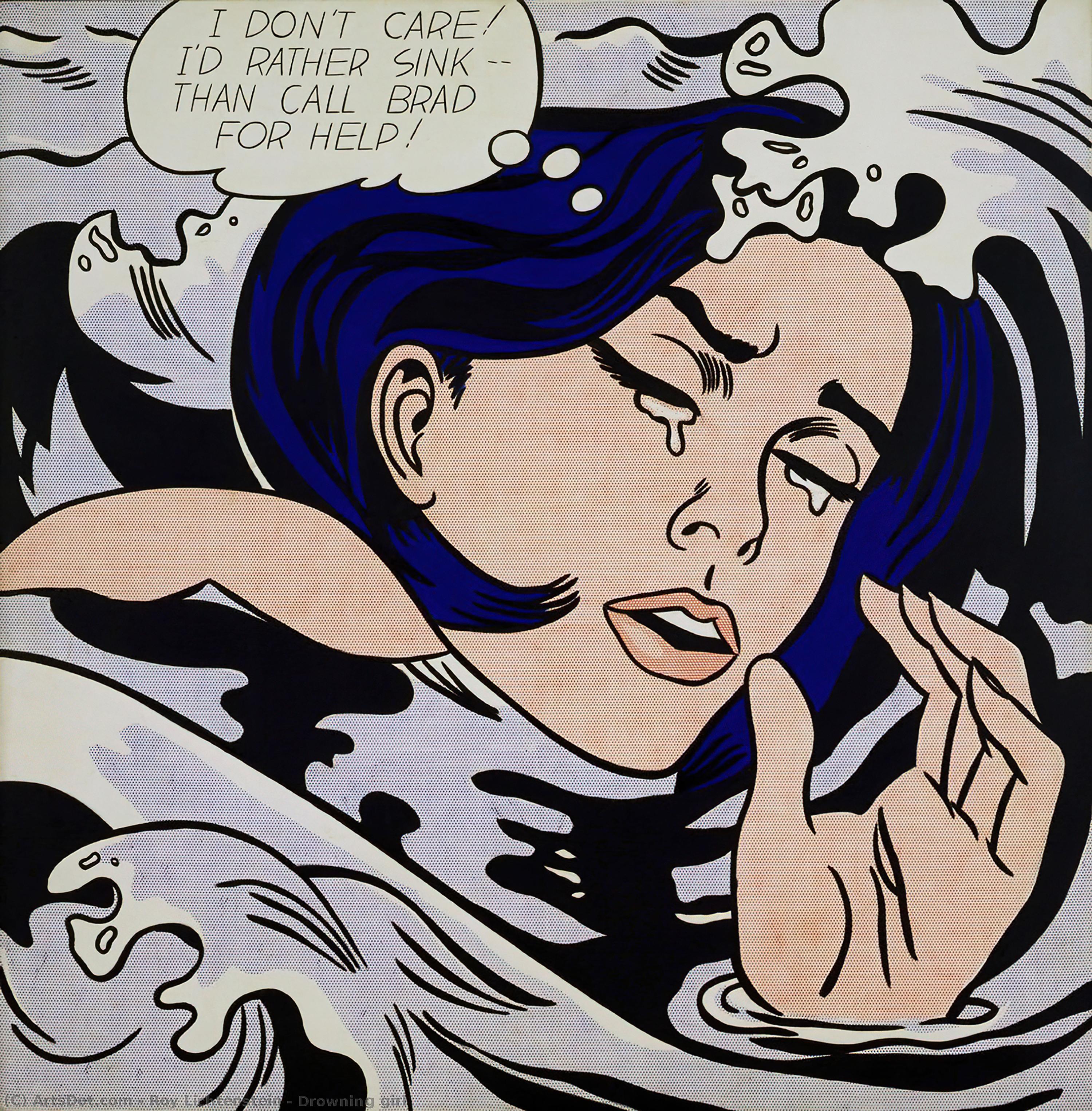
By 1963, the scale of his visual interrogation expands. Whaam! explodes across the canvas, utilizing the dramatic, fragmented panels of war comics to capture a moment of high-octane violence. Simultaneously, Drowning Girl presents a different kind of tension. It focuses on a woman submerged in water, her face marked by stylized tears and a speech bubble that expresses a sense of personal defiance. These works do not merely depict scenes; they freeze the melodrama of mass media into static, graphic objects.

The 1964 painting Nurse continues this exploration of the romantic and the dramatic. It utilizes the same high-contrast outlines and Ben-Day dots that define his most recognized period. The subject, a nurse from a comic romance novel, is rendered with a detachment that emphasizes the artificiality of the source material. His output during this era remains focused on the intersection of human emotion and industrial reproduction.

Later Years and Death

The 1960s brought a shift in his personal life when he married Dorothy Herzka in 1968. This period saw him continuing to produce a vast body of work, expanding his reach through various mediums. His output remained prolific, spanning over five thousand works including paintings, sculptures, and murals. He moved beyond the initial shock of his comic-inspired style to explore more complex compositions, including series that referenced classical art and landscapes.

The end came abruptly in the late 1990s. In August 1997, he contracted pneumonia. The illness proved too much for his system. He died from complications of the infection on September 29, 1997. He was 73 years old.

Legacy and Lasting Impact

The boundaries between high art and popular culture dissolve in the wake of his influence. By lifting the visual language of comic strips and advertising into the gallery, he forced a confrontation between fine art and the mass-produced imagery of everyday life. This shift did more than change the subject matter of painting; it challenged the very definition of artistic authorship and originality. His work remains a catalyst for critical dialogue regarding the intersection of art, culture, and commerce.

His presence is felt in major museum collections worldwide. From the halls of the Tate in London to the Museum of Modern Art in New York, his aesthetic remains a fundamental part of the modern canon. The impact of his method extends into graphic design, illustration, and contemporary digital art, where the tension between the mechanical and the hand-painted continues to resonate. He did not merely participate in the Pop Art movement; he helped originate it, establishing a visual vocabulary that remains a primary reference point for how we consume images in a media-saturated age.