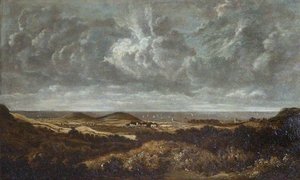
Robert Ladbrooke პორტრეტი

17 ყველაზე ცნობილი Robert Ladbrooke-ის ნახატი, გალერეის შერჩეული კოლექცია

განახლდა ნოემბერი 2026 · დალაგებულია ჩვენი პოპულარობის ქულების მიხედვით (ძიება, ნახვა და შეკვეთები თითოეული ნამუშწაროსთვის) · 17 ნამუშევარი Robert Ladbrooke ჩვენს კატალოგში

მოკლედ რომ ვთქვათ

Robert Ladbrooke-ის ყველა დატოვებული ორიგინალიდან ყველაზე ცნობილი The Mackerel Market on Yarmouth Beach, Norfolk (1810) არის. მისდაក្រោយ Landscape (1820) და Landscape with a Church (1840) მოდიან. ჩვენს კატალოგში Robert Ladbrooke-ის 17 ნამუშწარებია; გალერეამ შეინافظა ის 17 ნამუშწარო, რომლებსაც მსოფლიო ყველაზე მეტად აღიარებს, რომელთაგან თითოეული წარმოდგენილია თვის, მუზეუმისა და ისტორიის თანხლებით.

1768 – 1842, Norwich ყველაზე მეტი ნამشევრი: National Trust

Robert Ladbrooke-ის 10 საუკეთესო ნამუშgeryო: გალერეის არჩევანი

Robert Ladbrooke-ის შერჩევა გრძელდება, 11-დან 17-მდე

მუზეუმები, სადაც Robert Ladbrooke-ის ორიგინალები ინახება

ამ გვერდზე წარმოდგენილი მხატვრობის შედეგების უმეტესობას 7 მუზეუმი ინახავს.

მუზეუმი ქალაქი Robert Ladbrooke შემოქმედებაలు ამ სიიდან მოპოვებული ნახატები
National Trust, ნორვიჩიNational Trust ნორვიჩი 2 Beeston Regis from the 'Roman Camp', Man and Dog on a Path in a Wooded Landscape
The Stirling Smith Art Gallery - Museum, სტერლინგიThe Stirling Smith Art Gallery - Museum სტერლინგი 1 Landscape with a Church
სმიტსონის ამერიკული ხელოვნების მუზეუმი, ვაშინგტონი, დი.სი.სმიტსონის ამერიკული ხელოვნების მუზეუმი ვაშინგტონი, დი.სი. 1 Barnyard Scene
Norfolk Museums, NorwichNorfolk Museums Norwich 1 Yarmouth Harbour, Moonlight
Yale Center for British Art, ნიუ-ჰეივენიYale Center for British Art ნიუ-ჰეივენი 1 Wooded Landscape with Woman and Child Walking Down a Road
Towneley Hall Art Gallery - Museum, BurnleyTowneley Hall Art Gallery - Museum Burnley 1 The Old Farmstead
Wolverhampton Art Gallery, WolverhamptonWolverhampton Art Gallery Wolverhampton 1 An Oak Glade

Robert Ladbrooke ათწლეულების მიხედვით: ორიგინალი, რომელიც განსაზღვრავს თითოეულ მათგანს

ნამუშევრები ათწლეულების მიხედვით

შეარჩიეთ ათწლეული, რათა ნახოთ ის ორიგინალი ნამუშევარი, რომელიც მას განსაზღვრავს.

კოლექციონერთა კითხვები Robert Ladbrooke-ის ნახატებზე

რა ნამუშწარესით არის ყველაზე ცნობილი Robert Ladbrooke?გაამჟღავნეთ პასუხი

The Mackerel Market on Yarmouth Beach, Norfolk (1810). შემდეგ მოდიან Landscape (1820) და Landscape with a Church (1840).

რამდენage იყო Robert Ladbrooke, როდესაც შეიქმნა The Mackerel Market on Yarmouth Beach, Norfolk?გაამჟღავნეთ პასუხი

42 წლის: The Mackerel Market on Yarmouth Beach, Norfolk შექმნილია 1810 წელს, ხოლო Robert Ladbrooke დაიბადა 1768 წელს.

რა არის Robert Ladbrooke-ის 열 иң ცნობილი 열ი ტილო?გაამჟღავნეთ პასუხი

The Mackerel Market on Yarmouth Beach, Norfolk, Landscape, Landscape with a Church, Landscape with Trees, Cattle, and Stream, Barnyard Scene, Wood Scene, Yarmouth Beach, Norfolk, Yarmouth Harbour, Moonlight, Wooded Landscape with Woman and Child Walking Down a Road და A View of Norwich Castle and Cathedral, Norfolk. ზემოთ მოცემული რეიტინგი ასახავს თითოეულის შემოქმედების წელსა და მუზეუმს.

რამდენი სურათი დატოვა Robert Ladbrooke-მა?გაამჟღავნეთ პასუხი

ჩვენს კატალოგში წარმოდგენილია 17 ნამუშწევრი Robert Ladbrooke-ისგან, დათარიღებული 1800-დან 1840-მდე.

რომელ მუზეუმებშია და hangs Robert Ladbrooke-ის შედევრული ნამუშევრები?გაამჟღავნეთ პასუხი

ძირითადად National Trust (ნორვიჩი), The Stirling Smith Art Gallery - Museum (სტერლინგი) და სმიტსონის ამერიკული ხელოვნების მუზეუმი (ვაშინგტონი, დი.სი.)-ში. ზემოთ მოცემულ მუზეუმების ცხრილში ისინი ყველა listed.

მათ რომელ წლებში შექმნა Robert Ladbrooke-მა ყველაზე ცნობილი ნამუშევრები?გაამჟღავნეთ პასუხი

1810s-ში: ამ გვერდზე წარმოდგენილი 17 ნამუშწარwerksიდან 4 შეიქმნა მაშინ, მათგან The Mackerel Market on Yarmouth Beach, Norfolk.

რა არის Robert Ladbrooke-ის პირველი და ბოლო ცნობილი ორიგინალი?გაამჟღავნეთ პასუხი

ამ გვერდზე ყველაზე ადრეული არის Landscape with Trees, Cattle, and Stream (1800), ხოლო ყველაზე გვიანდელი — Landscape with a Church (1840).

Robert Ladbrooke-ის რომელ ნამუშევრებს ჰქ나 National Trust-ში?გაამჟღავნეთ პასუხი

Beeston Regis from the 'Roman Camp' და Man and Dog on a Path in a Wooded Landscape: National Trust, ნორვიჩი-ში წარმოდგენილია ამ გვერდზე მოცემული ნამუშევრების 2 ცალი.

Robert Ladbrooke: ცხოვრება და შემოქმედება

A Norfolk Visionary: The Life and Art of Robert Ladbrooke

Robert Ladbrooke, born in Norwich in 1768, stands as a pivotal figure in the development of British landscape painting, inextricably linked to the rise of the celebrated Norwich School. His story is one of humble beginnings blossoming into artistic leadership, a testament to dedication and a deep connection to his native Norfolk countryside. Apprenticed at a young age to an artist and printer named White, Ladbrooke’s early years instilled in him both technical skill and a practical understanding of image-making – foundations that would prove invaluable throughout his career. It was during this formative period that a crucial encounter occurred with John Crome, a fellow aspiring artist who shared Ladbrooke's passion and similar social standing. This meeting sparked not only a lifelong friendship but also an artistic partnership that would reshape the landscape of British art. The two young men lived together, dedicating their spare hours to sketching, copying masterworks, and nurturing their burgeoning talents. Their bond was further cemented when they married sisters, solidifying a personal and creative alliance that defined much of their artistic journeys.

Forging a New Path: The Norwich School and Artistic Development

The early 19th century witnessed a growing desire amongst artists to move beyond the dominance of London’s art institutions and cultivate regional identities. This spirit culminated in 1803 with the co-founding of the Norwich Society of Artists by Ladbrooke and Crome, an event that marked the true genesis of the Norwich School – England's first recognized art movement outside the capital. The school championed a direct engagement with nature, particularly the unique character of the Norfolk landscape. This wasn’t merely topographical representation; it was about capturing the essence of place, the subtle nuances of light and atmosphere, and the beauty inherent in everyday rural life. Initially, Ladbrooke practiced portraiture, but he soon gravitated towards landscapes, demonstrating a remarkable ability to portray atmospheric effects and evoke the mood of his subjects. His dedication earned him recognition, with regular exhibitions at both the Royal Academy and the British Institution. Though a brief secession from the Norwich Society in 1816, alongside Joseph Stannard and others, proved ultimately unsuccessful, it underscored a desire for artistic independence and a willingness to challenge established norms.

A Legacy in Landscape: Key Works and Artistic Style

Ladbrooke’s *oeuvre* is characterized by its unwavering focus on the rural areas of Norfolk – its churches, waterways, and expansive skies. While his reputation remained largely localized during his lifetime, his works are now recognized as significant contributions to British landscape art. Notable examples include his skillful aquatints, such as “A View of the Fellmongers on the River near Bishop’s Bridge” and “A View of Norwich Castle,” which showcase his mastery of light and atmosphere. However, it was his monumental project, “Views of the Churches of Norfolk,” that truly cemented his legacy. This ambitious undertaking, comprising over 650 lithographic plates published posthumously in five volumes (1843), stands as an invaluable visual record of Norfolk’s architectural heritage. Ladbrooke's style is defined by meticulous observation, a muted palette reflecting the distinctive quality of Norfolk light, and a profound sensitivity to mood and atmosphere. He drew inspiration from Dutch landscape painting traditions, evident in his careful attention to detail and atmospheric perspective.

A Family of Artists and Enduring Significance

Robert Ladbrooke’s influence extended far beyond his own artistic achievements, shaping the careers of his sons – Henry Ladbrooke and John Berney Ladbrooke – both accomplished artists who continued the Norwich School tradition. Henry gained acclaim for his evocative moonlight scenes, while John Berney excelled in depicting woodland landscapes. This familial continuation underscores the strength of the artistic environment fostered by Robert Ladbrooke. His role as a founder of the Norwich School holds immense historical significance. The school not only nurtured a sense of artistic community but also challenged the centralized authority of London-based art institutions, paving the way for regional artistic movements. Furthermore, “Views of the Churches of Norfolk” remains an invaluable historical document, offering insights into 19th-century architecture and rural life in East Anglia. Ladbrooke’s legacy is preserved through his works held in museums and private collections worldwide, ensuring that his contribution to British art continues to be appreciated by generations to come. He enjoyed a comfortable retirement thanks to the success of his teaching and artistic endeavors, passing away at his home on Scoles' Green, Norwich, on October 11, 1842 – marking the end of an era for the Norwich School, yet ensuring its enduring spirit lived on through his sons and the continued appreciation of his evocative landscapes.