


1


განახლდა ნოემბერი 2026 · დალაგებულია ჩვენი პოპულარობის ქულების მიხედვით (ძიება, ნახვა და შეკვეთები თითოეული ნამუშწაროსთვის) · 59 ნამუშევარი Robert Gwathmey ჩვენს კატალოგში
მოკლედ რომ ვთქვათ
The Farmer Wanted a Boy (1942) არის Robert Gwathmey-ის ის ნამუშწარო, რომელიც ყველაზე მეტ ყურადღებას იქცევს; ორიგინალი იმყოფება ჩიკაგოს ხელოვნების ინსტიტუტი-ში, ჩიკაგო. ამის შემდეგ, მზერა გადადის Portrait of a Farmer's Wife (1951)-სა და Parade (1951)-ზე. ჩვენს კატალოგში არსებული Robert Gwathmey-ის 59 ნამუშწაროდან ეს 56 ყველაზე ცნობილია; თითოეული მათგანი წარმოადგენს უნიკალურ ორიგინალს, რომელიც წარმოდგენილია წელით, მუზეუმითა და იმ მიზეზით, რის გამოც ის დღემდე ცოცხლობს.


The Parade painting by Robert Gwathmey is a remarkable piece of art that showcases the artist's unique style and technique. Created in 1951, this watercolour painting measures 53 x 36 cm and is currently housed at the Smithsonian American Art Museum in the United States. Artist Background Robert Gwathmey was an American artist known for his bold and expressive works of art. Born in 1903, he was a prominent figure…


 Untitled (853)
12
 Untitled (574)
13
 Untitled (791)
14
 Untitled (219)
15
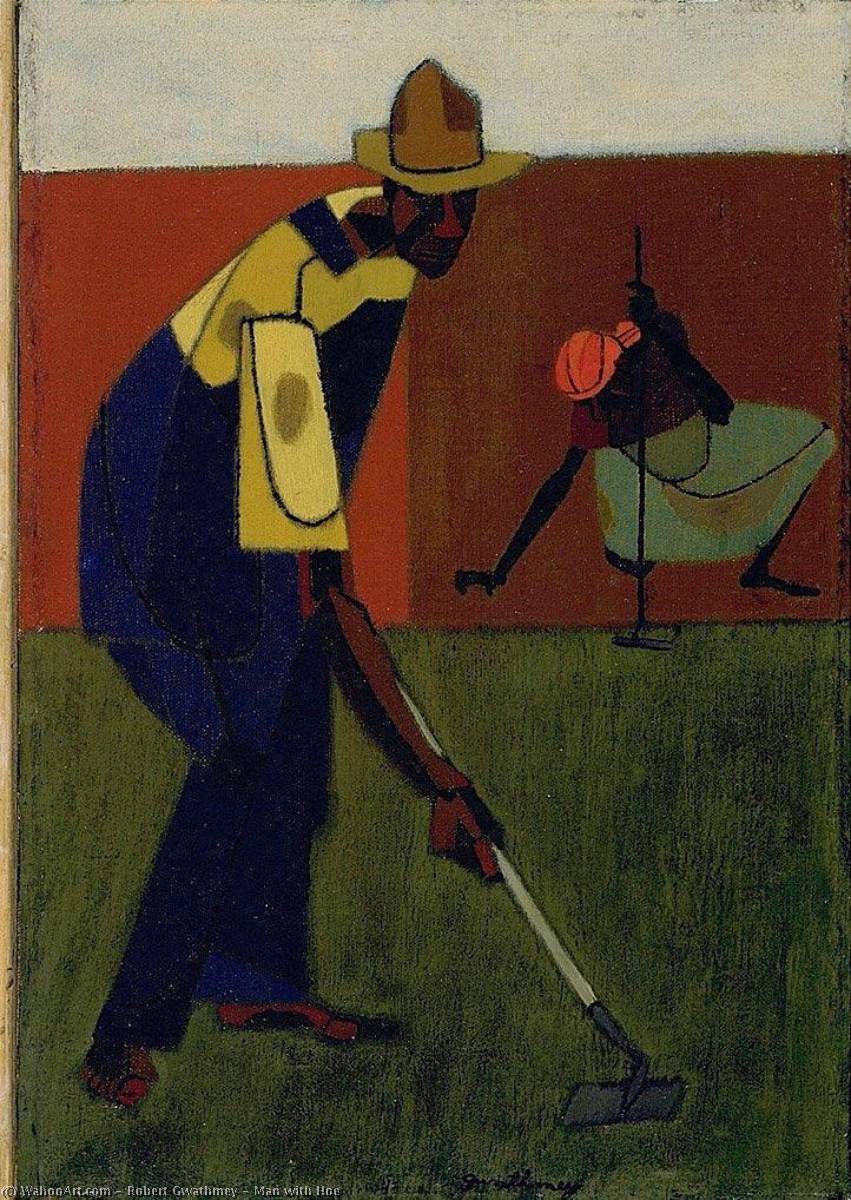
 Man with Hoe1944
16
 Singing and Mending1944
17
 Front Porch1947
18
 Poll Tax Country1945
19
 Sharecroppers and Blackberry Pickers1950
20
 Carrying the Sack1950
21
 Asleep at the Table1945 · ოგდენის სამხრეთ ხელოვნების მუზეუმი
22
 Untitled (813)
23
 Untitled (585)
24
 Untitled (196)
25
 Untitled (106)
26
 Untitled (721)
27
 Untitled (226)
28
 Untitled (193)
29
 Untitled (805)
30
 Untitled (561)
31
 Untitled (348)
32
 Untitled (491)
33
 Untitled (360)
34
 Untitled (416)
35
 Untitled (558)
36
 Untitled (285)
37
 Untitled (857)
38
 Untitled (207)
39
 Untitled (788)
40
 Untitled (724)
41
 Untitled (668)
42
 Untitled (655)
43
 Untitled (626)
44
 Untitled (735)
45
 Untitled (909)
46
 Untitled (968)
47
 Untitled (878)
48
 Untitled (106)
49
 Untitled (958)
50
 Untitled (857)
51
 Untitled (430)
52
 Untitled (750)
53
 Untitled (183)
54
 Untitled (229)
55
 Untitled (565)
56
 Going Home
ამ გვერდზე წარმოდგენილი მხატვრობის შედეგების უმეტესობას 2 მუზეუმი ინახავს.
| მუზეუმი | ქალაქი | Robert Gwathmey შემოქმედებაలు | ამ სიიდან მოპოვებული ნახატები |
|---|---|---|---|
 ჩიკაგოს ხელოვნების ინსტიტუტი |
ჩიკაგო | 1 | The Farmer Wanted a Boy |
 ოგდენის სამხრეთ ხელოვნების მუზეუმი |
New Orleans | 1 | Asleep at the Table |
Robert Gwathmey-ის აქ წარმოდგენილი ორიგინალი ნამუშევრები დაახლოებით ათწლეულს მოიცავს, 1942-დან 1951-მდე: მზერა მათ წელიწადী마다 მიჰყვება.
შეარჩიეთ წელი ორიგინალების სანახავად.


The Farmer Wanted a Boy (1942), ჩიკაგოს ხელოვნების ინსტიტუტი, ჩიკაგო. შემდეგ მოდიან Portrait of a Farmer's Wife (1951) და Parade (1951).
39 წლის: The Farmer Wanted a Boy შექმნილია 1942 წელს, ხოლო Robert Gwathmey დაიბადა 1903 წელს.
The Farmer Wanted a Boy, Portrait of a Farmer's Wife, Parade, Untitled (504), Untitled (978), Untitled (811), Untitled (540), Untitled (830), Untitled (598) და Untitled (389). ზემოთ მოცემული რეიტინგი ასახავს თითოეულის შემოქმედების წელსა და მუზეუმს.
ჩვენს კატალოგში წარმოდგენილია 59 ნამუშწევრი Robert Gwathmey-ისგან, დათარიღებული 1942-დან 1951-მდე.
ძირითადად ჩიკაგოს ხელოვნების ინსტიტუტი (ჩიკაგო) და ოგდენის სამხრეთ ხელოვნების მუზეუმი (New Orleans)-ში. ზემოთ მოცემულ მუზეუმების ცხრილში ისინი ყველა listed.
1944-ში: ამ გვერდზე წარმოდგენილი 56 ნამუშწარwerksიდან 2 შეიქმნა მაშინ, მათგან Man with Hoe.
ამ გვერდზე ყველაზე ადრეული არის The Farmer Wanted a Boy (1942), ხოლო ყველაზე გვიანდელი — Portrait of a Farmer's Wife (1951).
Social realism, ამ გვერდზე წარმოდგენილი ორიგინალების მიხედვით.