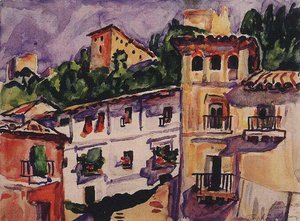
პეტრე კონჩალოვსკი პორტრეტი

პეტრე კონჩალოვსკი-ის ნახატები: 100 ყველაზე ცნობილი ნამუშევარი, গალერეის თcraftით

განახლდა ნოემბერი 2026 · დალაგებულია ჩვენი პოპულარობის ქულების მიხედვით (ძიება, ნახვა და შეკვეთები თითოეული ნამუშწაროსთვის) · 797 ნამუშევარი პეტრე კონჩალოვსკი ჩვენს კატალოგში

მოკლედ რომ ვთქვათ

გალერეის თვალს, პეტრე კონჩალოვსკი-ის ყველაზე ცნობილი ნამუშწაროა Bridge in Abramtsevo (1911). Matador Manuel Gartha (1910) და San Gimignano (1912) ქმნიან იმ ტრიოს, რომელიც ყველამ იცნობს. ჩვენს კატალოგში არსებული პეტრე კონჩალოვსკი-ის 797 ნამუშწაროდან, გალერეა ქვემოთ წარმოგიდგენთ 100 ყველაზე ცნობილ მათგანს; თითოეული მათგანი არის ორიგინალი, რომლის აღწერა მოიცავს შემოქმედების წელს, მუზეუმს და იმ დეტალებს, რაც მას უნიკალურს ხდის.

1876 – 1956, სლოვიანსკი Fauvism ყველაზე მეტი ნამشევრი: The State Museum of Fine Arts of Tatarstan Republic

გალერეის პეტრე კონჩალოვსკი 10 საუკეთესო ნამი에도

1
Bridge in Abramtsevo (1911) ავტორის: პეტრე კონჩალოვსკი

Bridge in Abramtsevo

1911 · Oil On Canvas

Pyotr Konchalovsky's "Bridge in Abramtsevo," painted in 1911, stands as a cornerstone of the Fauvist movement—a bold declaration against Impressionism’s muted palette and a fervent embrace of expressive color. Measuring 91 x 91 cm, this canvas isn’t merely a depiction of a rural landscape; it's an embodiment of artistic rebellion fueled by a deep connection to Russian folklore and tradition.

2
Matador Manuel Gartha (1910) ავტორის: პეტრე კონჩალოვსკი

Matador Manuel Gartha

1910 · Oil On Canvas

In this 1910 portrait, we encounter Manuel Gartha not merely as a figure, but as a concentrated force of will. The matador is rendered with a striking intensity that commands the viewer's immediate attention. He is dressed in the traditional attire of his profession: a black jacket, a crisp white shirt, and a red tie. These elements are handled with meticulous detail, providing a grounded realism that anchors the composition.…

3
San Gimignano (1912) ავტორის: პეტრე კონჩალოვსკი

San Gimignano

1912 · Oil On Canvas

The canvas known as San Gimignano captures a moment of urban life through the hand of Pyotr Konchalovsky. This work, dating to 1912, presents a view of the Italian cityscape that feels immediate and alive. The artist, Pyotr Konchalovsky, brings a specific energy to the scene, one that reflects his own complex history and the shifting currents of the early twentieth century.

4
Piazza della Signoria in Siena (1912) ავტორის: პეტრე კონჩალოვსკი

Piazza della Signoria in Siena

Piazza della Signoria in Siena is a work by Pyotr Konchalovsky, executed in 1912. The artist, born in Sloviansk, Ukraine, in 1876, developed a distinctive style through his studies in Paris and his involvement with the Jack of Diamonds group. His approach often integrated the structural clarity of Cezannism with the expressive intensity of Fauvism.

6
A boy with a cock (1933) ავტორის: პეტრე კონჩალოვსკი

A boy with a cock

1933 · Oil

A young boy sits upon the earth, his small frame anchored to the ground. He wears a simple white shirt that catches the light, a stark brightness against the darker tones of his hair. His eyes are fixed directly upon us, creating a silent, steady connection that pulls the viewer into his quiet space. Beside him, a rooster stands with a sense of sudden movement, its feathers a study in…

7
Andron with a dog (1949) ავტორის: პეტრე კონჩალოვსკი

Andron with a dog

1949 · Oil On Canvas

To gaze upon Pyotr Konchalovsky’s depiction of Andron with a dog is to step through a veil into a sun-drenched memory. This painting is not merely a record of an afternoon spent in an orchard; it is an immersion into the very essence of childhood companionship and rural tranquility. The composition centers on a young boy, Andron, accompanied by his loyal canine friend, set against a backdrop bursting with life—apple…

8
Venice. Rialto Bridge. (1924) ავტორის: პეტრე კონჩალოვსკი

Venice. Rialto Bridge.

1924 · Oil

We are looking at Venice. Rialto Bridge., a work created by Pyotr Konchalovsky in 1924. This piece captures a specific moment in the artist's long and evolving career, reflecting a period when his stylistic interests were deeply engaged with the modern spirit of Europe. The canvas offers a view of one of the most recognizable structures in Italy, rendered through a lens that prioritizes the essence of the scene over…

10
Still Life. Lilacs. (1937) ავტორის: პეტრე კონჩალოვსკი

Still Life. Lilacs.

1937 · Oil On Canvas

In Still Life. Lilacs. by Pyotr Konchalovsky, the arrangement is centered on a wicker basket containing a dense cluster of blossoms. The flowers are predominantly purple, interspersed with white blossoms that create a variation in tone. Green leaves surround the floral arrangement, providing a color contrast against the purple petals. The basket rests upon a table that is covered with a beige or light brown cloth.

პეტრე კონჩალოვსკი-ის ნახატები, რეიტინგით 11-დან 100-მდე

11View on Beshtau place duel with Lermontov (1938) ავტორის: პეტრე კონჩალოვსკიView on Beshtau place duel with Lermontov1938 12Still Life. Woodcock and gun. (1934) ავტორის: პეტრე კონჩალოვსკიStill Life. Woodcock and gun.1934 13Lermontov (1943) ავტორის: პეტრე კონჩალოვსკიLermontov1943 14Olive-wood (1952) ავტორის: პეტრე კონჩალოვსკიOlive-wood1952 15Family Portrait (Siena) (1912) ავტორის: პეტრე კონჩალოვსკიFamily Portrait (Siena)1912 16Oak tree (1921) ავტორის: პეტრე კონჩალოვსკიOak tree1921 17Siena (1912) ავტორის: პეტრე კონჩალოვსკიSiena1912 18Self-portrait in gray (1911) ავტორის: პეტრე კონჩალოვსკიSelf-portrait in gray1911 19House in Abramtsevo (1911) ავტორის: პეტრე კონჩალოვსკიHouse in Abramtsevo1911 20Portrait of Zinaida Kozhukhovskaya (1906) ავტორის: პეტრე კონჩალოვსკიPortrait of Zinaida Kozhukhovskaya1906 21Matador Manuel Gartha (1910) ავტორის: პეტრე კონჩალოვსკიMatador Manuel Gartha1910 22Bullfight. Study. (1910) ავტორის: პეტრე კონჩალოვსკიBullfight. Study.1910 23Sorrento. Garden. (1924) ავტორის: პეტრე კონჩალოვსკიSorrento. Garden.1924 24Abramtsevo. Oak Grove. (1920) ავტორის: პეტრე კონჩალოვსკიAbramtsevo. Oak Grove.1920 25Portrait of S. P. Konchalovsky with her daughter (1916) ავტორის: პეტრე კონჩალოვსკიPortrait of S. P. Konchalovsky with her daughter1916 26Sleeping woman (1917) ავტორის: პეტრე კონჩალოვსკიSleeping woman1917 27Portrait of a pianists Verigin (1918) ავტორის: პეტრე კონჩალოვსკიPortrait of a pianists Verigin1918 28Novgorod the Great. At the fence of the cathedral. (1925) ავტორის: პეტრე კონჩალოვსკიNovgorod the Great. At the fence of the cathedral.1925 29Forging of buffalo. Study. (1927) ავტორის: პეტრე კონჩალოვსკიForging of buffalo. Study.1927 30Volkhov. At the ferry. (1926) ავტორის: პეტრე კონჩალოვსკიVolkhov. At the ferry.1926 31Vissarion a shoemaker at work (1926) ავტორის: პეტრე კონჩალოვსკიVissarion a shoemaker at work1926 32Peterhof (1931) ავტორის: პეტრე კონჩალოვსკიPeterhof1931 33Moscow. Pharmacy in Sadovaya. (1931) ავტორის: პეტრე კონჩალოვსკიMoscow. Pharmacy in Sadovaya.1931 34Bolshaya Sadovaya. Pink House. (1931) ავტორის: პეტრე კონჩალოვსკიBolshaya Sadovaya. Pink House.1931 35Leningrad. Million street. (1931) ავტორის: პეტრე კონჩალოვსკიLeningrad. Million street.1931 36Birches in the Knobs (1941) ავტორის: პეტრე კონჩალოვსკიBirches in the Knobs1941 37Portrait of Manuel Pavon (1940) ავტორის: პეტრე კონჩალოვსკიPortrait of Manuel Pavon1940 38Set decor for opera 'Carmen' by Georges Bizet (1944) ავტორის: პეტრე კონჩალოვსკიSet decor for opera 'Carmen' by Georges Bizet1944 39Still Life. Every victuals. (1944) ავტორის: პეტრე კონჩალოვსკიStill Life. Every victuals.1944 40Portrait of daughter (1912) ავტორის: პეტრე კონჩალოვსკიPortrait of daughter1912 41A. N. Tolstoy, visiting the artist (1941) ავტორის: პეტრე კონჩალოვსკიA. N. Tolstoy, visiting the artist1941 42Agave (1916) ავტორის: პეტრე კონჩალოვსკიAgave1916 43The woman in front of a mirror (1923) ავტორის: პეტრე კონჩალოვსკიThe woman in front of a mirror1923 44Pushkin at the Mikhailovsky ავტორის: პეტრე კონჩალოვსკიPushkin at the Mikhailovsky 45Katya with a dog ავტორის: პეტრე კონჩალოვსკიKatya with a dog 46Bread on the green (1913) ავტორის: პეტრე კონჩალოვსკიBread on the green1913 47Novgorod (1944) ავტორის: პეტრე კონჩალოვსკიNovgorod1944 48Still Life. Table with a hat. (1929) ავტორის: პეტრე კონჩალოვსკიStill Life. Table with a hat.1929 49Still Life with Peonies in a Vase (1912) ავტორის: პეტრე კონჩალოვსკიStill Life with Peonies in a Vase1912 50Golden Age (1946) ავტორის: პეტრე კონჩალოვსკიGolden Age1946 51Pine tree (1920) ავტორის: პეტრე კონჩალოვსკიPine tree1920 52The landscape. Coast of France. (1908) ავტორის: პეტრე კონჩალოვსკიThe landscape. Coast of France.1908 53Portrait of the actress Vera Georgievna Dulova (1949) ავტორის: პეტრე კონჩალოვსკიPortrait of the actress Vera Georgievna Dulova1949 54Still Life. Orchids. (1928) ავტორის: პეტრე კონჩალოვსკიStill Life. Orchids.1928 55Female portrait (Voronova). Study. (1898) ავტორის: პეტრე კონჩალოვსკიFemale portrait (Voronova). Study.1898 56Garden near Rome. Peaches in bloom. (1904) ავტორის: პეტრე კონჩალოვსკიGarden near Rome. Peaches in bloom.1904 57Archangelsk. Ships in port. (1903) ავტორის: პეტრე კონჩალოვსკიArchangelsk. Ships in port.1903 58Winter. The Mill on the Ker-island. (1903) ავტორის: პეტრე კონჩალოვსკიWinter. The Mill on the Ker-island.1903 59Female nude ავტორის: პეტრე კონჩალოვსკიFemale nude 60Seated nude ავტორის: პეტრე კონჩალოვსკიSeated nude 61Spanish landscape. Palm. (1910) ავტორის: პეტრე კონჩალოვსკიSpanish landscape. Palm.1910 62Portrait of Akulina Maximovna Kopaneva (1906) ავტორის: პეტრე კონჩალოვსკიPortrait of Akulina Maximovna Kopaneva1906 63Spain. Kaldetes. Oliva. (1910) ავტორის: პეტრე კონჩალოვსკიSpain. Kaldetes. Oliva.1910 64Female nude ავტორის: პეტრე კონჩალოვსკიFemale nude 65Bathers ავტორის: პეტრე კონჩალოვსკიBathers 66Grenada (1910) ავტორის: პეტრე კონჩალოვსკიGrenada1910 67Study (1907) ავტორის: პეტრე კონჩალოვსკიStudy1907 68Still Life with a jug (1910) ავტორის: პეტრე კონჩალოვსკიStill Life with a jug1910 69Versailles. Ivy. (1908) ავტორის: პეტრე კონჩალოვსკიVersailles. Ivy.1908 70Girl with a Fan (1908) ავტორის: პეტრე კონჩალოვსკიGirl with a Fan1908 71Sevilla. Matador. (1910) ავტორის: პეტრე კონჩალოვსკიSevilla. Matador.1910 72Tulips (1908) ავტორის: პეტრე კონჩალოვსკიTulips1908 73Pasha with the red book (on white) (1909) ავტორის: პეტრე კონჩალოვსკიPasha with the red book (on white)1909 74Two guitarists and singer (1910) ავტორის: პეტრე კონჩალოვსკიTwo guitarists and singer1910 75Guitarist and singer (1910) ავტორის: პეტრე კონჩალოვსკიGuitarist and singer1910 76Belkino. Garden. (1907) ავტორის: პეტრე კონჩალოვსკიBelkino. Garden.1907 77France. Nemours. (1908) ავტორის: პეტრე კონჩალოვსკიFrance. Nemours.1908 78Flower-garden (1909) ავტორის: პეტრე კონჩალოვსკიFlower-garden1909 79Namur. France. (1908) ავტორის: პეტრე კონჩალოვსკიNamur. France.1908 80Belkino. Birches. (1907) ავტორის: პეტრე კონჩალოვსკიBelkino. Birches.1907 81South of France. Palma. (1908) ავტორის: პეტრე კონჩალოვსკიSouth of France. Palma.1908 82Bridge (1911) ავტორის: პეტრე კონჩალოვსკიBridge1911 83Soldiers (1910) ავტორის: პეტრე კონჩალოვსკიSoldiers1910 84Versailles. Statue. (1908) ავტორის: პეტრე კონჩალოვსკიVersailles. Statue.1908 85Self-portrait (1910) ავტორის: პეტრე კონჩალოვსკიSelf-portrait1910 86Natasha at the window (1910) ავტორის: პეტრე კონჩალოვსკიNatasha at the window1910 87Bullfight in Sevilla (1910) ავტორის: პეტრე კონჩალოვსკიBullfight in Sevilla1910 88Palm trees and geranium (1908) ავტორის: პეტრე კონჩალოვსკიPalm trees and geranium1908 89Spanish woman (1910) ავტორის: პეტრე კონჩალოვსკიSpanish woman1910 90San - Maxim. Palma. (1908) ავტორის: პეტრე კონჩალოვსკიSan - Maxim. Palma.1908 91Irises (1911) ავტორის: პეტრე კონჩალოვსკიIrises1911 92Gardener (1908) ავტორის: პეტრე კონჩალოვსკიGardener1908 93The city of Arles. The square. (1908) ავტორის: პეტრე კონჩალოვსკიThe city of Arles. The square.1908 94Portrait of O. Konchalovskaya (1909) ავტორის: პეტრე კონჩალოვსკიPortrait of O. Konchalovskaya1909 95Abramtsevo. Landscape with carpentry. (1911) ავტორის: პეტრე კონჩალოვსკიAbramtsevo. Landscape with carpentry.1911 96Belkino. Garden. (1907) ავტორის: პეტრე კონჩალოვსკიBelkino. Garden.1907 97Still Life. Fruits. (1908) ავტორის: პეტრე კონჩალოვსკიStill Life. Fruits.1908 98Walk of gravedigger (1910) ავტორის: პეტრე კონჩალოვსკიWalk of gravedigger1910 99House of bullfighting amateur (1910) ავტორის: პეტრე კონჩალოვსკიHouse of bullfighting amateur1910 100Still life (1910) ავტორის: პეტრე კონჩალოვსკიStill life1910

პეტრე კონჩალოვსკი-ის ცნობილი სურათები, პერიოდების მიხედვით

Early 20th Century

1908 – 1918 · 4 ნამუშწარwerks ამ სიაში

სუბიექტები, რომლებმაც პეტრე კონჩალოვსკი-ის ყურადღება მიიპყრო

ამ ორიგინალებში ყველაზე ხშირად განმეორებადი არის 네 თემა, რომელთაგან თითოეულს თავისი საუკეთესო ნიმუში წარმოგვიდგება.

მუზეუმები, სადაც პეტრე კონჩალოვსკი-ის ორიგინალები ინახება

მუზეუმი, რომელიც ამ გვერდზე წარმოდგენილი მოდგმების უმეტესობას ინახავს.

მუზეუმი ქალაქი პეტრე კონჩალოვსკი შემოქმედებაలు ამ სიიდან მოპოვებული ნახატები
The State Museum of Fine Arts of Tatarstan Republic, KazanThe State Museum of Fine Arts of Tatarstan Republic Kazan 1 Piazza della Signoria in Siena

პეტრე კონჩალოვსკი, ერთი ავთენტური ნამუშწარები ათწლეულში

ნამუშევრები ათწლეულების მიხედვით

შეარჩიეთ ათწლეული, რათა ნახოთ ის ორიგინალი ნამუშევარი, რომელიც მას განსაზღვრავს.

პეტრე კონჩალოვსკი-ის ნახატები: გალერეის პასუხები

რომელი პეტრე კონჩალოვსკი ტილოა ყველაზე ცნობილი?გაამჟღავნეთ პასუხი

Bridge in Abramtsevo (1911). შემდეგ მოდიან Matador Manuel Gartha (1910) და San Gimignano (1912).

რამდენage იყო პეტრე კონჩალოვსკი Bridge in Abramtsevo-ის დასრულებისას?გაამჟღავნეთ პასუხი

35 წლის: Bridge in Abramtsevo შექმნილია 1911 წელს, ხოლო პეტრე კონჩალოვსკი დაიბადა 1876 წელს.

რომელია პეტრე კონჩალოვსკი-ის 10 საუკეთესო ნამუშწარო?გაამჟღავნეთ პასუხი

Bridge in Abramtsevo, Matador Manuel Gartha, San Gimignano, Piazza della Signoria in Siena, Katya on the lap (a nurse), A boy with a cock, Andron with a dog, Venice. Rialto Bridge., Katya sleeping და Still Life. Lilacs.. ზემოთ მოცემული რეიტინგი ასახავს თითოეულის შემოქმედების წელსა და მუზეუმს.

რამდენიმე ნამუშწარები შექმნა პეტრე კონჩალოვსკი-მა?გაამჟღავნეთ პასუხი

ჩვენს კატალოგში წარმოდგენილია 797 ნამუშწევრი პეტრე კონჩალოვსკი-ისგან, დათარიღებული 1898-დან 1952-მდე.

სად hanging პეტრე კონჩალოვსკი-ის ყველაზე ცნობილი ორიგინალები?გაამჟღავნეთ პასუხი

ძირითადად The State Museum of Fine Arts of Tatarstan Republic (Kazan)-ში. ზემოთ მოცემულ მუზეუმების ცხრილში ისინი ყველა listed.

როდის შექმნა პეტრე კონჩალოვსკი-მა ყველაზე ცნობილი სურათები?გაამჟღავნეთ პასუხი

1910s-ში: ამ გვერდზე წარმოდგენილი 100 ნამუშწარwerksიდან 35 შეიქმნა მაშინ, მათგან Bridge in Abramtsevo.

რომლებიც პეტრე კონჩალოვსკი-ის ყველაზე ადრეული და ბოლო ცნობილი ნამუშევრებია?გაამჟღავნეთ პასუხი

ამ გვერდზე ყველაზე ადრეული არის Female portrait (Voronova). Study. (1898), ხოლო ყველაზე გვიანდელი — Olive-wood (1952).

რომელ თემებს მიმართავდა პეტრე კონჩალოვსკი ყველაზე ხშირად?გაამჟღავნეთ პასუხი

Russian art (11), Landscape (10) და Buildings (9), ამ გვერდზე წარმოდგენილ 100 ნამუშწარეს შორის.

რა ტექნიკით მუშაობდა პეტრე კონჩალოვსკი ყველაზე ხშირად?გაამჟღავნეთ პასუხი

Oil On Canvas, ამ გვერდზე არსებული 100 ნამუშწაროსგან 37 ცალიდან.

რომელ მიძღვნასთან არის დაკავშირებული პეტრე კონჩალოვსკი?გაამჟღავნეთ პასუხი

Fauvism, ამ გვერდზე წარმოდგენილი ორიგინალების მიხედვით.

პეტრე კონჩალოვსკი: მხატვარი

Early Life, Family and Artistic Training

The story of Pyotr Konchalovsky begins in the village of Slavianka, located within the Kharkov Governorate of the Russian Empire. Born on 21 February 1876, he entered a world where the boundaries of art and intellect were already being drawn by those around him. His father, Pyotr Petrovich Konchalovsky, was a man of letters and a publisher of art, a profession that ensured the household was steeped in the visual and literary currents of the era. This environment provided a natural, if quiet, introduction to the life of a creator, as the family eventually moved to Moscow, where the home became a gathering place for many significant figures of the Russian art scene.

His formal education began in the classrooms of the Moscow School of Painting, Sculpture and Architecture. It was here that the young man first began to refine his technical grasp of form and color. However, his ambitions eventually pulled him toward the heart of the Western art world. Between 1896 and 1898, he traveled to Paris to study at the Académie Julian. This period of immersion in the French atmosphere allowed him to witness firsthand the shifting perspectives of European modernism, an experience that would later inform his own distinctive approach to the canvas.

Upon returning to his homeland, he sought the highest level of academic rigor, enrolling in the Imperial Academy of Arts in Saint Petersburg. He remained there until 1907, when he graduated as a trained painter and graphic artist. This rigorous training, spanning from the studios of Moscow to the academies of Paris and Saint Petersburg, provided the foundation for a career that would eventually navigate the complex shifts of the Russian and Soviet eras.

The Rise of the Russian Avant-Garde

As the winds of change swept through the Russian art scene, Konchalovsky found himself at the center of a radical storm. He became a founding member and the chairman of the Jack of Diamonds group, a collective that sought to shatter the stale traditions of the academy. This society, which he helped co-found in 1910, acted as a vessel for new, daring ideas that challenged the established order. His leadership within this group helped define a period of intense experimentation, where the old rules of representation were cast aside in favor of something much more visceral.

His canvases from these years reveal a man deeply engaged with the modern spirit of Europe. He moved away from mere imitation, instead embracing the bold, expressive qualities of Fauvism and the structural clarity of Cezannism. This was a time of profound discovery, where he sought to capture the essence of form and color through a lens that was both modern and deeply personal. His work during this era reflected a restless energy, mirroring the shifting landscape of a nation in flux.

Technique, Style and Artistic Influences

The brushwork of Konchalovsky was shaped by a profound encounter with the masters of the West. During his time in Paris, he found himself drawn to the structured compositions of Paul Cézanne, a connection that would define much of his early development. He sought to understand the very essence of form through this Cezannism, yet he was equally moved by the expressive intensity found in the works of Vincent van Gogh. This pursuit of color and emotion led him to Arles, where he attempted to penetrate the heart of Van Gogh’s vision. He also drew inspiration from the bold, flattened aesthetics of Paul Gauguin, blending these diverse European currents into a singular, searching language.

His style was never a static thing; it was a restless dialogue between competing movements. He moved through the experiments of Cubism and the bright, uninhibited palettes of Fauvism, often finding common ground with Primitivism. There was a certain weight to his figures, a sense of corporeality that some linked to the traditions of Venetian painting. This ability to balance the radical with the substantial allowed him to navigate the shifting tides of Russian modernism. He was a man who could embrace the avant-garde while maintaining a deep, underlying connection to the physical presence of his subjects.

As the years passed and the political landscape of his country shifted, his approach underwent a final, significant transformation. He moved away from the experimental fervor of his youth to become a late realist master. This evolution saw him trade the fragmented planes of his earlier years for a more solid, grounded representation of life. Even as he embraced the requirements of a new era, the strength of his hand remained evident in his depictions of the world around him.

Transition to Socialist Realism

As the political winds in Russia shifted, Konchalovsky found himself navigating a landscape that demanded a new kind of visual language. In 1922, he made a significant move by joining the Association of Artists of Revolutionary Russia, an organization that stood in stark opposition to the avant-garde circles he had once led. This was a period of profound realignment. By the 1930s, the experimental spirit of his youth began to recede, replaced by a commitment to Socialist Realism. He did not merely adopt this style; he became a classic exemplar of Soviet painting, finding a way to harmonize his technical skill with the ideological requirements of the era.

This transition was marked by a shift toward a more monumental and solid form of representation. While his earlier years were defined by the pursuit of modernism, his later output reflected the gravity of the state. His ability to adapt his artistic voice to these changing currents did not go unnoticed by the authorities. In 1943, he was honored as a Laureate of the Stalin Prize, a recognition that solidified his standing within the official artistic establishment. His work from this time often carried a sense of weight and permanence, capturing the spirit of a nation in flux through a lens of structured, purposeful realism.

Key Works and Artistic Output

Throughout a career marked by constant movement and shifting loyalties, Konchalovsky produced a vast body of work, estimated at more than five thousand pieces. His hand moved between the intimate details of a tabletop and the grand scale of public life. In 1911, he turned his attention to the quiet, earthy textures of nature in Mushrooms. This period of his life saw him exploring how light and form could be simplified to capture the essence of a subject. By 1912, his gaze had traveled toward the Mediterranean, resulting in Siena: Piazza dei Signori, a work that reflected his deep engagement with the structures and colors of the Italian landscape.

As the years passed and the political winds of Russia shifted, his subjects changed to match the era. He did not merely observe; he adapted his vision to the changing world around him. In 1916, he produced Agave, a work that demonstrated his continued interest in the interplay of bold shapes. His output remained prolific even as he navigated the complexities of the Soviet regime, moving from the experimental spirit of his youth toward a more monumental and ceremonial style of portraiture and landscape. He sought to find a way to maintain his personal voice even when the requirements of the state demanded a different kind of representation.

Family Legacy and Personal Life

The artist’s private life was deeply intertwined with the creative currents of his era. In 1902, he married Olga Surikova, a union that anchored him within a circle of intellectuals and creators. This domestic sphere was never quiet, as the impulse to create seemed to run through his very bloodline. His children did not merely observe his work but pursued their own distinct paths of expression, ensuring the family name remained etched in the cultural fabric of the nation.

His son, Mikhail Petrovich Konchalovsky, followed the visual arts, adopting the brush to navigate his own aesthetic concerns. Meanwhile, his daughter, Natalia Konchalovskaya, found her voice through the written word, becoming a poet and a writer of stories for children. The creative spark continued to leap across generations; his grandson, Nikita Mikhalkov, eventually moved into the realm of cinema as a film director. Through these descendants, the influence of the painter reached far beyond the canvas, extending into the worlds of literature and film.