


1


განახლდა ნოემბერი 2026 · დალაგებულია ჩვენი პოპულარობის ქულების მიხედვით (ძიება, ნახვა და შეკვეთები თითოეული ნამუშწაროსთვის) · 60 ნამუშევარი Peter Jacob Horemans ჩვენს კატალოგში
მოკლედ რომ ვთქვათ
Peter Jacob Horemans-ის ყველა დატოვებული ორიგინალიდან ყველაზე ცნობილია Portrait of Frau Heigl (1738), რომელიც მუნხენი-ში მდებარე ბავარიის სახელმწიფო ფერწერის კოლექციები-ის კოლექციაშია. მისდაក្រោយ Kitchen Still Life with Coffee Drinker (1765) და Musical Still Life with Horn Player (1765) მოდიან. ჩვენს კატალოგში Peter Jacob Horemans-ის 60 ნამუშწარებია; გალერეამ შეინافظა ის 58 ნამუშწარო, რომლებსაც მსოფლიო ყველაზე მეტად აღიარებს, რომელთაგან თითოეული წარმოდგენილია თვის, მუზეუმისა და ისტორიის თანხლებით.


 The Smoker1764 · ბავარიის სახელმწიფო ფერწერის კოლექციები
12
 Hunting Still Life with Hunter1765 · ბავარიის სახელმწიფო ფერწერის კოლექციები
13
 Hunting Still Life with Hunter1765 · ბავარიის სახელმწიფო ფერწერის კოლექციები
14
 Kitchen Interior with Beer Drinker1765 · ბავარიის სახელმწიფო ფერწერის კოლექციები
15
 Kitchen Still Life with Female Figure Counting Money and Parrot1760 · ბავარიის სახელმწიფო ფერწერის კოლექციები
16
 Still Life with Violinist1763 · ბავარიის სახელმწიფო ფერწერის კოლექციები
17
 The Tailor's Workshop1759
18
 Still life with a distinguished gentleman1762 · ბავარიის სახელმწიფო ფერწერის კოლექციები
19
 Fruit still life with a female figure drinking wine1764 · ბავარიის სახელმწიფო ფერწერის კოლექციები
20
 Kitchen still life with female figure and parrot (An allegory of feeling)1760 · ბავარიის სახელმწიფო ფერწერის კოლექციები
21
 Shoemakers-shop1759
22
 Still Life with Female Figure1770 · ბავარიის სახელმწიფო ფერწერის კოლექციები
23
 Kitchen Still Life with Female Figure and Parrot1771 · ბავარიის სახელმწიფო ფერწერის კოლექციები
24
 Court Musician Felix Reiner with Bassoon1774 · ბავარიის სახელმწიფო ფერწერის კოლექციები
25
 Court Musician with Violin (Johann Georg Holzbogen)1774 · ბავარიის სახელმწიფო ფერწერის კოლექციები
26
 Still Life "The Treasurer"1773 · ბავარიის სახელმწიფო ფერწერის კოლექციები
27
 Kitchen Still Life with Female Figure and Parrot1771 · ბავარიის სახელმწიფო ფერწერის კოლექციები
28
 Portrait of District Administrator Josef Heigl1768 · ბავარიის სახელმწიფო ფერწერის კოლექციები
29
 Spring (Johanna de Lasence Having Coffee in the Garden)1767 · ბავარიის სახელმწიფო ფერწერის კოლექციები
30
 Self-portrait in the artist's atelier1766 · ბავარიის სახელმწიფო ფერწერის კოლექციები
31
 Bildnis eines Silberdieners1772 · ბავარიის სახელმწიფო ფერწერის კოლექციები
32
 Portrait of court sculptor Roman Anton Boos (1730-1810) in his studio next to a bust of elector Maximilian III1766 · ბავარიის სახელმწიფო ფერწერის კოლექციები
33
 Hunting a wild boar1773 · ვარშავის ეროვნული მუზეუმი
34
 Hunting with falcons1773 · ვარშავის ეროვნული მუზეუმი
35
 Picnic in the park1776 · ლენბახაუსი
36
 Concert in the garden1776 · ლენბახაუსი
37
 Still Life with Plucked Chicken1764 · ბავარიის სახელმწიფო ფერწერის კოლექციები
38
 Still Life with Pork Knuckle and Squirrel1765 · ბავარიის სახელმწიფო ფერწერის კოლექციები
39
 Still Life with Dead Partridge1764 · ბავარიის სახელმწიფო ფერწერის კოლექციები
40
 Still Life with Fish1765 · ბავარიის სახელმწიფო ფერწერის კოლექციები
41
 Still Life with Pork Knuckle and Parrot1765 · ბავარიის სახელმწიფო ფერწერის კოლექციები
42
 Still Life with Fruit1765 · ბავარიის სახელმწიფო ფერწერის კოლექციები
43
 Still Life with Dead Lamb1765 · ბავარიის სახელმწიფო ფერწერის კოლექციები
44
 Still Life with Dead Hare1764 · ბავარიის სახელმწიფო ფერწერის კოლექციები
45
 Still Life with Fruit1765 · ბავარიის სახელმწიფო ფერწერის კოლექციები
46
 Still Life with Kitchen Utensils and Plucked Chicken1765 · ბავარიის სახელმწიფო ფერწერის კოლექციები
47
 Still Life with Kitchen Utensils and Dead Partridge1765 · ბავარიის სახელმწიფო ფერწერის კოლექციები
48
 Still Life with Lobster1765 · ბავარიის სახელმწიფო ფერწერის კოლექციები
49
 Still Life with Lobster1766 · ბავარიის სახელმწიფო ფერწერის კოლექციები
50
 Still Life with Grapes and Apples1768 · ბავარიის სახელმწიფო ფერწერის კოლექციები
51
 Fruit Still Life1770 · ბავარიის სახელმწიფო ფერწერის კოლექციები
52
 Still Life with Crabs1766 · ბავარიის სახელმწიფო ფერწერის კოლექციები
53
 Fruit Still Life1768 · ბავარიის სახელმწიფო ფერწერის კოლექციები
54
 Fruit Snack1770 · ბავარიის სახელმწიფო ფერწერის კოლექციები
55
 Still Life with Fruit and Dead Birds1771 · ბავარიის სახელმწიფო ფერწერის კოლექციები
56
 Still Life with Fruit and Dead Birds1771 · ბავარიის სახელმწიფო ფერწერის კოლექციები
57
 A Musical Gathering at the Court of the Elector Karl Albrecht of Bavaria1730 · მეტროპოლიტენის ხელოვნების მუზეუმი
58
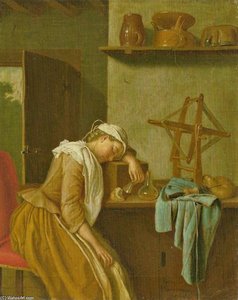 Schlafendes Küchenmädchenბავარიის სახელმწიფო ფერწერის კოლექციები
ამ გვერდზე წარმოდგენილი მხატვრობის შედეგების უმეტესობას 4 მუზეუმი ინახავს.
| მუზეუმი | ქალაქი | Peter Jacob Horemans შემოქმედებაలు | ამ სიიდან მოპოვებული ნახატები |
|---|---|---|---|
 ბავარიის სახელმწიფო ფერწერის კოლექციები |
მუნხენი | 51 | Portrait of Frau Heigl, Kitchen Still Life with Coffee Drinker, Musical Still Life with Horn Player |
 ვარშავის ეროვნული მუზეუმი |
ვარშავა | 2 | Hunting a wild boar, Hunting with falcons |
 ლენბახაუსი |
მუნხენი | 2 | Picnic in the park, Concert in the garden |
 მეტროპოლიტენის ხელოვნების მუზეუმი |
ნიუ-იორკი | 1 | A Musical Gathering at the Court of the Elector Karl Albrecht of Bavaria |
შეარჩიეთ ათწლეული, რათა ნახოთ ის ორიგინალი ნამუშევარი, რომელიც მას განსაზღვრავს.

Portrait of Frau Heigl (1738), ბავარიის სახელმწიფო ფერწერის კოლექციები, მუნხენი. შემდეგ მოდიან Kitchen Still Life with Coffee Drinker (1765) და Musical Still Life with Horn Player (1765).
38 წლის: Portrait of Frau Heigl შექმნილია 1738 წელს, ხოლო Peter Jacob Horemans დაიბადა 1700 წელს.
Portrait of Frau Heigl, Kitchen Still Life with Coffee Drinker, Musical Still Life with Horn Player, Still Life with Female Figure with Flowers, Still Life with Elegant Lady, Still Life with Fruit and Female Figure, The Soup Eater, Still Life with Female Figure with Beer Glass, Still Life with Female Figure და Musical Still Life with Male Figure. ზემოთ მოცემული რეიტინგი ასახავს თითოეულის შემოქმედების წელსა და მუზეუმს.
ჩვენს კატალოგში წარმოდგენილია 60 ნამუშწევრი Peter Jacob Horemans-ისგან, დათარიღებული 1730-დან 1776-მდე.
ძირითადად ბავარიის სახელმწიფო ფერწერის კოლექციები (მუნხენი), ვარშავის ეროვნული მუზეუმი (ვარშავა) და ლენბახაუსი (მუნხენი)-ში. ზემოთ მოცემულ მუზეუმების ცხრილში ისინი ყველა listed.
1760s-ში: ამ გვერდზე წარმოდგენილი 58 ნამუშწარwerksიდან 36 შეიქმნა მაშინ, მათგან Kitchen Still Life with Coffee Drinker.
ამ გვერდზე ყველაზე ადრეული არის A Musical Gathering at the Court of the Elector Karl Albrecht of Bavaria (1730), ხოლო ყველაზე გვიანდელი — Picnic in the park (1776).
Portrait of Frau Heigl, Kitchen Still Life with Coffee Drinker და Musical Still Life with Horn Player: ბავარიის სახელმწიფო ფერწერის კოლექციები, მუნხენი-ში წარმოდგენილია ამ გვერდზე მოცემული ნამუშევრების 51 ცალი.