


1


განახლდა ნოემბერი 2026 · დალაგებულია ჩვენი პოპულარობის ქულების მიხედვით (ძიება, ნახვა და შეკვეთები თითოეული ნამუშწაროსთვის) · 94 ნამუშევარი Peter Adolf Hall ჩვენს კატალოგში
მოკლედ რომ ვთქვათ
გალერეის შეხედულებით, Peter Adolf Hall-ის ყველაზე ცნობილი ნამუშწაროა Portrait of Louis-Auguste, Dauphin of France, future Louis XVI (1769), რომლის ორიგინალი Musée Cognacq-Jay-ში, პარიზი-ში hangs. Salomon Ben Israel, Rabbi (1775) და Anthony Triest, Bishop of Gent (1775) ქმნიან იმ ტრიოს, რომელიც ყველამ იცნობს. ჩვენს კატალოგში არსებული Peter Adolf Hall-ის 94 ნამუშწაროდან, გალერეა ქვემოთ წარმოგიდგენთ 93 ყველაზე ცნობილ მათგანს; თითოეული მათგანი არის ორიგინალი, რომლის აღწერა მოიცავს შემოქმედების წელს, მუზეუმს და იმ დეტალებს, რაც მას უნიკალურს ხდის.


 Charles-Philippe, greve d’Artois, sedermera Karl X, kung av Frankrike (1757-1836)1778 · Nationalmuseum
12
 Portrait Presumed to be René Louis de Girardin (1735–1808), Marquis, Writer and Gardening Lord1780 · Nationalmuseum
13
 Johan Tobias Sergel (1740-1814) sculptor1778 · Nationalmuseum
14
 Portrait of Lucie Hall1788 · Musée Cognacq-Jay
15
 Okänd tysk dignitär (prins Kurakin?)1789 · Nationalmuseum
16
 Self-portrait1790 · Nationalmuseum
17
 Axel Oxenstierna (1583–1654), Chancellor of the Realm, Count1786 · Nationalmuseum
18
 Unknown lady1790 · Nationalmuseum
19
 Box with portrait of a young girl with the initials DE1775
20
 The Painter Louis Joseph Maurice (1730–1820)1772 · მეტროპოლიტენის ხელოვნების მუზეუმი
21
 Stony Area from Spa1791 · Nationalmuseum
22
 Landscape1791 · Nationalmuseum
23
 Henrik IV (1553-1610), kung av FrankrikeNationalmuseum
24
 Self-PortraitNationalmuseum
25
 Christoffer Jürgen Müller (1748-1831)Nationalmuseum
26
 Chief Accountant Johan Gottlob BrusellFinnish National Gallery
27
 Portrait of a young ladyFinnish National Gallery
28
 Portrait of a young manFinnish National Gallery
29
 King Gustaf IIIFinnish National Gallery
30
 SelfportraitNationalmuseum
31
 Gustav III, King of SwedenNationalmuseum
32
 Erik Magnus Staël von Holstein (1749-1802), friherre, diplomatNationalmuseum
33
 Unknown ladyNationalmuseum
34
 Gustav IIINationalmuseum
35
 Pappas födelsedag (Två gossar kallade Halls söner) Monterad tillsammans med NMB 622Nationalmuseum
36
 Okänd kvinnaNationalmuseum
37
 Okänd kvinna, tid. kallad Lucie Hall, konstnärens dotterNationalmuseum
38
 Okänd kvinnaNationalmuseum
39
 Okänd manNationalmuseum
40
 Okänd man tid. kallad Francisco GoyaNationalmuseum
41
 The Marquis of St YvesNationalmuseum
42
 Okänd manNationalmuseum
43
 Augustin Pajou, SculptorNationalmuseum
44
 Axel von Fersen the Younger, Count, Marshal of the realmNationalmuseum
45
 Okänd dam (J. von Schewen?)Nationalmuseum
46
 Okänd manNationalmuseum
47
 Okänd kvinna (tidigare kallad La Princesse de Lamballe)Nationalmuseum
48
 Okänd kvinnaNationalmuseum
49
 Okänd manNationalmuseum
50
 Louis Charles Auguste de Breteuil (1730–1807), Baron, DiplomatNationalmuseum
51
 Ulrika Eleonora Örnskiöld (1739-1809), f von BerchnerNationalmuseum
52
 Okänd manNationalmuseum
53
 A Unknown WomanNationalmuseum
54
 Marie Victoire Gobin (b. 1753), Countess de la SerreNationalmuseum
55
 Okänd herreNationalmuseum
56
 Portrait Of Hans Axel Von Fersen
57
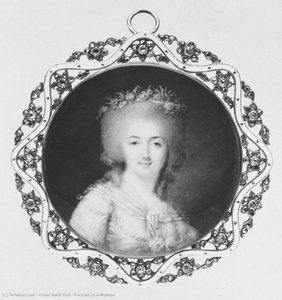 Portrait of a Woman
58
 Portrait of a Woman
59
 Portrait Of Queen Marie Antoinette
60
 Self-portraitNationalmuseum
61
 The safety line Osnoddსამეცნიერო და ტექნოლოგიური ეროვნული მუზეუმი
62
 Portrait Of A Gentleman
63
 Pipinette and Travelkitსამეცნიერო და ტექნოლოგიური ეროვნული მუზეუმი
64
 Rowing eight with coxAustralian National Maritime Museum
65
 The dog toys Zoo Active Products2011 · სამეცნიერო და ტექნოლოგიური ეროვნული მუზეუმი
66
 The Maternity clothesსამეცნიერო და ტექნოლოგიური ეროვნული მუზეუმი
67
 Louise-jeanne Caulet
68
 Portrait Of Marie-suzanne Roslin With Her Daughter
69
 Portrait Of Yves-marie Andre
70
 Jacob Magnus SprengtportenNationalmuseum
71
 The Senseboardსამეცნიერო და ტექნოლოგიური ეროვნული მუზეუმი
72
 The catheter-bag underwear Kadycareსამეცნიერო და ტექნოლოგიური ეროვნული მუზეუმი
73
 The Painter's Family
74
 The Painter's Daughter, Adelaide Victorine
75
 The Painter's Bust Seemingly Viewing A Shady Angle Of Room
76
 Another Interior Angle Of The Fragmentarily
77
 The office chair Lei mainly for womenსამეცნიერო და ტექნოლოგიური ეროვნული მუზეუმი
78
 Self Portrait
79
 Interior Of A Borås Art Museum Room Dedicated To Peter Adolf Hall
80
 The Italian Portrait Sculptor Giuseppe Alessandro Moretti
81
 Louis François De Bourbon
82
 Self-portrait
83
 Sawmillსამეცნიერო და ტექნოლოგიური ეროვნული მუზეუმი
84
 Portrait Of An Unknown Woman
85
 The water purifier Solvattenსამეცნიერო და ტექნოლოგიური ეროვნული მუზეუმი
86
 The fertilizing pot Towaსამეცნიერო და ტექნოლოგიური ეროვნული მუზეუმი
87
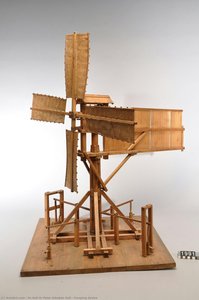 Pumping deviceსამეცნიერო და ტექნოლოგიური ეროვნული მუზეუმი
88
 Windmillსამეცნიერო და ტექნოლოგიური ეროვნული მუზეუმი
89
 The child car seat and backpack SitSacსამეცნიერო და ტექნოლოგიური ეროვნული მუზეუმი
90
 The Älvdalen porphyry worksსამეცნიერო და ტექნოლოგიური ეროვნული მუზეუმი
91
 The support table AcTive Tildaსამეცნიერო და ტექნოლოგიური ეროვნული მუზეუმი
92
 The post-surgery support Opbraსამეცნიერო და ტექნოლოგიური ეროვნული მუზეუმი
93
 The ecological toilet for slum areas Ecolooveსამეცნიერო და ტექნოლოგიური ეროვნული მუზეუმი
ამ ორიგინალებში ყველაზე ხშირად განმეორებადი არის 네 თემა, რომელთაგან თითოეულს თავისი საუკეთესო ნიმუში წარმოგვიდგება.
ამ გვერდზე წარმოდგენილი მხატვრობის შედეგების უმეტესობას 6 მუზეუმი ინახავს.
| მუზეუმი | ქალაქი | Peter Adolf Hall შემოქმედებაలు | ამ სიიდან მოპოვებული ნახატები |
|---|---|---|---|
 Nationalmuseum |
სტოქჰოლმი | 48 | Salomon Ben Israel, Rabbi, Anthony Triest, Bishop of Gent, Sophie Jeanne Armande Septimanie de Vignerot du Plessis, duchesse de Richelieu, 1740-1773, née comtesse d'Egmont Pignatelli |
 სამეცნიერო და ტექნოლოგიური ეროვნული მუზეუმი |
სტოკჰოლმი | 17 | The safety line Osnodd, Pipinette and Travelkit, The dog toys Zoo Active Products |
 Finnish National Gallery |
ჰელსინკი | 4 | Chief Accountant Johan Gottlob Brusell, Portrait of a young lady, Portrait of a young man |
 Musée Cognacq-Jay |
პარიზი | 2 | Portrait of Louis-Auguste, Dauphin of France, future Louis XVI, Portrait of Lucie Hall |
 მეტროპოლიტენის ხელოვნების მუზეუმი |
ნიუ-იორკი | 1 | The Painter Louis Joseph Maurice (1730–1820) |
 Australian National Maritime Museum |
სიდნი | 1 | Rowing eight with cox |
შეარჩიეთ ათწლეული, რათა ნახოთ ის ორიგინალი ნამუშევარი, რომელიც მას განსაზღვრავს.

Portrait of Louis-Auguste, Dauphin of France, future Louis XVI (1769), Musée Cognacq-Jay, პარიზი. შემდეგ მოდიან Salomon Ben Israel, Rabbi (1775) და Anthony Triest, Bishop of Gent (1775).
30 წლის: Portrait of Louis-Auguste, Dauphin of France, future Louis XVI შექმნილია 1769 წელს, ხოლო Peter Adolf Hall დაიბადა 1739 წელს.
Portrait of Louis-Auguste, Dauphin of France, future Louis XVI, Salomon Ben Israel, Rabbi, Anthony Triest, Bishop of Gent, Sophie Jeanne Armande Septimanie de Vignerot du Plessis, duchesse de Richelieu, 1740-1773, née comtesse d'Egmont Pignatelli, Okänd kvinna, Élisabeth Vigée-Lebrun, Presumed Portrait, Hubert Robert, Artist and Garden Designer, Portrait de Suffren in miniature, Henry IV, King of France და Ludvig XVI as Crown Prince. ზემოთ მოცემული რეიტინგი ასახავს თითოეულის შემოქმედების წელსა და მუზეუმს.
ჩვენს კატალოგში წარმოდგენილია 94 ნამუშწევრი Peter Adolf Hall-ისგან, დათარიღებული 1769-დან 1791-მდე.
ძირითადად Nationalmuseum (სტოქჰოლმი), სამეცნიერო და ტექნოლოგიური ეროვნული მუზეუმი (სტოკჰოლმი) და Finnish National Gallery (ჰელსინკი)-ში. ზემოთ მოცემულ მუზეუმების ცხრილში ისინი ყველა listed.
1770s-ში: ამ გვერდზე წარმოდგენილი 93 ნამუშწარwerksიდან 10 შეიქმნა მაშინ, მათგან Salomon Ben Israel, Rabbi.
ამ გვერდზე ყველაზე ადრეული არის Portrait of Louis-Auguste, Dauphin of France, future Louis XVI (1769), ხოლო ყველაზე გვიანდელი — Stony Area from Spa (1791).
Portraits (7), Miniature (3) და Portrait (2), ამ გვერდზე წარმოდგენილ 93 ნამუშწარეს შორის.
Acrylic On Canvas, ამ გვერდზე არსებული 93 ნამუშწაროსგან 2 ცალიდან.
Salomon Ben Israel, Rabbi, Anthony Triest, Bishop of Gent და Sophie Jeanne Armande Septimanie de Vignerot du Plessis, duchesse de Richelieu, 1740-1773, née comtesse d'Egmont Pignatelli: Nationalmuseum, სტოქჰოლმი-ში წარმოდგენილია ამ გვერდზე მოცემული ნამუშევრების 48 ცალი.
In the delicate, intimate world of eighteenth-century portraiture, few names command as much quiet reverence as Peter Adolphe Hall. Born in Borås, Sweden, on February 23, 1739, Hall would eventually transcend his Scandinavian origins to become a defining figure of the French Rococo and Neoclassical transition. His journey from the Swedish provinces to the glittering courts of France is a testament to a singular talent that found its true expression in the smallest of scales. As a master of miniature painting, Hall possessed the rare ability to capture the profound psychological depth of his subjects within a frame no larger than a palm, turning tiny portraits into windows of immense emotional complexity.
Hall’s career was defined by a remarkable technical evolution that set him apart from his contemporaries. While many miniaturists of the era relied on soft, blended washes to achieve a smooth finish, Hall pioneered an innovative use of impasto. By applying thicker layers of paint, he introduced a tactile, sculptural quality to his work that allowed light to dance across the surface of the portrait. This technique breathed life into the textures of silk, lace, and skin, lending a startling realism to his depictions of the French nobility. His brushwork was not merely descriptive but transformative, imbuing each miniature with a luminous vitality that made the subjects appear as though they might step out from their ivory or vellum settings.
The trajectory of Hall’s life took him to the heart of European high society, where his skill earned him the prestigious distinction of being a court painter to Louis XVI. This position placed him at the epicenter of cultural influence, allowing him to document the faces of an era on the precipice of monumental historical change. His work served as more than mere likeness; it was a sophisticated language of status and elegance. Through his portraits, one can observe the meticulous attention to the fashion and etiquette of the French court, rendered with a precision that captured both the outward splendor and the inward dignity of the aristocracy.
Beyond his technical prowess, Hall’s significance lies in his role as a bridge between artistic movements. His ability to blend the decorative charm of the Rococo with the emerging clarity and structure of Neoclassicism allowed him to remain relevant during a period of intense stylistic shifts. The achievements of his career are reflected in the enduring fascination with his miniatures, which continue to captivate collectors for their intimacy and brilliance. His life, which came to an end in Liège on May 15, 1793, marked the conclusion of a journey that had fundamentally reshaped the possibilities of the miniature medium.
To understand the enduring impact of Peter Adolphe Hall, one must consider the specific elements that defined his mastery: