პაულ კლეე პორტრეტი

100 ყველაზე ცნობილი პაულ კლეე-ის ნახატი, თითოეული მათგანი უნიკალური

განახლდა ნოემბერი 2026 · დალაგებულია ჩვენი პოპულარობის ქულების მიხედვით (ძიება, ნახვა და შეკვეთები თითოეული ნამუშწაროსთვის) · 669 ნამუშევარი პაულ კლეე ჩვენს კატალოგში

მოკლედ რომ ვთქვათ

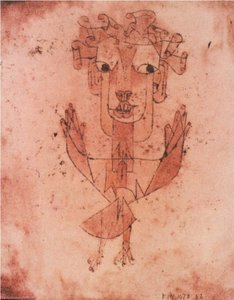
ახალი ანგელოზი (1920) არის პაულ კლეე-ის ის ნამუშწარო, რომელიც ყველაზე მეტ ყურადღებას იქცევს; ორიგინალი იმყოფება ისრაელის მუზეუმი-ში, იერუსალიმი. ამის შემდეგ, მზერა გადადის ციყვიან-მაღინე 1-სა და პარნასოსკენ (1932)-ზე. ჩვენს კატალოგში არსებული პაულ კლეე-ის 669 ნამუშწაროდან ეს 100 ყველაზე ცნობილია; თითოეული მათგანი წარმოადგენს უნიკალურ ორიგინალს, რომელიც წარმოდგენილია წელით, მუზეუმითა და იმ მიზეზით, რის გამოც ის დღემდე ცოცხლობს.

1879 – 1940, მუნხენბუხსი Ექსპრესიონიზმი ყველაზე მეტი ნამشევრი: მეტროპოლიტენის ხელოვნების მუზეუმი

პაულ კლეე-ის 10 საუკეთესო ნამუშgeryო, გალერეის თcraftით

1
ახალი ანგელოზი (1920) ავტორის: პაულ კლეე

ახალი ანგელოზი

1920 · მონოტიპი · ისრაელის მუზეუმი, იერუსალიმი

Created in 1920, New Angel by Paul Klee offers a glimpse into the artist's singular vision. This work is a monoprint, a choice that reflects Klee's interest in the unique, unrepeatable qualities of a single impression. It is a quiet piece, one that relies on a stark black and white palette to establish its presence. The composition focuses on a bird's head, a motif Klee returned to frequently, positioned as…

2
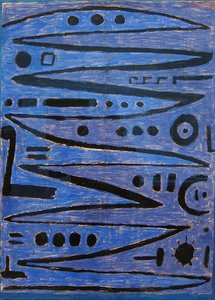
ციყვიან-მაღინე 1 ავტორის: პაულ კლეე

ციყვიან-მაღინე 1

მელნით შესრულებული ნამუშევრები ქაღალდზე · MOMA - მოდერნ არტის მუზეუმი, ნიუ-იორკი

პაულ კლის ეს მომხიბლავი ნამუშევარი, რომელიც დაახლოებით 1922 წელს შეიქმნა, ადრეული მოდერნიზმის სულს განასახიერებს, სადაც თამაშიანი გამოსახულებები ღრმა სიმბოლურ სიღრმესთან ერთიანდება. ხშირად, როგორც „ჭიკჭიკის მანქანა“ ცნობილი, იგი კლის უნიკალური მხატვრული ენის ფუნდამენტური მაგალითია – ენისა, რომელიც აკავშირებს აბსტრაქციას, ექსპრესიონიზმს და ბავშვური გაოცების შეგრძნებას.

3
პარნასოსკენ (1932) ავტორის: პაულ კლეე

პარნასოსკენ

1932 · აკრილი ტილოზე · კუნსტმუზეუნ ბერნი, ბერნი

Captivating Subject and Symbolism This striking artwork presents a vibrant and layered landscape that invites viewers into a world of imagination and contemplation. Central to the composition is a luminous orange circle, reminiscent of a sun or moon, symbolizing energy, enlightenment, and the passage of time. Beneath this celestial body, a prominent triangular shape suggests a mountain or pyramid, evoking stability, aspiration, and spiritual ascent. The inclusion of an archway…

4
ნილის ლეგენდა (1937) ავტორის: პაულ კლეე

ნილის ლეგენდა

1937 · ზეთი ტილოზე · კუნსტმუზეუნ ბერნი, ბერნი

Exploring the Rich Subject and Cultural Symbolism Delve into a vibrant tapestry of cultural storytelling and mythic symbolism with this captivating artwork. Inspired by the legendary Nile, the piece weaves a narrative of water, life, and spirituality through abstract motifs and symbolic forms. The composition hints at ancient Egyptian themes, with hieroglyphic-like symbols, stylized plants, and aquatic creatures that evoke the timeless connection between the Nile River and the cradle…

5
ფლორა ქვითულზე (1927) ავტორის: პაულ კლეე

ფლორა ქვითულზე

1927 · ზეთი

Flora on Sand: A Symphony of Color and Geometric Form Paul Klee, a Swiss-born German painter, was renowned for his unique blend of expressionism, cubism, and surrealism. His impact on modern art is evident in his theoretical writings, notably his 'Paul Klee Notebooks.' One of his notable works, Flora on Sand, created in 1927, exemplifies his abstract style and showcases his fascination with children's art. This painting isn’t merely a…

6
პეიზაჟი ყვითელი ფრინველებით (1923) ავტორის: პაულ კლეე

პეიზაჟი ყვითელი ფრინველებით

1923 · აკრილი ტილოზე

პეიზაჟი 노 ყვითელი ფრინველებით პაულ კლის „პეიზაჟი ყვითელი ფრინველებით“ მხატვრის ექსპრესიონიზმისა და სურრეალიზმის უნიკალური შერწყმის ჭეშმარიტი ნიმუშია. ეს ნამუშევარი, რომელიც 1923 წელს შეიქმნა, წარმოაჩენს კლის ინოვაციურ მიდგომას ფერებთან, ფორმასთან და კომპოზიციასთან ურთიერთობის პროცესში. მხატვრული კონტექსტი პაულ კლი შვეიცარიაში დაბადებული გერმანელი ხელოვანი იყო, რომელმაც გადამწყვეტი როლი ითამაშა თანამედროვე ხელოვნების განვითარებაში. მის შემოქმედებაზე გავლენა მოახდინა სხვადასხვა მიმდინარეობამ, მათ შორის ექსპრესიონიზმმა, კუბიზმმა და სურრეალიზმმა. კლის შემოქმედებითი გზა აღინიშნებოდა ფერების, ხაზებისა და ფორმების მუდმივი…

7
თევზის გამოსახულება (1925) ავტორის: პაულ კლეე

თევზის გამოსახულება

1925 · აკრილი ტილოზე

A World Suspended: Decoding Paul Klee’s *Fish Image* (1925) Paul Klee's *Fish Image*, created in 1925, is more than just a depiction of aquatic life; it’s a captivating exploration of movement, symbolism, and the liminal space between reality and dream. Measuring 40 x 61 cm, this delicate painting exemplifies Klee’s unique artistic voice – one deeply rooted in Expressionism yet subtly influenced by Cubism and Surrealism. It invites viewers into…

8
With the eagle ავტორის: პაულ კლეე

With the eagle

ფერწერა · პავლე კლეეს ცენტრი, ბერნი

In the vast, kaleidoscopic landscape of twentieth-century modernism, few artists possess the ability to translate the invisible rhythms of the soul onto canvas as masterfully as Paul Klee. His work, With the Eagle, serves as a profound testament to this unique gift, acting not merely as a painting, but as a window into a psychological realm where color and form dance in a delicate, often mysterious, equilibrium. Created during the…

9
კაირუანის სტილში (1914) ავტორის: პაულ კლეე

კაირუანის სტილში

1914

In the annals of modern art, few moments are as transformative as Paul Klee’s 1914 masterpiece, "In the Style of Kairouan." This work serves as a profound declaration of independence from the constraints of representational art, marking Klee's pivotal transition toward an abstract expressionism that would redefine the twentieth century. The painting is not merely a composition of shapes; it is a visual manifestation of a spiritual and artistic epiphany.…

10
장미 정원 (1920) ავტორის: პაულ კლეე

장미 정원

1920 · მიქსტ მედია · ლენბახაუსი, მუნხენი

მუნხენში, ლენბახჰაუსის მშვიდ კუთხეებში, პაულ კლის „ვარდების ბაღი“ (1920) ელოდება მნახველს და გვთავაზობს ვიზუალურ გამოცდილებას, რომელიც სცილდება უბრალო ფერწერის საზღვრებს. ამ შედევრის ყურება ნიშნავს ნაბიტი გადადგას იმ სამყაროში, სადაც ორგანული და არქიტექტურული ფორმები სრულყოფილ, რიტმულ უნისონში ცეკვავენ. შექმნილი კლის ცხოვრების გადამწყვეტ ეტაპზე — პირველი მსოფლიო ომის შემდეგ და ლეგენდარული ბაუჰაუსის ფაკულტეტში მის მიღწევასთან დაკავშირებულ პერიოდში — ეს ნამუშევარი ფორმისა და ფერის ღრმა კვლევაა. იგი არ არის მხოლოდ ფლორას გამოსახულება, არამედ…

პაულ კლეე-ის ცნობილი ნამუშევრები, 11-დან 100-მდე ნომრებით

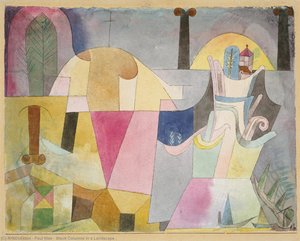
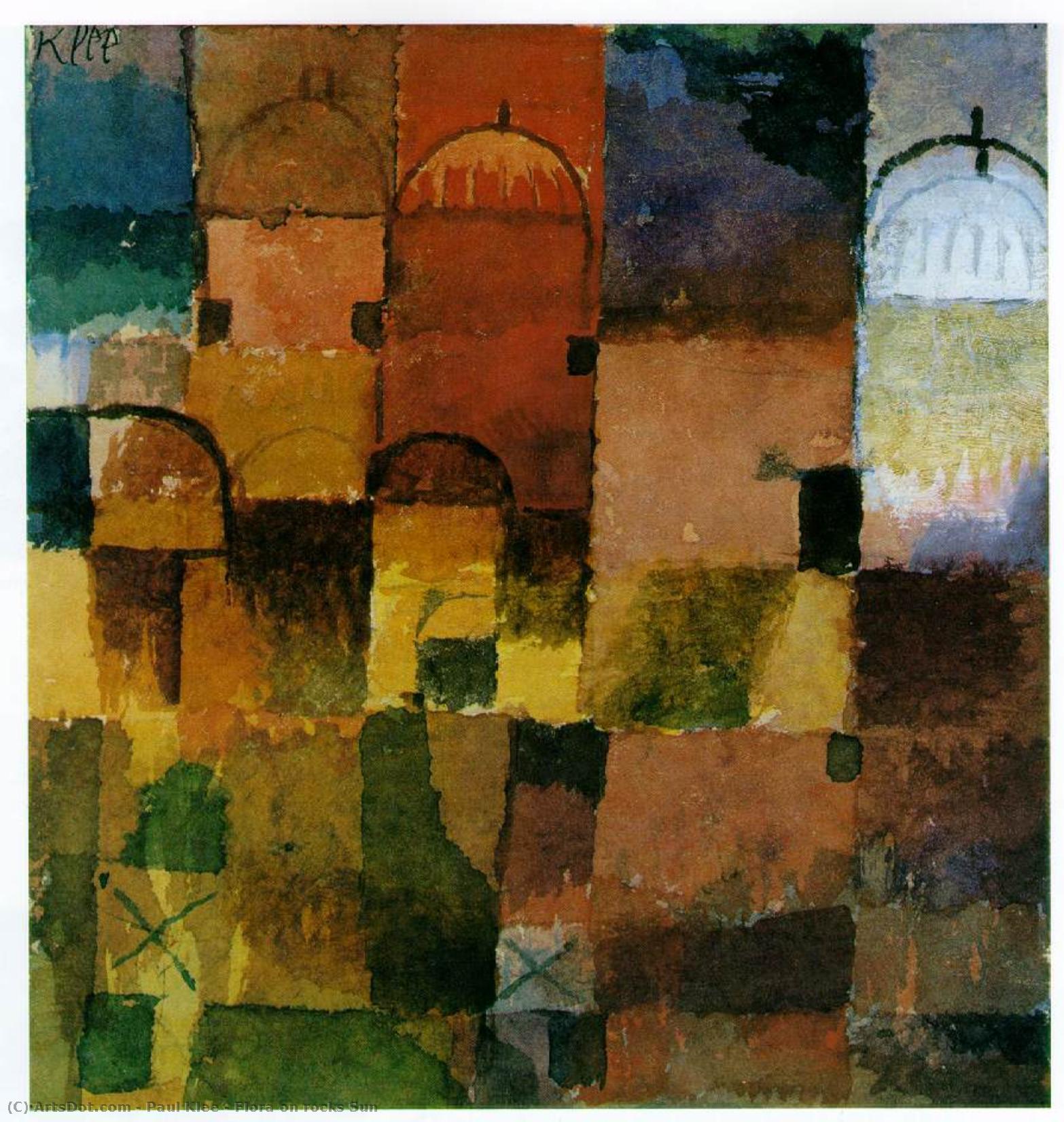
11სკოლის შენობა (1920) ავტორის: პაულ კლეესკოლის შენობა1920 · ჩიკაგოს ხელოვნების ინსტიტუტი 12კომიკოსების ბანერი (1938) ავტორის: პაულ კლეეკომიკოსების ბანერი1938 · მეტროპოლიტენის ხელოვნების მუზეუმი 13May Picture (1925) ავტორის: პაულ კლეეMay Picture1925 · მეტროპოლიტენის ხელოვნების მუზეუმი 14პრესტიდიჟატორი (ჯადოსნური ხრიკი) (1927) ავტორის: პაულ კლეეპრესტიდიჟატორი (ჯადოსნური ხრიკი)1927 · ფილადელფიის ხელოვნების მუზეუმი 15სხვადასხვა გადახრებების ანალიზი (1922) ავტორის: პაულ კლეესხვადასხვა გადახრებების ანალიზი1922 · ცენტრი პომპიდო 16Arctic Dew (1920) ავტორის: პაულ კლეეArctic Dew1920 · Sezon Museum of Modern Art 17Untitled (1914) ავტორის: პაულ კლეეUntitled1914 · მეტროპოლიტენის ხელოვნების მუზეუმი 18Serpent (1926) ავტორის: პაულ კლეეSerpent1926 · ბოსტონის fine arts-ის მუზეუმი 19ცეცხლიანი საღამო (1929) ავტორის: პაულ კლეეცეცხლიანი საღამო1929 20The messenger of autumn (1922) ავტორის: პაულ კლეეThe messenger of autumn1922 21La Kash-Ne (1933) ავტორის: პაულ კლეეLa Kash-Ne1933 · მეტროპოლიტენის ხელოვნების მუზეუმი 22City Picture with Red and Green Accents (1921) ავტორის: პაულ კლეეCity Picture with Red and Green Accents1921 23Wallflower ავტორის: პაულ კლეეWallflower 24ფლორა კლდეებზე მზე (1940) ავტორის: პაულ კლეეფლორა კლდეებზე მზე1940 · Kunstsammlung Nordrhein-Westfalen 25ბოტანიკური თეატრი (1934) ავტორის: პაულ კლეებოტანიკური თეატრი1934 · ლენბახაუსი 26Woman in Peasant Dress (1940) ავტორის: პაულ კლეეWoman in Peasant Dress1940 27ფიგურების კოლექცია (1926) ავტორის: პაულ კლეეფიგურების კოლექცია1926 · მეტროპოლიტენის ხელოვნების მუზეუმი 28Dancing Girl (1940) ავტორის: პაულ კლეეDancing Girl1940 · ჩიკაგოს ხელოვნების ინსტიტუტი 29ქალი მბ knitting (1915) ავტორის: პაულ კლეექალი მბ knitting1915 · ბოკა რატონის ხელოვნების მუზეუმი 30Black prince ავტორის: პაულ კლეეBlack prince 31ძლიერი სიზმარი (1929) ავტორის: პაულ კლეეძლიერი სიზმარი1929 32With the Egg (1917) ავტორის: პაულ კლეეWith the Egg1917 33Seventeen (1923) ავტორის: პაულ კლეეSeventeen1923 34Astrological Fantasy Portrait (1924) ავტორის: პაულ კლეეAstrological Fantasy Portrait1924 · მეტროპოლიტენის ხელოვნების მუზეუმი 35Mask of Fear ავტორის: პაულ კლეეMask of FearMOMA - მოდერნ არტის მუზეუმი 36Hot Pursuit (1939) ავტორის: პაულ კლეეHot Pursuit1939 · Fogg Museum 37Puppet theater (1923) ავტორის: პაულ კლეეPuppet theater1923 38Temple Gardens (1920) ავტორის: პაულ კლეეTemple Gardens1920 · მეტროპოლიტენის ხელოვნების მუზეუმი 39Chinese porcelain (1940) ავტორის: პაულ კლეეChinese porcelain1940 40ეგზოტიკა (1939) ავტორის: პაულ კლეეეგზოტიკა1939 · ჩიკაგოს ხელოვნების ინსტიტუტი 41Remembrance of a Garden (1914) ავტორის: პაულ კლეეRemembrance of a Garden1914 42უცნაური მზერა (1930) ავტორის: პაულ კლეეუცნაური მზერა1930 · ჩიკაგოს ხელოვნების ინსტიტუტი 43Boy in Fancy Dress (1931) ავტორის: პაულ კლეეBoy in Fancy Dress1931 · მეტროპოლიტენის ხელოვნების მუზეუმი 44The Pathos of Fertility (1921) ავტორის: პაულ კლეეThe Pathos of Fertility1921 · მეტროპოლიტენის ხელოვნების მუზეუმი 45გმირული სიფლიფნე ავტორის: პაულ კლეეგმირული სიფლიფნეMOMA - მოდერნ არტის მუზეუმი 46Arab Song (1932) ავტორის: პაულ კლეეArab Song1932 · The Phillips Collection 47Like a Window Pane ავტორის: პაულ კლეეLike a Window Pane 48Flower Family V. (1922) ავტორის: პაულ კლეეFlower Family V.1922 · Solomon R. Guggenheim Museum 49Forgetful angel ავტორის: პაულ კლეეForgetful angel 50Singer of the Comic Opera (1927) ავტორის: პაულ კლეეSinger of the Comic Opera1927 · ბავარიის სახელმწიფო ფერწერის კოლექციები 51A Couple of Gods (1924) ავტორის: პაულ კლეეA Couple of Gods1924 · Scharf-Gerstenberg Collection 52Dances caused by fear ავტორის: პაულ კლეეDances caused by fear 53Walpurgis Night (1935) ავტორის: პაულ კლეეWalpurgis Night1935 54Static-Dynamic Gradation ავტორის: პაულ კლეეStatic-Dynamic Gradationმეტროპოლიტენის ხელოვნების მუზეუმი 55Colorful Architecture (1917) ავტორის: პაულ კლეეColorful Architecture1917 · მეტროპოლიტენის ხელოვნების მუზეუმი 56Possibilities at Sea (1932) ავტორის: პაულ კლეეPossibilities at Sea1932 · ნორტონ სიმონის მუზეუმი 57Rose Wind ავტორის: პაულ კლეეRose Wind 58Black Columns in a Landscape ავტორის: პაულ კლეეBlack Columns in a Landscape 59Angel in the Making ავტორის: პაულ კლეეAngel in the Making 60Dying Down (1940) ავტორის: პაულ კლეეDying Down1940 · Scharf-Gerstenberg Collection 61Tighter rhythms and freer ავტორის: პაულ კლეეTighter rhythms and freer 62The rumors (1939) ავტორის: პაულ კლეეThe rumors1939 · ბარნსის ფონდი 63Rose garden (1920) ავტორის: პაულ კლეეRose garden1920 64Ad marginem (1930) ავტორის: პაულ კლეეAd marginem1930 · კუნსტმუზეუ ბაზელი 65Untitled (Reconstruction) (1926) ავტორის: პაულ კლეეUntitled (Reconstruction)1926 · KODE Art museums and composer homes 66Red and Yellow Houses in Tunis ავტორის: პაულ კლეეRed and Yellow Houses in Tunis 67Tree Nursery (1929) ავტორის: პაულ კლეეTree Nursery1929 · The Phillips Collection 68Fire in the Evening (1929) ავტორის: პაულ კლეეFire in the Evening1929 · MOMA - მოდერნ არტის მუზეუმი 69The rumors (1939) ავტორის: პაულ კლეეThe rumors1939 70Salida de la luna St. Germain (1915) ავტორის: პაულ კლეეSalida de la luna St. Germain1915 71დაღማტვული ქალაქი (1936) ავტორის: პაულ კლეედაღማტვული ქალაქი1936 · მეტროპოლიტენის ხელოვნების მუზეუმი 72პოპულარული კედლის ფრესკა (1922) ავტორის: პაულ კლეეპოპულარული კედლის ფრესკა1922 · მეტროპოლიტენის ხელოვნების მუზეუმი 73დაწითული-ЗЕЛЕНИ ზარფები მწვანე-ЖЕЛტური რ ჰი თმები (1920) ავტორის: პაულ კლეედაწითული-ЗЕЛЕНИ ზარფები მწვანე-ЖЕЛტური რ ჰი თმები1920 · მეტროპოლიტენის ხელოვნების მუზეუმი 74Crucifers und Spiral Flowers ავტორის: პაულ კლეეCrucifers und Spiral Flowers 75Flower stand with watering can and bucket (1910) ავტორის: პაულ კლეეFlower stand with watering can and bucket1910 76ფერები დისტანციიდან (1932) ავტორის: პაულ კლეეფერები დისტანციიდან1932 · ისრაელის მუზეუმი 77View into the Fertile Country (1932) ავტორის: პაულ კლეეView into the Fertile Country1932 · შტედელის მუზეუმი 78Polyphony (1932) ავტორის: პაულ კლეეPolyphony1932 · კუნსტმუზეუ ბაზელი 79Evening in the Valley ავტორის: პაულ კლეეEvening in the Valley 80Bust of a Child ავტორის: პაულ კლეეBust of a Child 81The Lamb (1920) ავტორის: პაულ კლეეThe Lamb1920 · შტედელის მუზეუმი 82Interior with the Clock (1913) ავტორის: პაულ კლეეInterior with the Clock1913 · National Gallery of Art 83Everything runs after something ავტორის: პაულ კლეეEverything runs after something 84Girl with Doll ავტორის: პაულ კლეეGirl with Doll 85Municipal Jewel (1917) ავტორის: პაულ კლეეMunicipal Jewel1917 · მეტროპოლიტენის ხელოვნების მუზეუმი 86Landscape with Sunset (1923) ავტორის: პაულ კლეეLandscape with Sunset1923 87Diana in the Autumn Wind (1934) ავტორის: პაულ კლეეDiana in the Autumn Wind1934 88Fruits on Red (1930) ავტორის: პაულ კლეეFruits on Red1930 · ლენბახაუსი 89კარი ბაღში (1926) ავტორის: პაულ კლეეკარი ბაღში1926 · კუნსტმუზეუმ ბერნი 90Composition with the Yellow Half-Moon and the Y (1918) ავტორის: პაულ კლეეComposition with the Yellow Half-Moon and the Y1918 · მეტროპოლიტენის ხელოვნების მუზეუმი 91Captive (1940) ავტორის: პაულ კლეეCaptive1940 92Sunset (1930) ავტორის: პაულ კლეეSunset1930 · ჩიკაგოს ხელოვნების ინსტიტუტი 93In Position (1939) ავტორის: პაულ კლეეIn Position1939 94Enclosure for Pachyderms (1940) ავტორის: პაულ კლეეEnclosure for Pachyderms1940 · KODE Art museums and composer homes 95Crystal Gradation ავტორის: პაულ კლეეCrystal Gradationკუნსტმუზეუ ბაზელი 96El conquistador ავტორის: პაულ კლეეEl conquistador 97Landscape with yellow church tower (1920) ავტორის: პაულ კლეეLandscape with yellow church tower1920 · ბავარიის სახელმწიფო ფერწერის კოლექციები 98Puppet Theatre ავტორის: პაულ კლეეPuppet Theatre 99Small Landscape with Village Curch (1925) ავტორის: პაულ კლეეSmall Landscape with Village Curch1925 100Episode Before an Arab Town (1923) ავტორის: პაულ კლეეEpisode Before an Arab Town1923 · მეტროპოლიტენის ხელოვნების მუზეუმი

პაულ კლეე-ის ცნობილი სურათები, პერიოდების მიხედვით

სუბიექტები, რომლებმაც პაულ კლეე-ის ყურადღება მიიპყრო

ამ ორიგინალებში ყველაზე ხშირად განმეორებადი არის 네 თემა, რომელთაგან თითოეულს თავისი საუკეთესო ნიმუში წარმოგვიდგება.

მუზეუმები, სადაც პაულ კლეე-ის ორიგინალები ინახება

ამ გვერდზე წარმოდგენილი მხატვრობის შედეგების უმეტესობას 8 მუზეუმი ინახავს.

მუზეუმი ქალაქი პაულ კლეე შემოქმედებაలు ამ სიიდან მოპოვებული ნახატები
მეტროპოლიტენის ხელოვნების მუზეუმი, ნიუ-იორკიმეტროპოლიტენის ხელოვნების მუზეუმი ნიუ-იორკი 56 კომიკოსების ბანერი, May Picture, Untitled
ჩიკაგოს ხელოვნების ინსტიტუტი, ჩიკაგოჩიკაგოს ხელოვნების ინსტიტუტი ჩიკაგო 10 სკოლის შენობა, Dancing Girl, ეგზოტიკა
MOMA - მოდერნ არტის მუზეუმი, ნიუ-იორკიMOMA - მოდერნ არტის მუზეუმი ნიუ-იორკი 9 ციყვიან-მაღინე 1, Mask of Fear, გმირული სიფლიფნე
კუნსტმუზეუ ბაზელი, ბაზელიკუნსტმუზეუ ბაზელი ბაზელი 8 Ad marginem, Polyphony, Crystal Gradation
ლენბახაუსი, მუნხენილენბახაუსი მუნხენი 6 장미 정원, ბოტანიკური თეატრი, Fruits on Red
ბავარიის სახელმწიფო ფერწერის კოლექციები, მუნხენიბავარიის სახელმწიფო ფერწერის კოლექციები მუნხენი 20 Singer of the Comic Opera, Landscape with yellow church tower
The Phillips Collection, ვაშინგტონი, დი-სიThe Phillips Collection ვაშინგტონი, დი-სი 8 Arab Song, Tree Nursery
Scharf-Gerstenberg Collection, ბერლინიScharf-Gerstenberg Collection ბერლინი 6 A Couple of Gods, Dying Down

პაულ კლეე ათწლეულების განმავლობაში: თითოეულ დეკადესთვის ერთი უნიკალური ორიგინალი

ნამუშევრები ათწლეულების მიხედვით

შეარჩიეთ ათწლეული, რათა ნახოთ ის ორიგინალი ნამუშევარი, რომელიც მას განსაზღვრავს.

პაულ კლეე-ის ნახატები: კითხვები გალერეისთვის

რა არის პაულ კლეე-ის ყველაზე ცნობილი ნამუშწარებიდან ერთერთი?გაამჟღავნეთ პასუხი

ახალი ანგელოზი (1920), ისრაელის მუზეუმი, იერუსალიმი. შემდეგ მოდიან ციყვიან-მაღინე 1 და პარნასოსკენ (1932).

რა ასაკში შექმნა პაულ კლეე-მა ახალი ანგელოზი?გაამჟღავნეთ პასუხი

41 წლის: ახალი ანგელოზი შექმნილია 1920 წელს, ხოლო პაულ კლეე დაიბადა 1879 წელს.

პაულ კლეე-ის რომელი 열ათმე ნახატია ყველაზე ცნობილი?გაამჟღავნეთ პასუხი

ახალი ანგელოზი, ციყვიან-მაღინე 1, პარნასოსკენ, ნილის ლეგენდა, ფლორა ქვითულზე, პეიზაჟი ყვითელი ფრინველებით, თევზის გამოსახულება, With the eagle, კაირუანის სტილში და 장미 정원. ზემოთ მოცემული რეიტინგი ასახავს თითოეულის შემოქმედების წელსა და მუზეუმს.

რამდენი ნამუშწარებია ცნობილი პაულ კლეე-ის შემოქმედებიდან?გაამჟღავნეთ პასუხი

ჩვენს კატალოგში წარმოდგენილია 669 ნამუშწევრი პაულ კლეე-ისგან, დათარიღებული 1910-დან 1940-მდე.

სად შეიძლება ყველაზე ცნობილი პაულ კლეე-ის ორიგინალების ნახვა?გაამჟღავნეთ პასუხი

ძირითადად მეტროპოლიტენის ხელოვნების მუზეუმი (ნიუ-იორკი), ჩიკაგოს ხელოვნების ინსტიტუტი (ჩიკაგო) და MOMA - მოდერნ არტის მუზეუმი (ნიუ-იორკი)-ში. ზემოთ მოცემულ მუზეუმების ცხრილში ისინი ყველა listed.

რა პერიოდში შექმნა პაულ კლეე-მა ყველაზე ცნობილი სურათები?გაამჟღავნეთ პასუხი

1920s-ში: ამ გვერდზე წარმოდგენილი 100 ნამუშწარwerksიდან 36 შეიქმნა მაშინ, მათგან ახალი ანგელოზი.

რომელი ცნობილი პაულ კლეე ტილოა ყველაზე ადრეული და რომელი — ყველაზე გვიანდელი?გაამჟღავნეთ პასუხი

ამ გვერდზე ყველაზე ადრეული არის Flower stand with watering can and bucket (1910), ხოლო ყველაზე გვიანდელი — ფლორა კლდეებზე მზე (1940).

რა თემებს ანიჭებდა უპირატესობას პაულ კლეე?გაამჟღავნეთ პასუხი

Geometric shapes (42), Გეომეტრიული ფორმები (13) და Color theory (9), ამ გვერდზე წარმოდგენილ 100 ნამუშწარეს შორის.

რა მასალებით ხატავდა ყველაზე ხშირად პაულ კლეე?გაამჟღავნეთ პასუხი

Watercolor, ამ გვერდზე არსებული 100 ნამუშწაროსგან 24 ცალიდან.

პაულ კლეე-ის შემოქმედება რომელ მიმდინარეობას მიეკუთვნება?გაამჟღავნეთ პასუხი

Ექსპრესიონიზმი, ამ გვერდზე წარმოდგენილი ორიგინალების მიხედვით.

რა პაულ კლეე-ის ორიგინალების ნახვა შემიძლია მეტროპოლიტენის ხელოვნების მუზეუმი-ში?გაამჟღავნეთ პასუხი

კომიკოსების ბანერი, May Picture და Untitled: მეტროპოლიტენის ხელოვნების მუზეუმი, ნიუ-იორკი-ში წარმოდგენილია ამ გვერდზე მოცემული ნამუშევრების 17 ცალი.

პაულ კლეე: მხატვრის პორტრეტი

The Early Life of Paul Klee

Born on December 18, 1879, in Münchenbuchsee, near Bern, Switzerland, Paul Klee grew up in a home defined by the discipline of music. He was the second child of Hans Wilhelm Klee, a German music teacher, and Ida Marie Klee, a Swiss singer. The sounds of his parents' professions likely shaped the atmosphere of his childhood, providing a rhythmic foundation that would follow him into his later years. By the age of eleven, Klee was already showing a significant talent for the violin, earning an invitation to play with the Bern Music Association.

Despite his musical aptitude, a different path began to call to him as he grew older. In 1898, he moved to Munich to begin studying at the Academy of Fine Arts. Between 1898 and 1901, he trained under Heinrich Knirr and Franz von Stuck. These early years of formal study were a period of intense learning and struggle. While he showed a natural skill for drawing, he often found the use of color to be a difficult hurdle to clear during those first cold winters in Munich.

A Journey Toward Abstraction

The path toward a new way of seeing was not a straight line. In the early years, Klee traveled to Italy from October 1901 to May 1902 with Hermann Haller. While the experience was significant, he later noted that the struggle with color remained a difficult, long-term challenge. He found himself caught between the classical traditions of the past and a growing desire to find a more personal visual language. For a long time, his work remained largely focused on drawing and black-and-white compositions, often leaning into the grotesque or the satirical.

A profound shift occurred in 1914 during a trip to Tunisia with August Macke and Louis Moilliet. The limpid light of North Africa changed everything for him. In that intense sunlight, he began to detach color from its duty to describe physical objects. Instead of using color to mimic the world, he used it as an independent force. This realization provided the push he needed to move toward abstraction. By 1915, he had turned his back to nature and never painted after the model again, choosing instead to express the world through his own internal symbols and imagination.

The Bauhaus and Teaching Years

In 1920, a new chapter began when Walter Gropius invited Klee to join the faculty of the Bauhaus. He spent the next decade at the school, working alongside Wassily Kandinsky. This period was perhaps his most prolific, as nearly half of his total output was produced during these ten years. His time at the Bauhaus allowed him to explore the relationship between color and form with a scientific precision that he documented extensively in his notebooks. These writings became essential for anyone trying to understand the mechanics of modern composition.

The stability of his teaching career was interrupted by the political shifts in Germany. In 1933, Klee was dismissed from his position at the Academy of Fine Arts in Düsseldorf due to the rise of the National Socialist regime, which classified his work as “degenerate.” This forced him to leave the academy and return to his native Bern. The shift in his surroundings and the growing political turmoil began to change the tone of his work, moving away from the whimsy of his earlier years toward a more somber and heavy perspective.

Technique and Artistic Style

Klee was a natural draftsman who possessed a deep, almost scientific understanding of color theory. His approach to a canvas was rarely about simple imitation; instead, he built his compositions through a highly individual style influenced by expressionism, cubism, and surrealism. He often worked on a small scale, using delicate media like watercolor on gauze or paper with a chalk ground. This experimentation allowed him to explore how light and pigment interacted in ways that traditional oil painting could not capture. He was also a prolific printmaker, utilizing zinc-plate etchings and lithographs to expand his visual language.

There was a certain playfulness in his imagery that felt both sophisticated and simple. He frequently populated his works with recurring motifs: small stick figures, suspended fish, and moon faces. These symbols were often arranged in grids or patterns that felt like visual music. His technical curiosity even led him to unconventional methods, such as using a needle to draw on blackened glass, a technique he used to create fifty-seven distinct works. This method required a steady hand and a precise understanding of how light would catch the scratches in the dark surface.

Key Works and Notable Compositions

Klee’s ability to translate the invisible into something visible is perhaps most evident in his mid-career works. In 1915, he painted Woman Knitting, a piece that captures a sense of quiet, rhythmic movement. As his fascination with the relationship between color and form deepened, he produced Fish Magic in 1925, a work that demonstrates his ability to use simple shapes to suggest something much more complex and mysterious. His compositions often relied on a specific kind of visual music, where lines and colors acted like notes on a staff.

By the late 1920s, his work took on a more structured, almost architectural quality. Ships in the Dark, created in 1927, shows his skill at balancing light and shadow to create a sense of space. As the political climate in Europe grew heavier, his art followed suit. The whimsy of his earlier years began to fade, replaced by a more somber tone. This shift is visible in Comedians' Handbill from 1938, where the lines become thicker and the forms more generalized. Even in his final years, as his health declined, he continued to find ways to express the gravity of his surroundings, as seen in the 1939 work Angel Applicant.

Later Years and Death

The political climate in Europe began to darken significantly in the 1930s. In 1933, the National Socialists declared his art to be "degenerate," a decision that forced him out of his teaching position at the Academy of Fine Arts in Düsseldorf. This dismissal ended a period of relative stability and sent him back to his native Bern. As the shadows of war and political turmoil grew, his work began to change. The lightness of his earlier years faded, replaced by a more somber and melancholic perspective. His lines grew heavier, often turning into thick black bars, and his forms became more generalized and broad.

This shift in his painting reflected the increasing gravity of the world around him. The whimsicality that once defined his compositions gave way to a sense of weight and seriousness. Even as his own health declined, he continued to produce work that captured the tension of the era. His later pieces often felt more stripped down, using simpler colors and more substantial shapes to express a sense of loss or gravity. He died on June 29, 1940, in Muralto, Switzerland.

Where to See His Works Today

To find the traces of his prolific output, one might travel to Bern, Switzerland. The Zentrum Paul Klee holds a significant presence of his work, offering a space to encounter the visual language he developed throughout his life. Nearby, the Kunstmuseum Bern also preserves pieces of his history, including works like To Parnassus.

His influence reaches far beyond Switzerland. In New York, the Metropolitan Museum of Art maintains a substantial collection, including ninety works that were gifted by Heinz Berggruen. These pieces allow viewers to see the evolution of his thought through his specific use of color and form. In London, the Tate collection holds several of his compositions, such as Walpurgis Night.