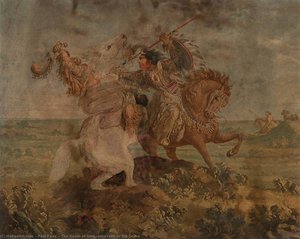
პოლ კეინი-ის პორტრეტი

14 ყველაზე ცნობილი პოლ კეინი-ის ნახატი, გალერეის შერჩეული კოლექცია

განახლდა ნოემბერი 2026 · დალაგებულია ჩვენი პოპულარობის ქულების მიხედვით (ძიება, ნახვა და შეკვეთები თითოეული ნამუშწაროსთვის) · 19 ნამუშევარი პოლ კეინი ჩვენს კატალოგში

მოკლედ რომ ვთქვათ

პოლ კეინი-ის ყველა დატოვებული ორიგინალიდან ყველაზე ცნობილია Flathead woman with child (1848), რომელიც მონრეალი-ში მდებარე მონრეალის fine arts მუზეუმი-ის კოლექციაშია. მისდავითვე მოდიან Eliza Clarke Cory Clench (1835) და Chinook Indians in Front of Mount Hood (1853). Our catalog holds 19 works by პოლ კეინი; the gallery has kept the 14 the world admires most, each shown with its date, its museum and its story.

1810 – 1871, მალო Academic art ყველაზე დიდი კოლექცია: კანადის ეროვნული გალერეა

პოლ კეინი-ის 10 საუკეთესო ნამუშgeryო: გალერეის არჩევანი

1
Flathead woman with child (1848) ავტორი: პოლ კეინი

Flathead woman with child

1848 · Oil On Canvas · მონრეალის fine arts მუზეუმი, მონრეალი

In this oil on canvas, titled Flathead woman with child, the artist Paul Kane presents a quiet, intimate portrait. Created about 1848, the work captures a specific moment of maternal connection. The painting focuses on the figure of Caw-Wacham, a woman belonging to the Flathead tribe. She was known to have lived along the Cowlitz River, a tributary of the Columbia.

2
Eliza Clarke Cory Clench (1835) ავტორი: პოლ კეინი

Eliza Clarke Cory Clench

In this bust-length portrait, Paul Kane presents Eliza Clarke Cory Clench against a muted, dark, and non-descript space. The subject is positioned slightly off-center, meeting the viewer through a straightforward frontal view at eye level. A deep, emerald green dominates the composition, clinging to the folds of her dress. This heavy color finds a sharp contrast in the crisp white of her lace bonnet and collar. A golden yellow bow…

3
Chinook Indians in Front of Mount Hood (1853) ავტორი: პოლ კეინი

Chinook Indians in Front of Mount Hood

Paul Kane’s Chinook Indians in Front of Mount Hood presents a group of Chinook people situated within a natural landscape. In the background, a prominent snow-capped mountain rises above the terrain. To the left, a large, detailed tree occupies the foreground, acting as a frame that directs the eye toward the center of the scene. This structural choice creates a sense of depth between the immediate foliage and the distant…

4
Assiniboine Hunting Buffalo (1851) ავტორი: პოლ კეინი

Assiniboine Hunting Buffalo

The scene unfolds in Assiniboine Hunting Buffalo, a work by the artist Paul Kane. Created in 1851, the oil painting captures a moment of intense action on the plains. This specific piece arrived in late 1856, having been commissioned by the Parliament of the Province of Canada. It remains one of twelve paintings produced for the parliament during this period.

5
Portrait of Maungwudaus (1851) ავტორი: პოლ კეინი

Portrait of Maungwudaus

1851 · Oil On Canvas · Tacoma Art Museum, Tacoma

The Portrait of Maungwudaus by Paul Kane presents us with a direct encounter with a Native American man. Created around 1851, this oil on canvas captures a specific moment of presence. The subject looks toward the viewer, his gaze meeting ours from across the decades. He exists here in a state of quiet dignity, his form rendered with a clarity that brings his physical presence into the room.

6
Ojibwa village at Sault Ste. Marie in 1846. (1871) ავტორი: პოლ კეინი

Ojibwa village at Sault Ste. Marie in 1846.

1871 · Oil On Canvas

The scene unfolds in the title Ojibwa village at Sault Ste. Marie in 1846., a work that captures a specific moment in time through the eyes of the artist Paul Kane. This painting emerges from the hand of an Irish-born Canadian painter who spent his life documenting the shifting landscapes and peoples of the North American West. Through his brush, the quiet life of the village takes on a tangible…

7
Freeman Schermerhorn Clench (1835) ავტორი: პოლ კეინი

Freeman Schermerhorn Clench

The gaze of Freeman Schermerhorn Clench meets the viewer from within this 1835 oil on canvas. Paul Kane captures the man in a moment of quiet, serious contemplation. The subject sits with a dignified presence, his expression fixed in a way that suggests a mind occupied by deep thought. Every line of his face carries the weight of a specific, lived experience, rendered with a precision that brings his character…

8
Scalp Dance by the Chualpays Indians (1853) ავტორი: პოლ კეინი

Scalp Dance by the Chualpays Indians

In this work, titled Scalp Dance by the Chualpays Indians, the artist Paul Kane captures a moment of profound communal ritual. Created about 1853, the painting offers a window into the specific customs of the Chualpayos people. It is a piece that focuses on the documentation of Indigenous life, recording a ceremony that was central to their social and spiritual traditions.

9
Indian encampment on Lake Huron ავტორი: პოლ კეინი

Indian encampment on Lake Huron

Oil On Canvas · Art Gallery of Ontario, ტორონტო

The oil painting titled Indian encampment on Lake Huron is a significant work by the artist Paul Kane. This piece was developed from a sketch the artist made during the summer of 1845. It captures a specific moment from his first trip to Sault Ste. Marie, providing a visual record of the landscape and the inhabitants of that region.

10
Medicine Mask Dance ავტორი: პოლ კეინი

Medicine Mask Dance

Watercolor

In the watercolor painting Medicine Mask Dance, Paul Kane captures a moment of ritual movement. The scene focuses on a group of Indigenous peoples engaged in a ceremonial dance or procession. These figures move through a landscape where water and distant trees suggest a riverine or coastal setting. The subject matter centers on the specific ceremonial practices of these cultures, documented through the artist's eye.

პოლ კეინი-ის შერჩევა გრძელდება, 11-დან 14-მდე

სუბიექტები, რომლებმაც პოლ კეინი-ის ყურადღება მიიპყრო

ამ ორიგინალებში ყველაზე ხშირად განმეორებადი არის ოთხი თემა, რომელთაგან თითოეულს თავისი საუკეთესო ნიმუში წარმოგვიდგება.

მუზეუმები, სადაც პოლ კეინი-ის ორიგინალები ინახება

ამ გვერდზე წარმოდგენილი მხატვრობის შედეგების უმეტესობას 4 მუზეუმი ინახავს.

მუზეუმები ქალაქი პოლ კეინი შემოქმედება ამ სიიდან ნახატები
კანადის ეროვნული გალერეა, ოტავაკანადის ეროვნული გალერეა ოტავა 5 Eliza Clarke Cory Clench, Chinook Indians in Front of Mount Hood, Assiniboine Hunting Buffalo
Art Gallery of Ontario, ტორონტოArt Gallery of Ontario ტორონტო 2 Indian encampment on Lake Huron, Scene in the Northwest: Portrait of John Henry Lefroy
მონრეალის fine arts მუზეუმი, მონრეალიმონრეალის fine arts მუზეუმი მონრეალი 1 Flathead woman with child
Tacoma Art Museum, TacomaTacoma Art Museum Tacoma 1 Portrait of Maungwudaus

პოლ კეინი ათწლეულების მიხედვით: ორიგინალი, რომელიც განსაზღვრავს თითოეულ მათგანს

ნამუშევრები ათწლეულების მიხედვით

შეარჩიეთ ათწლეული, რათა ნახოთ ის ორიგინალი ნამუშევარი, რომელიც მას განსაზღვრავს.

კოლექციონერთა კითხვები პოლ კეინი-ის ნახატებზე

რა ნამუშწარესით არის ყველაზე ცნობილი პოლ კეინი?გაამჟღავნეთ პასუხი

Flathead woman with child (1848), მონრეალის fine arts მუზეუმი, მონრეალი. შემდეგ მოდიან Eliza Clarke Cory Clench (1835) და Chinook Indians in Front of Mount Hood (1853).

რამდენage იყო პოლ კეინი, როდესაც შეიქმნა Flathead woman with child?გაამჟღავნეთ პასუხი

38 წლის: Flathead woman with child შექმნილია 1848 წელს, ხოლო პოლ კეინი დაიბადა 1810 წელს.

რა არის პოლ კეინი-ის ათ ყველაზე ცნობილი ნამუშწარები?გაამჟღავნეთ პასუხი

Flathead woman with child, Eliza Clarke Cory Clench, Chinook Indians in Front of Mount Hood, Assiniboine Hunting Buffalo, Portrait of Maungwudaus, Ojibwa village at Sault Ste. Marie in 1846., Freeman Schermerhorn Clench, Scalp Dance by the Chualpays Indians, Indian encampment on Lake Huron და Medicine Mask Dance. ზემოთ მოცემული რეიტინგი ასახავს თითოეულის შემოქმედების წელსა და მუზეუმს.

რამდენი სურათი დატოვა პოლ კეინი-მა?გაამჟღავნეთ პასუხი

ჩვენს კატალოგში წარმოდგენილია 19 ნამუშწევრი პოლ კეინი-ისგან, დათარიღებული 1835-დან 1871-მდე.

რომელ მუზეუმებშია და hangs პოლ კეინი-ის შედევრული ნამუშევრები?გაამჟღავნეთ პასუხი

ძირითადად კანადის ეროვნული გალერეა (ოტავა), Art Gallery of Ontario (ტორონტო) და მონრეალის fine arts მუზეუმი (მონრეალი)-ში. ზემოთ მოცემულ მუზეუმების ცხრილში ისინი ყველა listed.

მათ რომელ წლებში შექმნა პოლ კეინი-მა ყველაზე ცნობილი ნამუშევრები?გაამჟღავნეთ პასუხი

1850s-ში: ამ გვერდზე წარმოდგენილი 14 ნამუშწარwerksიდან 4 შეიქმნა მაშინ, მათგან Chinook Indians in Front of Mount Hood.

რა არის პოლ კეინი-ის პირველი და ბოლო ცნობილი ორიგინალი?გაამჟღავნეთ პასუხი

ამ გვერდზე ყველაზე ადრეული არის Eliza Clarke Cory Clench (1835), ხოლო ყველაზე გვიანდელი — Ojibwa village at Sault Ste. Marie in 1846. (1871).

რომელ თემებს ირჩევდა პოლ კეინი ყველაზე ხშირად?გაამჟღავნეთ პასუხი

Sky (4), People (3) და Clouds (3), ამ გვერდზე წარმოდგენილ 14 ნამუშწარეს შორის.

რომელ ტექნიკას იყენებდა პოლ კეინი ყველაზე ხშირად?გაამჟღავნეთ პასუხი

Oil On Canvas, ამ გვერდზე არსებული 14 ნამუშწაროსგან 9 ცალიდან.

რა ხელოვნების მიმართულებას მიეკუთვნება პოლ კეინი?გაამჟღავნეთ პასუხი

Academic art და Romanticism, ამ გვერდზე წარმოდგენილი ორიგინალების მიხედვით.

პოლ კეინი-ის რომელ ნამუშევრებს ნახავთ კანადის ეროვნული გალერეა-ში?გაამჟღავნეთ პასუხი

Eliza Clarke Cory Clench, Chinook Indians in Front of Mount Hood და Assiniboine Hunting Buffalo: კანადის ეროვნული გალერეა, ოტავა-ში წარმოდგენილია ამ გვერდზე მოცემული ნამუშევრების 5 ცალი.

პოლ კეინი: ცხოვრება და შემოქმედება

A Pioneer of the Canadian West: The Life and Art of Paul Kane

Paul Kane, born in Mallow, County Cork, Ireland, in 1810, stands as a pivotal figure in the narrative of Canadian art. His life was one of restless exploration, both geographically and artistically, ultimately culminating in a remarkable visual record of a nation’s burgeoning identity and the cultures that shaped it. The son of Michael Kane, a soldier originally from Lancashire, England, and Frances Loach, Paul experienced an early relocation to Upper Canada (present-day Toronto) around 1819, a move that would profoundly influence his artistic trajectory. While initially engaged in commercial pursuits – furniture decoration and sign painting – a deep-seated passion for art propelled him towards formal study, beginning with lessons from Thomas Drury in the 1830s. This early training laid a foundation, but it was Kane’s self-directed journey through Europe that truly ignited his artistic vision.

European Influences and the Call of the Wild

In 1841, Kane embarked on an ambitious voyage to Europe, initially intending to follow the traditional “Grand Tour” path favored by aspiring artists of the time. He spent two years traversing France and Italy, immersing himself in the works of the Old Masters. Sketchbooks from this period reveal a meticulous study of Renaissance masters – Raphael, Murillo, Andrea del Sarto – as he honed his skills through copying and observation. However, Kane’s spirit was not easily contained by established artistic conventions. A brief encounter with George Catlin in London proved particularly impactful; Catlin's depictions of Native American life resonated deeply with Kane, sparking a desire to document the Indigenous cultures of North America. This encounter subtly shifted his focus, setting the stage for the defining chapter of his career: his expeditions into the Canadian Northwest. The European experience provided technical grounding, but it was the untamed landscapes and vibrant traditions of Canada that truly captured his imagination.

Documenting a Vanishing World

Kane’s two major voyages into the Canadian Northwest – in 1845 and from 1846 to 1848 – were transformative. The first, a reconnaissance trip to Sault Ste. Marie, offered an initial glimpse of the region's beauty and its Indigenous inhabitants. However, it was the second voyage, supported by the Hudson’s Bay Company, that cemented his legacy. Traveling across the Rocky Mountains to Fort Vancouver and Fort Victoria, Kane meticulously documented First Nations peoples – their customs, clothing, dwellings, ceremonies, and daily lives. He wasn’t merely creating portraits; he was attempting a comprehensive visual ethnography of cultures undergoing rapid change due to increasing European contact. His approach involved detailed field sketches, capturing the immediacy of his observations, which were later translated into larger oil paintings in his Toronto studio. While these studio works sometimes embellished or romanticized scenes for dramatic effect, they remain invaluable records of a time and place on the cusp of transformation.

Style, Significance, and Lasting Legacy

Paul Kane’s artistic style was uniquely his own, forged through self-education and direct observation. Lacking formal academic training, he blended elements of Romanticism – evident in his dramatic landscapes and emotive portrayals – with a documentary realism born from his meticulous sketching. His work stands as a bridge between the aesthetic sensibilities of Europe and the raw beauty of the Canadian West. Though initially well-received, Kane’s depictions faced later criticism regarding their accuracy and occasional romanticization. However, contemporary scholarship increasingly recognizes the profound historical and anthropological value of his extensive documentation. His field sketches, in particular, provide invaluable insights into the material culture, social structures, and spiritual beliefs of various First Nations groups. Upon returning to Toronto, Kane produced over one hundred oil paintings based on his travels, establishing himself as a prominent Canadian artist before his death in 1871. Today, Paul Kane’s paintings are celebrated not only for their artistic merit but also as an essential part of Canada's cultural heritage – a poignant and enduring testament to the lives and traditions of its First Peoples.