Otto Pilny პორტრეტი

Otto Pilny-ის ნახატები: 13 ყველაზე ცნობილი ნამუშევარი, গალერეის თcraftით

განახლდა ნოემბერი 2026 · დალაგებულია ჩვენი პოპულარობის ქულების მიხედვით (ძიება, ნახვა და შეკვეთები თითოეული ნამუშწაროსთვის) · 14 ნამუშევარი Otto Pilny ჩვენს კატალოგში

მოკლედ რომ ვთქვათ

გალერეის თვალს, Otto Pilny-ის ყველაზე ცნობილი ნამუშწაროა Slave Market -. Slave Market - და Sklavenhändler ქმნიან იმ ტრიოს, რომელიც ყველამ იცნობს. ჩვენს კატალოგში არსებული Otto Pilny-ის 14 ნამუშწაროდან, გალერეა ქვემოთ წარმოგიდგენთ 13 ყველაზე ცნობილ მათგანს; თითოეული მათგანი არის ორიგინალი, რომლის აღწერა მოიცავს შემოქმედების წელს, მუზეუმს და იმ დეტალებს, რაც მას უნიკალურს ხდის.

1866 – 1936, Zurich Orientalism

გალერეის Otto Pilny 10 საუკეთესო ნამი에도

1
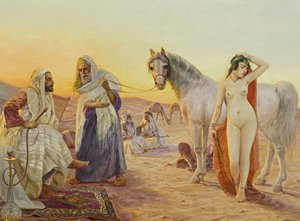
Slave Market - ავტორის: Otto Pilny

Slave Market -

Oil On Canvas

The air in the painting feels heavy with the scent of dust and tobacco. In the foreground, two men sit upon a rug, their bodies anchored to the earth. One man holds a hookah, the smoke likely curling into the warm, dim light of dawn or dusk. Beside him, another man handles a small object, perhaps a coin purse or a piece of jewelry, his fingers steady in the quiet…

2
Slave Market - ავტორის: Otto Pilny

Slave Market -

Oil On Canvas

The oil on canvas titled Slave Market - is a work by the Swiss artist Otto Pilny. Born in 1866 in the Czech Republic and passing away in 1936 in Zürich, Switzerland, Pilny dedicated much of his career to the study of the Orient. This specific piece captures a Middle Eastern marketplace, a scene defined by the heavy presence of earth tones and the grit of desert sands.

3
Sklavenhändler ავტორის: Otto Pilny

Sklavenhändler

Oil On Canvas

In this oil on canvas, we find ourselves within the bustling atmosphere of an Ottoman-era street, a scene rendered with a profound sense of ethnographic detail. The composition centers on a transaction involving three primary figures: a woman in a white dress and red headscarf, a seated man in a patterned robe and turban, and a standing figure gesturing toward the discussion. There is a quiet tension in the way…

5
Morning Prayers ავტორის: Otto Pilny

Morning Prayers

Oil On Canvas

In the oil on canvas work Morning Prayers by Otto Pilny, the desert awakens under a rising sun. Devout men kneel within the sand, their bodies bowed in a moment of quiet ritual. The scene captures a specific intersection of faith and the natural world, where the act of prayer meets the vastness of the landscape. This focus on devotion is framed by the light of a new day.

Otto Pilny-ის ნახატები, რეიტინგით 11-დან 13-მდე

სუბიექტები, რომლებმაც Otto Pilny-ის ყურადღება მიიპყრო

ამ ორიგინალებში ყველაზე ხშირად განმეორებადი არის 네 თემა, რომელთაგან თითოეულს თავისი საუკეთესო ნიმუში წარმოგვიდგება.

Otto Pilny-ის ნახატები: გალერეის პასუხები

რომელი Otto Pilny ტილოა ყველაზე ცნობილი?გაამჟღავნეთ პასუხი

Slave Market -. შემდეგ მოდიან Slave Market - და Sklavenhändler.

რომელია Otto Pilny-ის 10 საუკეთესო ნამუშწარო?გაამჟღავნეთ პასუხი

Slave Market -, Slave Market -, Sklavenhändler, Slave Market -, Morning Prayers, Orientalischer Basar, Portrait Eines Herrn, Portrait Einer Jungen Dame, Scenes From The Slave Market და Slave Market -. ზემოთ მოცემული რეიტინგი ასახავს თითოეულის შემოქმედების წელსა და მუზეუმს.

რამდენიმე ნამუშწარები შექმნა Otto Pilny-მა?გაამჟღავნეთ პასუხი

ჩვენს კატალოგში წარმოდგენილია 14 ნამუშgery Otto Pilny-ისგან.

რომელ თემებს მიმართავდა Otto Pilny ყველაზე ხშირად?გაამჟღავნეთ პასუხი

Woman (4), Man (4) და Turban (4), ამ გვერდზე წარმოდგენილ 13 ნამუშწარეს შორის.

რა ტექნიკით მუშაობდა Otto Pilny ყველაზე ხშირად?გაამჟღავნეთ პასუხი

Oil On Canvas, ამ გვერდზე არსებული 13 ნამუშწაროსგან 5 ცალიდან.

რომელ მიძღვნასთან არის დაკავშირებული Otto Pilny?გაამჟღავნეთ პასუხი

Orientalism, ამ გვერდზე წარმოდგენილი ორიგინალების მიხედვით.

Otto Pilny: მხატვარი

The Soul of the Orient: The Life and Vision of Otto Pilny

Otto Pilny stands as a singular, luminous figure in the vast landscape of Orientalist painting, a master who looked beyond the mere exoticism of the East to capture its profound spiritual heartbeat. Born in 1866 in České Budějovice, Bohemia, his early years were shaped by the cultural currents of the Austro-Hungarian Empire after his family relocated to Prague. While the precise details of his formal training remain shrouded in the mists of time, the trajectory of his life suggests a man driven by an insatiable curiosity for the unknown. At the tender age of nineteen, Pilny embarked on an odyssey that would define his artistic legacy: a solo expedition along the ancient caravan routes stretching from Cairo to Tripoli. Accompaniente only by his loyal dog, this formative journey through the vast, sun-drenched expanses of North Africa instilled in him a deep reverence for the landscapes and peoples he encountered, transforming him from a mere traveler into a dedicated chronicler of Bedouin life.

His artistic development was marked by periods of intense immersion and refinement. Between 1889 and 1892, Pilny returned to Egypt, finding himself deeply embedded in the vibrant, bustling atmospheres of Alexandria and Cairo. It was during this era that his talent garnered significant recognition; his ability to render the nuances of Eastern life so authentically earned him the prestigious appointment as a Court Painter under the Ottoman authorities. This period of professional triumph was punctuated by the high honor of receiving the Order of the Medjidie, 4th class, awarded by the last Khedive, Abbas Hilmi II. Such accolades underscore the respect his work commanded within the very cultures he sought to portray. A brief but essential sojourn in Vienna likely provided the scholarly depth and technical polish necessary to elevate his observational skills into the realm of high art, blending European academic precision with an authentic, ethnographic sensitivity.

A Legacy of Devotion and Detail

What truly distinguishes Pilny from his contemporaries was his refusal to rely on the superficial tropes of Orientalism. While many artists of his era focused on the theatrical or the sensational, Pilny sought the quiet, sacred moments of existence. He became renowned for his poignant depictions of Bedouins engaged in prayer—a subject rarely approached with such intimacy and respect by Western painters. In works such as Morning Prayers, one can witness the breathtaking interplay of light and shadow during a desert sunrise, where the spiritual weight of the figures is felt through meticulous brushwork and a warm, evocative palette. His canvases do not merely show a scene; they invite the viewer into a state of contemplation, capturing the rhythmic sanctity of Muslim worship with an unprecedented level of realism.

Beyond the spiritual, Pilny’s oeuvre serves as a vivid historical record of a vanishing world. He possessed a remarkable ability to navigate the complexities of Middle Eastern social structures, from the bustling energy of the Orientalischer Basar to the more harrowing and complex realities depicted in works like Slave Market. His paintings are rich with texture, capturing the heavy fabrics of Ottoman attire, the grit of the desert sands, and the vibrant chaos of the marketplace. This dedication to detail ensured that his work functioned as both art and ethnography. Even as he settled in Zürich in 1895 and eventually embraced Swiss citizenship, the echoes of his North African travels remained the primary pulse of his creativity. Through his eyes, the desert was not a void, but a living, breathing tapestry of human endurance, faith, and cultural splendor.