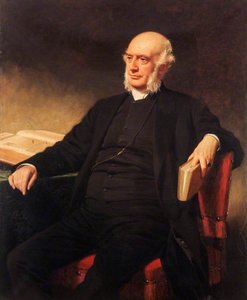
Norman Macbeth-ის პორტრეტი

33 ყველაზე ცნობილი Norman Macbeth-ის ნახატი, გალერეის შერჩეული კოლექცია

განახლდა ნოემბერი 2026 · დალაგებულია ჩვენი პოპულარობის ქულების მიხედვით (ძიება, ნახვა და შეკვეთები თითოეული ნამუშწაროსთვის) · 33 ნამუშევარი Norman Macbeth ჩვენს კატალოგში

მოკლედ რომ ვთქვათ

Norman Macbeth-ის ყველა დატოვებული ორიგინალიდან ყველაზე ცნობილი John Walker (d.1866), Sugar Refiner (1866) არის. მისდავითვე მოდიან William Ferguson of Kinmundy (1823–1904) (1885) და A Somerset Farm (1887). ჩვენს კატალოგში წარმოდგენილია Norman Macbeth-ის 33 ნამუშევარი; გალერეაში შენარჩუნებულია 33 ყველაზე აღიარებული ნახატი, რომელთაგან თითოეულს თან ახლავს შექმნის თარიღი, მუზეუმი და ისტორია.

1821 – 1888, Greenock Contemporary realism ყველაზე დიდი კოლექცია: Royal Scottish Academy of Art - Architecture

Norman Macbeth-ის 10 საუკეთესო ნამუშgeryო: გალერეის არჩევანი

1
John Walker (d.1866), Sugar Refiner (1866) ავტორი: Norman Macbeth

John Walker (d.1866), Sugar Refiner

1866 · Oil On Canvas

The portrait titled John Walker (d.1866), Sugar Refiner is a work by the Scottish portraitist Norman Macbeth. Created in 1866, the painting captures a specific moment in the life of a man defined by his era. The subject is an elderly gentleman seated in a chair, his presence anchored within the frame. This likeness was rendered during a period when Macbeth was establishing his reputation as a meticulous observer of…

2
William Ferguson of Kinmundy (1823–1904) (1885) ავტორი: Norman Macbeth

William Ferguson of Kinmundy (1823–1904)

1885 · Oil On Canvas · Mintlaw Discovery Centre, पीტერჰედ

The oil painting depicts an elderly man seated in a chair, his body angled slightly toward the viewer. He holds a book in his hands, and his chin rests upon his hand in a contemplative pose. The subject is dressed in dark clothing, with the fabric of his garments showing heavy folds and deep shadows. A subtle light source illuminates his face and hands, creating a contrast against the darker…

3
A Somerset Farm (1887) ავტორი: Norman Macbeth

A Somerset Farm

1887 · Oil On Canvas

In A Somerset Farm, Norman Macbeth captures a quiet moment of rural existence. Painted about 1887, the work centers on a rustic barn that anchors the landscape. This structure acts as a silent witness to the rhythms of the countryside. Around it, the scene unfolds through the steady pulse of manual labor. Figures move through the pastoral setting, their presence defined by the tasks at hand.

5
William Forrest (1805–1889), HRSA ავტორი: Norman Macbeth

William Forrest (1805–1889), HRSA

In this portrait of William Forrest, we encounter a man whose presence is felt through a steady, unyielding gaze. He is depicted with curly hair and a well-groomed beard, his expression carrying a certain gravity that suggests a life of significant responsibility. The sitter wears a formal suit and tie, attire that places him firmly within the social structures of the nineteenth century. There is a quiet intensity in the…

6
A Portion of Old Greenock (James Weir's Property, 20–22 West Blackhall Street, 1845) (1845) ავტორი: Norman Macbeth

A Portion of Old Greenock (James Weir's Property, 20–22 West Blackhall Street, 1845)

1845 · Oil · Municipal Buildings, გრინოკი

A Portion of Old Greenock (James Weir's Property, 20–22 West Blackhall Street, 1845) is a work by Norman Macbeth. Created about 1845, the painting captures a specific architectural segment of the artist's birthplace. Macbeth was born in Greenock, United Kingdom, in 1821 and remained connected to the region throughout his career. He died in London in 1888.

7
Patrick Fairbairn (1805–1874), DD (1871) ავტორი: Norman Macbeth

Patrick Fairbairn (1805–1874), DD

1871 · Oil On Canvas

An elderly man sits before us, his presence heavy and solemn within the frame. He is draped in the dark, heavy folds of clerical robes, a silhouette of religious authority and scholarly weight. His expression is stern, etched with the gravity of a life spent in contemplation or perhaps the weariness of deep conviction. In his hands, he holds a book, a silent companion that anchors his identity as a…

8
Mrs Adam Primrose (1871) ავტორი: Norman Macbeth

Mrs Adam Primrose

1871 · Oil On Canvas

In this 1871 portrait, we are met with the steady, unyielding gaze of Mrs Adam Primrose. She is presented in a moment of quiet, stern composure, her eyes fixed directly upon the viewer. There is a certain weight to her presence, a sense of a woman who possesses a clear understanding of her place and her purpose. She wears a blue bonnet, accented by a pink bow, which frames a…

9
Sir David Brewster (1781–1868), FRSE (1869) ავტორი: Norman Macbeth

Sir David Brewster (1781–1868), FRSE

1869 · Oil On Canvas · The Royal Society of Edinburgh, Edinburgh

The sitter is captured in a moment of quiet intellectual repose, seated within a study that functions as an extension of his own mind. He wears a black robe accented by a red sash, a garment signifying his honorary degree from the University of Edinburgh. His gaze is direct, meeting the viewer with the steady composure of a man accustomed to rigorous observation. Behind him, the environment is cluttered with…

10
Patrick Don Swan, Provost of Kirkcaldy (1874) ავტორი: Norman Macbeth

Patrick Don Swan, Provost of Kirkcaldy

1874 · Oil On Canvas

This oil-on-canvas portrait, titled Patrick Don Swan, Provost of Kirkcaldy, was executed by the Scottish artist Norman Macbeth. The work was painted about 1874. It depicts the sitter in a formal capacity, capturing him during his tenure as a prominent civic leader. The subject of the painting is Patrick Don Swan, a man who held the position of Provost of Kirkcaldy. Beyond his municipal duties, Swan was a Scottish shipowner…

Norman Macbeth-ის შერჩევა გრძელდება, 11-დან 33-მდე

სუბიექტები, რომლებმაც Norman Macbeth-ის ყურადღება მიიპყრო

ამ ორიგინალებში ყველაზე ხშირად განმეორებადი არის ოთხი თემა, რომელთაგან თითოეულს თავისი საუკეთესო ნიმუში წარმოგვიდგება.

მუზეუმები, სადაც Norman Macbeth-ის ორიგინალები ინახება

ამ გვერდზე წარმოდგენილი მხატვრობის შედეგების უმეტესობას 8 მუზეუმი ინახავს.

მუზეუმები ქალაქი Norman Macbeth შემოქმედება ამ სიიდან ნახატები
Royal Scottish Academy of Art - Architecture, EdinburghRoyal Scottish Academy of Art - Architecture Edinburgh 2 William Forrest (1805–1889), HRSA, Sir John Steell (1804–1891), RSA
The Merchant's Hall, EdinburghThe Merchant's Hall Edinburgh 2 Josiah Livingston, James Blackadder
Mintlaw Discovery Centre, पीტერჰედMintlaw Discovery Centre पीტერჰედ 1 William Ferguson of Kinmundy (1823–1904)
Municipal Buildings, გრინოკიMunicipal Buildings გრინოკი 1 A Portion of Old Greenock (James Weir's Property, 20–22 West Blackhall Street, 1845)
The Royal Society of Edinburgh, EdinburghThe Royal Society of Edinburgh Edinburgh 1 Sir David Brewster (1781–1868), FRSE
National Records of Scotland, EdinburghNational Records of Scotland Edinburgh 1 Reverend Andrew Thomson (1842–1901), DD
Scottish National Portrait Gallery, EdinburghScottish National Portrait Gallery Edinburgh 1 Reverend William Lindsay Alexander (1808–1884), Theologian
Helensburgh Council Chamber, ჰელენსბერგიHelensburgh Council Chamber ჰელენსბერგი 1 Sir James Colquhoun (1844–1907), 27th Bt of Colquhoun, 29th of Luss (1873–1907)

Norman Macbeth ათწლეულების მიხედვით: ორიგინალი, რომელიც განსაზღვრავს თითოეულ მათგანს

ნამუშევრები ათწლეულების მიხედვით

შეარჩიეთ ათწლეული, რათა ნახოთ ის ორიგინალი ნამუშევარი, რომელიც მას განსაზღვრავს.

კოლექციონერთა კითხვები Norman Macbeth-ის ნახატებზე

რა ნამუშწარესით არის ყველაზე ცნობილი Norman Macbeth?გაამჟღავნეთ პასუხი

John Walker (d.1866), Sugar Refiner (1866). შემდეგ მოდიან William Ferguson of Kinmundy (1823–1904) (1885) და A Somerset Farm (1887).

რამდენage იყო Norman Macbeth, როდესაც შეიქმნა John Walker (d.1866), Sugar Refiner?გაამჟღავნეთ პასუხი

45 წლის: John Walker (d.1866), Sugar Refiner შექმნილია 1866 წელს, ხოლო Norman Macbeth დაიბადა 1821 წელს.

რა არის Norman Macbeth-ის ათ ყველაზე ცნობილი ნამუშწარები?გაამჟღავნეთ პასუხი

John Walker (d.1866), Sugar Refiner, William Ferguson of Kinmundy (1823–1904), A Somerset Farm, William Forrest (1805–1889), ARA, William Forrest (1805–1889), HRSA, A Portion of Old Greenock (James Weir's Property, 20–22 West Blackhall Street, 1845), Patrick Fairbairn (1805–1874), DD, Mrs Adam Primrose, Sir David Brewster (1781–1868), FRSE და Patrick Don Swan, Provost of Kirkcaldy. ზემოთ მოცემული რეიტინგი ასახავს თითოეულის შემოქმედების წელსა და მუზეუმს.

რამდენი სურათი დატოვა Norman Macbeth-მა?გაამჟღავნეთ პასუხი

ჩვენს კატალოგში წარმოდგენილია 33 ნამუშწევრი Norman Macbeth-ისგან, დათარიღებული 1845-დან 1888-მდე.

რომელ მუზეუმებშია და hangs Norman Macbeth-ის შედევრული ნამუშევრები?გაამჟღავნეთ პასუხი

ძირითადად Royal Scottish Academy of Art - Architecture (Edinburgh), The Merchant's Hall (Edinburgh) და Mintlaw Discovery Centre (पीტერჰედ)-ში. ზემოთ მოცემულ მუზეუმების ცხრილში ისინი ყველა listed.

მათ რომელ წლებში შექმნა Norman Macbeth-მა ყველაზე ცნობილი ნამუშევრები?გაამჟღავნეთ პასუხი

1870s-ში: ამ გვერდზე წარმოდგენილი 33 ნამუშწარwerksიდან 10 შეიქმნა მაშინ, მათგან Patrick Fairbairn (1805–1874), DD.

რა არის Norman Macbeth-ის პირველი და ბოლო ცნობილი ორიგინალი?გაამჟღავნეთ პასუხი

ამ გვერდზე ყველაზე ადრეული არის A Portion of Old Greenock (James Weir's Property, 20–22 West Blackhall Street, 1845) (1845), ხოლო ყველაზე გვიანდელი — William Denny (1847–1887) (1888).

რომელ თემებს ირჩევდა Norman Macbeth ყველაზე ხშირად?გაამჟღავნეთ პასუხი

Man (24), Suit (16) და Beard (15), ამ გვერდზე წარმოდგენილ 33 ნამუშწარეს შორის.

რომელ ტექნიკას იყენებდა Norman Macbeth ყველაზე ხშირად?გაამჟღავნეთ პასუხი

Oil On Canvas, ამ გვერდზე არსებული 33 ნამუშწაროსგან 25 ცალიდან.

რა ხელოვნების მიმართულებას მიეკუთვნება Norman Macbeth?გაამჟღავნეთ პასუხი

Contemporary realism, ამ გვერდზე წარმოდგენილი ორიგინალების მიხედვით.

Norman Macbeth-ის რომელ ნამუშევრებს ნახავთ Royal Scottish Academy of Art - Architecture-ში?გაამჟღავნეთ პასუხი

William Forrest (1805–1889), HRSA და Sir John Steell (1804–1891), RSA: Royal Scottish Academy of Art - Architecture, Edinburgh-ში წარმოდგენილია ამ გვერდზე მოცემული ნამუშევრების 2 ცალი.

Norman Macbeth: ცხოვრება და შემოქმედება

The Legacy of Norman Macbeth: A Master of Victorian Realism

In the vibrant tapestry of nineteenth-century British art, few threads are as finely woven as those belonging to Norman Macbeth. Born in 1821 in the coastal town of Greenock, Macbeth was a man whose very identity was steeped in an artistic lineage. As the grandson of the celebrated portrait painter Norman Macbeth and the son of James Macbeth, his life was not merely a pursuit of art, but a continuation of a profound familial devotion to the canvas. This heritage provided him with a foundational reverence for the craft, yet it was his own rigorous journey—stretching from the technical precision of an engraver’s apprenticeship in Glasgow to the hallowed halls of the Royal Academy Schools in London—that allowed him to forge a singular voice within the Glasgow School.

Macbeth’s artistic evolution was marked by a sophisticated balance between the established traditions of his era and the burgeoning modernism that began to ripple through Europe. While his training anchored him firmly in the principles of academic realism, he possessed an intellectual curiosity that prevented his work from becoming stagnant. He moved through the great art capitals of the age, studying the masterworks within the National Gallery in London and finding inspiration amidst the transformative atmosphere of Paris, where he worked within the Louvre. This exposure to Continental influences allowed him to infuse his portraits with a subtle touch of Impressionism and the delicate aesthetic sensibilities of Japonisme, creating works that felt both timelessly classical and strikingly contemporary for the Victorian period.

Technique, Texture, and the Art of the Portrait

To observe a Macbeth portrait is to witness a masterclass in controlled observation. His technique was defined by an unwavering commitment to meticulous realism, where every fold of heavy silk, every glint of light on a brass button, and every nuanced expression of his subjects was rendered with painstaking care. He possessed a rare ability to capture the psychological depth of his sitters, moving beyond mere physical likeness to evoke the very essence of their character. Whether depicting the esteemed Sir John Steell RSA or the quiet dignity of an elderly gentleman like James Blackadder, Macbeth utilized subtle tonal gradations and a rich, earthy palette to create a sense of palpable atmosphere and three-dimensional depth.

His mastery extended beyond the human face into the realm of landscape and still life, where his brushwork could shift from the precise to the more textured and expressive. In works such as A Somerset Farm, one can see how he embraced a more painterly approach, using light and shadow to breathe life into rural scenes. This versatility—the ability to pivot from the formal rigidity of a high-society portrait to the atmospheric softness of a pastoral landscape—is what truly distinguishes his oeuvre. His canvases serve as windows into a bygone era, preserved through a technique that honors the weight of history while celebrating the fleeting beauty of light.

A Lasting Impression on Art History

The historical significance of Norman Macbeth lies in his role as a bridge between generations. He stood at the crossroads of the old world and the new, maintaining the dignity of the Royal Scottish Academy’s traditions while welcoming the experimental spirit of the late nineteenth century. His influence was not limited to his own brush; he left behind a family of artists, including his sons Robert Walker Macbeth and Henry Macbeth-Raeburn, who would continue to shape the landscape of Scottish painting well into the twentieth century.

Though he passed away in London in 1888, the impact of his work remains etched in the annals of British art history. His portraits remain vital documents of Victorian society, capturing the luminaries and the everyday figures of his time with an intimacy that transcends the decades. Through his dedication to the truth of the subject and his ability to harmonize classical precision with modern nuance, Norman Macbeth ensured that his name would forever be synonymous with the enduring elegance of Victorian Portraiture.