ნიკოლაი როერიხი პორტრეტი

100 ყველაზე ცნობილი ნიკოლაი როერიხი-ის ნახატი, გალერეის შერჩეული კოლექცია

განახლდა ნოემბერი 2026 · დალაგებულია ჩვენი პოპულარობის ქულების მიხედვით (ძიება, ნახვა და შეკვეთები თითოეული ნამუშწაროსთვის) · 1 906 ნამუშევარი ნიკოლაი როერიხი ჩვენს კატალოგში

მოკლედ რომ ვთქვათ

ნიკოლაი როერიხი-ის ყველა დატოვებული ორიგინალიდან ყველაზე ცნობილი აგნი யோგა (1929) არის. მისდაក្រោយ კრიშნა (გაზაფხული კულუში) და Fairest City - the anger for enemies (1914) მოდიან. ჩვენს კატალოგში ნიკოლაი როერიხი-ის 1,906 ნამუშწარებია; გალერეამ შეინافظა ის 100 ნამუშწარო, რომლებსაც მსოფლიო ყველაზე მეტად აღიარებს, რომელთაგან თითოეული წარმოდგენილია თვის, მუზეუმისა და ისტორიის თანხლებით.

1874 – 1947, სანქტ-პეტერბურგი Symbolism landscape ყველაზე მეტი ნამشევრი: რიგას ბირჟის ხელოვნების მუზეუმი

ნიკოლაი როერიხი-ის 10 საუკეთესო ნამუშgeryო: გალერეის არჩევანი

1
აგნი யோგა (1929) ავტორის: ნიკოლაი როერიხი

აგნი யோგა

1929 · ტემპერა პანელზე

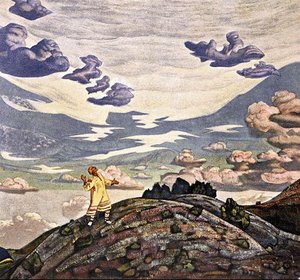
Nicholas Roerich's "Agni Yoga" is a captivating painting created in 1929, deeply rooted in the Symbolism movement. The artwork portrays a solitary female figure standing on a rocky outcrop overlooking a vast landscape of mountains and water. This scene evokes a sense of spiritual contemplation and transcendence. Roerich’s style is characterized by its illustrative quality, utilizing simplified forms and flat planes of color rather than realistic detail. Lines are primarily…

2
კრიშნა (გაზაფხული კულუში) ავტორის: ნიკოლაი როერიხი

კრიშნა (გაზაფხული კულუში)

ზეთი ტილოზე

კრიშნას ამ გამოსახულებაზე, კრიშნა (გაზაფხული კულუში), მზერის მიპყრობა ნიშნავს ზღურბლის გადალახვას იმ სამყაროში, სადაც სულიერება სუნთქვაგამკვდელ ბუნებრივ დიდებულებას შეხვდება. ნიკოლაი როერიხმა, პოლიმატმა, რომლის ცხოვრებაც ხელოვნების, არქეოლოგიისა და ღრმა ფილოსოფიური ძიებების გადაკვეთაზე იყო, აქ არა მხოლოდ სცენას, არამედ ყოფიერების მთლიან მდგომარეობას ასახა — მშვიდი ჭვრეტის მომენტს გაზაფხულის დინამიკურ გამოღვიძებაში. კომპოზიცია მყისიერად მიმართავს თვალს ცენტრალურ ფიგურისკენ, კრიშნასკენ, რომელიც ღრმა მედიტაციაშია ჩაფლული ყვავილებული ხეების ნაზი გადაშლილობის ქვეშ. ეს უფრო მეტია, ვიდრე პორტრეტი; ეს…

3
Fairest City - the anger for enemies (1914) ავტორის: ნიკოლაი როერიხი

Fairest City - the anger for enemies

1914

A Vision of Apocalyptic Fury: Unveiling ‘Fairest City – the anger for enemies’ Nicholas Roerich's *Fairest City – the anger for enemies*, painted in 1914, is a powerfully dramatic and visually arresting work that transports viewers to a realm of biblical proportions. This isn’t merely a depiction of destruction; it’s an exploration of judgment, divine retribution, and the fragility of civilization itself. The artwork's relatively small size (45 x 45…

4
Great rider. Rigden Jyepo - Messenger of Shambhala (1927) ავტორის: ნიკოლაი როერიხი

Great rider. Rigden Jyepo - Messenger of Shambhala

1927 · Oil On Canvas · Mongolia National Art Gallery, ულან-ბატორი

Nicholas Roerich's "Great Rider. Rigden Jyepo – Messenger of Shambhala," painted in 1927, isn’t merely a depiction of a horse and rider; it’s an immersive journey into the heart of Tibetan mysticism and a testament to the artist’s profound spiritual quest. This monumental oil on canvas, now residing within the Mongolia Museum of Art in Ulaanbaatar, pulsates with a vibrant energy that transcends its surface appearance, inviting viewers into a…

5
Чინტამანი სამყără სხეპება და ცეცხლის სხეპება ავტორის: ნიკოლაი როერიხი

Чინტამანი სამყără სხეპება და ცეცხლის სხეპება

აკრილი ტილოზე

A Visionary Landscape: Exploring Nicholas Roerich’s “World’s Treasure” Nicholas Roerich's "World's Treasure" (Chintamani), painted in 1924, transcends mere depiction; it embodies a profound spiritual quest encapsulated within the breathtaking panorama of Himalayan mountains. This artwork isn’t simply observed—it’s felt—a testament to Roerich’s masterful blending of Symbolism and his unwavering fascination with Eastern mysticism. The painting immediately draws the eye into a dramatic vista dominated by towering peaks bathed in twilight…

6
Mother of the World (1937) ავტორის: ნიკოლაი როერიხი

Mother of the World

1937 · Acrylic

About the Artist Nicholas Roerich was a Russian artist who spent the last part of his life in India. He was influenced by Eastern philosophy and Russian symbolism, and was interested in hypnosis and spiritual practices. In the East, the worship of a Mother figure such as Kali or Laxmi was widespread and likely to be predominant in Hinduism. Roerich's artistic career began in Russia where he was influenced by…

7
Himalayas ავტორის: ნიკოლაი როერიხი

Himalayas

Oil On Canvas

Nicholas Roerich's "Himalayas" is more than just a depiction of towering peaks; it’s an immersive experience, a journey into the heart of a landscape imbued with spiritual resonance and breathtaking beauty. Painted during a period of intense exploration and artistic fervor for the Himalayas, this oil painting captures a pivotal moment – sunset – where the mountains seem to dissolve into a swirling symphony of purple, pink, and blue. The…

8
Banner of the Future (1925) ავტორის: ნიკოლაი როერიხი

Banner of the Future

1925 · Oil On Canvas

The artwork depicts a group of figures gathered around a central flag within a vast desert landscape. This deliberate juxtaposition underscores Roerich's preoccupation with humanity’s relationship to nature and the pursuit of spiritual enlightenment. The scene captures a profound sense of unity and purpose as the individuals stand together amidst the rugged terrain. In the distance, towering mountains rise to form a striking backdrop, symbolizing stability and the collective striving…

9
მზერა მატლი (სარწმუნლო მატლი) (1912) ავტორის: ნიკოლაი როერიხი

მზერა მატლი (სარწმუნლო მატლი)

1912 · აკრილი ტილოზე

Nicholas Roemerich’s “Snow Leopard in Shadow” (1912) isn't merely a painting; it’s an immersion into the heart of the Himalayas, a testament to the profound connection between humanity and the untamed spirit of nature. This masterpiece, far beyond a simple depiction of a snow leopard, embodies Roerich’s deeply held belief in the interconnectedness of all things – a conviction rooted in his explorations of Eastern mysticism and shamanic traditions. Painted…

10
Ბმნებაჲ დჲწჲ (1924) ავტორის: ნიკოლაი როერიხი

Ბმნებაჲ დჲწჲ

1924 · ტემპერა

Nicholas Roerich's "Book of Wisdom" transcends mere depiction; it embodies a profound meditation on the relationship between humanity and nature, rendered with masterful technique and imbued with spiritual symbolism. Painted in 1924 during Roereich’s formative years as an artist and thinker, this tempera masterpiece on canvas captures a breathtaking Alpine panorama—snow-capped peaks dominating the horizon against which two figures stand in quiet contemplation.

ნიკოლაი როერიხი-ის შერჩევა გრძელდება, 11-დან 100-მდე

11The Rite of Spring ავტორის: ნიკოლაი როერიხიThe Rite of Spring 12Sacred Himalayas (1934) ავტორის: ნიკოლაი როერიხიSacred Himalayas1934 13Nicholas Roerich

Religious painting

119 x 91 cm

Russian Orthodox Tradition

Oil on canvas

Symbolism

Detailed landscape depiction

Faith and Spirituality

Fiat Rex ავტორის: ნიკოლაი როერიხიNicholas Roerich Religious painting 119 x 91 cm Russian Orthodox Tradition Oil on canvas Symbolism Detailed landscape depiction Faith and Spirituality Fiat Rex 14And we are opening the gates (1922) ავტორის: ნიკოლაი როერიხიAnd we are opening the gates1922 15Mount Fuji (1936) ავტორის: ნიკოლაი როერიხიMount Fuji1936 · Latvian National Museum of Art 16Forging the sword (Nibelung) (1941) ავტორის: ნიკოლაი როერიხიForging the sword (Nibelung)1941 17Mother of the World 2 ავტორის: ნიკოლაი როერიხიMother of the World 2 18Vernicle (1910) ავტორის: ნიკოლაი როერიხიVernicle1910 19Messenger (1946) ავტორის: ნიკოლაი როერიხიMessenger1946 20Tibet stronghold (Potala) (1939) ავტორის: ნიკოლაი როერიხიTibet stronghold (Potala)1939 21სავედლის ღმერთი (1907) ავტორის: ნიკოლაი როერიხისავედლის ღმერთი1907 22Sign (1915) ავტორის: ნიკოლაი როერიხიSign1915 23პორტრეტის ნახაზი 19 ავტორის: ნიკოლაი როერიხიპორტრეტის ნახაზი 19The Phillips Collection 24Song of Shambhala (1943) ავტორის: ნიკოლაი როერიხიSong of Shambhala1943 25St. Olga of Kiev (1915) ავტორის: ნიკოლაი როერიხიSt. Olga of Kiev1915 26ვაიდელოტსი (1914) ავტორის: ნიკოლაი როერიხივაიდელოტსი1914 27The Rite of Spring (1913) ავტორის: ნიკოლაი როერიხიThe Rite of Spring1913 28Elijah the Prophet (1931) ავტორის: ნიკოლაი როერიხიElijah the Prophet1931 29Bhagavan (1931) ავტორის: ნიკოლაი როერიხიBhagavan1931 · რიგას ბირჟის ხელოვნების მუზეუმი 30Everest (1938) ავტორის: ნიკოლაი როერიხიEverest1938 31მშობლის ტაობა (1933) ავტორის: ნიკოლაი როერიხიმშობლის ტაობა1933 32Study to ''Flying Carpet'' (1915) ავტორის: ნიკოლაი როერიხიStudy to ''Flying Carpet''1915 33Tibet. Himalayas. (1933) ავტორის: ნიკოლაი როერიხიTibet. Himalayas.1933 34Lake of the Nagas. Kashmir. (1936) ავტორის: ნიკოლაი როერიხიLake of the Nagas. Kashmir.1936 35Chintamani ავტორის: ნიკოლაი როერიხიChintamani 36Battle in the Heavens (1912) ავტორის: ნიკოლაი როერიხიBattle in the Heavens1912 37Flowers of Timur (The Lights of Victory) (1933) ავტორის: ნიკოლაი როერიხიFlowers of Timur (The Lights of Victory)1933 38St. Sergius the Buildert (1925) ავტორის: ნიკოლაი როერიხიSt. Sergius the Buildert1925 39White horses (1925) ავტორის: ნიკოლაი როერიხიWhite horses1925 40Platon (1893) ავტორის: ნიკოლაი როერიხიPlaton1893 41Guru Guri Dhar (1931) ავტორის: ნიკოლაი როერიხიGuru Guri Dhar1931 42Song of waterfall (1920) ავტორის: ნიკოლაი როერიხიSong of waterfall1920 43Sonf of the Waterfall 1937 ავტორის: ნიკოლაი როერიხიSonf of the Waterfall 1937 44კულუტა (1936) ავტორის: ნიკოლაი როერიხიკულუტა1936 · რიგას ბირჟის ხელოვნების მუზეუმი 45Daughter of viking (1918) ავტორის: ნიკოლაი როერიხიDaughter of viking1918 46The destruction of Atlantis (1928) ავტორის: ნიკოლაი როერიხიThe destruction of Atlantis1928 47Unknown singer (1920) ავტორის: ნიკოლაი როერიხიUnknown singer1920 48Maitreya (1932) ავტორის: ნიკოლაი როერიხიMaitreya1932 49Tibet (1929) ავტორის: ნიკოლაი როერიხიTibet1929 50St. Sergius Hermitage (1933) ავტორის: ნიკოლაი როერიხიSt. Sergius Hermitage1933 51Palden Lhamo (1931) ავტორის: ნიკოლაი როერიხიPalden Lhamo1931 52მეხესკი - მთის ხალხი (1915) ავტორის: ნიკოლაი როერიხიმეხესკი - მთის ხალხი1915 53Lake Sheshnag (1939) ავტორის: ნიკოლაი როერიხიLake Sheshnag1939 54Kangchenjunga (8) (1944) ავტორის: ნიკოლაი როერიხიKangchenjunga (8)1944 55Beda the Preacher (1945) ავტორის: ნიკოლაი როერიხიBeda the Preacher1945 56Buddha the Winner (1925) ავტორის: ნიკოლაი როერიხიBuddha the Winner1925 57Basgo (1932) ავტორის: ნიკოლაი როერიხიBasgo1932 58Great Wall of China (1938) ავტორის: ნიკოლაი როერიხიGreat Wall of China1938 59Saint Sergius (1922) ავტორის: ნიკოლაი როერიხიSaint Sergius1922 60Sketch for Ladoga series (1917) ავტორის: ნიკოლაი როერიხიSketch for Ladoga series1917 61ვარანგიელი მებრძოლე (1911) ავტორის: ნიკოლაი როერიხივარანგიელი მებრძოლე1911 62Polovtsian camp (1914) ავტორის: ნიკოლაი როერიხიPolovtsian camp1914 63ბაბარიხა (1912) ავტორის: ნიკოლაი როერიხიბაბარიხა1912 64Kangchenjunga (1938) ავტორის: ნიკოლაი როერიხიKangchenjunga1938 65Ice sphinx (1938) ავტორის: ნიკოლაი როერიხიIce sphinx1938 66The King's Gate with the gate canopy. Evangelists. (1907) ავტორის: ნიკოლაი როერიხიThe King's Gate with the gate canopy. Evangelists.1907 67Confucius the fair (1925) ავტორის: ნიკოლაი როერიხიConfucius the fair1925 68Ukrainian landscape (1895) ავტორის: ნიკოლაი როერიხიUkrainian landscape1895 69მშენებლები (1901) ავტორის: ნიკოლაი როერიხიმშენებლები1901 70She who leads (1944) ავტორის: ნიკოლაი როერიხიShe who leads1944 71Study of scene design for ''Princess Maleine'' (1913) ავტორის: ნიკოლაი როერიხიStudy of scene design for ''Princess Maleine''1913 72Costume design of a Shipbuilder for ''Peer Gynt'' (1912) ავტორის: ნიკოლაი როერიხიCostume design of a Shipbuilder for ''Peer Gynt''1912 73Moscow. View of Kremlin from Zamoskvorechie. (1903) ავტორის: ნიკოლაი როერიხიMoscow. View of Kremlin from Zamoskvorechie.1903 74Kovno. Old church. (1903) ავტორის: ნიკოლაი როერიხიKovno. Old church.1903 75Pechora. General view of the courtyard. (1903) ავტორის: ნიკოლაი როერიხიPechora. General view of the courtyard.1903 76Rostov Veliky. Interior of church of Savior. (1903) ავტორის: ნიკოლაი როერიხიRostov Veliky. Interior of church of Savior.1903 77Chalice of Christ (1925) ავტორის: ნიკოლაი როერიხიChalice of Christ1925 78პრინცე (1916) ავტორის: ნიკოლაი როერიხიპრინცე1916 79'Sketches of costumes for ''Tale of Tsar Saltan''' (1919) ავტორის: ნიკოლაი როერიხი'Sketches of costumes for ''Tale of Tsar Saltan'''1919 80Study ''Cry of the serpent'' (1914) ავტორის: ნიკოლაი როერიხიStudy ''Cry of the serpent''1914 81Mill in the mountains (1912) ავტორის: ნიკოლაი როერიხიMill in the mountains1912 82სამხარეები (1913) ავტორის: ნიკოლაი როერიხისამხარეები1913 83Daning (Horovod) (1903) ავტორის: ნიკოლაი როერიხიDaning (Horovod)1903 84Saint Sophia the Almighty Wisdom (1932) ავტორის: ნიკოლაი როერიხიSaint Sophia the Almighty Wisdom1932 85Sophocles (1893) ავტორის: ნიკოლაი როერიხიSophocles1893 86Hunter's dream (1916) ავტორის: ნიკოლაი როერიხიHunter's dream1916 87St. Mercurius of Smolensk (1918) ავტორის: ნიკოლაი როერიხიSt. Mercurius of Smolensk1918 88Sorcerer (1909) ავტორის: ნიკოლაი როერიხიSorcerer1909 · Odesa National Fine Arts Museum 89Lotus (1933) ავტორის: ნიკოლაი როერიხიLotus1933 90St. Panteleimon the Healer (1916) ავტორის: ნიკოლაი როერიხიSt. Panteleimon the Healer1916 91Sage (1897) ავტორის: ნიკოლაი როერიხიSage1897 92Sketch of two hunters in boat (1889) ავტორის: ნიკოლაი როერიხიSketch of two hunters in boat1889 93Human Forefathers ავტორის: ნიკოლაი როერიხიHuman Forefathers 94Rocks of Ladakh 1933 ავტორის: ნიკოლაი როერიხიRocks of Ladakh 1933 95Song of Shambhala ავტორის: ნიკოლაი როერიხიSong of Shambhala 96Arhat ავტორის: ნიკოლაი როერიხიArhat 97Ushkuinik (1894) ავტორის: ნიკოლაი როერიხიUshkuinik1894 98Morning of Kiev bogatyrs (1896) ავტორის: ნიკოლაი როერიხიMorning of Kiev bogatyrs1896 99Aeschylus (1893) ავტორის: ნიკოლაი როერიხიAeschylus1893 100Elders Gathering (1898) ავტორის: ნიკოლაი როერიხიElders Gathering1898

ნიკოლაი როერიხი-ის ცნობილი სურათები, პერიოდების მიხედვით

Early Modern

1916 – 1934 · 3 ნამუშწარwerks ამ სიაში

სუბიექტები, რომლებმაც ნიკოლაი როერიხი-ის ყურადღება მიიპყრო

ამ ორიგინალებში ყველაზე ხშირად განმეორებადი არის 네 თემა, რომელთაგან თითოეულს თავისი საუკეთესო ნიმუში წარმოგვიდგება.

მუზეუმები, სადაც ნიკოლაი როერიხი-ის ორიგინალები ინახება

ამ გვერდზე წარმოდგენილი მხატვრობის შედეგების უმეტესობას 5 მუზეუმი ინახავს.

მუზეუმი ქალაქი ნიკოლაი როერიხი შემოქმედებაలు ამ სიიდან მოპოვებული ნახატები
რიგას ბირჟის ხელოვნების მუზეუმი, რიგარიგას ბირჟის ხელოვნების მუზეუმი რიგა 2 Bhagavan, კულუტა
Mongolia National Art Gallery, ულან-ბატორიMongolia National Art Gallery ულან-ბატორი 1 Great rider. Rigden Jyepo - Messenger of Shambhala
Latvian National Museum of Art, RigaLatvian National Museum of Art Riga 1 Mount Fuji
The Phillips Collection, ვაშინგტონი, დი-სიThe Phillips Collection ვაშინგტონი, დი-სი 1 პორტრეტის ნახაზი 19
Odesa National Fine Arts Museum, ო დ ე საOdesa National Fine Arts Museum ო დ ე სა 1 Sorcerer

ნიკოლაი როერიხი ათწლეულების მიხედვით: ორიგინალი, რომელიც განსაზღვრავს თითოეულ მათგანს

ნამუშევრები ათწლეულების მიხედვით

შეარჩიეთ ათწლეული, რათა ნახოთ ის ორიგინალი ნამუშევარი, რომელიც მას განსაზღვრავს.

კოლექციონერთა კითხვები ნიკოლაი როერიხი-ის ნახატებზე

რა ნამუშწარესით არის ყველაზე ცნობილი ნიკოლაი როერიხი?გაამჟღავნეთ პასუხი

აგნი யோგა (1929). შემდეგ მოდიან კრიშნა (გაზაფხული კულუში) და Fairest City - the anger for enemies (1914).

რამდენage იყო ნიკოლაი როერიხი, როდესაც შეიქმნა აგნი யோგა?გაამჟღავნეთ პასუხი

55 წლის: აგნი யோგა შექმნილია 1929 წელს, ხოლო ნიკოლაი როერიხი დაიბადა 1874 წელს.

რა არის ნიკოლაი როერიხი-ის 열 иң ცნობილი 열ი ტილო?გაამჟღავნეთ პასუხი

აგნი யோგა, კრიშნა (გაზაფხული კულუში), Fairest City - the anger for enemies, Great rider. Rigden Jyepo - Messenger of Shambhala, Чინტამანი სამყără სხეპება და ცეცხლის სხეპება, Mother of the World, Himalayas, Banner of the Future, მზერა მატლი (სარწმუნლო მატლი) და Ბმნებაჲ დჲწჲ. ზემოთ მოცემული რეიტინგი ასახავს თითოეულის შემოქმედების წელსა და მუზეუმს.

რამდენი სურათი დატოვა ნიკოლაი როერიხი-მა?გაამჟღავნეთ პასუხი

ჩვენს კატალოგში წარმოდგენილია 1,906 ნამუშწევრი ნიკოლაი როერიხი-ისგან, დათარიღებული 1889-დან 1946-მდე.

რომელ მუზეუმებშია და hangs ნიკოლაი როერიხი-ის შედევრული ნამუშევრები?გაამჟღავნეთ პასუხი

ძირითადად რიგას ბირჟის ხელოვნების მუზეუმი (რიგა), Mongolia National Art Gallery (ულან-ბატორი) და Latvian National Museum of Art (Riga)-ში. ზემოთ მოცემულ მუზეუმების ცხრილში ისინი ყველა listed.

მათ რომელ წლებში შექმნა ნიკოლაი როერიხი-მა ყველაზე ცნობილი ნამუშევრები?გაამჟღავნეთ პასუხი

1910s-ში: ამ გვერდზე წარმოდგენილი 100 ნამუშწარwerksიდან 25 შეიქმნა მაშინ, მათგან Fairest City - the anger for enemies.

რა არის ნიკოლაი როერიხი-ის პირველი და ბოლო ცნობილი ორიგინალი?გაამჟღავნეთ პასუხი

ამ გვერდზე ყველაზე ადრეული არის Sketch of two hunters in boat (1889), ხოლო ყველაზე გვიანდელი — Messenger (1946).

რომელ თემებს ირჩევდა ნიკოლაი როერიხი ყველაზე ხშირად?გაამჟღავნეთ პასუხი

Mountains (19), Sky (14) და Spirituality (12), ამ გვერდზე წარმოდგენილ 100 ნამუშწარეს შორის.

რომელ ტექნიკას იყენებდა ნიკოლაი როერიხი ყველაზე ხშირად?გაამჟღავნეთ პასუხი

Oil On Canvas, ამ გვერდზე არსებული 100 ნამუშწაროსგან 19 ცალიდან.

რა ხელოვნების მიმართულებას მიეკუთვნება ნიკოლაი როერიხი?გაამჟღავნეთ პასუხი

Symbolism landscape, ამ გვერდზე წარმოდგენილი ორიგინალების მიხედვით.

ნიკოლაი როერიხი-ის რომელ ნამუშევრებს ჰქ나 რიგას ბირჟის ხელოვნების მუზეუმი-ში?გაამჟღავნეთ პასუხი

Bhagavan და კულუტა: რიგას ბირჟის ხელოვნების მუზეუმი, რიგა-ში წარმოდგენილია ამ გვერდზე მოცემული ნამუშევრების 2 ცალი.

ნიკოლაი როერიხი: ცხოვრება და შემოქმედება

Early Life, Family and Training

Nicholas Roerich was born on October 9, 1874, in Saint Petersburg, Russia. His lineage combined a Baltic German father with a Russian mother, a background that provided a specific intellectual and cultural framework for his later pursuits. This dual heritage did not lead to a singular focus; instead, it fueled a multifaceted career that spanned law, archaeology, and philosophy alongside his visual output. He was a man of structured discipline from the start.

His formal education was characterized by a simultaneous pursuit of disparate disciplines. In 1893, he enrolled at both St. Petersburg University and the Imperial Academy of Arts. This dual track allowed him to develop a legal mind alongside an artistic one. He earned his artist designation in 1897 and completed his law degree the following year. This combination of legal training and artistic study provided the foundation for his later, more complex roles as a public figure and an advocate for cultural preservation.

Patrons, Workshop and Commissions

Roerich’s influence on the early twentieth-century stage was cemented through his involvement with the "World of Art" society. He did not merely participate in this circle; he led it, serving as the society's president from 1910 to 1916. This leadership position placed him at the center of a network of innovators who were actively dismantling traditional Russian artistic structures. His work during this period moved beyond the canvas and into the physical space of the theater, where he translated complex historical and mythological themes into visual environments.

His most significant contributions to the stage came through high-profile collaborations that redefined theatrical design. He provided the sets and costumes for the 1913 premiere of Igor Stravinsky’s modernist ballet, The Rite of Spring. This production was a radical departure from the era's norms. His designs for Alexander Borodin's Prince Igor, both in 1909 and in subsequent productions, remain his most recognized theatrical achievements. These commissions required a precise blend of historical research and imaginative construction to support the music and movement of the performers.

Technique and Style

Roerich’s visual language relies on a tension between intricate detail and a deliberate simplification of form. His work often employs an illustrative quality, utilizing flat planes of color rather than traditional realistic modeling. This approach creates a graphic aesthetic where lines function primarily to define outlines. He avoids the heavy shadows of classical realism, opting instead for a style that emphasizes the structural essence of his subjects. This clarity makes his compositions direct and readable, even when dealing with complex spiritual themes.

The use of color is central to his impact. He utilized vibrant color palettes to define his landscapes and figures, often creating a sharp contrast between the subject and the environment. In works like Agni Yoga, created about 1929, he utilized tempera on panel to achieve specific textures and hues. This medium allowed for a controlled application of pigment, supporting his preference for luminous, layered tones. His ability to balance these intense colors with simplified, almost geometric shapes prevents the compositions from becoming cluttered, maintaining a sense of order and purpose.

Key Works

Roerich’s output is defined by a shift from the historical to the metaphysical. His 1929 painting, Agni Yoga, remains a primary example of this transition, blending Eastern spirituality with Western enlightenment. The composition centers on a solitary female figure positioned on a rocky outcrop. She overlooks a vast landscape of mountains and water, a scene that emphasizes spiritual contemplation. The sky above is iridescent, utilizing shades of blue and yellow to create a sense of cosmic scale. In the distance, figures appear, suggesting the presence of unseen forces or guides.

His earlier period focused heavily on the architectural and historical identity of Russia. These works often utilized meticulous research to depict fortresses and monasteries. This interest in the physical remnants of the past provided a necessary foundation for his later, more abstract explorations of the spiritual realm. His stage designs for the Ballets Russes, specifically for The Rite of Spring (1913) and Prince Igor (1909), also demonstrate his ability to use visual environments to amplify the emotional weight of a performance.

Legacy and Influence

Roerich’s impact extends far beyond the canvas, rooted in his practical efforts to protect human creativity from the devastation of war. In 1935, he spearheaded the creation of the Roerich Pact, an international treaty designed to safeguard cultural objects. To support this mission, he proposed the Banner of Peace, a universal emblem intended to signify protected cultural sites. His humanitarian focus on preserving history and art earned him multiple nominations for the Nobel Peace Prize. These actions moved his influence from the realm of aesthetics into the sphere of international law and diplomacy.

His connection to the East resulted in significant recognition from the Indian government, which named him a Navaratna. This designation identifies him as one of India's nine great artists. His work remains a point of study for those interested in the intersection of spiritual philosophy and visual representation. His legacy is defined by this dual identity as both a creator of imagery and a defender of the institutions that house it.

Where to See the Works Today

To encounter the physical reality of Roerich’s vision, one must look to specific institutional collections that preserve his output. In the United States, the Nicholas Roerich Museum in New York City remains a primary destination. It is housed within a brownstone on Manhattan’s Upper West Side, a setting that maintains the specific atmosphere of his later years. This museum holds a significant portion of his output, including many of his Himalayan landscapes and the Agni Yoga archives.

The reach of his work extends back to Russia and into Central Asia. The Russian State Museum in Saint Petersburg holds pieces that reflect his early training and development. Additionally, the Astrakhan State Picture Gallery maintains works that contribute to the understanding of his diverse subject matter. These collections ensure that his transition from Russian Symbolism to his later mystical landscapes remains documented in their original cultural contexts.