მორიც ნერ პორტრეტი

12 ყველაზე ცნობილი მორიც ნერ-ის ნახატი, თითოეული მათგანი უნიკალური

განახლდა ნოემბერი 2026 · დალაგებულია ჩვენი პოპულარობის ქულების მიხედვით (ძიება, ნახვა და შეკვეთები თითოეული ნამუშწაროსთვის) · 12 ნამუშევარი მორიც ნერ ჩვენს კატალოგში

მოკლედ რომ ვთქვათ

The left side hall with the Beethoven frieze by Gustav Klimt during the 14th exhibition of the Vienna Secession (1902) არის მორიც ნერ-ის ის ნამუშწარო, რომელიც ყველაზე მეტ ყურადღებას იქცევს; ორიგინალი იმყოფება ავსტრიის ეროვნული ბიბლიოთეკა-ში, ვენა. ამის შემდეგ, მზერა გადადის Gustav Klimt (1905)-სა და Gustav Klimt on Lake Attersee (1904)-ზე. ჩვენს კატალოგში არსებული მორიც ნერ-ის 12 ნამუშწაროდან ეს 12 ყველაზე ცნობილია; თითოეული მათგანი წარმოადგენს უნიკალურ ორიგინალს, რომელიც წარმოდგენილია წელით, მუზეუმითა და იმ მიზეზით, რის გამოც ის დღემდე ცოცხლობს.

1859 – 1945, ვენა Vienna secession ყველაზე მეტი ნამشევრი: ვიენის მუზეუმი

მორიც ნერ-ის 10 საუკეთესო ნამუშgeryო, გალერეის თcraftით

1
The left side hall with the Beethoven frieze by Gustav Klimt during the 14th exhibition of the Vienna Secession (1902) ავტორის: მორიც ნერ

The left side hall with the Beethoven frieze by Gustav Klimt during the 14th exhibition of the Vienna Secession

Moritz Nähr’s photograph offers an extraordinary glimpse into Gustav Klimt’s monumental painting, “The Left Side Hall with the Beethoven Frieze,” a key work from the 14th exhibition of the Vienna Secession in 1902. More than just a documentation of a single artwork, this image is a frozen moment within a pivotal chapter of Viennese art history – a time when artistic rebellion and intellectual exploration converged to reshape European culture.…

3
Gustav Klimt on Lake Attersee (1904) ავტორის: მორიც ნერ

Gustav Klimt on Lake Attersee

1904 · Black and White Photography

This black and white photograph presents a profile view of Gustav Klimt. The subject is positioned in the center of the frame, facing toward the left. He wears a dark suit with a visible fabric weave that catches the light. The lighting is soft and diffused, casting subtle shadows across his facial features and the structure of his clothing. Behind him, the background consists of foliage and trees, rendered in…

4
Gustav Mahler (1907) ავტორის: მორიც ნერ

Gustav Mahler

1907 · Black and White Photography

The photograph presents a medium shot of Gustav Mahler, captured in 1907 by Moritz Nähr. He is positioned from the waist up, standing against an architectural backdrop characterized by ornate molding and a fireplace mantelpiece. Mahler's posture is upright, with his hands placed on his hips, and his gaze is directed toward his right side. The lighting is diffused, creating an even tone across his facial features without producing harsh…

5
Gustav Klimt with a cat in the garden of his studio at Josefstädter Straße 21 (1911) ავტორის: მორიც ნერ

Gustav Klimt with a cat in the garden of his studio at Josefstädter Straße 21

1911 · Black and White Photography

Gustav Klimt with a cat in the garden of his studio at Josefstädter Straße 21 is a photographic portrait by Moritz Nähr. Captured in Vienna on 8th July 1909, the image depicts the painter Gustav Klimt in a private, informal setting. The subject is shown holding a cat within the garden of his studio.

6
Gustav Klimt, holding a cat in his arm (1911) ავტორის: მორიც ნერ

Gustav Klimt, holding a cat in his arm

1911 · Black and White Photography · ვიენის მუზეუმი, ვენა

This black and white photograph, captured in 1911, presents a centered composition of an elderly man holding a small animal. The subject is positioned against a building facade that provides a structured, rectangular backdrop to the organic forms of the figure. Soft, diffused lighting defines the contours of the man's face and the heavy folds of his robe, creating subtle shadows across the texture of his skin. The image possesses…

7
Gustav Klimt at the age of 55 in front of his studio at Feldmühlgasse 11 in Vienna (1917) ავტორის: მორიც ნერ

Gustav Klimt at the age of 55 in front of his studio at Feldmühlgasse 11 in Vienna

1917 · Black and White Photography

The photograph, captured in 1917 by Moritz Nähr, presents a formal portrait of Gustav Klimt. He is positioned in the center of the frame, facing the camera directly. The subject is dressed in a dark, three-piece suit featuring thin pinstripes. His posture is relaxed; he leans against a wall, with his right hand resting near his jacket. The lighting is natural and diffused, casting soft shadows across his facial features,…

მორიც ნერ-ის ცნობილი ნამუშევრები, 11-დან 12-მდე ნომრებით

სუბიექტები, რომლებმაც მორიც ნერ-ის ყურადღება მიიპყრო

ამ ორიგინალებში ყველაზე ხშირად განმეორებადი არის 네 თემა, რომელთაგან თითოეულს თავისი საუკეთესო ნიმუში წარმოგვიდგება.

მუზეუმები, სადაც მორიც ნერ-ის ორიგინალები ინახება

ამ გვერდზე წარმოდგენილი მხატვრობის შედეგების უმეტესობას 3 მუზეუმი ინახავს.

მუზეუმი ქალაქი მორიც ნერ შემოქმედებაలు ამ სიიდან მოპოვებული ნახატები
ვიენის მუზეუმი, ვენავიენის მუზეუმი ვენა 3 Gustav Klimt, holding a cat in his arm, Gustav Klimt in the garden of his\nstudio, Portrait of Gustav Klimt in profile\nfacing right
ავსტრიის ეროვნული ბიბლიოთეკა, ვენაავსტრიის ეროვნული ბიბლიოთეკა ვენა 1 The left side hall with the Beethoven frieze by Gustav Klimt during the 14th exhibition of the Vienna Secession
სმიტსონის ამერიკული ხელოვნების მუზეუმი, ვაშინგტონი, დი.სი.სმიტსონის ამერიკული ხელოვნების მუზეუმი ვაშინგტონი, დი.სი. 1 Gustav Klimt with a cat, photographed by Moriz Nähr in the garden of his studio at Josefstädter Straße 21\n\nFront

მორიც ნერ ათწლეულების განმავლობაში: თითოეულ დეკადესთვის ერთი უნიკალური ორიგინალი

ნამუშევრები ათწლეულების მიხედვით

შეარჩიეთ ათწლეული, რათა ნახოთ ის ორიგინალი ნამუშევარი, რომელიც მას განსაზღვრავს.

მორიც ნერ-ის ნახატები: კითხვები გალერეისთვის

რა არის მორიც ნერ-ის ყველაზე ცნობილი ნამუშწარებიდან ერთერთი?გაამჟღავნეთ პასუხი

The left side hall with the Beethoven frieze by Gustav Klimt during the 14th exhibition of the Vienna Secession (1902), ავსტრიის ეროვნული ბიბლიოთეკა, ვენა. შემდეგ მოდიან Gustav Klimt (1905) და Gustav Klimt on Lake Attersee (1904).

რა ასაკში შექმნა მორიც ნერ-მა The left side hall with the Beethoven frieze by Gustav Klimt during the 14th exhibition of the Vienna Secession?გაამჟღავნეთ პასუხი

43 წლის: The left side hall with the Beethoven frieze by Gustav Klimt during the 14th exhibition of the Vienna Secession შექმნილია 1902 წელს, ხოლო მორიც ნერ დაიბადა 1859 წელს.

მორიც ნერ-ის რომელი 열ათმე ნახატია ყველაზე ცნობილი?გაამჟღავნეთ პასუხი

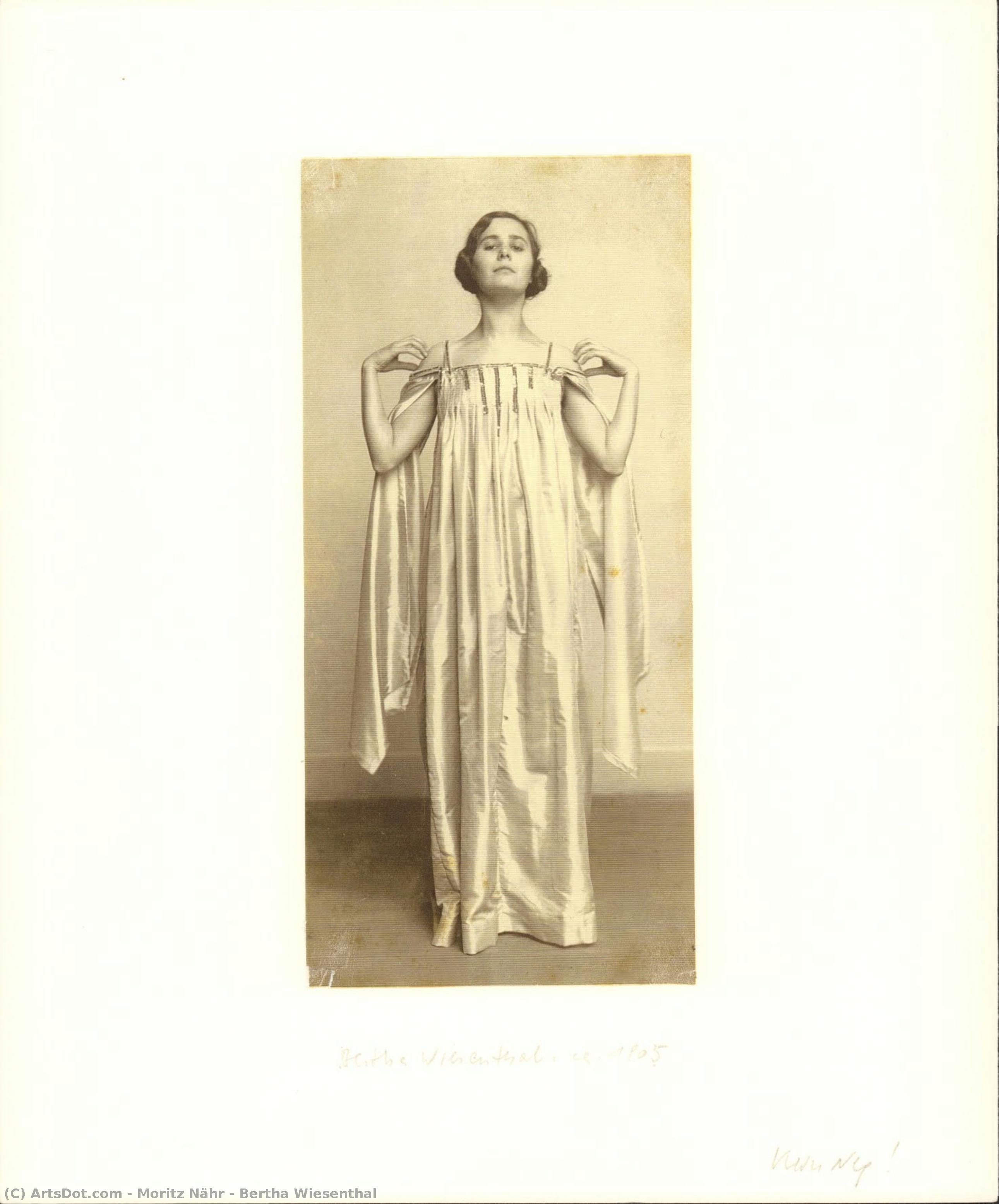
The left side hall with the Beethoven frieze by Gustav Klimt during the 14th exhibition of the Vienna Secession, Gustav Klimt, Gustav Klimt on Lake Attersee, Gustav Mahler, Gustav Klimt with a cat in the garden of his studio at Josefstädter Straße 21, Gustav Klimt, holding a cat in his arm, Gustav Klimt at the age of 55 in front of his studio at Feldmühlgasse 11 in Vienna, Ludwig Wittgenstein, Bertha Wiesenthal და Gustav Klimt with a cat, photographed by Moriz Nähr in the garden of his studio at Josefstädter Straße 21\n\nFront. ზემოთ მოცემული რეიტინგი ასახავს თითოეულის შემოქმედების წელსა და მუზეუმს.

რამდენი ნამუშწარებია ცნობილი მორიც ნერ-ის შემოქმედებიდან?გაამჟღავნეთ პასუხი

ჩვენს კატალოგში წარმოდგენილია 12 ნამუშწევრი მორიც ნერ-ისგან, დათარიღებული 1902-დან 1929-მდე.

სად შეიძლება ყველაზე ცნობილი მორიც ნერ-ის ორიგინალების ნახვა?გაამჟღავნეთ პასუხი

ძირითადად ვიენის მუზეუმი (ვენა), ავსტრიის ეროვნული ბიბლიოთეკა (ვენა) და სმიტსონის ამერიკული ხელოვნების მუზეუმი (ვაშინგტონი, დი.სი.)-ში. ზემოთ მოცემულ მუზეუმების ცხრილში ისინი ყველა listed.

რა პერიოდში შექმნა მორიც ნერ-მა ყველაზე ცნობილი სურათები?გაამჟღავნეთ პასუხი

1910s-ში: ამ გვერდზე წარმოდგენილი 12 ნამუშწარwerksიდან 6 შეიქმნა მაშინ, მათგან Gustav Klimt with a cat in the garden of his studio at Josefstädter Straße 21.

რომელი ცნობილი მორიც ნერ ტილოა ყველაზე ადრეული და რომელი — ყველაზე გვიანდელი?გაამჟღავნეთ პასუხი

ამ გვერდზე ყველაზე ადრეული არის The left side hall with the Beethoven frieze by Gustav Klimt during the 14th exhibition of the Vienna Secession (1902), ხოლო ყველაზე გვიანდელი — Ludwig Wittgenstein (1929).

რა თემებს ანიჭებდა უპირატესობას მორიც ნერ?გაამჟღავნეთ პასუხი

Man (3), Gustav klimt (2) და Black and white (2), ამ გვერდზე წარმოდგენილ 12 ნამუშწარეს შორის.

რა მასალებით ხატავდა ყველაზე ხშირად მორიც ნერ?გაამჟღავნეთ პასუხი

Black and White Photography, ამ გვერდზე არსებული 12 ნამუშწაროსგან 6 ცალიდან.

მორიც ნერ-ის შემოქმედება რომელ მიმდინარეობას მიეკუთვნება?გაამჟღავნეთ პასუხი

Vienna secession, ამ გვერდზე წარმოდგენილი ორიგინალების მიხედვით.

რა მორიც ნერ-ის ორიგინალების ნახვა შემიძლია ვიენის მუზეუმი-ში?გაამჟღავნეთ პასუხი

Gustav Klimt, holding a cat in his arm, Gustav Klimt in the garden of his\nstudio და Portrait of Gustav Klimt in profile\nfacing right: ვიენის მუზეუმი, ვენა-ში წარმოდგენილია ამ გვერდზე მოცემული ნამუშევრების 3 ცალი.

მორიც ნერ: მხატვრის პორტრეტი

The Lens of a Golden Era: The Life and Legacy of Moritz Nähr

In the twilight of the nineteenth century, as the rigid structures of academic tradition began to fracture under the weight of modernity, a new way of seeing emerged from the heart of Vienna. At the center of this visual revolution stood Moritz Nähr, an artist whose camera did not merely record faces, but captured the very soul of the Vienna Secession. Born in 1859 to a Viennese furniture dealer, Nähr possessed a unique duality of perspective—a practical understanding of form and aesthetic grace inherited from his father, Johann Georg Nähr, blended with an intimate connection to the bohemian avant-garde. His life was inextricably linked to the cultural ferment of his era, placing him in the inner sanctum of the most influential minds of the twentieth century.

Nähr’s artistic journey was shaped by the shared corridors of his youth, specifically his time at the Bernhard Speneder Private School. It was here that he forged a lifelong bond with Gustav Klimt, a friendship that would evolve into one of the most significant collaborations in photographic history. As Klimt led the charge against artistic stagnation through the Secession movement, Nähr became its unofficial chronicler. His lens provided a vital, candid counterpoint to the grand, often gilded canvases of the era, offering instead a stripped-back, monochrome intimacy that humanized the icons of modernism.

Capturing the Spirit of the Secession

The work of Moritz Nähr transcends the boundaries of traditional portraiture, acting as a profound historical document of an intellectual epoch. Through his mastery of black and white photography, he captured the luminaries of Vienna—from the musical genius of Gustav Mahler to the philosophical depth of Ludwig Wittgenstein. His ability to manipulate light and shadow allowed him to move beyond mere likeness, reaching toward a psychological truth that mirrored the experimental spirit of his contemporaries. In his hands, the camera became an instrument of the avant-garde, documenting not just people, but the shifting zeitgeist of a city in transition.

Some of his most evocative works serve as windows into the private moments of greatness:

  • The Beethoven Frieze Documentation: His breathtaking photographic record of the 14th exhibition of the Vienna Secession, specifically the left side hall featuring Klimt’s monumental frieze, remains an essential archive of architectural and artistic triumph.
  • Intimate Portraits of Klimt: Whether capturing the painter in a moment of quiet dignity on the shores of Lake Attersee or the tender, unexpected vulnerability of Gustav Klimt holding a cat, Nähr stripped away the public persona to reveal the man beneath the myth.

A Lasting Visual Heritage

The historical significance of Moritz Nähr lies in his role as the bridge between the tangible and the ephemeral. While the paintings of the Secession movement often sought to immortalize subjects through gold leaf and intricate patterns, Nähr’s photography captured the fleeting, the raw, and the authentic. He documented the very spaces where art was being redefined, ensuring that the atmosphere of the Secessionist exhibitions would never be lost to time. His oeuvre serves as a vital companion to the era's fine arts, providing the necessary context for understanding the faces and environments that birthed modernism.

Though he passed away in 1945, marking the end of an era much like the one he documented, Nähr’s legacy remains undiminished. He stands as a pivotal figure whose work allows us to revisit a Vienna defined by intense creativity and intellectual bravery. Through his meticulous approach and keen eye, the shadows of the past are brought into sharp, enduring focus, reminding us that the true essence of art often resides in the quiet, unposed moments captured between the shutter clicks.