Saint Russia
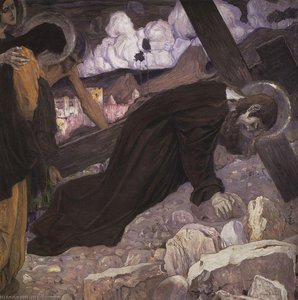
Saint Russia is an oil on canvas work by Mikhail Nesterov. The artist executed this piece between 1901 and 1905. It remains part of the permanent collection at the State Russian Museum in the Russian Federation.
მოკლედ რომ ვთქვათ
Saint Russia არის მიხეილ ნესტეროვი მხატვრის ის ნამუშწარები, რომელიც ყველაზე მეტ ყურადღებას იქცევს. ამის შემდეგ, მზერა გადადის Self-Portrait (1918)-სა და Saint Sergius' labours (right part of the triptych) (1896)-ზე. ჩვენს კატალოგში არსებული მიხეილ ნესტეროვი-ის 158 ნამუშწაროდან ეს 100 ყველაზე ცნობილია; თითოეული მათგანი წარმოადგენს უნიკალურ ორიგინალს, რომელიც წარმოდგენილია წელით, მუზეუმითა და იმ მიზეზით, რის გამოც ის დღემდე ცოცხლობს.
Saint Russia is an oil on canvas work by Mikhail Nesterov. The artist executed this piece between 1901 and 1905. It remains part of the permanent collection at the State Russian Museum in the Russian Federation.
The artwork is titled Self-Portrait and was created by the artist Mikhail Nesterov. This specific piece is a monochrome portrait that focuses on a self-representation of the artist. The work was produced in 1918.
A solitary figure moves through a landscape of winter. Dressed in a long coat and hat, a man resembling a monk or priest carries a child in his arms. The scene is set upon a street lined with buildings, where the urban architecture meets a heavy, white blanket of snow. In the background, the presence of a dog and other distant figures adds a sense of lived-in movement to the…
Mikhail Nesterov produced Solovki in 1917. The work provides a representation of the Solovki islands located in Russia. This landscape captures a specific geographic setting through a lens of quietude and natural scale.
In this 1940 work, titled Portrait of Vera Mukhina, the artist Mikhail Nesterov captures a moment of quiet intensity. The painting focuses on the likeness of Vera Mukhina, a woman who lived from 1889 to 1953. It is a study of character and presence, rendered during a period when the artist and his subject had recently become acquainted, having met in the autumn of 1939.
In the quietude of Mikhail Nesterov’s 1909 masterpiece, St. Mark the Apostle, we are invited into a moment of profound spiritual contemplation. The painting presents a striking portrait of the Apostle, depicted with deep, soulful features and a dignified beard, seated in a state of meditative repose upon a rugged rock. Set against a lush, natural backdrop that suggests a secluded garden or a sacred grove, the composition breathes with…
The scene before us is Autumn, a landscape that captures a specific, quiet moment in the changing seasons. Mikhail Nesterov, a painter who sought to translate the very essence of the Russian soul onto canvas, brings this seasonal transition to life through his unique vision. The work, created in 1906, invites a sense of stillness into the viewer's space, as if the air itself has paused to breathe.
The scene unfolds through the Portrait of Olga Nesterova (Woman in a Riding Habit), a work that captures a quiet, suspended moment in time. Mikhail Nesterov brings this figure to life, presenting a woman who exists within a landscape of soft light and natural textures. She stands poised, her presence defined by the elegant lines of her riding habit, a garment that speaks to a specific way of life and…
Youth of Saint Sergiy Radonezhsky is a painting by Mikhail Nesterov. The canvas captures a quiet moment of grace, a stillness held within the brushstrokes of a man who sought the essence of the Russian soul. Nesterov, born in Ufa, Russia, in 1862, spent his life translating the unseen into the visible. His hand moved between the heavy weight of realism and the light, ethereal touch of symbolism.
In "Old painter" by Mikhail Nesterov, the viewer enters a quiet studio where time seems to pause. The composition centers entirely on an elderly artist, whose intense focus anchors the scene as he works upon a large canvas. He sits at his easel, caught in a moment of profound concentration. In the background, a classical sculpture rests in the shadows, acting as a silent focal point that draws the eye…
ამ ორიგინალებში ყველაზე ხშირად განმეორებადი არის 네 თემა, რომელთაგან თითოეულს თავისი საუკეთესო ნიმუში წარმოგვიდგება.
ამ გვერდზე წარმოდგენილი მხატვრობის შედეგების უმეტესობას 4 მუზეუმი ინახავს.
| მუზეუმი | ქალაქი | მიხეილ ნესტეროვი შემოქმედებაలు | ამ სიიდან მოპოვებული ნახატები |
|---|---|---|---|
| ვარშავა | 3 | Nun, Sea view., Landscape study | |
| მოსკოვი | 7 | Philosopher | |
| ბრატისლავა | 1 | Nuns | |
| Yerevan | 1 | A Litte Fox |
შეარჩიეთ ათწლეული, რათა ნახოთ ის ორიგინალი ნამუშევარი, რომელიც მას განსაზღვრავს.
In "Old painter" by Mikhail Nesterov, the viewer enters a quiet studio where time seems to pause. The composition centers entirely on an elderly artist, whose intense focus anchors the scene as he works upon a large canvas. He sits at his easel, caught in a moment of profound concentration. In the background, a classical sculpture rests in the shadows, acting as a silent focal point that draws the eye…
A solitary figure moves through a landscape of winter. Dressed in a long coat and hat, a man resembling a monk or priest carries a child in his arms. The scene is set upon a street lined with buildings, where the urban architecture meets a heavy, white blanket of snow. In the background, the presence of a dog and other distant figures adds a sense of lived-in movement to the…
In the quietude of Mikhail Nesterov’s 1909 masterpiece, St. Mark the Apostle, we are invited into a moment of profound spiritual contemplation. The painting presents a striking portrait of the Apostle, depicted with deep, soulful features and a dignified beard, seated in a state of meditative repose upon a rugged rock. Set against a lush, natural backdrop that suggests a secluded garden or a sacred grove, the composition breathes with…
The artwork is titled Self-Portrait and was created by the artist Mikhail Nesterov. This specific piece is a monochrome portrait that focuses on a self-representation of the artist. The work was produced in 1918.
In Wayfarer, Mikhail Nesterov presents a quiet rural scene that invites a moment of stillness. Painted about 1921, the work centers on a subtle human connection set against a natural backdrop. An elderly woman and a young boy occupy the space, caught in a contemplative exchange that feels both private and significant. There is a sense of shared thought between them, a quietude that suggests the passing of experience from…
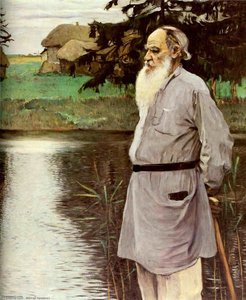
In this medium close-up portrait of V.G.Chertkov, Mikhail Nesterov captures the sitter reclining within the heavy embrace of a large, cushioned chair. The perspective is a direct, eye-level view that pulls the viewer into an intimate space with the man. His clothing is rendered in deep blacks and browns, anchoring the figure against a textured background of muted blues and teals. The arrangement is formal, yet the realistic and expressive…
In this 1940 work, titled Portrait of Vera Mukhina, the artist Mikhail Nesterov captures a moment of quiet intensity. The painting focuses on the likeness of Vera Mukhina, a woman who lived from 1889 to 1953. It is a study of character and presence, rendered during a period when the artist and his subject had recently become acquainted, having met in the autumn of 1939.
Saint Russia. შემდეგ მოდიან Self-Portrait (1918) და Saint Sergius' labours (right part of the triptych) (1896).
Saint Russia, Self-Portrait, Saint Sergius' labours (right part of the triptych), Solovki, Portrait of Vera Mukhina, St. Mark the Apostle, Autumn, Portrait of Olga Nesterova (Woman in a Riding Habit), Youth of Saint Sergiy Radonezhsky და Old painter. ზემოთ მოცემული რეიტინგი ასახავს თითოეულის შემოქმედების წელსა და მუზეუმს.
ჩვენს კატალოგში წარმოდგენილია 158 ნამუშწევრი მიხეილ ნესტეროვი-ისგან, დათარიღებული 1875-დან 1940-მდე.
ძირითადად ვარშავის ეროვნული მუზეუმი (ვარშავა), ტრესტიაკოვის სახელმწიფო გალერეა (მოსკოვი) და სლოვაკეთის ეროვნული გალერეა ბრატისლავაში (ბრატისლავა)-ში. ზემოთ მოცემულ მუზეუმების ცხრილში ისინი ყველა listed.
1900s-ში: ამ გვერდზე წარმოდგენილი 100 ნამუშწარwerksიდან 29 შეიქმნა მაშინ, მათგან St. Mark the Apostle.
ამ გვერდზე ყველაზე ადრეული არის Portrait of M. M. Nesterova, the artist's mother (1875), ხოლო ყველაზე გვიანდელი — Portrait of Vera Mukhina (1940).
Religious (18), Portraits (14) და Women (13), ამ გვერდზე წარმოდგენილ 100 ნამუშწარეს შორის.
Oil On Canvas, ამ გვერდზე არსებული 100 ნამუშწაროსგან 12 ცალიდან.
Symbolist painting, ამ გვერდზე წარმოდგენილი ორიგინალების მიხედვით.
Nun, Sea view. და Landscape study: ვარშავის ეროვნული მუზეუმი, ვარშავა-ში წარმოდგენილია ამ გვერდზე მოცემული ნამუშევრების 3 ცალი.
მიხეილ ვასილიевич ნესტეროვი, დაიბადა 1862 წლის 31 მაისს უფაში, რუსეთში. ის მხატვარი კი არა, რუსული სულის ვიზუალური პოეტი იყო. წარმოშობით ძლიერი патриარხალურ-სავაჭრო ოჯახიდან მოვიდა, სადაც სამხატვარო მიდრეკილებები უცნაურად აღმერთებოდა; მამის ისტორიისა და ლიტერატურის სიყვარულმა მასში სურვილი გაუჩინა, რომ ამბები და ემოციები ტილოზე გადაეტანა. ადრეული წახ encouragement-ით მოსკოვში ჩავიდა 1874 წელს, ჩაირიცხა ვოსკრესენსკის რეალისკოლაში — გადამწყვეტი ნაბიჯი, რომელმაც მას რუსეთის ერთ-ერთ მნიშვნელოვან სიმბოლისტ მხატვარად აქცია. ოფიციალური სამხატვარო განათლება 1877 წელს დაიწყო მოსკოვის სახვითი ხელოვნების, скульптуры და არქიტექტურის სკოლაში, სადაც პავლე სოროკინის, ილარიონ პრიანიშნიკოვისა და ვასილი პეროვის მსგავსი გამოჩენილ მხატვართა ხელმძღვანელობით სწავლობდა — უკანაკნელი განსაკუთრებულად გავლენიანი ფიგურად აღმოჩნდა. ამ ფორმატიული წლების განმავლობაშიც ნესტეროვის ტალანტი გამოიკვეთა, რადგან სკოლის გამოფენებზე 1879 წლიდან მონაწილეობდა. იმპერატორულ სამხატვარო აკადემიაში მოკლე და არასასიამოვნო პერიოდმა მოსკოვში დაბრუნება გამოიწვია და ალექსეი სავრასოვის ხელმძღვანელობით განათლების გაგრძელება, რაც მის სამხატვარო საფუძველს განსაზღვრავდა. ამ ადრეულმა გამოცდილებებმა მასში რეალიზმის ნაზავი და ატმოსფეროსა და ემოციური სიღრმისადმი მზარდი მგრძნობელობა ჩამოყალიბდა, რაც მის მომწიფებულ სტილს დამახასიათებელი იყო.
ნესტეროვის გარღვევა 1889 წელს შედგა ნაწარმოებით “მონაზონი”, რომელმაც მაშინვე საზოგადოებისა და კრიტიკოსების აღიარება მოიპოვა. პავლე ტრეტიაკოვის მიერ მისი შეძენა, სახელგანთქმული კოლექციონერის და ტრეტიაკოვის გალერეის დამფუძნებლისაგან, მხოლოდ ფინანსური ოპერაცია კი არა, ნესტეროვის ჩამოყალიბებული სამხატვარო ხმის ვალიდაცია იყო. ამ შეძენამ მას შესაძლებლობა მისცა ევროპაში — ავსტრიაში, გერმანიაში, საფრანგეთსა და იტალიაში — ფართოდ მოესაუბრა, რაც მის ჰორიზონტებს აფართოებდა და მრავალფეროვან სამხატვარო ტრადიციას აცნობდა. თუმცა, რუსეთში დაბრუნების შემდეგ დაიწყო მისი ნამდვილი მოწვევის ფორმირება. ის ღრმად ჩაერთო მონაზონი სერგიუს რადონეჟელის ცხოვრებისადმი მიძღვნილი მასშტაბური პროექტის განხორციელებაში — ესპიტუალურმა ფიგურამ, რომელმაც თითქმის ნახევარი საუკუნე გააჩინა მისი შემოქმედებითი ენერგია. ეს ვალდებულება მხოლოდ სამხატვარო არ იყო; რუსული სულიანობისა და ასკეტიზმის ღრმა შესწავლა იყო — იმ დროს რუსულ კულტურაში არსებული მნიშვნელობის ძიების სწრაფვა. ამავე დროს, ნესტეროვმა რუსეთის ხელოვნების სცენის რთულ ნაკადებში შევიდა, გაერთიანდა როგორც “პერედვიჟნიკებთან” (მოხეტიალეებთან), რომლებიც ცნობილი იყვნენ სოციალური საკითხების რეალისტური გამოსახულებით, ასევე “მირ ისკუსტვასთან” (“სამყაროს ხელოვნება”), ჯგუფთან, რომელიც ესთეტიკასა და სიმბოლიზმს უჭერდა მხარს. ორგანიზაციაში გაწევრიანებამ მის ნამუშევებში არსებული ძირითადი წინააღმდეგობა აისახა — რეალიზმის ნაზავი რუსული ცხოვრების საფუძველზე და ეთერიალური ხასიათი, რომელიც ღრმა სულიერ ჭეშმარიტებას സൂചിებდა.
1890 წელს კიევის ვოლოდიმირის საკათედრო ბაზილიკასთან დაკავშირებული შეკვეთამ კიდევ ერთი გარდამტეხი მომენტი აღნიშნა, ნესტეროვი ჩაერთო ბიზანტიური ხელოვნებისა და რელიგიური iconography-ს სამყაროში. მიუხედავად იმისა, რომ მან თავისი ვალდებულებები შეასრულა, ხშირად პირად სამხატვარო გამოხატულებასაც აკეთებდა — ეს მისი დამოუკიდებელი სულის მოწმობა იყო. ამ პერიოდმა მას საკომისიო მუშაობის შეზღუდვები და საკუთარი შემოქმედებითი ხედვის ძიება შორის ბრძოლა აჩვენა, რაც მის კარიერაში გაგრძელდა. რელიგიურ თემებთან ერთად, ნესტეროვმა პორტრეტულ ხელოვნობაშიც წარმატება მიაღწია და გამოჩენილი ფიგურების — ივან ილინის, ივან პავლოვისა და სერგეი იუდინის გამოსახულებები შექმნა. მისი ივან პავლოვის (1935) პორტრეტი, რომლისთვისაც 1941 წელს სტალინური პრემია მიიღო, ძლიერი მოწმობაა მის უნარზე, არა მხოლოდ ფიზიკური გარეგნობის აღსრულება, არამედ ინტელექტუალური სიღრმის და ხასიათის გამოსახულებაში.
მიხეილ ნესტეროვი 1942 წლის 18 ოქტომბერს მოსკოვში გარდაიცვალა, დატოვა მდიდარი სამხატვარო მემკვიდრეობა, რომელიც დღესაც შთაგონებას იწვევს. მისი ნამუშევები რუსული რეალიზმის, სიმბოლიზმისა და რელიგიური სიფრიალის უნიკალურ სინთეზს წარმოადგენენ. ის მხოლოდ სცენების გამოსახვას კი არა, ადამიანის სულის არსსაც ცდილობდა — მის სწრაფვას სულიერ მნიშვნელობასა და მიწასთან კავშირში. მისი ნახატები უბრალო გამოსახულებები არ არის, ისინი რწმენის, განმედიდებლობისა და ღრმა ემოციური სიღრმის ფანჯრებია. ნესტეროვის გავლენა შემდგომ თაობების რუს მხატვართა ნამუშევებში ჩანს, რომლებმაც სულიანობისა და ეროვნული იდენტობის მსგავსი თემების შესწავლა დაიწყეს. მისი ფერის გამოყენებისა და განათების უნარი დღესაც აღფრთოვანებს მაყურებელს.
აქ არის რამდენიმე მნიშვნელოვანი ნაწარმოები, რომლებიც ნესტეროვის სამხატვარო მოგზაურობას განსაზღვრავენ: