Michael Erhart პორტრეტი

4 ყველაზე ცნობილი Michael Erhart-ის ნახატი, გალერეის შერჩეული კოლექცია

განახლდა ნოემბერი 2026 · დალაგებულია ჩვენი პოპულარობის ქულების მიხედვით (ძიება, ნახვა და შეკვეთები თითოეული ნამუშწაროსთვის) · 4 ნამუშევარი Michael Erhart ჩვენს კატალოგში

მოკლედ რომ ვთქვათ

Michael Erhart-ის ყველა დატოვებული ორიგინალიდან ყველაზე ცნობილია Ravensburg Madonna of Mercy (1480), რომელიც ბერლინი-ში მდებარე ბერლინის შტატული მუზეუმები-ის კოლექციაშია. მისდაក្រោយ Altarpiece (central section) (1493) და The Libyan Sibyl (1469) მოდიან. ჩვენს კატალოგში Michael Erhart-ის 4 ნამუშწარებია; გალერეამ შეინافظა ის 4 ნამუშწარო, რომლებსაც მსოფლიო ყველაზე მეტად აღიარებს, რომელთაგან თითოეული წარმოდგენილია თვის, მუზეუმისა და ისტორიის თანხლებით.

1442 – 1522 ყველაზე მეტი ნამشევრი: Benedictine Abbey Church

Michael Erhart-ის 10 საუკეთესო ნამუშgeryო: გალერეის არჩევანი

1
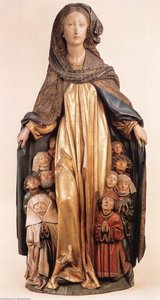
Ravensburg Madonna of Mercy (1480) ავტორის: Michael Erhart

Ravensburg Madonna of Mercy

In the quiet presence of this 1480 sculpture, one feels the weight of late Gothic devotion. The Ravensburg Madonna of Mercy is a work of profound stillness, carved from wood and brought to life through the delicate application of polychromy. The central figure of the Virgin Mary rises with a verticality that draws the eye upward, her form draped in heavy, meticulously detailed clothing. She is surrounded by smaller figures,…

2
Altarpiece (central section) (1493) ავტორის: Michael Erhart

Altarpiece (central section)

1493 · Tempera On Panel · Benedictine Abbey Church, Blaubeuren

Gold leaf clings to the carved wood, catching the light like a sudden sunbeam in a dim cathedral. In this central panel, the Virgin Mary stands upon a silvered sickle moon, her form a pillar of quiet grace. Beside her, the infant Jesus rests, a small weight of divinity held within the curve of her arm. The architecture behind them recedes into a structured, gilded depth, creating a space that…

3
The Libyan Sibyl (1469) ავტორის: Michael Erhart

The Libyan Sibyl

1469 · Sculpture · Cathedral, Ulm

The Libyan Sibyl emerges from the shadows of history, a figure carved with profound intent by the hands of Michael Erhart. This work, titled The Libyan Sibyl, exists as a presence within the sacred space of the Ulm Cathedral in Ulm. It is a creation of oak, a material that holds the weight of the centuries within its grain. The wood carries the marks of a sculptor who understood how…

4
Altarpiece (1493) ავტორის: Michael Erhart

Altarpiece

1493 · Wood · Benedictine Abbey Church, Blaubeuren

A silvered sickle moon supports the Virgin Mary, a pale crescent caught in the stillness of the carved wood. She holds the infant Jesus, a small weight of divinity resting against the curve of her arm. Around them, the architecture recedes into a structured, gilded depth, creating a space that feels both solid and celestial. The light catches the gold leaf, turning the background into a luminous, reflective void that…

სუბიექტები, რომლებმაც Michael Erhart-ის ყურადღება მიიპყრო

ამ ორიგინალებში ყველაზე ხშირად განმეორებადი არის 네 თემა, რომელთაგან თითოეულს თავისი საუკეთესო ნიმუში წარმოგვიდგება.

მუზეუმები, სადაც Michael Erhart-ის ორიგინალები ინახება

ამ გვერდზე წარმოდგენილი მხატვრობის შედეგების უმეტესობას 3 მუზეუმი ინახავს.

მუზეუმი ქალაქი Michael Erhart შემოქმედებაలు ამ სიიდან მოპოვებული ნახატები
Benedictine Abbey Church, BlaubeurenBenedictine Abbey Church Blaubeuren 2 Altarpiece (central section), Altarpiece
ბერლინის შტატული მუზეუმები, ბერლინიბერლინის შტატული მუზეუმები ბერლინი 1 Ravensburg Madonna of Mercy
Cathedral, UlmCathedral Ulm 1 The Libyan Sibyl

Michael Erhart ათწლეულების მიხედვით: ორიგინალი, რომელიც განსაზღვრავს თითოეულ მათგანს

ნამუშევრები ათწლეულების მიხედვით

შეარჩიეთ ათწლეული, რათა ნახოთ ის ორიგინალი ნამუშევარი, რომელიც მას განსაზღვრავს.

კოლექციონერთა კითხვები Michael Erhart-ის ნახატებზე

რა ნამუშწარესით არის ყველაზე ცნობილი Michael Erhart?გაამჟღავნეთ პასუხი

Ravensburg Madonna of Mercy (1480), ბერლინის შტატული მუზეუმები, ბერლინი. შემდეგ მოდიან Altarpiece (central section) (1493) და The Libyan Sibyl (1469).

რამდენage იყო Michael Erhart, როდესაც შეიქმნა Ravensburg Madonna of Mercy?გაამჟღავნეთ პასუხი

38 წლის: Ravensburg Madonna of Mercy შექმნილია 1480 წელს, ხოლო Michael Erhart დაიბადა 1442 წელს.

რამდენი სურათი დატოვა Michael Erhart-მა?გაამჟღავნეთ პასუხი

ჩვენს კატალოგში წარმოდგენილია 4 ნამუშწევრი Michael Erhart-ისგან, დათარიღებული 1469-დან 1493-მდე.

რომელ მუზეუმებშია და hangs Michael Erhart-ის შედევრული ნამუშევრები?გაამჟღავნეთ პასუხი

ძირითადად Benedictine Abbey Church (Blaubeuren), ბერლინის შტატული მუზეუმები (ბერლინი) და Cathedral (Ulm)-ში. ზემოთ მოცემულ მუზეუმების ცხრილში ისინი ყველა listed.

მათ რომელ წლებში შექმნა Michael Erhart-მა ყველაზე ცნობილი ნამუშევრები?გაამჟღავნეთ პასუხი

1490s-ში: ამ გვერდზე წარმოდგენილი 4 ნამუშწარwerksიდან 2 შეიქმნა მაშინ, მათგან Altarpiece (central section).

რა არის Michael Erhart-ის პირველი და ბოლო ცნობილი ორიგინალი?გაამჟღავნეთ პასუხი

ამ გვერდზე ყველაზე ადრეული არის The Libyan Sibyl (1469), ხოლო ყველაზე გვიანდელი — Altarpiece (central section) (1493).

რომელ თემებს ირჩევდა Michael Erhart ყველაზე ხშირად?გაამჟღავნეთ პასუხი

Woman (3), Child (2) და Architecture (2), ამ გვერდზე წარმოდგენილ 4 ნამუშწარეს შორის.

რომელ ტექნიკას იყენებდა Michael Erhart ყველაზე ხშირად?გაამჟღავნეთ პასუხი

Wood, ამ გვერდზე არსებული 4 ნამუშწაროსგან 2 ცალიდან.

Michael Erhart-ის რომელ ნამუშევრებს ჰქ나 Benedictine Abbey Church-ში?გაამჟღავნეთ პასუხი

Altarpiece (central section) და Altarpiece: Benedictine Abbey Church, Blaubeuren-ში წარმოდგენილია ამ გვერდზე მოცემული ნამუშევრების 2 ცალი.

Michael Erhart: ცხოვრება და შემოქმედება

The Sculptural Legacy of Michael Erhart

In the heart of the late Gothic era, within the bustling artistic hub of Ulm, Michael Erhart emerged as a master whose hands breathed life into wood and stone. Born around 1460, Erhart was not merely a craftsman but a pivotal figure in the transition between the medieval devotion of the Middle Ages and the burgeoning humanism of the Renaissance. His life’s work serves as a profound testament to the enduring power of regional German craftsmanship, standing alongside the giants of his age even as he carved a distinct path through the spiritual and aesthetic shifts of the 15th and 16th centuries.

Erhart's artistic journey was deeply rooted in the traditions of his predecessors. His formative years were shaped by the rigorous mentorship of Jörg Syrlin the Elder, a renowned sculptor whose workshop acted as a crucible for innovation. Under Syrlin’s guidance, Erhart mastered the intricate complexities of Gothic carving and the vibrant art of polychromy. This foundation allowed him to contribute significantly to the monumental decorations of the Ulm Cathedral, where his work on choir stalls and altars showcased an unparalleled ability to blend structural grandeur with delicate, emotive detail. His style was a sophisticated synthesis, drawing inspiration from the masterful techniques of Nikolaus Gerhaert while infusing them with a unique, expressive dynamism.

Mastery of Form and Spiritual Expression

The essence of Erhart’s oeuvre lies in its ability to evoke deep spiritual contemplation through physical form. Unlike the more static and rigid sculptures of earlier Gothic periods, Erhart’s figures possess a palpable sense of movement and emotional depth. His works often feature a remarkable interplay of light and shadow, achieved through masterful carving that captures the flowing drapery of robes and the subtle nuances of facial expressions. This expressive dynamism allowed his religious iconography to resonate with the faithful, transforming cold materials into vessels of divine narrative.

His technical prowess is perhaps most evident in works such as the Ravensburg Madonna of Mercy and his magnificent altarpieces. In these pieces, one can observe:

  • Intricate Detail: A meticulous approach to texture, from the delicate folds of fabric to the fine features of holy figures.
  • Symbolic Richness: The use of gold leaf and complex architectural settings to convey theological truths and celestial majesty.
  • Humanist Influence: An emerging focus on naturalism and human emotion that signaled the approaching Renaissance spirit.

A Lasting Impact on German Art

Beyond his individual masterpieces, Michael Erhart played a crucial role in fostering a vibrant artistic lineage. His workshop was more than a place of production; it was an educational sanctuary that attracted apprentices and disseminated his distinctive style throughout Bavaria and beyond. The Erhart name became synonymous with excellence, as his sons, Gregor and Bernhard Erhart, continued his legacy, further cementing the family's influence on German sculpture. Through this lineage, the techniques of Ulm were preserved and evolved, bridging the gap between the late medieval tradition and the new era of artistic exploration.

Today, Erhart is remembered not just as a sculptor of religious icons, but as a vital link in the evolution of European art. His ability to harmonize the rigid conventions of the Gothic style with the emerging warmth of humanism ensures his place in history. As we look upon his surviving works, we see more than mere relics of the past; we witness the moment when the spiritual intensity of the Middle Ages began to embrace the profound humanity of the Renaissance.