მატსუო ბაშო პორტრეტი

4 ყველაზე ცნობილი მატსუო ბაშო-ის ნახატი, გალერეის შერჩეული კოლექცია

განახლდა ოქტომბერი 2026 · დალაგებულია ჩვენი პოპულარობის ქულების მიხედვით (ძიება, ნახვა და შეკვეთები თითოეული ნამუშწაროსთვის) · 4 ნამუშევარი მატსუო ბაშო ჩვენს კატალოგში

მოკლედ რომ ვთქვათ

მატსუო ბაშო-ის ყველა დატოვებული ორიგინალიდან ყველაზე ცნობილი Record of a haiku exchange on kaishi writing paper (601) არის. მისდაក្រោយ Poetry Painting (601) და Manuscript Scroll of Nozaraishi Kikō\n\n- Atsuta Shrine, Nagoya მოდიან. ჩვენს კატალოგში მატსუო ბაშო-ის 4 ნამუშწარებია; გალერეამ შეინافظა ის 4 ნამუშწარო, რომლებსაც მსოფლიო ყველაზე მეტად აღიარებს, რომელთაგან თითოეული წარმოდგენილია თვის, მუზეუმისა და ისტორიის თანხლებით.

1644 – 1694, უენო ყველაზე მეტი ნამشევრი: ფუკუდას სახელობის ხელოვნების მუზეუმი

მატსუო ბაშო-ის 10 საუკეთესო ნამუშgeryო: გალერეის არჩევანი

1
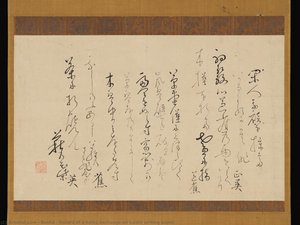
Record of a haiku exchange on kaishi writing paper (601) ავტორის: მატსუო ბაშო

Record of a haiku exchange on kaishi writing paper

601 · Ink On Paper

The Artist: Matsuo Bashō Matsuo Bashō (1644-1694) is widely recognized as one of the four great masters of haiku, alongside Kobayashi Issa, Masaoka Shiki, and Kawahigashi Hekigoto. Born in Ueno, Japan, Bashō's poetry is internationally renowned, and, in Japan, many of his poems are reproduced on monuments and traditional sites. The Painting: Record of a Haiku Exchange on Kaishi Writing Paper This sheet of kaishi writing paper is inscribed with…

3
Manuscript Scroll of Nozaraishi Kikō\n\n- Atsuta Shrine, Nagoya ავტორის: მატსუო ბაშო

Manuscript Scroll of Nozaraishi Kikō\n\n- Atsuta Shrine, Nagoya

Nozarashi Kikō is the first travelogue written by Basho. In August 1684, at the age of 41, Bashō left Edo to travel via Nagoya and Ise to his hometown of Iga. Returning to Edo via Kyoto, then through Ōmi and Nagoya, at the end of April he arrived back at his hut in Fukagawa. Along the way he composed haiku and the record of this journey largely took this form.…

მუზეუმები, სადაც მატსუო ბაშო-ის ორიგინალები ინახება

ამ გვერდზე წარმოდგენილი მხატვრობის შედეგების უმეტესობას 2 მუზეუმი ინახავს.

მუზეუმი ქალაქი მატსუო ბაშო შემოქმედებაలు ამ სიიდან მოპოვებული ნახატები
ფუკუდას სახელობის ხელოვნების მუზეუმი, კიოტოფუკუდას სახელობის ხელოვნების მუზეუმი კიოტო 2 Manuscript Scroll of Nozaraishi Kikō\n\n- Atsuta Shrine, Nagoya, Haiku,“Old Pond”
მეტროპოლიტენის ხელოვნების მუზეუმი, ნიუ-იორკიმეტროპოლიტენის ხელოვნების მუზეუმი ნიუ-იორკი 1 Poetry Painting

კოლექციონერთა კითხვები მატსუო ბაშო-ის ნახატებზე

რა ნამუშწარესით არის ყველაზე ცნობილი მატსუო ბაშო?გაამჟღავნეთ პასუხი

Record of a haiku exchange on kaishi writing paper (601). შემდეგ მოდიან Poetry Painting (601) და Manuscript Scroll of Nozaraishi Kikō\n\n- Atsuta Shrine, Nagoya.

რამდენი სურათი დატოვა მატსუო ბაშო-მა?გაამჟღავნეთ პასუხი

ჩვენს კატალოგში წარმოდგენილია 4 ნამუშgery მატსუო ბაშო-ისგან.

რომელ მუზეუმებშია და hangs მატსუო ბაშო-ის შედევრული ნამუშევრები?გაამჟღავნეთ პასუხი

ძირითადად ფუკუდას სახელობის ხელოვნების მუზეუმი (კიოტო) და მეტროპოლიტენის ხელოვნების მუზეუმი (ნიუ-იორკი)-ში. ზემოთ მოცემულ მუზეუმების ცხრილში ისინი ყველა listed.

მატსუო ბაშო-ის რომელ ნამუშევრებს ჰქ나 ფუკუდას სახელობის ხელოვნების მუზეუმი-ში?გაამჟღავნეთ პასუხი

Manuscript Scroll of Nozaraishi Kikō\n\n- Atsuta Shrine, Nagoya და Haiku,“Old Pond”: ფუკუდას სახელობის ხელოვნების მუზეუმი, კიოტო-ში წარმოდგენილია ამ გვერდზე მოცემული ნამუშევრების 2 ცალი.

მატსუო ბაშო: ცხოვრება და შემოქმედება

Matsuo Bashō: Life and Legacy

Early Life and Background

  • Born Matsuo Kinsaku in 1644 near Ueno, Iga Province, Japan.
  • Came from a family with samurai roots, though his father was likely a low-ranking retainer.
  • Received an early education and showed an aptitude for poetry.
  • Served as a page to Tōdō Yoshitada, fostering his interest in *haikai no renga* (linked verse).

Artistic Development and Influences

  • Initially focused on collaborative poetry forms like *renga*.
  • The death of his patron, Tōdō Yoshitada, in 1666 marked a turning point, leading him to dedicate himself fully to poetry.
  • Influenced by Zen Buddhism, which emphasized simplicity, mindfulness, and connection with nature.
  • Early works showed conventional styles but gradually evolved towards a more minimalist and evocative approach.
  • Chinese poetry also played a role in shaping his aesthetic sensibilities.

The Rise of Haiku and Bashō’s Style

  • Bashō is credited with elevating the *hokku* (the opening verse of a *renga*) to an independent poetic form, later known as haiku.
  • His haiku are characterized by their concise language, vivid imagery, and focus on nature.
  • He sought to capture fleeting moments and evoke deep emotions with minimal words.
  • Emphasized *sabi* – the beauty of transience, imperfection, and age – in his work.

Travels and Major Works

  • Bashō embarked on several journeys throughout Japan, seeking inspiration for his poetry.
  • His most famous travelogue is Oku no Hosomichi (The Narrow Road to the Deep North), published in 1694.
  • Other notable works include *Nozarashi kikō* (Records of a Weather-Exposed Skeleton) and numerous collections of haiku and *renga*.
  • His travel writings blended poetry with prose, creating a unique literary style known as haibun.

Achievements and Historical Significance

  • Widely regarded as the greatest master of haiku in Japanese history.
  • Revolutionized the art of *haikai no renga* by emphasizing naturalness and emotional depth.
  • His work influenced generations of poets and continues to be studied and admired today.
  • Bashō’s poetry is often reproduced on monuments and traditional sites throughout Japan, demonstrating his enduring cultural impact.
  • He helped establish haiku as a major art form, recognized for its ability to capture the essence of life in a few carefully chosen words.

Legacy

  • Bashō’s emphasis on direct experience and observation continues to resonate with artists and writers worldwide.
  • His minimalist style has influenced modern poetry and other art forms.
  • He remains a symbol of Japanese artistic excellence and spiritual depth.