1


განახლდა ნოემბერი 2026 · დალაგებულია ჩვენი პოპულარობის ქულების მიხედვით (ძიება, ნახვა და შეკვეთები თითოეული ნამუშწაროსთვის) · 1 ნამუშევარი Louise Bourdon ჩვენს კატალოგში
მოკლედ რომ ვთქვათ
გალერეის შეხედულებით, Louise Bourdon-ის ყველაზე ცნობილი ნამუშწაროა Portrait of a Young Boy Dressed in Yellow (1804), რომლის ორიგინალი Musée Cognacq-Jay-ში, პარიზი-ში hangs. ჩვენს კატალოგში არსებული Louise Bourdon-ის 1 ნამუშწაროდან, გალერეა ქვემოთ წარმოგიდგენთ 1 ყველაზე ცნობილ მათგანს; თითოეული მათგანი არის ორიგინალი, რომლის აღწერა მოიცავს შემოქმედების წელს, მუზეუმს და იმ დეტალებს, რაც მას უნიკალურს ხდის.
მუზეუმი, რომელიც ამ გვერდზე წარმოდგენილი მოდგმების უმეტესობას ინახავს.
| მუზეუმი | ქალაქი | Louise Bourdon შემოქმედებაలు | ამ სიიდან მოპოვებული ნახატები |
|---|---|---|---|
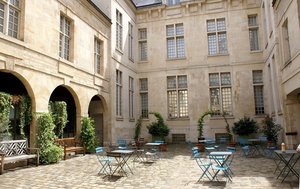 Musée Cognacq-Jay |
პარიზი | 1 | Portrait of a Young Boy Dressed in Yellow |
ამ გვერდზე წარმოდგენილი Louise Bourdon-ის ყველა დათარიღებული ორიგინალი შექმნილია 1804 წელს: აი ისინი, ყველაზე ცნობილები პირველები.
შეარჩიეთ წელი ორიგინალების სანახავად.
Portrait of a Young Boy Dressed in Yellow (1804)
37 წლის: Portrait of a Young Boy Dressed in Yellow შექმნილია 1804 წელს, ხოლო Louise Bourdon დაიბადა 1767 წელს.
ჩვენს კატალოგში წარმოდგენილია 1 ნამუშgery Louise Bourdon-ისგან.
ძირითადად Musée Cognacq-Jay (პარიზი)-ში. ზემოთ მოცემულ მუზეუმების ცხრილში ისინი ყველა listed.
Louise Bourdon operated within the demanding technical constraints of the late eighteenth and early nineteenth centuries. While many artists of the era focused on the grand scale of oil on canvas, Bourdon found a niche in the meticulous, high-stakes world of miniatures and enamels. This was not a pursuit of loose expression, but one of absolute control. To work in enamel or to paint a miniature required a steady hand and a disciplined understanding of how light interacts with small, precious surfaces. Her output reflects a career defined by this technical rigor, moving between the delicate requirements of porcelain painting and the formal demands of portraiture.
The work survives as a record of a specific era of French craftsmanship. Her ability to translate human likeness onto tiny, often fragile, mediums suggests a professional standing that demanded both precision and commercial viability. She was not merely a painter; she was a specialist in the small-scale, a role that required navigating the intersection of fine art and luxury decorative objects.
Bourdon’s repertoire demonstrates a command over diverse media that few of her contemporaries could match. Her skill was not limited to a single method of application, but extended across several specialized disciplines. This versatility allowed her to navigate different markets, from the high-end demand for portrait miniatures to the decorative needs of porcelain production.
Her subjects were often figures of authority or significant historical personas. In her 1804 Portrait of a Young Boy Dressed in Yellow, there is a clear focus on the characterization of the sitter through color and form. Later works, such as her 1803 depiction of Jean Racine, show a commitment to capturing the essence of historical figures through a controlled, formal lens. Even when working on the scale of a small enamel, the weight of the subject remains central to the composition.
The survival of Bourdon's work in collections like the Musée Cognacq-Jay in Paris confirms her place within the French artistic tradition. Her career, active around the turn of the nineteenth century, coincided with a period of significant transition in French art. She maintained a professional practice that spanned the late 1700s through the early 1800s, a time when the demand for highly detailed, portable portraiture was at its peak. Her legacy is found in the technical execution of her pieces, which remain as sharp and deliberate today as when they were first completed.