Lawrence Gowing-ის პორტრეტი

29 ყველაზე ცნობილი Lawrence Gowing-ის ნახატი, გალერეის შერჩეული კოლექცია

განახლდა ნოემბერი 2026 · დალაგებულია ჩვენი პოპულარობის ქულების მიხედვით (ძიება, ნახვა და შეკვეთები თითოეული ნამუშწაროსთვის) · 30 ნამუშევარი Lawrence Gowing ჩვენს კატალოგში

მოკლედ რომ ვთქვათ

Lawrence Gowing-ის ყველა დატოვებული ორიგინალიდან ყველაზე ცნობილია Mare Street, Hackney, London (1937), რომელიც შროპშირი-ში მდებარე Shrewsbury College of Arts - Technology-ის კოლექციაშია. მისდავითვე მოდიან The River Kennet at Chilton, Wiltshire (1930) და Barbara Saxon. ჩვენს კატალოგში წარმოდგენილია Lawrence Gowing-ის 30 ნამუშევარი; გალერეაში შენარჩუნებულია 29 ყველაზე აღიარებული ნახატი, რომელთაგან თითოეულს თან ახლავს შექმნის თარიღი, მუზეუმი და ისტორია.

1918 – 1991, London ყველაზე დიდი კოლექცია: Swindon Art Gallery

Lawrence Gowing-ის 10 საუკეთესო ნამუშgeryო: გალერეის არჩევანი

1
Mare Street, Hackney, London (1937) ავტორი: Lawrence Gowing

Mare Street, Hackney, London

1937 · Oil On Canvas · Shrewsbury College of Arts - Technology, შროპშირი

The scene unfolds in Mare Street, Hackney, London, a place that holds a deep, personal resonance for the artist. In this work, Lawrence Gowing captures a specific moment in time, looking back toward his own beginnings. The painting, created about 1937, marks a significant milestone as the artist's first painting of note. It is a window into a world he knew intimately, long before his name became established in the…

2
The River Kennet at Chilton, Wiltshire (1930) ავტორი: Lawrence Gowing

The River Kennet at Chilton, Wiltshire

1930 · Oil On Canvas · Herbert Art Gallery - Museum, კოვენტრი

The River Kennet at Chilton, Wiltshire is an oil on canvas by Lawrence Gowing. Created about 1930, the work captures a specific moment of light and stillness within the English countryside. The artist's focus remains on the quietude of the riverbank and the interplay of foliage and water.

3
Barbara Saxon ავტორი: Lawrence Gowing

Barbara Saxon

Oil

In this intimate portrait, titled Barbara Saxon, Lawrence Gowing turns his attention to a single female subject. The work is a study of character and presence, captured within a modest 60 x 50 cm frame. It is a piece that invites a quiet, close observation of the sitter's features and the subtle nuances of her expression.

5
Still Life Decaying Apples (1946) ავტორი: Lawrence Gowing

Still Life Decaying Apples

In the quiet, contemplative realm of Still Life Decaying Apples, Sir Lawrence Gowing invites us into a space where time itself seems to slow and settle like dust upon a wooden table. Created in 1946, a period marked by the profound global shifts following the Second World War, this work transcends a mere study of fruit to become a hauntingly beautiful meditation on the cycle of life. The composition is…

10
Alexander Dunlop Lindsay (1879–1952), 1st Baron Lindsay of Birker, President of the Union (1902), Fellow (1906–1922), Professor of Moral Philosophy at the University of Glasgow (1922–1924), Master (1924–1949), Vice Chancellor (1935–1938), Honorary Fe.... (1946) ავტორი: Lawrence Gowing

Alexander Dunlop Lindsay (1879–1952), 1st Baron Lindsay of Birker, President of the Union (1902), Fellow (1906–1922), Professor of Moral Philosophy at the University of Glasgow (1922–1924), Master (1924–1949), Vice Chancellor (1935–1938), Honorary Fe....

1946 · Balliol College, Oxford

Introduction to the Artist and Subject Lawrence Gowing was a British painter and art historian, known for his portraits of notable figures. One such portrait is that of Alexander Dunlop Lindsay, 1st Baron Lindsay of Birker, which depicts the philosopher and academic in a formal setting. Alexander Dunlop Lindsay (1879-1952) was a Scottish philosopher and academic who held various positions at the University of Oxford, including master of Balliol College…

Lawrence Gowing-ის შერჩევა გრძელდება, 11-დან 29-მდე

Lawrence Gowing-ის ცნობილი სურათები, პერიოდების მიხედვით

მუზეუმები, სადაც Lawrence Gowing-ის ორიგინალები ინახება

ამ გვერდზე წარმოდგენილი მხატვრობის შედეგების უმეტესობას 8 მუზეუმი ინახავს.

მუზეუმები ქალაქი Lawrence Gowing შემოქმედება ამ სიიდან ნახატები
Swindon Art Gallery, SwindonSwindon Art Gallery Swindon 2 Portrait of a Youth (Alfie Bass), Apples II
Arts Council Collection, LondonArts Council Collection London 2 Julia Strachey (1901–1979), Miss Baker
British Council Collection, LondonBritish Council Collection London 2 Judith at Eighteen, ყვავილების სტილის დებაჲ
Government Art Collection, ლონდონიGovernment Art Collection ლონდონი 2 The Clearing, Path through the Woods
Shrewsbury College of Arts - Technology, შროპშირიShrewsbury College of Arts - Technology შროპშირი 1 Mare Street, Hackney, London
Herbert Art Gallery - Museum, კოვენტრიHerbert Art Gallery - Museum კოვენტრი 1 The River Kennet at Chilton, Wiltshire
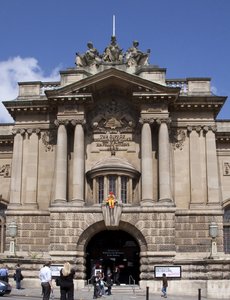
ბრისტოლის მუზეუმი - ხელოვნების გალერეა, ბრისტოლიბრისტოლის მუზეუმი - ხელოვნების გალერეა ბრისტოლი 1 Still Life Decaying Apples
Nottingham Castle Museum And Art Gallery, NottinghamNottingham Castle Museum And Art Gallery Nottingham 1 Green Apples on a Bamboo Table

Lawrence Gowing წელიწადმიწლით: ორიგინალები, რომლებიც განსაზღვრავენ თითოეულ მათგანს

1930-დან 1948-მდე, Lawrence Gowing 19 წლის განმავლობაში მოღვაწეობდა: ეს შერჩევა ასახავს მის გრძელწლიურ კარიერას, წლების განმავლობაში შექმნილ საუკეთესო ორიგინალი ნამუშევრების მეშვეობით.

ნამუშევრები წლების მიხედვით

შეარჩიეთ წელი ორიგინალების სანახავად.

კოლექციონერთა კითხვები Lawrence Gowing-ის ნახატებზე

რა ნამუშწარესით არის ყველაზე ცნობილი Lawrence Gowing?გაამჟღავნეთ პასუხი

Mare Street, Hackney, London (1937), Shrewsbury College of Arts - Technology, შროპშირი. შემდეგ მოდიან The River Kennet at Chilton, Wiltshire (1930) და Barbara Saxon.

რამდენage იყო Lawrence Gowing, როდესაც შეიქმნა Mare Street, Hackney, London?გაამჟღავნეთ პასუხი

19 წლის: Mare Street, Hackney, London შექმნილია 1937 წელს, ხოლო Lawrence Gowing დაიბადა 1918 წელს.

რა არის Lawrence Gowing-ის ათ ყველაზე ცნობილი ნამუშწარები?გაამჟღავნეთ პასუხი

Mare Street, Hackney, London, The River Kennet at Chilton, Wiltshire, Barbara Saxon, Portrait of a Youth (Alfie Bass), Still Life Decaying Apples, The Right Honourable Lord Eustace Percy (1887–1958), President, Armstrong College (1933–1937), Rector, King's College (1937–1952), Green Apples on a Bamboo Table, Apples II, Julia Strachey (1901–1979) და Alexander Dunlop Lindsay (1879–1952), 1st Baron Lindsay of Birker, President of the Union (1902), Fellow (1906–1922), Professor of Moral Philosophy at the University of Glasgow (1922–1924), Master (1924–1949), Vice Chancellor (1935–1938), Honorary Fe..... ზემოთ მოცემული რეიტინგი ასახავს თითოეულის შემოქმედების წელსა და მუზეუმს.

რამდენი სურათი დატოვა Lawrence Gowing-მა?გაამჟღავნეთ პასუხი

ჩვენს კატალოგში წარმოდგენილია 30 ნამუშწევრი Lawrence Gowing-ისგან, დათარიღებული 1930-დან 1948-მდე.

რომელ მუზეუმებშია და hangs Lawrence Gowing-ის შედევრული ნამუშევრები?გაამჟღავნეთ პასუხი

ძირითადად Swindon Art Gallery (Swindon), Arts Council Collection (London) და British Council Collection (London)-ში. ზემოთ მოცემულ მუზეუმების ცხრილში ისინი ყველა listed.

მათ რომელ წლებში შექმნა Lawrence Gowing-მა ყველაზე ცნობილი ნამუშევრები?გაამჟღავნეთ პასუხი

1944-ში: ამ გვერდზე წარმოდგენილი 29 ნამუშწარwerksიდან 4 შეიქმნა მაშინ, მათგან Mrs Roberts.

რა არის Lawrence Gowing-ის პირველი და ბოლო ცნობილი ორიგინალი?გაამჟღავნეთ პასუხი

ამ გვერდზე ყველაზე ადრეული არის The River Kennet at Chilton, Wiltshire (1930), ხოლო ყველაზე გვიანდელი — Judith at Eighteen (1948).

რომელ ტექნიკას იყენებდა Lawrence Gowing ყველაზე ხშირად?გაამჟღავნეთ პასუხი

Oil On Canvas, ამ გვერდზე არსებული 29 ნამუშწაროსგან 3 ცალიდან.

Lawrence Gowing-ის რომელ ნამუშევრებს ნახავთ Swindon Art Gallery-ში?გაამჟღავნეთ პასუხი

Portrait of a Youth (Alfie Bass) და Apples II: Swindon Art Gallery, Swindon-ში წარმოდგენილია ამ გვერდზე მოცემული ნამუშევრების 2 ცალი.

Lawrence Gowing: ცხოვრება და შემოქმედება

Lawrence Gowing: A Life Dedicated to Art and Education

Sir Lawrence Burnett Gowing (1918-1991) wasn’t merely an artist; he was a pivotal figure in the landscape of 20th-century British art, a dedicated educator whose influence resonated through generations of artists and scholars. Born in Hackney, East London – a surprisingly humble beginning for one who would later command respect within the highest echelons of the art world – Gowing’s early life was shaped by his Quaker upbringing and a keen observation of the urban environment, as evidenced by his earliest work, “Mare Street, Hackney,” a vibrant snapshot of his father's drapery shop. This initial foray into painting laid the groundwork for a career that seamlessly blended artistic creation with rigorous academic study and passionate teaching.

Gowing’s formal art training began at the prestigious Leighton Park School in Gloucestershire and continued at the Euston Road School, where he studied under William Coldstream – a formative experience that instilled within him a commitment to both observation and a nuanced understanding of color. Crucially, his conscientious objection during World War II led to a period of self-directed study, fostering an independent approach to art history and a deep appreciation for the masters of European painting. This autodidacticism proved invaluable as he navigated the evolving artistic landscape of post-war Britain.

A Portraitist of Prominence and a Champion of Turner

The 1940s marked a turning point in Gowing’s career, establishing him as a sought-after portrait painter. He quickly gained recognition for his ability to capture the essence of prominent figures – Clement Attlee, Lord Halifax, Edgar Adrian – imbuing each portrait with a sense of dignity and character. These weren't merely likenesses; they were carefully constructed narratives reflecting the subject’s position within society. Simultaneously, he continued his lifelong passion for open-air landscape painting, honing his skills through observation and experimentation.

Gowing’s dedication to Turner is particularly noteworthy. In 1966, he orchestrated a landmark exhibition at the Museum of Modern Art in New York, showcasing the breadth and brilliance of the Romantic painter's oeuvre. This event not only brought Turner’s work to a wider audience but also cemented Gowing’s reputation as a leading authority on the artist. Subsequent exhibitions in London and France further solidified his expertise and influence.

Academia and Institutional Leadership

Beyond his artistic pursuits, Gowing made an indelible mark as an educator. He began teaching at King's College, Durham (later Newcastle upon Tyne) in 1948, progressing to the Principalship of Chelsea School of Art from 1958 to 1965 and ultimately assuming the role of Principal of the Slade School of Fine Art at University College London from 1975 to 1985. These positions demanded not only artistic vision but also administrative skill, shaping the curriculum and fostering a vibrant learning environment for countless students.

His influence extended beyond the classroom; Gowing served as a trustee of prestigious institutions like the Tate Gallery, the National Portrait Gallery, and the British Museum, demonstrating his commitment to preserving and promoting art heritage. He was also elected an Associate of the Royal Academy in 1978 and later became a Honorary Curator, further solidifying his standing within the artistic community.

Legacy and Continuing Influence

Lawrence Gowing’s legacy is multifaceted. He wasn't simply a painter or a teacher; he was a curator, an art historian, and a passionate advocate for the enduring power of visual culture. His meticulous research, insightful writings, and dedication to both artistic creation and education have left an undeniable mark on British art history. The recent opening of his personal archive at University College London offers invaluable insights into his life’s work, ensuring that his contributions will continue to be studied and appreciated for generations to come.

His commitment to fostering a deep understanding of artistic techniques, particularly in the study of masters like Vermeer, Hogarth, Turner, Cézanne, Matisse, and Freud, ensured that students were equipped with both technical skills and critical thinking abilities. Gowing’s approach emphasized not just imitation but genuine engagement with the historical context and stylistic nuances of each artist's work – a philosophy that continues to resonate within art education today.