Károly Brocky პორტრეტი

14 ყველაზე ცნობილი Károly Brocky-ის ნახატი, თითოეული მათგანი უნიკალური

განახლდა ნოემბერი 2026 · დალაგებულია ჩვენი პოპულარობის ქულების მიხედვით (ძიება, ნახვა და შეკვეთები თითოეული ნამუშწაროსთვის) · 16 ნამუშევარი Károly Brocky ჩვენს კატალოგში

მოკლედ რომ ვთქვათ

The Daughters of István Medgyasszay (1833) არის Károly Brocky მხატვრის ის ნამუშწარები, რომელიც ყველაზე მეტ ყურადღებას იქცევს. ამის შემდეგ, მზერა გადადის Jozefína Tschildová (Fanny) (1844)-სა და Spring-ზე. ჩვენს კატალოგში არსებული Károly Brocky-ის 16 ნამუშწაროდან ეს 14 ყველაზე ცნობილია; თითოეული მათგანი წარმოადგენს უნიკალურ ორიგინალს, რომელიც წარმოდგენილია წელით, მუზეუმითა და იმ მიზეზით, რის გამოც ის დღემდე ცოცხლობს.

1807 – 1855, Timișoara Romanticism ყველაზე მეტი ნამشევრი: უნგრეთის ეროვნული გალერეა

Károly Brocky-ის 10 საუკეთესო ნამუშgeryო, გალერეის თcraftით

1
The Daughters of István Medgyasszay (1833) ავტორის: Károly Brocky

The Daughters of István Medgyasszay

1833 · Oil On Canvas

Four figures occupy a stone terrace, arranged with a formal symmetry that suggests both familial order and social standing. Three women and a young boy are positioned against a lush, outdoor backdrop where distant mountains fade into a soft atmospheric haze. The composition relies on a balanced, central axis, grounding the subjects within their immediate environment. Light falls softly across the scene, diffusing over the textures of stone and fabric…

2
Jozefína Tschildová (Fanny) (1844) ავტორის: Károly Brocky

Jozefína Tschildová (Fanny)

Presented in an oval format, this mid-19th-century portrait captures a woman from the chest up in a three-quarter view. She is positioned with her hands clasped near her chest, a gesture that lends an air of elegance and composure to the composition. The subject wears a ruffled, off-the-shoulder pink gown, which creates a soft contrast against the deep green drapery in the background and the neutral, muted beige of the…

3
Spring ავტორის: Károly Brocky

Spring

Oil

Three children occupy a lush green field, their small forms caught in a moment of unburdened play. The sun hangs high, casting a warm glow over the meadow and the trees that line the background. One child balances on a single leg, a fleeting gesture of physical grace. Another reaches out, a finger pointing toward something unseen in the grass. A third child lingers nearby, a quiet observer of the…

9
Mother and Child (1846) ავტორის: Károly Brocky

Mother and Child

The painting Mother and Child by Karoly Brocky (Charles Brocky) is a beautiful example of 19th-century art, showcasing the artist's skill in capturing intimate moments. Created in 1846, this oil on canvas piece measures 62 x 54 cm and is currently housed at the Hungarian National Gallery in Budapest, Hungary. The Artist and His Work Karoly Brocky (Charles Brocky) was a Hungarian painter known for his realistic and detailed style.…

Károly Brocky-ის ცნობილი ნამუშევრები, 11-დან 14-მდე ნომრებით

სუბიექტები, რომლებმაც Károly Brocky-ის ყურადღება მიიპყრო

ამ ორიგინალებში ყველაზე ხშირად განმეორებადი არის 네 თემა, რომელთაგან თითოეულს თავისი საუკეთესო ნიმუში წარმოგვიდგება.

მუზეუმები, სადაც Károly Brocky-ის ორიგინალები ინახება

ამ გვერდზე წარმოდგენილი მხატვრობის შედეგების უმეტესობას 3 მუზეუმი ინახავს.

მუზეუმი ქალაქი Károly Brocky შემოქმედებაలు ამ სიიდან მოპოვებული ნახატები
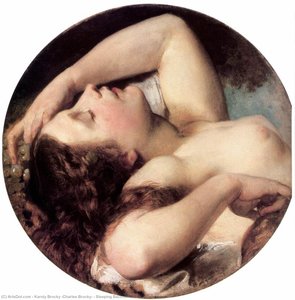
უნგრეთის ეროვნული გალერეა, ბუდაპეშტიუნგრეთის ეროვნული გალერეა ბუდაპეშტი 4 Sleeping Bacchante, Mother and Child, Does He Love Me.
სლოვაკეთის ეროვნული გალერეა ბრატისლავაში, ბრატისლავასლოვაკეთის ეროვნული გალერეა ბრატისლავაში ბრატისლავა 1 Jozefína Tschildová (Fanny)
Herman Ottó Museum, MiskolcHerman Ottó Museum Miskolc 1 Lucy Ashton and Ravenswood Visiting Blind Alice

Károly Brocky ათწლეულების განმავლობაში: თითოეულ დეკადესთვის ერთი უნიკალური ორიგინალი

ნამუშევრები ათწლეულების მიხედვით

შეარჩიეთ ათწლეული, რათა ნახოთ ის ორიგინალი ნამუშევარი, რომელიც მას განსაზღვრავს.

Károly Brocky-ის ნახატები: კითხვები გალერეისთვის

რა არის Károly Brocky-ის ყველაზე ცნობილი ნამუშწარებიდან ერთერთი?გაამჟღავნეთ პასუხი

The Daughters of István Medgyasszay (1833). შემდეგ მოდიან Jozefína Tschildová (Fanny) (1844) და Spring.

რა ასაკში შექმნა Károly Brocky-მა The Daughters of István Medgyasszay?გაამჟღავნეთ პასუხი

26 წლის: The Daughters of István Medgyasszay შექმნილია 1833 წელს, ხოლო Károly Brocky დაიბადა 1807 წელს.

Károly Brocky-ის რომელი 열ათმე ნახატია ყველაზე ცნობილი?გაამჟღავნეთ პასუხი

The Daughters of István Medgyasszay, Jozefína Tschildová (Fanny), Spring, Portrait of a Woman with Veil, Lucy Ashton and Ravenswood Visiting Blind Alice, Sleeping Bacchante, Summer, Winter, Mother and Child და Autumn. ზემოთ მოცემული რეიტინგი ასახავს თითოეულის შემოქმედების წელსა და მუზეუმს.

რამდენი ნამუშწარებია ცნობილი Károly Brocky-ის შემოქმედებიდან?გაამჟღავნეთ პასუხი

ჩვენს კატალოგში წარმოდგენილია 16 ნამუშწევრი Károly Brocky-ისგან, დათარიღებული 1833-დან 1850-მდე.

სად შეიძლება ყველაზე ცნობილი Károly Brocky-ის ორიგინალების ნახვა?გაამჟღავნეთ პასუხი

ძირითადად უნგრეთის ეროვნული გალერეა (ბუდაპეშტი), სლოვაკეთის ეროვნული გალერეა ბრატისლავაში (ბრატისლავა) და Herman Ottó Museum (Miskolc)-ში. ზემოთ მოცემულ მუზეუმების ცხრილში ისინი ყველა listed.

რა პერიოდში შექმნა Károly Brocky-მა ყველაზე ცნობილი სურათები?გაამჟღავნეთ პასუხი

1840s-ში: ამ გვერდზე წარმოდგენილი 14 ნამუშწარwerksიდან 4 შეიქმნა მაშინ, მათგან Jozefína Tschildová (Fanny).

რომელი ცნობილი Károly Brocky ტილოა ყველაზე ადრეული და რომელი — ყველაზე გვიანდელი?გაამჟღავნეთ პასუხი

ამ გვერდზე ყველაზე ადრეული არის The Daughters of István Medgyasszay (1833), ხოლო ყველაზე გვიანდელი — Sleeping Bacchante (1850).

რა თემებს ანიჭებდა უპირატესობას Károly Brocky?გაამჟღავნეთ პასუხი

Woman (3), Children (2) და Portraits (2), ამ გვერდზე წარმოდგენილ 14 ნამუშწარეს შორის.

რა მასალებით ხატავდა ყველაზე ხშირად Károly Brocky?გაამჟღავნეთ პასუხი

Oil On Canvas, ამ გვერდზე არსებული 14 ნამუშწაროსგან 3 ცალიდან.

Károly Brocky-ის შემოქმედება რომელ მიმდინარეობას მიეკუთვნება?გაამჟღავნეთ პასუხი

Romanticism, ამ გვერდზე წარმოდგენილი ორიგინალების მიხედვით.

რა Károly Brocky-ის ორიგინალების ნახვა შემიძლია უნგრეთის ეროვნული გალერეა-ში?გაამჟღავნეთ პასუხი

Sleeping Bacchante, Mother and Child და Does He Love Me.: უნგრეთის ეროვნული გალერეა, ბუდაპეშტი-ში წარმოდგენილია ამ გვერდზე მოცემული ნამუშევრების 4 ცალი.

Károly Brocky: მხატვრის პორტრეტი

A Life Forged in Motion

Born in the vibrant landscape of Temesvár in 1808, the life of Karoly Brocky—often known to the wider world as Charles Brocky—was far from a conventional path of academic stability. The son of a hairdresser, his early years were marked by the transient rhythms of the stage, having joined a troupe of strolling actors to sustain himself in his youth. This period of wandering likely imbued his later works with a profound understanding of human drama and character. His artistic metamorphosis truly began when he found refuge in the free drawing schools of Vienna, followed by rigorous training at the prestigious École du Louvre in Paris. These formative travels through Europe’s great cultural hubs allowed him to absorb a diverse palette of influences, transforming a young wanderer into a master of the brush.

Bridging the Baroque and the Romantic

Brocky’s artistry stands as a remarkable bridge between two monumental eras: the dramatic grandeur of the Baroque and the tender emotionalism of the Romantic movement. He possessed a rare ability to marry the meticulous, chiaroscuro-driven techniques of masters like Rembrandt and Caravaggio with the burgeoning sensitivity of the nineteenth century. His brushwork, while deliberate and precise, maintained a fluid grace that captured the psychological depth of his subjects. In his portraits, one finds not merely a likeness, but an exploration of the soul. This mastery is particularly evident in his use of light and shadow to sculpt form and evoke mood, creating compositions that feel both timelessly classical and intensely personal. He excelled at capturing the delicate interplay of light upon skin and fabric, a hallmark of the Baroque aesthetic adapted for a new, more emotive age.

The Echo of Intimacy and Emotion

The legacy of Brocky is best preserved in the quiet, evocative moments captured on his canvases. His works often transcend simple genre painting to touch upon the universal experiences of love, motherhood, and devotion. Through his ability to render everyday life with such reverence, he solidified his place as a significant figure in Hungarian art history.

Notable examples of his enduring mastery include:
  • Mother and Child: A poignant 1846 masterpiece that showcases his skill in rendering soft textures and tender, intimate connections through a delicate play of light.
  • Does He Love Me: A piece that exemplifies his ability to weave narrative tension and emotional ambiguity into a single, captivating scene.
  • Self-Portrait: A testament to his technical precision and his capacity for capturing the human form with both realism and expressive nuance.
Through these works, Brocky remains a painter of profound depth, reminding us of an era where technique and emotion were inextricably linked. His journey from the traveling troupes of his youth to the prestigious galleries of Europe serves as a testament to a life dedicated to capturing the very essence of the human spirit.