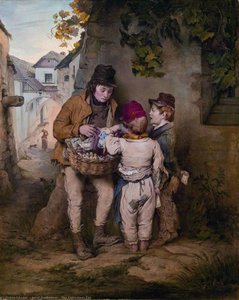
იოსებ ფრანც დანჰაუზერი პორტრეტი

42 ყველაზე ცნობილი იოსებ ფრანც დანჰაუზერი-ის ნახატი, გალერეის შერჩეული კოლექცია

განახლდა ნოემბერი 2026 · დალაგებულია ჩვენი პოპულარობის ქულების მიხედვით (ძიება, ნახვა და შეკვეთები თითოეული ნამუშწაროსთვის) · 43 ნამუშევარი იოსებ ფრანც დანჰაუზერი ჩვენს კატალოგში

მოკლედ რომ ვთქვათ

იოსებ ფრანც დანჰაუზერი-ის ყველა დატოვებული ორიგინალიდან ყველაზე ცნობილი Liszt Fantasizing at the Piano არის. მისდაក្រោយ The Scholars' Room (1842) და Portrait of the Piano-Manufcturer Konrad Graf (1840) მოდიან. ჩვენს კატალოგში იოსებ ფრანც დანჰაუზერი-ის 43 ნამუშწარებია; გალერეამ შეინافظა ის 42 ნამუშწარო, რომლებსაც მსოფლიო ყველაზე მეტად აღიარებს, რომელთაგან თითოეული წარმოდგენილია თვის, მუზეუმისა და ისტორიის თანხლებით.

1805 – 1845, ვენა Biedermeier ყველაზე მეტი ნამشევრი: ავსტრიული გალერეა ბელვედერი

იოსებ ფრანც დანჰაუზერი-ის 10 საუკეთესო ნამუშgeryო: გალერეის არჩევანი

1
Liszt Fantasizing at the Piano ავტორის: იოსებ ფრანც დანჰაუზერი

Liszt Fantasizing at the Piano

Oil On Panel

In the heart of 19th-century Vienna, where the air was often thick with the scent of coffee and the echoes of burgeoning Romanticism, Josef Franz Danhauser captured a moment of pure, unadulterated musical transcendence. His masterpiece, Liszt Fantasizing at the Piano, is far more than a mere depiction of a social gathering; it is a window into a vanished era of elegance and artistic fervor. As we gaze upon the…

2
The Scholars' Room (1842) ავტორის: იოსებ ფრანც დანჰაუზერი

The Scholars' Room

The scene captured in this evocative depiction, "The Scholars' Room," invites the viewer into an intimate moment suspended outside the rush of time. It is a tableau vivant of intellectual pursuit, where the weight of accumulated knowledge seems to mingle with the gentle murmur of conversation. One cannot help but feel the palpable atmosphere of deep contemplation emanating from the gathering. The composition centers around a table laden not just…

3
Portrait of the Piano-Manufcturer Konrad Graf (1840) ავტორის: იოსებ ფრანც დანჰაუზერი

Portrait of the Piano-Manufcturer Konrad Graf

1840 · Academy of Fine Arts Vienna, ვენა

The artwork is titled Portrait of the Piano-Manufcturer Konrad Graf. It was painted by the artist Josef Danhauser. The subject of this oil painting is Konrad Graf, a man who was one of Vienna's most outstanding piano-manufacturers during the early nineteenth century. This portrait was commissioned by Graf in 1840, a year when he acted as a patron to contemporary artists such as Josef Danhauser.

4
Wallstein's Grave (1828) ავტორის: იოსებ ფრანც დანჰაუზერი

Wallstein's Grave

1828 · Oil On Canvas

In Wallstein's Grave, Josef Danhauser captures a moment of profound stillness following the chaos of conflict. The scene unfolds in a pastoral landscape where the weight of tragedy hangs heavy in the air. A fallen soldier lies prone in the foreground, his white, shroud-like clothing stark against the earthy tones of the terrain. Over him, a chestnut horse stands in a posture of quiet mourning, nudging the fallen man in…

5
The Sleeping Painter in the Studio (1830) ავტორის: იოსებ ფრანც დანჰაუზერი

The Sleeping Painter in the Studio

1830 · Oil On Canvas

Created in 1830, this piece reflects the Biedermeier spirit through its focus on the beauty of the everyday and the quietude of domestic or private life. It moves away from the grandiosity of historical portraiture to find meaning in a simple, unposed moment. The painting avoids the theatrical, opting instead for a realistic approach that captures the subtle nuances of human existence. There is a certain gravity in this repose,…

6
Funny Scene in the Studio (1829) ავტორის: იოსებ ფრანც დანჰაუზერი

Funny Scene in the Studio

1829 · Oil On Canvas

The scene unfolds within the chaotic confines of an artist's workspace in Funny Scene in the Studio. Painted by Josef Danhauser, this oil on canvas captures a sudden, humorous mishap that disrupts the quiet order of the room. A person, a dog, and a large easel find themselves caught in a moment of unexpected disorder, freezing a split second of comedy in time. The energy of the accident ripples through…

7
Self-portrait (1830) ავტორის: იოსებ ფრანც დანჰაუზერი

Self-portrait

1830 · Oil On Canvas

A young man is captured in a three-quarter view, his gaze directed toward the viewer with a composed, steady expression. The portrait, rendered in a realistic academic style, emphasizes the quiet refinement of the Biedermeier era. Light enters from the upper left, casting soft shadows across the contours of the face and creating a sense of three-dimensional form through a controlled chiaroscuro effect. The subject is positioned against a dark,…

8
Portrait of a Young Woman (1830) ავტორის: იოსებ ფრანც დანჰაუზერი

Portrait of a Young Woman

1830 · Oil On Canvas

The portrait painting titled 'Portrait of a Young Woman' was created by the artist Josef Danhauser. This work dates to 1830. The subject is presented in a bust-length composition, positioned centrally within the frame. The figure faces slightly toward the viewer's left, while the gaze is directed forward toward the observer.

9
Poor (young) Painter in a Cottage Studio (1831) ავტორის: იოსებ ფრანც დანჰაუზერი

Poor (young) Painter in a Cottage Studio

1831 · Oil

In Poor (young) Painter in a Cottage Studio, Josef Danhauser presents a melancholic and intimate monochrome scene set within a cluttered, dimly lit attic studio. The composition centers on the seated figure of the painter, positioned slightly off-center amidst the remnants of his craft. A grayscale palette defines the space, utilizing a wide range of tones from deep blacks in the shadows to bright whites where light enters through a…

10
Portrait of a Woman (1836) ავტორის: იოსებ ფრანც დანჰაუზერი

Portrait of a Woman

1836 · Oil On Canvas

This oil on canvas painting, titled Portrait of a Woman, was executed by the Austrian artist Josef Danhauser in 1836. It is a quiet study of a female subject, presented in a profile view that emphasizes the stillness of the moment. The work belongs to the genre of portraiture, capturing a specific presence through the careful application of pigment on the canvas.

იოსებ ფრანც დანჰაუზერი-ის შერჩევა გრძელდება, 11-დან 42-მდე

იოსებ ფრანც დანჰაუზერი-ის ცნობილი სურათები, პერიოდების მიხედვით

Early Period

1828 – 1830 · 3 ნამუშწარwerks ამ სიაში

სუბიექტები, რომლებმაც იოსებ ფრანც დანჰაუზერი-ის ყურადღება მიიპყრო

ამ ორიგინალებში ყველაზე ხშირად განმეორებადი არის 네 თემა, რომელთაგან თითოეულს თავისი საუკეთესო ნიმუში წარმოგვიდგება.

მუზეუმები, სადაც იოსებ ფრანც დანჰაუზერი-ის ორიგინალები ინახება

ამ გვერდზე წარმოდგენილი მხატვრობის შედეგების უმეტესობას 6 მუზეუმი ინახავს.

მუზეუმი ქალაქი იოსებ ფრანც დანჰაუზერი შემოქმედებაలు ამ სიიდან მოპოვებული ნახატები
ავსტრიული გალერეა ბელვედერი, ვენაავსტრიული გალერეა ბელვედერი ვენა 2 The Scholars' Room, Mother Love (also known as Mutterliebe)
ბეთჰოვენ-ჰაუსი ბონში, ბონიბეთჰოვენ-ჰაუსი ბონში ბონი 2 Beethoven, Beethoven
Academy of Fine Arts Vienna, ვენაAcademy of Fine Arts Vienna ვენა 1 Portrait of the Piano-Manufcturer Konrad Graf
Szépművészeti Múzeum, ბუდაპეშტიSzépművészeti Múzeum ბუდაპეშტი 1 Siesta (The Sleepers)
რეზიდენცგალერია, ზალცბურგირეზიდენცგალერია ზალცბურგი 1 The Widow's Offering
Alte Nationalgalerie, ბერლინიAlte Nationalgalerie ბერლინი 1 Liszt at the Piano

იოსებ ფრანც დანჰაუზერი ათწლეულების მიხედვით: ორიგინალი, რომელიც განსაზღვრავს თითოეულ მათგანს

ნამუშევრები ათწლეულების მიხედვით

შეარჩიეთ ათწლეული, რათა ნახოთ ის ორიგინალი ნამუშევარი, რომელიც მას განსაზღვრავს.

კოლექციონერთა კითხვები იოსებ ფრანც დანჰაუზერი-ის ნახატებზე

რა ნამუშწარესით არის ყველაზე ცნობილი იოსებ ფრანც დანჰაუზერი?გაამჟღავნეთ პასუხი

Liszt Fantasizing at the Piano. შემდეგ მოდიან The Scholars' Room (1842) და Portrait of the Piano-Manufcturer Konrad Graf (1840).

რა არის იოსებ ფრანც დანჰაუზერი-ის 열 иң ცნობილი 열ი ტილო?გაამჟღავნეთ პასუხი

Liszt Fantasizing at the Piano, The Scholars' Room, Portrait of the Piano-Manufcturer Konrad Graf, Wallstein's Grave, The Sleeping Painter in the Studio, Funny Scene in the Studio, Self-portrait, Portrait of a Young Woman, Poor (young) Painter in a Cottage Studio და Portrait of a Woman. ზემოთ მოცემული რეიტინგი ასახავს თითოეულის შემოქმედების წელსა და მუზეუმს.

რამდენი სურათი დატოვა იოსებ ფრანც დანჰაუზერი-მა?გაამჟღავნეთ პასუხი

ჩვენს კატალოგში წარმოდგენილია 43 ნამუშწევრი იოსებ ფრანც დანჰაუზერი-ისგან, დათარიღებული 1827-დან 1844-მდე.

რომელ მუზეუმებშია და hangs იოსებ ფრანც დანჰაუზერი-ის შედევრული ნამუშევრები?გაამჟღავნეთ პასუხი

ძირითადად ავსტრიული გალერეა ბელვედერი (ვენა), ბეთჰოვენ-ჰაუსი ბონში (ბონი) და Academy of Fine Arts Vienna (ვენა)-ში. ზემოთ მოცემულ მუზეუმების ცხრილში ისინი ყველა listed.

მათ რომელ წლებში შექმნა იოსებ ფრანც დანჰაუზერი-მა ყველაზე ცნობილი ნამუშევრები?გაამჟღავნეთ პასუხი

1830s-ში: ამ გვერდზე წარმოდგენილი 42 ნამუშწარwerksიდან 14 შეიქმნა მაშინ, მათგან The Sleeping Painter in the Studio.

რა არის იოსებ ფრანც დანჰაუზერი-ის პირველი და ბოლო ცნობილი ორიგინალი?გაამჟღავნეთ პასუხი

ამ გვერდზე ყველაზე ადრეული არის Beethoven (1827), ხოლო ყველაზე გვიანდელი — Social Scene (1844).

რომელ თემებს ირჩევდა იოსებ ფრანც დანჰაუზერი ყველაზე ხშირად?გაამჟღავნეთ პასუხი

Man (10), Woman (8) და People (6), ამ გვერდზე წარმოდგენილ 42 ნამუშწარეს შორის.

რომელ ტექნიკას იყენებდა იოსებ ფრანც დანჰაუზერი ყველაზე ხშირად?გაამჟღავნეთ პასუხი

Oil On Canvas, ამ გვერდზე არსებული 42 ნამუშწაროსგან 10 ცალიდან.

რა ხელოვნების მიმართულებას მიეკუთვნება იოსებ ფრანც დანჰაუზერი?გაამჟღავნეთ პასუხი

Biedermeier, ამ გვერდზე წარმოდგენილი ორიგინალების მიხედვით.

იოსებ ფრანც დანჰაუზერი-ის რომელ ნამუშევრებს ჰქ나 ავსტრიული გალერეა ბელვედერი-ში?გაამჟღავნეთ პასუხი

The Scholars' Room და Mother Love (also known as Mutterliebe): ავსტრიული გალერეა ბელვედერი, ვენა-ში წარმოდგენილია ამ გვერდზე მოცემული ნამუშევრების 2 ცალი.

იოსებ ფრანც დანჰაუზერი: ცხოვრება და შემოქმედება

A Life Captured in the Biedermeier Spirit

Born in Vienna, Josef Franz Danhauser emerged as a prominent figure within the Austrian Empire, leaving behind a legacy that deeply reflects the Biedermeier period. The son of a sculptor and furniture manufacturer, Joseph Ulrich Danhauser, his early artistic inclinations were nurtured by his father's own hand. This foundation in craftsmanship and design likely informed the meticulous precision found in his later works. His journey through the halls of the Vienna Academy of Fine Arts allowed him to refine his skills under masters like Johann Peter Krafft, setting the stage for a career that would oscillate between the quiet intimacy of domestic scenes and the profound gravity of historical portraiture.

His life was not merely one of solitary creation but was also intertwined with the industrious spirit of his era. Following his father's passing, Danhauser found himself managing a family furniture factory alongside his brothers. This period of involvement in modern design served as a brief intermission in his painting career, yet it undoubtedly contributed to the aesthetic sensibility that would later define his genre works. His travels through Venice and Prague further enriched his visual vocabulary, allowing him to absorb the influence of Italian masters and integrate a broader European perspective into his Austrian roots.

Mastery of Genre and Emotion

Danhauser’s artistry is perhaps most celebrated for its ability to capture the subtle nuances of human existence. He specialized in genre works, often imbuing everyday scenes with moralizing undertones and a narrative depth reminiscent of William Hogarth. His paintings frequently invite the viewer into quiet, contemplative spaces—be it the intellectual sanctuary of The Scholars' Room or the serene, sun-drenched tranquility of Siesta (The Sleepers). In these works, he utilized soft palettes and masterful tonal shading to evoke a sense of warmth, companionship, and the gentle passage of time.

Beyond the domestic sphere, Danhauser possessed a remarkable ability to capture the essence of greatness. His portrait of Beethoven stands as a testament to his skill in Romantic Impressionism, moving beyond mere likeness to convey the psychological intensity and solemn dignity of the legendary composer. Through a careful use of light and shadow, he sculpted form and emotion, creating works that resonate with an aura of introspection. Whether depicting the musical transcendence of Liszt Fantasizing at the Piano or the somber reality of a deathbed, Danhauser’s brush captured the very pulse of 19th-century Romanticism.

Legacy and Artistic Significance

Though much of his work went largely unappreciated during his own lifetime, the historical significance of Josef Franz Danhauser lies in his role as a quintessential chronicler of his age. His contributions to the Biedermeier movement helped define an era characterized by understated elegance and a focus on the beauty of the everyday. His achievements, including receiving the Vienna Academy prize for Die Verstoßung der Hagar and serving as vice-rector of the Academy, underscore his standing within the artistic community of Vienna.

The enduring appeal of his oeuvre can be found in several key elements:

  • Narrative Depth: His ability to weave moralizing themes into seemingly simple domestic scenes.
  • Technical Versatility: A mastery ranging from the delicate pastel hues of his landscapes to the stark, dramatic chiaroscuro of his portraits.
  • Cultural Connection: His unique position at the intersection of fine art, furniture design, and the burgeoning Romantic movement.