John Guthrie Spence Smith პორტრეტი

43 ყველაზე ცნობილი John Guthrie Spence Smith-ის ნახატი, გალერეის შერჩეული კოლექცია

განახლდა ნოემბერი 2026 · დალაგებულია ჩვენი პოპულარობის ქულების მიხედვით (ძიება, ნახვა და შეკვეთები თითოეული ნამუშწაროსთვის) · 43 ნამუშევარი John Guthrie Spence Smith ჩვენს კატალოგში

მოკლედ რომ ვთქვათ

John Guthrie Spence Smith-ის ყველა დატოვებული ორიგინალიდან ყველაზე ცნობილი A Midlothian Farm (1925) არის. მისდაក្រោយ Self Portrait (recto) (1917) და Standing Female Nude მოდიან. ჩვენს კატალოგში John Guthrie Spence Smith-ის 43 ნამუშწარებია; გალერეამ შეინافظა ის 43 ნამუშწარო, რომლებსაც მსოფლიო ყველაზე მეტად აღიარებს, რომელთაგან თითოეული წარმოდგენილია თვის, მუზეუმისა და ისტორიის თანხლებით.

1880 – 1951, Perth Impressionism ყველაზე მეტი ნამشევრი: Royal Scottish Academy of Art - Architecture

John Guthrie Spence Smith-ის 10 საუკეთესო ნამუშgeryო: გალერეის არჩევანი

1
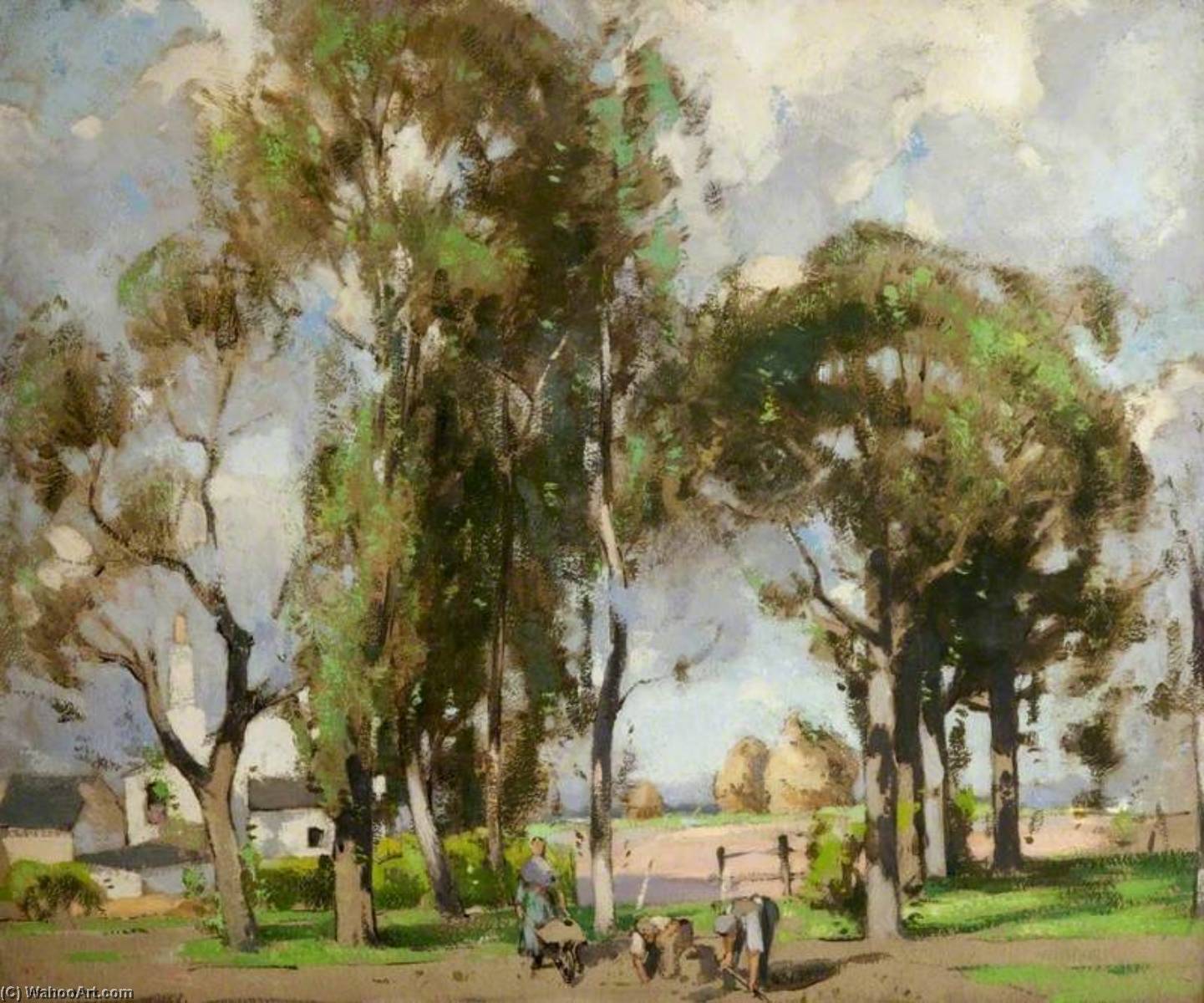
A Midlothian Farm (1925) ავტორის: John Guthrie Spence Smith

A Midlothian Farm

1925 · Oil

A stillness settles over the Midlothian landscape in this 1925 work. Two men stand in the foreground, their figures anchored to the earth as they tend to the daily rhythms of the farm. A dog rests near them, a silent companion to the labor. Nearby, three horses occupy the space, their forms positioned with a natural, unforced grace. Trees rise in the background, framing the scene and creating a soft,…

2
Self Portrait (recto) (1917) ავტორის: John Guthrie Spence Smith

Self Portrait (recto)

1917 · Oil On Canvas

The subject sits in a three-quarter view, his presence filling the space with a heavy, contemplative stillness. Light falls softly from the side, carving out the architecture of a face that seems to hold a lifetime of silent observation. There is a profound sense of introspection in his gaze, a look that suggests he is looking through the viewer rather than at them. The background is a soft arrangement of…

John Guthrie Spence Smith-ის შერჩევა გრძელდება, 11-დან 43-მდე

John Guthrie Spence Smith-ის ცნობილი სურათები, პერიოდების მიხედვით

Early Period

1917 – 1929 · 3 ნამუშწარwerks ამ სიაში

Mature Period

1925 – 1934 · 3 ნამუშწარwerks ამ სიაში

სუბიექტები, რომლებმაც John Guthrie Spence Smith-ის ყურადღება მიიპყრო

ამ ორიგინალებში ყველაზე ხშირად განმეორებადი არის 네 თემა, რომელთაგან თითოეულს თავისი საუკეთესო ნიმუში წარმოგვიდგება.

Early 20th century 2 ნამუშევარი

Rural landscape 2 ნამუშევარი

მუზეუმები, სადაც John Guthrie Spence Smith-ის ორიგინალები ინახება

ამ გვერდზე წარმოდგენილი მხატვრობის შედეგების უმეტესობას 3 მუზეუმი ინახავს.

მუზეუმი ქალაქი John Guthrie Spence Smith შემოქმედებაలు ამ სიიდან მოპოვებული ნახატები
Royal Scottish Academy of Art - Architecture, EdinburghRoyal Scottish Academy of Art - Architecture Edinburgh 2 Canongate Kirk, Bakehouse Close
The Fleming Collection, ლონდონიThe Fleming Collection ლონდონი 2 St Monance Kirk, Ballachulish Quarries
Wolverhampton Art Gallery, WolverhamptonWolverhampton Art Gallery Wolverhampton 1 Red Roofs

John Guthrie Spence Smith ათწლეულების მიხედვით: ორიგინალი, რომელიც განსაზღვრავს თითოეულ მათგანს

ნამუშევრები ათწლეულების მიხედვით

შეარჩიეთ ათწლეული, რათა ნახოთ ის ორიგინალი ნამუშევარი, რომელიც მას განსაზღვრავს.

კოლექციონერთა კითხვები John Guthrie Spence Smith-ის ნახატებზე

რა ნამუშწარესით არის ყველაზე ცნობილი John Guthrie Spence Smith?გაამჟღავნეთ პასუხი

A Midlothian Farm (1925). შემდეგ მოდიან Self Portrait (recto) (1917) და Standing Female Nude.

რამდენage იყო John Guthrie Spence Smith, როდესაც შეიქმნა A Midlothian Farm?გაამჟღავნეთ პასუხი

45 წლის: A Midlothian Farm შექმნილია 1925 წელს, ხოლო John Guthrie Spence Smith დაიბადა 1880 წელს.

რა არის John Guthrie Spence Smith-ის 열 иң ცნობილი 열ი ტილო?გაამჟღავნეთ პასუხი

A Midlothian Farm, Self Portrait (recto), Standing Female Nude, French Farmyard near Étaples, Landscape (verso), Pasture near Craigmillar, Cottages with Red Tiles, Castle, The Croft, Anstruther და Preston Kirk. ზემოთ მოცემული რეიტინგი ასახავს თითოეულის შემოქმედების წელსა და მუზეუმს.

რამდენი სურათი დატოვა John Guthrie Spence Smith-მა?გაამჟღავნეთ პასუხი

ჩვენს კატალოგში წარმოდგენილია 43 ნამუშწევრი John Guthrie Spence Smith-ისგან, დათარიღებული 1911-დან 1950-მდე.

რომელ მუზეუმებშია და hangs John Guthrie Spence Smith-ის შედევრული ნამუშევრები?გაამჟღავნეთ პასუხი

ძირითადად Royal Scottish Academy of Art - Architecture (Edinburgh), The Fleming Collection (ლონდონი) და Wolverhampton Art Gallery (Wolverhampton)-ში. ზემოთ მოცემულ მუზეუმების ცხრილში ისინი ყველა listed.

მათ რომელ წლებში შექმნა John Guthrie Spence Smith-მა ყველაზე ცნობილი ნამუშევრები?გაამჟღავნეთ პასუხი

1920s-ში: ამ გვერდზე წარმოდგენილი 43 ნამუშწარwerksიდან 9 შეიქმნა მაშინ, მათგან A Midlothian Farm.

რა არის John Guthrie Spence Smith-ის პირველი და ბოლო ცნობილი ორიგინალი?გაამჟღავნეთ პასუხი

ამ გვერდზე ყველაზე ადრეული არის French Farmyard near Étaples (1911), ხოლო ყველაზე გვიანდელი — Skinnergate, Perth (1950).

რომელ თემებს ირჩევდა John Guthrie Spence Smith ყველაზე ხშირად?გაამჟღავნეთ პასუხი

Early 20th century (2) და Rural landscape (2), ამ გვერდზე წარმოდგენილ 43 ნამუშწარეს შორის.

რა ხელოვნების მიმართულებას მიეკუთვნება John Guthrie Spence Smith?გაამჟღავნეთ პასუხი

Impressionism, ამ გვერდზე წარმოდგენილი ორიგინალების მიხედვით.

John Guthrie Spence Smith-ის რომელ ნამუშევრებს ჰქ나 Royal Scottish Academy of Art - Architecture-ში?გაამჟღავნეთ პასუხი

Canongate Kirk და Bakehouse Close: Royal Scottish Academy of Art - Architecture, Edinburgh-ში წარმოდგენილია ამ გვერდზე მოცემული ნამუშევრების 2 ცალი.

John Guthrie Spence Smith: ცხოვრება და შემოქმედება

John Guthrie Spence Smith: A Visionary of Scottish Landscapes

John Guthrie Spence Smith (1880-1951) remains a quietly significant figure in 20th-century British art, particularly within the rich tapestry of Scottish painting. Born in Perth, Scotland, into a family profoundly shaped by tragedy – his three older brothers succumbed to illness at young ages – Smith’s early life instilled a sensitivity and perhaps an unusual focus on observation. A childhood affliction robbed him of speech and hearing, a circumstance that arguably sharpened his visual perception and fostered a unique way of engaging with the world around him. This formative experience deeply influenced his artistic approach, imbuing his landscapes with a profound sense of stillness and quiet contemplation. Smith’s formal training began at Dundee College of Art, followed by studies at Edinburgh College of Art and the prestigious Royal Scottish Academy Life Drawing Classes under the tutelage of Robert Burns and Charles Hodge Mackie. These formative years exposed him to established artistic traditions while simultaneously nurturing his own distinctive style. He quickly distinguished himself as a talented artist, winning several prizes during his time at the RSA, demonstrating an early aptitude for capturing light, atmosphere, and the subtle nuances of the Scottish countryside. Crucially, he became involved with the Edinburgh Group, a collective of artists who challenged academic conventions and sought to forge a new path for modern art in Scotland. This association exposed him to innovative ideas and provided a platform for his work to be seen alongside other emerging talents.

A Distinctive Style: Landscape and Streetscapes

Smith’s artistic output is primarily characterized by meticulously rendered landscapes and evocative street scenes, predominantly depicting the familiar yet subtly transformed vistas of Perthshire, Angus, and the surrounding areas. He wasn't interested in dramatic, sweeping compositions; instead, he favored a measured approach, capturing the quiet dignity of rural life and the understated beauty of everyday settings. His palette was restrained, relying on muted earth tones – ochres, browns, greys, and blues – to create a sense of atmospheric depth and realism. He skillfully employed light and shadow to convey the changing moods of the Scottish weather, imbuing his paintings with a palpable sense of time and place. His work is often described as having a “colourist” quality, echoing the influence of artists like J.M. Whistler, though Smith’s approach was firmly rooted in his own unique vision.

Influences and Artistic Development

Smith's artistic journey reveals a complex interplay of influences. The traditional landscape painting of the Scottish Colourists – particularly their emphasis on capturing the essence of light and colour – undoubtedly shaped his early style. However, he also absorbed elements from Impressionism and Post-Impressionism, evident in his use of broken brushstrokes and his exploration of subjective perception. His time spent in France during World War I, though brief, provided a crucial opportunity to study the works of masters like Monet and Renoir, further expanding his artistic horizons. Following the war, he returned to Scotland, continuing to develop his distinctive style while maintaining close ties with the Edinburgh art community. His later work demonstrates an increasing confidence and maturity, reflecting a deeper understanding of both his subject matter and his own artistic voice.

Legacy and Recognition

Despite not achieving widespread fame during his lifetime, John Guthrie Spence Smith’s contribution to Scottish art is now increasingly recognized. His paintings are held in public collections across Scotland, including those of Glasgow, Paisley, Perth, and Greenock Museums, testament to the enduring quality of his work. His membership in the Royal Scottish Academy and his association with the Edinburgh Group cemented his place within a pivotal period of artistic innovation in Scotland. Smith’s legacy lies not only in his beautiful paintings but also in his quiet determination to pursue his artistic vision despite significant personal challenges. He represents a compelling example of an artist who found solace and expression through observation, capturing the essence of Scottish life with remarkable sensitivity and skill. His work continues to resonate with viewers today, offering a glimpse into a bygone era and a profound appreciation for the beauty of the Scottish landscape.

Further Resources