ჯონ ფლექსმანი-ის პორტრეტი

9 ყველაზე ცნობილი ჯონ ფლექსმანი-ის ნახატი, გალერეის შერჩეული კოლექცია

განახლდა ნოემბერი 2026 · დალაგებულია ჩვენი პოპულარობის ქულების მიხედვით (ძიება, ნახვა და შეკვეთები თითოეული ნამუშწაროსთვის) · 9 ნამუშევარი ჯონ ფლექსმანი ჩვენს კატალოგში

მოკლედ რომ ვთქვათ

ჯონ ფლექსმანი-ის ყველა დატოვებული ორიგინალიდან ყველაზე ცნობილია Monument to Vice-Admiral Horatio Nelson (1808), რომელიც London-ში მდებარე St Paul's Cathedral-ის კოლექციაშია. მისდავითვე მოდიან Saint Michael Overcoming Satan (1842) და Monument to Agnes Cromwell (1797). Our catalog holds 9 works by ჯონ ფლექსმანი; the gallery has kept the 9 the world admires most, each shown with its date, its museum and its story.

1755 – 1826, იორკი Neoclassicism ყველაზე დიდი კოლექცია: Roy Miles gallery

ჯონ ფლექსმანი-ის 10 საუკეთესო ნამუშgeryო: გალერეის არჩევანი

1
Monument to Vice-Admiral Horatio Nelson (1808) ავტორი: ჯონ ფლექსმანი

Monument to Vice-Admiral Horatio Nelson

1808 · Marble · St Paul's Cathedral, London

John Flaxman’s “Monument to Vice-Admiral Horatio Nelson,” crafted in 1808 and permanently residing within the hallowed halls of St. Paul’s Cathedral, is more than just a sculpted tribute; it’s a potent distillation of Victorian Britain’s reverence for its naval hero and a profound meditation on victory, loss, and national identity. This imposing marble work, standing nearly six feet tall, immediately commands attention with its dramatic scale and the palpable sense…

2
Saint Michael Overcoming Satan (1842) ავტორი: ჯონ ფლექსმანი

Saint Michael Overcoming Satan

Saint Michael Overcoming Satan is a bronze sculpture based on a composition by John Flaxman. The work captures a heavy, decisive moment of cosmic struggle. It depicts the archangel wielding a spear against the defeated form of Satan. This scene draws its narrative from the scripture of Revelation IX:13-15. The metal holds the tension of a victory already won, where divine righteousness asserts its dominance over the fallen.

3
Monument to Agnes Cromwell (1797) ავტორი: ჯონ ფლექსმანი

Monument to Agnes Cromwell

1797 · Marble · ჩიჩესტერის კათედრალი, ჩიჩესტერი

To stand before this marble memorial is to encounter a profound stillness, a moment captured forever in cool, enduring stone. This monument, dedicated to Agnes Sarah Harriet Cromwell, transcends mere commemoration; it is a deeply felt meditation on loss, the passage of time, and the eternal comfort found in memory. The work speaks with the quiet dignity characteristic of Neoclassicism, an era that sought to reconnect art with the perceived…

4
The Fight for the Body of Patroclus (1793) ავტორი: ჯონ ფლექსმანი

The Fight for the Body of Patroclus

1793 · Ink On Paper · Roy Miles gallery, ლონდონი

The work before us is titled The Fight for the Body of Patroclus, a significant illustration created by the artist John Flaxman. This piece emerged from his extensive series of designs for Homer's Iliad, a project that helped define his reputation during the Neoclassical period. It is a work that captures a moment of intense struggle, rendered with the precision of a draughtsman who understood the weight of classical narrative.

5
Illustration to the Iliad (1795) ავტორი: ჯონ ფლექსმანი

Illustration to the Iliad

1795 · Engraving

The Illustration to the Iliad by John Flaxman consists of a series of compositions based on the epic poem by Homer. These designs were created by John Flaxman while he was a sculptor in Rome. The work focuses on various mythological scenes, including the embassy to Achilles and the fight for the body of Patroclus. These specific compositions were intended to function as ideas for bas reliefs. The imagery depicts…

6
The Fury of Athamas (1790) ავტორი: ჯონ ფლექსმანი

The Fury of Athamas

1790 · Marble · Ickworth, საფოლკის საგრაფო

John Flaxman’s “The Fury of Athamas,” a monumental marble sculpture completed in 1790-1794, isn't merely a depiction of a Greek myth; it’s a visceral exploration of familial discord, the destructive power of unchecked rage, and the tragic consequences of divine retribution. Created during the height of Neoclassical art – a movement striving for order, reason, and an idealized representation of the human form – this work transcends its mythological subject…

7
Inferno (1793) ავტორი: ჯონ ფლექსმანი

Inferno

1793 · Engraving · Bibliothèque Nationale, პარიზი

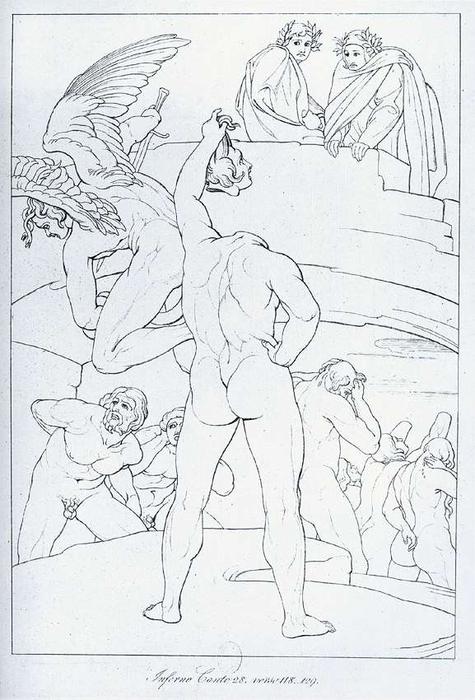
A Descent Into Darkness: Exploring John Flaxman’s Inferno John Flaxman's engraving of Dante Alighieri’s *Inferno*, completed in 1793, stands as a monumental achievement of neoclassical illustration—a testament to both artistic skill and intellectual fervor. More than just a depiction of Dante’s harrowing journey through Hell, it embodies the spirit of Enlightenment thought, grappling with themes of morality, judgment, and divine retribution within a meticulously crafted visual language. Flaxman's work transcends…

8
Odysseus svatiani meoneti (Odysseus in the Underworld) (1792) ავტორი: ჯონ ფლექსმანი

Odysseus svatiani meoneti (Odysseus in the Underworld)

1792 · Roy Miles gallery, ლონდონი

John Flaxman’s ‘Odysseus in the Underworld,’ completed in 1793, is far more than a simple illustration; it's a profound meditation on Homeric themes filtered through the lens of Neoclassicism. This remarkable sketch captures a pivotal moment – Odysseus’s perilous descent into the realm of the dead to seek counsel from Tiresias – an image brimming with both dread and heroic determination. Flaxman masterfully translates the epic poem’s core anxieties about…

9
Scylla (1793) ავტორი: ჯონ ფლექსმანი

Scylla

1793 · Drawing · Royal Academy of Arts, ლონდონი

A woman’s form dominates the composition, her arms outstretched in a gesture that suggests the visceral act of childbirth. She is depicted in a state of nudity, surrounded by a scattered collection of domestic and ritualistic objects. Bowls, cups, and spoons are distributed across the scene, some clustered in the upper left corner while others occupy the central space. A clock occupies the upper right, marking a temporal presence amidst…

სუბიექტები, რომლებმაც ჯონ ფლექსმანი-ის ყურადღება მიიპყრო

ამ ორიგინალებში ყველაზე ხშირად განმეორებადი არის ოთხი თემა, რომელთაგან თითოეულს თავისი საუკეთესო ნიმუში წარმოგვიდგება.

მუზეუმები, სადაც ჯონ ფლექსმანი-ის ორიგინალები ინახება

ამ გვერდზე წარმოდგენილი მხატვრობის შედეგების უმეტესობას 7 მუზეუმი ინახავს.

მუზეუმები ქალაქი ჯონ ფლექსმანი შემოქმედება ამ სიიდან ნახატები
Roy Miles gallery, ლონდონიRoy Miles gallery ლონდონი 2 The Fight for the Body of Patroclus, Odysseus svatiani meoneti (Odysseus in the Underworld)
St Paul's Cathedral, LondonSt Paul's Cathedral London 1 Monument to Vice-Admiral Horatio Nelson
პონსეს ხელოვნების მუზეუმი, პონსეპონსეს ხელოვნების მუზეუმი პონსე 1 Saint Michael Overcoming Satan
ჩიჩესტერის კათედრალი, ჩიჩესტერიჩიჩესტერის კათედრალი ჩიჩესტერი 1 Monument to Agnes Cromwell
Ickworth, საფოლკის საგრაფოIckworth საფოლკის საგრაფო 1 The Fury of Athamas
Bibliothèque Nationale, პარიზიBibliothèque Nationale პარიზი 1 Inferno
Royal Academy of Arts, ლონდონიRoyal Academy of Arts ლონდონი 1 Scylla

ჯონ ფლექსმანი წელიწადმიწლით: ორიგინალები, რომლებიც განსაზღვრავენ თითოეულ მათგანს

1790-დან 1808-მდე, ჯონ ფლექსმანი 19 წლის განმავლობაში მოღვაწეობდა: ეს შერჩევა ასახავს მის გრძელწლიურ კარიერას, წლების განმავლობაში შექმნილ საუკეთესო ორიგინალი ნამუშევრების მეშვეობით.

ნამუშევრები წლების მიხედვით

შეარჩიეთ წელი ორიგინალების სანახავად.

კოლექციონერთა კითხვები ჯონ ფლექსმანი-ის ნახატებზე

რა ნამუშწარესით არის ყველაზე ცნობილი ჯონ ფლექსმანი?გაამჟღავნეთ პასუხი

Monument to Vice-Admiral Horatio Nelson (1808), St Paul's Cathedral, London. შემდეგ მოდიან Saint Michael Overcoming Satan (1842) და Monument to Agnes Cromwell (1797).

რამდენage იყო ჯონ ფლექსმანი, როდესაც შეიქმნა Monument to Vice-Admiral Horatio Nelson?გაამჟღავნეთ პასუხი

53 წლის: Monument to Vice-Admiral Horatio Nelson შექმნილია 1808 წელს, ხოლო ჯონ ფლექსმანი დაიბადა 1755 წელს.

რამდენი სურათი დატოვა ჯონ ფლექსმანი-მა?გაამჟღავნეთ პასუხი

ჩვენს კატალოგში წარმოდგენილია 9 ნამუშწევრი ჯონ ფლექსმანი-ისგან, დათარიღებული 1790-დან 1808-მდე.

რომელ მუზეუმებშია და hangs ჯონ ფლექსმანი-ის შედევრული ნამუშევრები?გაამჟღავნეთ პასუხი

ძირითადად Roy Miles gallery (ლონდონი), St Paul's Cathedral (London) და პონსეს ხელოვნების მუზეუმი (პონსე)-ში. ზემოთ მოცემულ მუზეუმების ცხრილში ისინი ყველა listed.

მათ რომელ წლებში შექმნა ჯონ ფლექსმანი-მა ყველაზე ცნობილი ნამუშევრები?გაამჟღავნეთ პასუხი

1793-ში: ამ გვერდზე წარმოდგენილი 9 ნამუშწარwerksიდან 3 შეიქმნა მაშინ, მათგან The Fight for the Body of Patroclus.

რა არის ჯონ ფლექსმანი-ის პირველი და ბოლო ცნობილი ორიგინალი?გაამჟღავნეთ პასუხი

ამ გვერდზე ყველაზე ადრეული არის The Fury of Athamas (1790), ხოლო ყველაზე გვიანდელი — Monument to Vice-Admiral Horatio Nelson (1808).

რომელ თემებს ირჩევდა ჯონ ფლექსმანი ყველაზე ხშირად?გაამჟღავნეთ პასუხი

Sculpture (3), Marble (2) და Mythology (2), ამ გვერდზე წარმოდგენილ 9 ნამუშწარეს შორის.

რომელ ტექნიკას იყენებდა ჯონ ფლექსმანი ყველაზე ხშირად?გაამჟღავნეთ პასუხი

Marble, ამ გვერდზე არსებული 9 ნამუშწაროსგან 3 ცალიდან.

რა ხელოვნების მიმართულებას მიეკუთვნება ჯონ ფლექსმანი?გაამჟღავნეთ პასუხი

Neoclassicism, ამ გვერდზე წარმოდგენილი ორიგინალების მიხედვით.

ჯონ ფლექსმანი-ის რომელ ნამუშევრებს ნახავთ Roy Miles gallery-ში?გაამჟღავნეთ პასუხი

The Fight for the Body of Patroclus და Odysseus svatiani meoneti (Odysseus in the Underworld): Roy Miles gallery, ლონდონი-ში წარმოდგენილია ამ გვერდზე მოცემული ნამუშევრების 2 ცალი.

ჯონ ფლექსმანი: ცხოვრება და შემოქმედება

A Life Etched in Stone and Line

John Flaxman, born in York in 1755, emerged as a pivotal figure bridging the gap between the waning Rococo era and the ascendant Neoclassical movement in Britain. His story is one of remarkable artistic evolution, fueled by both innate talent and diligent study. From humble beginnings assisting his father, a moulder of plaster casts, young John absorbed an early appreciation for form and texture. This practical grounding, coupled with a voracious appetite for classical literature – pursued largely through self-education – laid the foundation for a career that would redefine British sculpture and illustration. His childhood was marked by illness and loss; his mother’s death when he was nine years old profoundly shaped his introspective nature. Yet, even in these early years, his artistic promise shone brightly, winning him accolades from the Society of Arts at just twelve years old. This initial success propelled him into the orbit of London's burgeoning art scene, where friendships with William Blake and Thomas Stothard would prove formative, fostering a lifelong exchange of ideas and creative energy.

Wedgwood and the Classical Ideal

Flaxman’s artistic trajectory took a significant turn with his employment by Josiah Wedgwood in 1775. This association wasn't merely a source of income; it was an immersive apprenticeship in translating classical motifs into commercially viable art forms. Modeling reliefs for Wedgwood’s renowned jasperware and basaltware demanded precision, economy of line, and a deep understanding of antique design. The influence of d’Hancarville’s engravings of Greek vases proved particularly potent, shaping Flaxman's aesthetic sensibility towards streamlined elegance and narrative clarity. Designs like the *Apotheosis of Homer* and the *Dancing Hours* weren’t simply decorative elements; they were distillations of classical mythology and allegory, rendered with a newfound emphasis on linear grace. This period honed his skills in relief sculpture, a medium he would masterfully employ throughout his career, particularly in his funerary monuments. It was during this time that Flaxman began to cultivate the style for which he became celebrated – a delicate balance between classical purity and emotional resonance.

Roman Reveries and Illustrative Triumph

A transformative journey to Rome in 1787 marked a turning point in Flaxman’s artistic development. Funded partly by Wedgwood, this extended sojourn allowed him to immerse himself directly in the heart of antiquity. He studied not only classical sculpture but also medieval and Renaissance art, broadening his understanding of artistic traditions. More importantly, it was in Rome that he began producing the book illustrations that would secure his lasting fame. Commissions followed for editions of Homer’s *Iliad* and *Odyssey*, Dante’s *Divine Comedy*, and Aeschylus' tragedies. These weren’t mere accompaniments to the text; they were independent works of art, characterized by their stark simplicity, dynamic compositions, and masterful use of line. The illustrations, engraved by figures like Tommaso Piroli, resonated deeply with European audiences, earning Flaxman widespread acclaim – Goethe famously hailed him as “the idol of all dilettanti.” His designs for Dante’s *Divine Comedy*, in particular, proved profoundly influential, inspiring artists such as Goya and Ingres and serving as a crucial resource for art students throughout the 19th century.

Monuments to Memory and Lasting Legacy

Upon his return to England, Flaxman established himself as a leading sculptor of funerary monuments. He approached these commissions with a unique sensitivity, eschewing ostentation in favor of restrained elegance and heartfelt emotion. His memorials – found in churches across England, including those dedicated to Thomas Chatterton, Mrs. Morley, and the Rev. Thomas Ball – are characterized by their simplicity, pathos, and rhythmic design. The monument to George Stevens, now housed in the Fitzwilliam Museum, exemplifies his ability to convey profound grief and enduring remembrance through subtle yet powerful forms. While he achieved recognition as a professor of sculpture at the Royal Academy in 1810, it is perhaps his illustrations that cemented his place in art history. John Flaxman’s work represents a synthesis of classical ideals, technical mastery, and emotional depth. He left an indelible mark on British art, influencing generations of artists with his elegant style and unwavering commitment to the power of line. His legacy continues to inspire, reminding us of the enduring beauty and profound meaning that can be found in both stone and ink. He remains a testament to the transformative power of artistic vision.