ჯენი ჰოლზერი-ის პორტრეტი

15 ყველაზე ცნობილი ჯენი ჰოლზერი-ის ნახატი, გალერეის შერჩეული კოლექცია

განახლდა ნოემბერი 2026 · დალაგებულია ჩვენი პოპულარობის ქულების მიხედვით (ძიება, ნახვა და შეკვეთები თითოეული ნამუშწაროსთვის) · 16 ნამუშევარი ჯენი ჰოლზერი ჩვენს კატალოგში

მოკლედ რომ ვთქვათ

ჯენი ჰოლზერი-ის ყველა დატოვებული ორიგინალიდან ყველაზე ცნობილია Survival Series: Men don’t protect… (1989), რომელიც ბილბაო-ში მდებარე ბილბაოს გუგენჰაიმის მუზეუმი-ის კოლექციაშია. მისდავითვე მოდიან Hm paris და Electric Sign from the series Under the Rock (1986). ჩვენს კატალოგში წარმოდგენილია ჯენი ჰოლზერი-ის 16 ნამუშევარი; გალერეაში შენარჩუნებულია 15 ყველაზე აღიარებული ნახატი, რომელთაგან თითოეულს თან ახლავს შექმნის თარიღი, მუზეუმი და ისტორია.

და lahirda 1950, გალიპოლისი Neo-conceptualism ყველაზე დიდი კოლექცია: ბილბაოს გუგენჰაიმის მუზეუმი

ჯენი ჰოლზერი-ის 10 საუკეთესო ნამუშgeryო: გალერეის არჩევანი

1
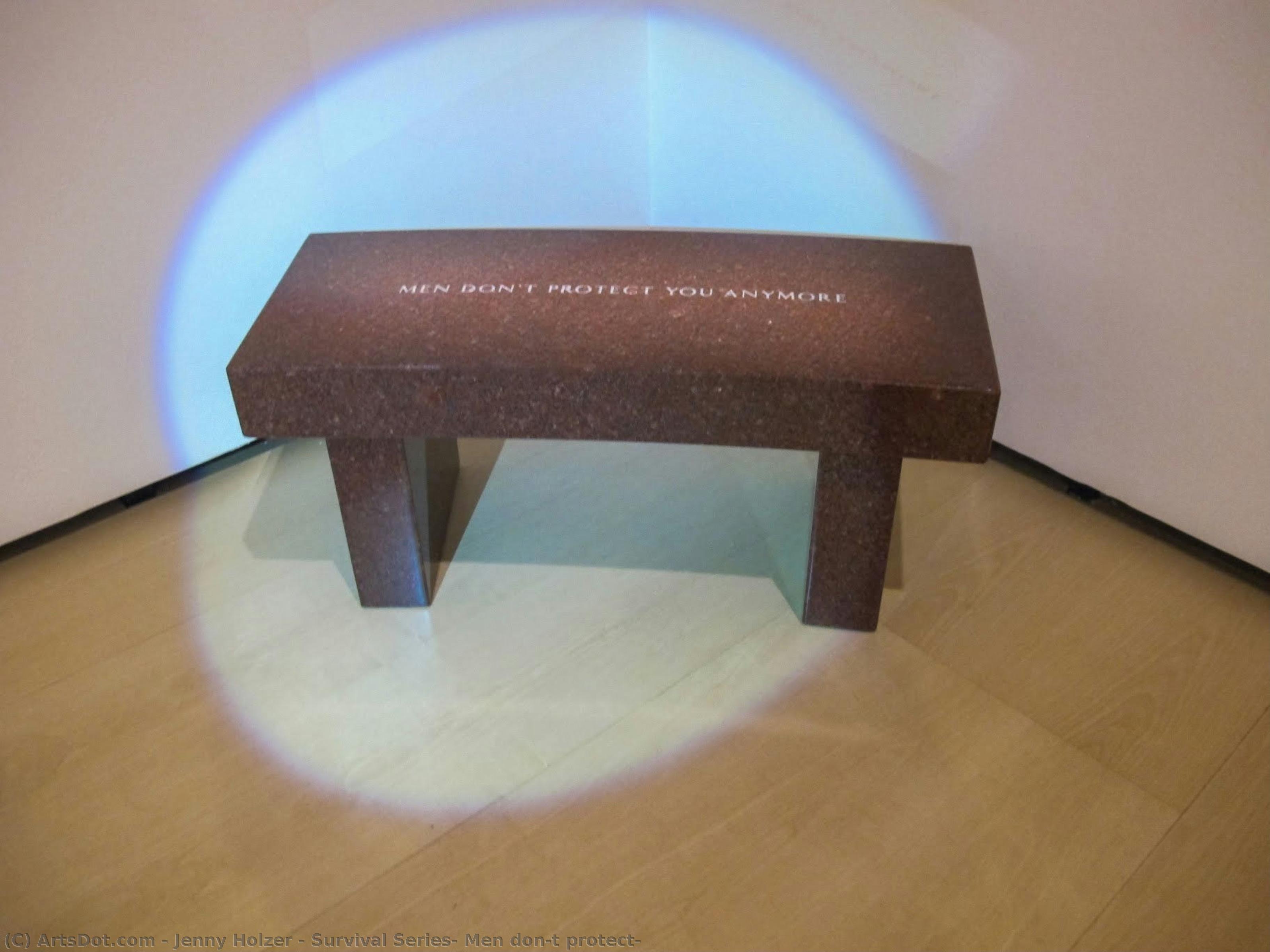
Survival Series: Men don’t protect… (1989) ავტორი: ჯენი ჰოლზერი

Survival Series: Men don’t protect…

Jenny Holzer’s work possesses an undeniable immediacy, transforming mundane architectural elements into potent canvases for philosophical discourse. This piece, Survival Series: Men don’t protect…, is a striking meditation rendered upon the cool, enduring surface of granite. It captures the ephemeral nature of spoken promises against the permanence of stone. The very act of inscribing words—a declaration, a warning, a lament—onto such a solid material creates an inherent tension that defines…

2
Hm paris ავტორი: ჯენი ჰოლზერი

Hm paris

Photography

In this work, titled Hm paris, we encounter the precise, language-driven approach of Jenny Holzer. The piece engages with the way text occupies space, moving beyond the traditional boundaries of the canvas to interact with the architecture of the environment. It is a quiet but firm intervention into the visual landscape, utilizing the medium of digital display to present fragmented, abstract text along a minimalist handrail.

3
Electric Sign from the series Under the Rock (1986) ავტორი: ჯენი ჰოლზერი

Electric Sign from the series Under the Rock

1986 · Other-None · MOMA - მოდერნ არტის მუზეუმი, ნიუ-იორკი

Jenny Holzer's "Electric Sign from the series Under the Rock," a deceptively simple neon installation, isn’t merely a display of light and text; it’s a carefully constructed interrogation of language, power, and the very fabric of public discourse. Created in 1986, this piece embodies the core tenets of Holzer's neo-conceptualist practice – a deliberate blurring of art and life, where words become visual statements demanding immediate engagement. The work’s starkness—a…

4
Living Series: It can be startling to see someone’s breath… (1989) ავტორი: ჯენი ჰოლზერი

Living Series: It can be startling to see someone’s breath…

In the realm of contemporary neo-conceptualism, few voices resonate with as much profound authority as Jenny Holzer. Her work, particularly within the Living Series, transcends the boundaries of traditional sculpture to become an immersive experience that bridges the gap between public discourse and private reflection. The piece titled "It can be startling to see someone’s breath…" is not merely an object of contemplation but a physical manifestation of thought itself.…

5
Arno Pair (2010) ავტორი: ჯენი ჰოლზერი

Arno Pair

Jenny Holzer’s “Arno Pair,” created in 2010, is more than just a visually striking artwork; it’s an invitation to contemplate the enduring power of language and its poignant resonance within public space. Donated to the Collection, this piece serves as a powerful complement to her earlier installation, "Installation for Bilbao," demonstrating Holzer's consistent exploration of themes surrounding communication, loss, and the shifting boundaries between private experience and collective consciousness. The…

6
Survival Series: Let your hand wander… (1989) ავტორი: ჯენი ჰოლზერი

Survival Series: Let your hand wander…

Jenny Holzer’s “Survival Series,” particularly exemplified by works like the iconic red granite bench, isn’t merely a piece of public art; it’s an invitation to a profound dialogue with ourselves and the world around us. Beginning in 1983, this series represents a pivotal moment in Holzer's career – a shift away from ephemeral street posters towards a more enduring, tactile engagement with the viewer. The core concept is deceptively simple:…

ჯენი ჰოლზერი-ის შერჩევა გრძელდება, 11-დან 15-მდე

სუბიექტები, რომლებმაც ჯენი ჰოლზერი-ის ყურადღება მიიპყრო

ამ ორიგინალებში ყველაზე ხშირად განმეორებადი არის ოთხი თემა, რომელთაგან თითოეულს თავისი საუკეთესო ნიმუში წარმოგვიდგება.

მუზეუმები, სადაც ჯენი ჰოლზერი-ის ორიგინალები ინახება

ამ გვერდზე წარმოდგენილი მხატვრობის შედეგების უმეტესობას 2 მუზეუმი ინახავს.

მუზეუმები ქალაქი ჯენი ჰოლზერი შემოქმედება ამ სიიდან ნახატები
ბილბაოს გუგენჰაიმის მუზეუმი, ბილბაობილბაოს გუგენჰაიმის მუზეუმი ბილბაო 4 Survival Series: Men don’t protect…, Living Series: It can be startling to see someone’s breath…, Arno Pair
MOMA - მოდერნ არტის მუზეუმი, ნიუ-იორკიMOMA - მოდერნ არტის მუზეუმი ნიუ-იორკი 1 Electric Sign from the series Under the Rock

ჯენი ჰოლზერი ათწლეულების მიხედვით: ორიგინალი, რომელიც განსაზღვრავს თითოეულ მათგანს

ნამუშევრები ათწლეულების მიხედვით

შეარჩიეთ ათწლეული, რათა ნახოთ ის ორიგინალი ნამუშევარი, რომელიც მას განსაზღვრავს.

კოლექციონერთა კითხვები ჯენი ჰოლზერი-ის ნახატებზე

რა ნამუშწარესით არის ყველაზე ცნობილი ჯენი ჰოლზერი?გაამჟღავნეთ პასუხი

Survival Series: Men don’t protect… (1989), ბილბაოს გუგენჰაიმის მუზეუმი, ბილბაო. შემდეგ მოდიან Hm paris და Electric Sign from the series Under the Rock (1986).

რამდენage იყო ჯენი ჰოლზერი, როდესაც შეიქმნა Survival Series: Men don’t protect…?გაამჟღავნეთ პასუხი

39 წლის: Survival Series: Men don’t protect… შექმნილია 1989 წელს, ხოლო ჯენი ჰოლზერი დაიბადა 1950 წელს.

რა არის ჯენი ჰოლზერი-ის ათ ყველაზე ცნობილი ნამუშწარები?გაამჟღავნეთ პასუხი

Survival Series: Men don’t protect…, Hm paris, Electric Sign from the series Under the Rock, Living Series: It can be startling to see someone’s breath…, Arno Pair, Survival Series: Let your hand wander…, Left Palm and Knife Edge 000417, PALM, FINGERS & FINGERTIPS (RIGHT HAND) 000394, RIGHT HAND DOD-050577 და Left Hand DOD-044401. ზემოთ მოცემული რეიტინგი ასახავს თითოეულის შემოქმედების წელსა და მუზეუმს.

რამდენი სურათი დატოვა ჯენი ჰოლზერი-მა?გაამჟღავნეთ პასუხი

ჩვენს კატალოგში წარმოდგენილია 16 ნამუშწევრი ჯენი ჰოლზერი-ისგან, დათარიღებული 1986-დან 2012-მდე.

რომელ მუზეუმებშია და hangs ჯენი ჰოლზერი-ის შედევრული ნამუშევრები?გაამჟღავნეთ პასუხი

ძირითადად ბილბაოს გუგენჰაიმის მუზეუმი (ბილბაო) და MOMA - მოდერნ არტის მუზეუმი (ნიუ-იორკი)-ში. ზემოთ მოცემულ მუზეუმების ცხრილში ისინი ყველა listed.

მათ რომელ წლებში შექმნა ჯენი ჰოლზერი-მა ყველაზე ცნობილი ნამუშევრები?გაამჟღავნეთ პასუხი

2000s-ში: ამ გვერდზე წარმოდგენილი 15 ნამუშწარwerksიდან 5 შეიქმნა მაშინ, მათგან Left Palm and Knife Edge 000417.

რა არის ჯენი ჰოლზერი-ის პირველი და ბოლო ცნობილი ორიგინალი?გაამჟღავნეთ პასუხი

ამ გვერდზე ყველაზე ადრეული არის Electric Sign from the series Under the Rock (1986), ხოლო ყველაზე გვიანდელი — Accordingly (2012).

რომელ თემებს ირჩევდა ჯენი ჰოლზერი ყველაზე ხშირად?გაამჟღავნეთ პასუხი

Language (4), Public space (3) და Public art (3), ამ გვერდზე წარმოდგენილ 15 ნამუშწარეს შორის.

რა ხელოვნების მიმართულებას მიეკუთვნება ჯენი ჰოლზერი?გაამჟღავნეთ პასუხი

Neo-conceptualism, ამ გვერდზე წარმოდგენილი ორიგინალების მიხედვით.

ჯენი ჰოლზერი-ის რომელ ნამუშევრებს ნახავთ ბილბაოს გუგენჰაიმის მუზეუმი-ში?გაამჟღავნეთ პასუხი

Survival Series: Men don’t protect…, Living Series: It can be startling to see someone’s breath… და Arno Pair: ბილბაოს გუგენჰაიმის მუზეუმი, ბილბაო-ში წარმოდგენილია ამ გვერდზე მოცემული ნამუშევრების 4 ცალი.

ჯენი ჰოლზერი: ცხოვრება და შემოქმედება

Jenny Holzer: Architect of Public Thought

Jenny Holzer, a name synonymous with provocative public art and the potent deployment of language, stands as a pivotal figure in neo-conceptualism. Born in Gallipolis, Ohio, in 1950, her journey from aspiring painter to globally recognized artist is marked by a relentless interrogation of power, society, and the very nature of communication. Holzer’s work isn't merely visual; it’s an immersive experience designed to challenge viewers, sparking reflection and demanding engagement with complex ideas. Her career, spanning decades and encompassing diverse media – from billboards and LED projections to stone benches and painted signs – has cemented her legacy as a vital voice in contemporary art.

Early Influences and Artistic Beginnings

Holzer’s artistic roots were initially planted in the traditional world of painting. She began formal training at Duke University, Durham, North Carolina, followed by studies at the University of Chicago and Ohio University, where she honed her skills in drawing, printmaking, and painting. However, a pivotal shift occurred during her time at the Rhode Island School of Design (RISD) in 1974-75. It was here that she began to experiment with language as a primary artistic medium, moving beyond representational imagery and embracing the directness of text. This nascent interest coincided with her relocation to New York City in 1976, where she joined the Whitney Museum’s Independent Study Program – a crucible for experimental art practices. Crucially, Holzer found work as a typesetter for Laundry News, a laundromat-industry trade newspaper, providing a grounding in typography and printmaking that would later inform her distinctive visual style.

The Rise of “Truisms” and Public Intervention

Holzer’s breakthrough arrived with the creation of *Truisms* (1977-79), a series of nearly 300 aphoristic statements printed on white paper in black italic script and wheat-pasted onto buildings, walls, and fences throughout Manhattan. These deceptively simple pronouncements – often drawn from her extensive reading list at the Whitney Independent Study Program – served as a radical intervention into the urban landscape. *Truisms* weren’t intended to be aesthetically pleasing; their power lay in their bluntness, challenging viewers to question assumptions about truth, knowledge, and societal norms. The anonymity of the project further amplified its impact, fostering a sense of collective engagement and critical dialogue. This early work established Holzer's core methodology: deploying concise, often unsettling statements within public spaces to provoke thought and challenge conventional perspectives.

Expanding the Medium: LED Projections and Beyond

Following *Truisms*, Holzer continued to explore the possibilities of language in public space. The *Living* series (1980-82), presented on aluminum and bronze plaques, addressed the mundane necessities of daily life – eating, breathing, sleeping, and human relationships – with a stark, matter-of-fact tone. This period also saw Holzer’s first foray into electronic signage, culminating in her iconic display at Times Square in 1982. From this point forward, LED projections became a central element of her practice, allowing for dynamic, site-specific installations that responded to the architecture and context of their surroundings. Holzer's work has since diversified dramatically, incorporating traditional media such as painting, stone benches, and even a race car for BMW, demonstrating an ongoing commitment to experimentation and pushing the boundaries of artistic expression.

Legacy and Critical Significance

Jenny Holzer’s impact on contemporary art is undeniable. She belongs to a generation of artists who sought new ways to integrate narrative and commentary into visual objects, challenging traditional notions of representation. Her work has been exhibited worldwide, including at major institutions such as the Guggenheim Museum in New York and the Neue Nationalgalerie in Berlin. Holzer’s exploration of themes like power, gender, war, and surveillance continues to resonate deeply with audiences today, prompting critical reflection on the social and political forces shaping our world. Her legacy extends beyond individual artworks; she has fundamentally altered the way public space is perceived and utilized as a site for artistic intervention, solidifying her position as a pioneering voice in neo-conceptualism and a vital commentator on the complexities of modern society.