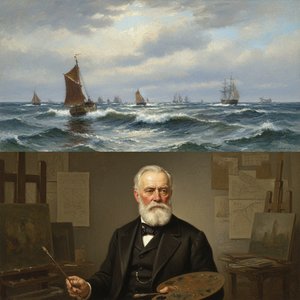
The Life and Works of Jan Kant

Jan Kant was a painter born in the Kingdom of the Netherlands. His brief career is marked by works that capture the essence of the Dutch landscape. Among his notable contributions to the art world is the piece titled Landscape with sheep, which is dated to 1850.

The artist's legacy is preserved through specific collections, most notably the Stedelijk Museum, Alkmaar, which holds several of his works. His catalog includes the following pieces:

ტესტი

თითოეულ კითხვაზე მხოლოდ ერთი სწორი პასუხია.

კითხვა 1:
In which country was Jan Kant born?
კითხვა 2:
What was Jan Kant's occupation?
კითხვა 3:
In which year was the work 'Landscape with sheep' created?
კითხვა 4:
Which collection holds the most works by Jan Kant in our catalog?
კითხვა 5:
What is the title of one of the undated works by Jan Kant?

კითხვები და პასუხები

Which collection holds the most works by Jan Kant in our catalog?

Stedelijk Museum, Alkmaar

რა არის Jan Kant-ის ყველაზე მაღალრეიტინგული ნახატი ArtsDot.com-ზე?

Landscape with sheep

რამდენი Jan Kant-ის ნახატია წარმოდგენილი ArtsDot.com-ზე?

3

არის თუ არა Jan Kant-ის ნამუშევრები კვლავ საავტორო უფლებებით დაცული?

არა, ამ ხელოვანის ნამუშევრები საზოგადოებრივი სარგებლობისთვის ხელმისაწვდომია (public domain).

What is the title of one of the undated works by Jan Kant?

Pontoon Bridge Noord-Hollands Kanaal

What was Jan Kant's occupation?

Painter

ვინ არის Jan Kant?

The Life and Works of Jan Kant Jan Kant was a painter born in the Kingdom of the Netherlands. His brief career is marked by works that capture the essence of the Dutch landscape. Among his notable contributions to the art world is the piece titled Landscape with sheep, which is dated to 1850. The artist's legacy is preserved through specific collections, most notably the Stedelijk Museum, Alkmaar, which holds several of his works. His catalog includes the following pieces:

In which country was Jan Kant born?

Kingdom of the Netherlands

რამდენ ხანს იცოცხლა Jan Kant-მა?

20 years (1830–1850)

როდის გარდაიცვალა Jan Kant?

1850