ჟაკ ვილონი-ის პორტრეტი

ჟაკ ვილონი-ის ნახატები: 14 ყველაზე ცნობილი ნამუშწარო, გალერეის თcraftით

განახლდა ნოემბერი 2026 · დალაგებულია ჩვენი პოპულარობის ქულების მიხედვით (ძიება, ნახვა და შეკვეთები თითოეული ნამუშწაროსთვის) · 20 ნამუშევარი ჟაკ ვილონი ჩვენს კატალოგში

მოკლედ რომ ვთქვათ

გალერეის თვალს, ჟაკ ვილონი-ის ყველაზე ცნობილი ნამუშწაროა Gaby (1905). Self Portrait (1923) და From Wheat to Straw (1946) ქმნიან იმ ტრიოს, რომელიც ყველამ იცნობს. ჩვენს კატალოგში არსებული ჟაკ ვილონი-ის 20 ნამუშწაროდან, გალერეა ქვემოთ წარმოგიდგენთ 14 ყველაზე ცნობილ მათგანს; თითოეული მათგანი არის ორიგინალი, რომლის აღწერა მოიცავს შემოქმედების წელს, მუზეუმს და იმ დეტალებს, რაც მას უნიკალურს ხდის.

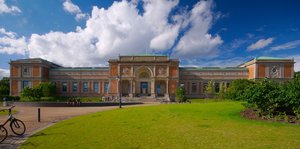
1875 – 1963, დამვილი ყველაზე დიდი კოლექცია: Statens Museum For Kunst

გალერეის ჟაკ ვილონი 10 საუკეთესო ნამი

ჟაკ ვილონი-ის ნახატები, რეიტინგით 11-დან 14-მდე

მუზეუმები, სადაც ჟაკ ვილონი-ის ორიგინალები ინახება

ამ გვერდზე წარმოდგენილი მხატვრობის შედეგების უმეტესობას 3 მუზეუმი ინახავს.

მუზეუმები ქალაქი ჟაკ ვილონი შემოქმედება ამ სიიდან ნახატები
Statens Museum For Kunst, კობენჰაგენიStatens Museum For Kunst კობენჰაგენი 4 The Sly Man. Self-Portrait, The Philosopher, Variations on the Theme of the Race Horse
პოზნანის ეროვნული მუზეუმი, პოზნანიპოზნანის ეროვნული მუზეუმი პოზნანი 1 Drink to the Chimera
Fine Arts Museum, ტალახასიFine Arts Museum ტალახასი 1 Untitled

ჟაკ ვილონი, ერთი ავთენტური ნამუშწარები ათწლეულში

ნამუშევრები ათწლეულების მიხედვით

შეარჩიეთ ათწლეული, რათა ნახოთ ის ორიგინალი ნამუშევარი, რომელიც მას განსაზღვრავს.

ჟაკ ვილონი-ის ნახატები: გალერეის პასუხები

რომელი ჟაკ ვილონი ტილოა ყველაზე ცნობილი?გაამჟღავნეთ პასუხი

Gaby (1905). შემდეგ მოდიან Self Portrait (1923) და From Wheat to Straw (1946).

რამდენage იყო ჟაკ ვილონი Gaby-ის დასრულებისას?გაამჟღავნეთ პასუხი

30 წლის: Gaby შექმნილია 1905 წელს, ხოლო ჟაკ ვილონი დაიბადა 1875 წელს.

რომელია ჟაკ ვილონი-ის 10 საუკეთესო ნამუშწარო?გაამჟღავნეთ პასუხი

Gaby, Self Portrait, From Wheat to Straw, The Sly Man. Self-Portrait, The Philosopher, Project for an Illustration to a Poem of Louis de Gonzague Frick, Drink to the Chimera, The Bridge of Beaugency, Variations on the Theme of the Race Horse და The Birdman. ზემოთ მოცემული რეიტინგი ასახავს თითოეულის შემოქმედების წელსა და მუზეუმს.

რამდენიმე ნამუშწარები შექმნა ჟაკ ვილონი-მა?გაამჟღავნეთ პასუხი

ჩვენს კატალოგში წარმოდგენილია 20 ნამუშწევრი ჟაკ ვილონი-ისგან, დათარიღებული 1905-დან 1962-მდე.

სად hanging ჟაკ ვილონი-ის ყველაზე ცნობილი ორიგინალები?გაამჟღავნეთ პასუხი

ძირითადად Statens Museum For Kunst (კობენჰაგენი), პოზნანის ეროვნული მუზეუმი (პოზნანი) და Fine Arts Museum (ტალახასი)-ში. ზემოთ მოცემულ მუზეუმების ცხრილში ისინი ყველა listed.

როდის შექმნა ჟაკ ვილონი-მა ყველაზე ცნობილი სურათები?გაამჟღავნეთ პასუხი

1940s-ში: ამ გვერდზე წარმოდგენილი 14 ნამუშწარwerksიდან 4 შეიქმნა მაშინ, მათგან From Wheat to Straw.

რომლებიც ჟაკ ვილონი-ის ყველაზე ადრეული და ბოლო ცნობილი ნამუშევრებია?გაამჟღავნეთ პასუხი

ამ გვერდზე ყველაზე ადრეული არის Gaby (1905), ხოლო ყველაზე გვიანდელი — The Philosopher (1962).

რომელი ჟაკ ვილონი-ის ორიგინალები ინახავს Statens Museum For Kunst?გაამჟღავნეთ პასუხი

The Sly Man. Self-Portrait, The Philosopher და Variations on the Theme of the Race Horse: Statens Museum For Kunst, კობენჰაგენი-ში წარმოდგენილია ამ გვერდზე მოცემული ნამუშევრების 4 ცალი.

ჟაკ ვილონი: მხატვარი

The Architect of Geometric Light: The Life and Legacy of Jacques Villon

Jacques Villon, born Émile Méry Frédéric Gaston Duchamp, was far more than a mere participant in the avant-garde; he was a foundational architect of modern visual language. Born in 1875 in the quiet region of Normandy, his early life was steeped in an artistic lineage that would eventually shape the course of twentieth-century art. As the elder brother to the legendary Marcel Duchamp, the sculptor Raymond Duchamp-Villon, and the painter Suzanne Duchamp-Crotti, Villon emerged from a family where creativity was as much a vocation as a way of life. To distinguish his identity from his siblings, he adopted the pseudonym of the medieval poet François Villon, a choice that hinted at the rebellious, bohemian spirit that would define his journey through the radical art movements of Paris. His early years were characterized by a fascinating tension between tradition and rebellion. While he initially pursued a legal education at the University of Paris, the magnetic pull of Montmartre’s artistic fervor proved irresistible. Before fully committing to the canvas, Villon honed his craft through graphic media, contributing sharp, witty illustrations to Parisian satirical newspapers like Le Couriente français. This period of printmaking was crucial; it instilled in him a profound understanding of line, contrast, and the structural power of black and white—elements that would later become hallmarks of his Cubist explorations. His early influences were diverse, ranging from the meticulous Symbolism of Gustave Moreau to the vibrant energy of the Belle Époque, creating a stylistic foundation that was both intellectually rigorous and visually evocative.

The Puteaux Group and the Geometry of Vision

As the twentieth century dawned, Villon became a central figure in one of art history's most transformative movements: Cubism. Moving to the outskirts of Paris, he joined the influential Puteaux Group, a circle of artists including his brother Marcel and the masters Picasso and Braque. Unlike the more fragmented approach of early Analytic Cubism, Villon’s contribution was marked by a unique preoccupation with tonal modulation and mathematical rhythm. He sought to dismantle the physical world into geometric fragments not merely to destroy form, but to reconstruct it through a lens of light and depth. His mastery of technique allowed him to bridge the gap between the tangible and the abstract. In his printmaking, particularly his work with drypoint, he achieved a velvety, atmospheric quality that gave weight to his geometric compositions. He utilized subtle shifts in color intensity and carefully orchestrated tonal gradients to convey a sense of atmosphere that felt almost sculptural. This approach allowed him to explore the intersection of structure and sensation, creating works where the rigid boundaries of Cubist planes seemed to vibrate with an inner light. His ability to balance the intellectual precision of geometry with an emotional, almost ethereal resonance set him apart from his contemporaries.

A Lasting Impression on Modernity

The historical significance of Jacques Villon lies in his role as a bridge between eras. He did not merely follow trends; he helped synthesize them. From his early roots in Symbolism to his pivotal role in the birth of Cubism and his eventual explorations into abstract expression, his oeuvre represents a continuous dialogue with the evolution of modern perception. His work serves as a testament to the idea that abstraction need not be devoid of soul, and that geometry can be a vessel for profound atmospheric beauty. Today, Villon is remembered as a master of form and light, an artist whose disciplined approach to composition paved the way for the abstract movements that followed. His legacy is found in every line that seeks to find order within chaos and every shade that attempts to capture the fleeting essence of light. Through his paintings, prints, and drawings, he remains a monumental figure, reminding us that the true power of art lies in its ability to reshape the very way we see the world.