ჰიუ კამერონი პორტრეტი

ჰიუ კამერონი-ის ნახატები: 44 ყველაზე ცნობილი ნამუშევარი, গალერეის თcraftით

განახლდა ნოემბერი 2026 · დალაგებულია ჩვენი პოპულარობის ქულების მიხედვით (ძიება, ნახვა და შეკვეთები თითოეული ნამუშწაროსთვის) · 19 ნამუშევარი ჰიუ კამერონი ჩვენს კატალოგში

მოკლედ რომ ვთქვათ

გალერეის თვალს, ჰიუ კამერონი-ის ყველაზე ცნობილი ნამუშწაროა Harvest Time near St Fillans, Perthshire (1877). A Lonely Life (1873) და Gleaners (1881) ქმნიან იმ ტრიოს, რომელიც ყველამ იცნობს. ჩვენს კატალოგში არსებული ჰიუ კამერონი-ის 19 ნამუშწაროდან, გალერეა ქვემოთ წარმოგიდგენთ 44 ყველაზე ცნობილ მათგანს; თითოეული მათგანი არის ორიგინალი, რომლის აღწერა მოიცავს შემოქმედების წელს, მუზეუმს და იმ დეტალებს, რაც მას უნიკალურს ხდის.

1835 – 1918, edinburgh Romanticism ყველაზე მეტი ნამشევრი: შოტლანდიის ეროვნული გალერეა

გალერეის ჰიუ კამერონი 10 საუკეთესო ნამი에도

1
Harvest Time near St Fillans, Perthshire (1877) ავტორის: ჰიუ კამერონი

Harvest Time near St Fillans, Perthshire

1877 · Oil On Canvas

The air in Perthshire carries the scent of dried stalks and cooling earth. In this 1877 oil on canvas, the landscape of St Fillans unfolds in a quiet rhythm of labor and light. Tall grass ripples across the foreground, leading the eye toward a series of haystacks scattered like golden monuments across the field. These mounds, some large and some small, mark the progress of the season. They sit heavy…

2
A Lonely Life (1873) ავტორის: ჰიუ კამერონი

A Lonely Life

The scene unfolds in 1873 through the hand of Hugh Cameron, a painter who captures a quiet moment in time. In this work, titled A Lonely Life, the artist invites us into a world of stillness and subtle human presence. Every brushstroke carries the weight of a specific, lived experience, frozen in the light of a bygone era.

3
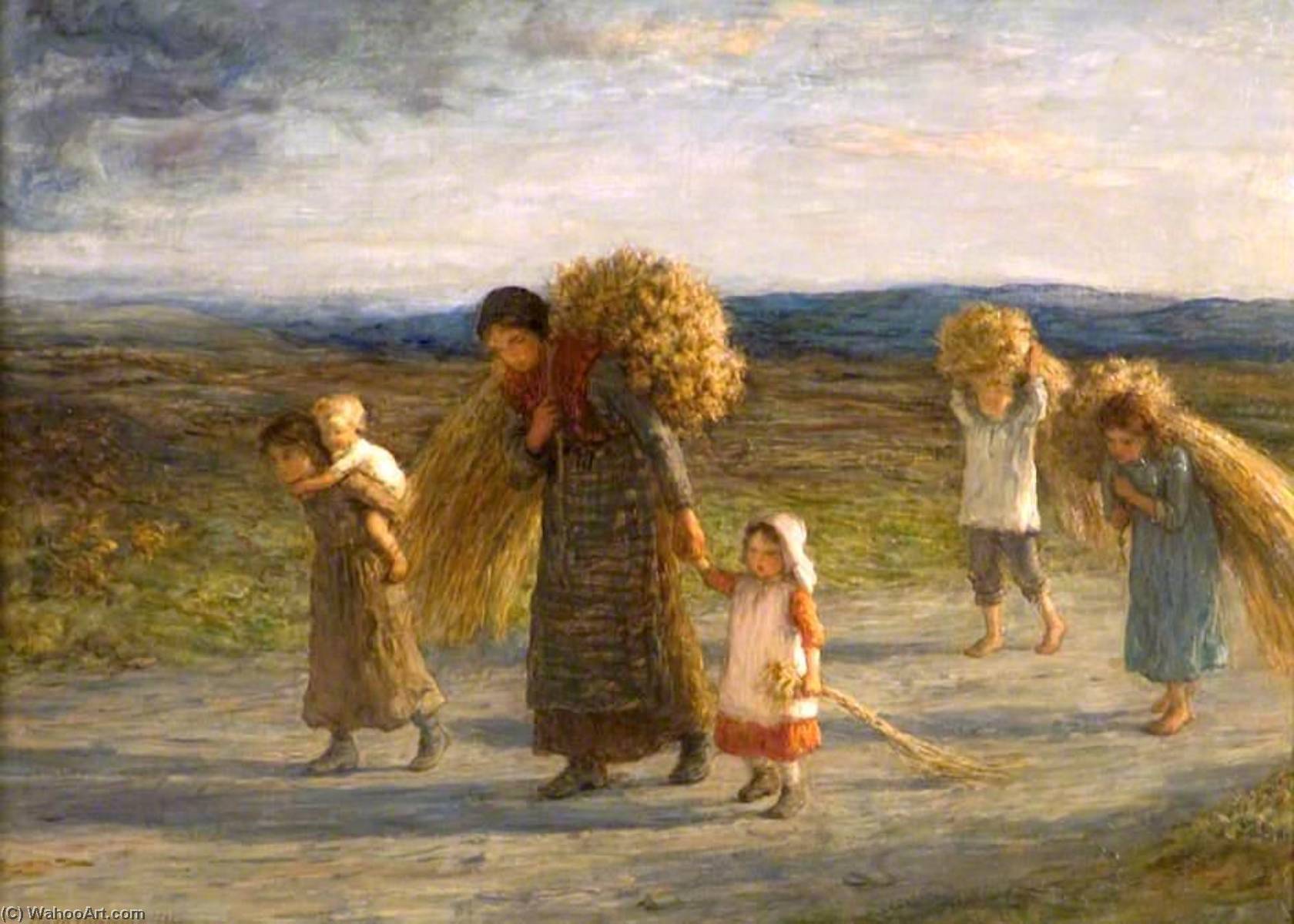
Gleaners (1881) ავტორის: ჰიუ კამერონი

Gleaners

Five figures move through a landscape of rolling hills. They walk a dirt road, their bodies bent under the gravity of their labor. Each woman carries a large basket, filled to the brim with wheat or hay, balanced precariously upon her head. The group moves in a slow procession, one woman leading the way while the others follow in her wake. Their clothing is practical, the attire of those who…

4
Harvest Time in Lorne (1888) ავტორის: ჰიუ კამერონი

Harvest Time in Lorne

1888 · Oil On Canvas

The canvas depicts a rural scene in Lorne during the harvest season. In the center of the composition, a group of figures gathers near large, rounded hay bales that sit within a field. These individuals appear engaged in agricultural labor or the preparation of the crop for transport. Scattered throughout the pasture are several cows, some positioned in the immediate foreground and others receding into the distance. A single horse…

5
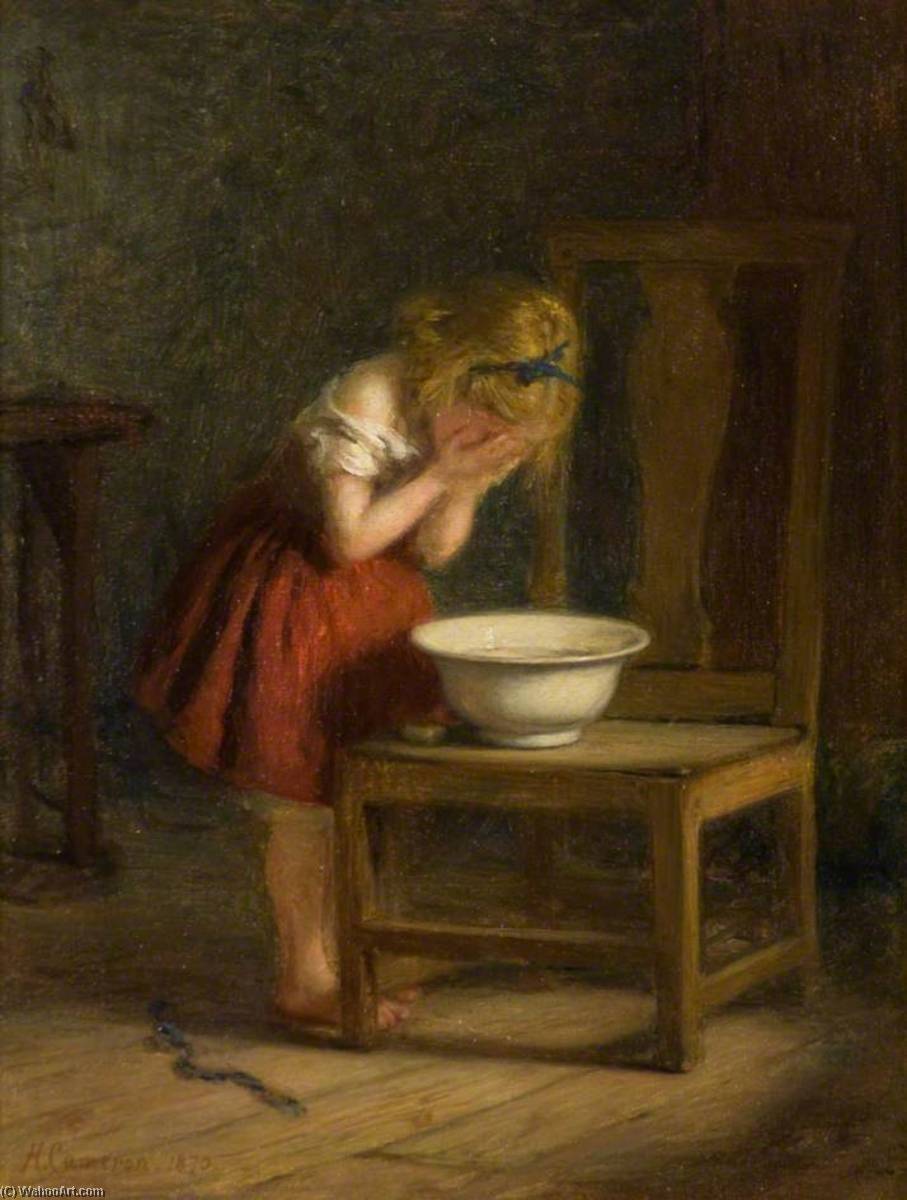
The Toilet (1870) ავტორის: ჰიუ კამერონი

The Toilet

1870 · Oil On Canvas

In this 1870 oil painting, we find ourselves drawn into a dim, intimate interior where a young girl is caught in a moment of profound grief. She is kneeling, her face hidden within her hands, a posture that speaks of an overwhelming, private sadness. The scene is stripped of unnecessary distraction, focusing entirely on her vulnerability. A simple wooden bowl and a chair sit nearby, their humble presence grounding the…

6
The Bait Gatherers (1882) ავტორის: ჰიუ კამერონი

The Bait Gatherers

The Bait Gatherers is an oil painting by Hugh Cameron, created in 1882. The scene captures a quiet moment of coastal labor, where three figures move across a sandy beach. A woman bends toward the shore to collect shells, while another woman holds a child, and a man kneels nearby. The horizon sits low, allowing the expanse of the sea and the texture of the sand to dominate the view.…

7
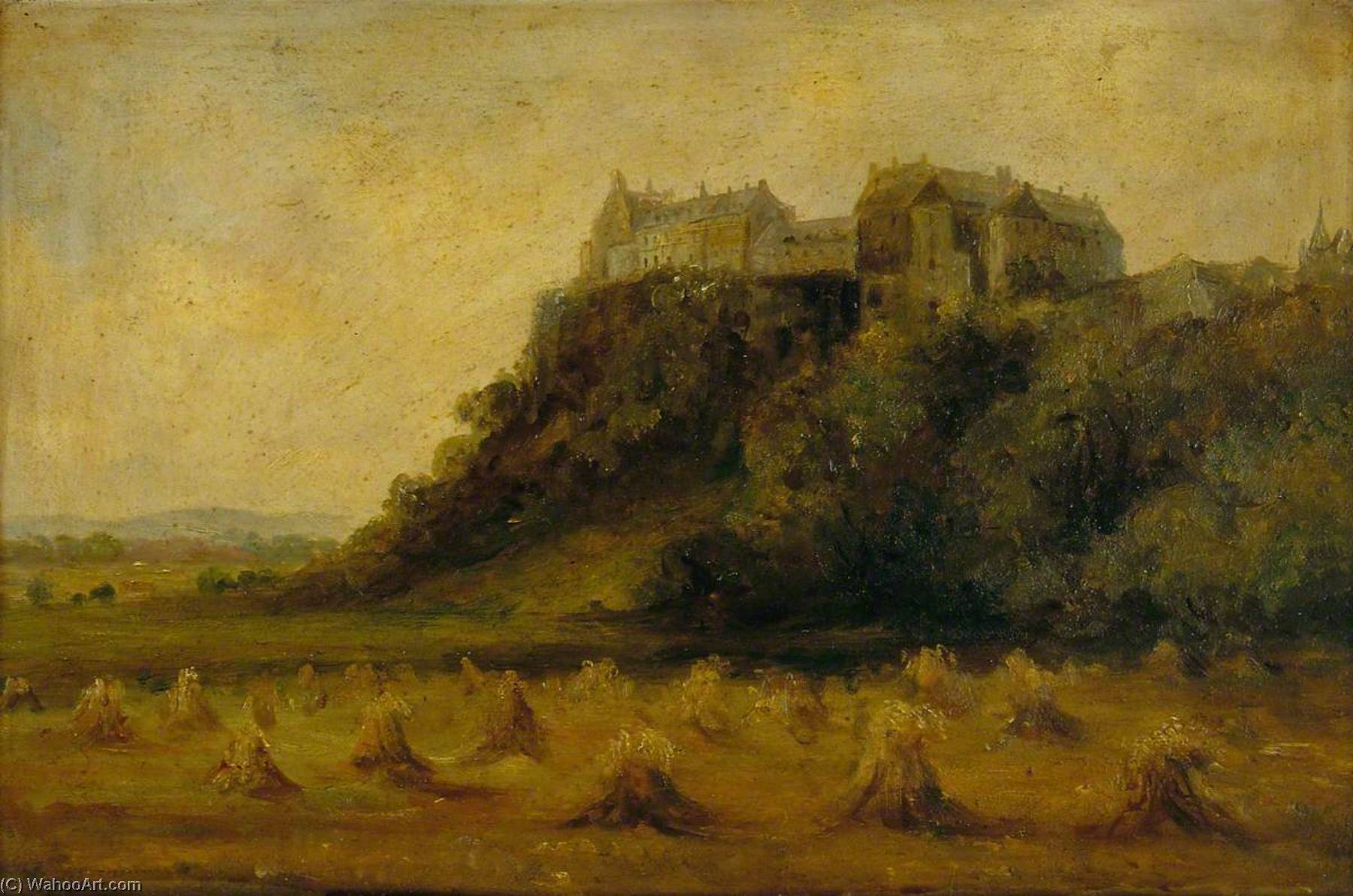
Stirling Castle ავტორის: ჰიუ კამერონი

Stirling Castle

Oil · The Stirling Smith Art Gallery - Museum, სტერლინგი

There is a quiet gravity to this composition, a sense of permanence held within the soft textures of the Scottish landscape. The scene centers on a castle perched atop a commanding hill, its architecture integrated into the very rise of the earth. Below this stony sentinel, a lush green field stretches out, providing a soft, verdant foundation for the heavy structure above. Small figures are scattered throughout the landscape, some…

ჰიუ კამერონი-ის ნახატები, რეიტინგით 11-დან 44-მდე

სუბიექტები, რომლებმაც ჰიუ კამერონი-ის ყურადღება მიიპყრო

ამ ორიგინალებში ყველაზე ხშირად განმეორებადი არის 네 თემა, რომელთაგან თითოეულს თავისი საუკეთესო ნიმუში წარმოგვიდგება.

მუზეუმები, სადაც ჰიუ კამერონი-ის ორიგინალები ინახება

ამ გვერდზე წარმოდგენილი მხატვრობის შედეგების უმეტესობას 8 მუზეუმი ინახავს.

მუზეუმი ქალაქი ჰიუ კამერონი შემოქმედებაలు ამ სიიდან მოპოვებული ნახატები
შოტლანდიის ეროვნული გალერეა, ედინბურგიშოტლანდიის ეროვნული გალერეა ედინბურგი 4 A Lonely Life, Going to the Hay, Study for 'A Toiler of the Hills'
Royal Scottish Academy of Art - Architecture, EdinburghRoyal Scottish Academy of Art - Architecture Edinburgh 4 The Bait Gatherers, Summer Pleasures, The Pet Lamb
Mcmanus: Dundee's Art Galleries And Museums, DundeeMcmanus: Dundee's Art Galleries And Museums Dundee 3 Gleaners, Fern Gatherer, The Kitten
Government Art Collection, ლონდონიGovernment Art Collection ლონდონი 2 The Hairst Rig in the East Neuk, Fife, The Hairst Rig in the East Neuk, Fife
The Stirling Smith Art Gallery - Museum, სტერლინგიThe Stirling Smith Art Gallery - Museum სტერლინგი 1 Stirling Castle
Sheffield City Art Galleries, SheffieldSheffield City Art Galleries Sheffield 1 Largo Bay
Dundee Art Gallery And Museum, DundeeDundee Art Gallery And Museum Dundee 1 Evening 'Slow from the Sky the Light Declines'
The Dick Institute, კილმარნოკიThe Dick Institute კილმარნოკი 1 On the Tay near Perth

ჰიუ კამერონი, ერთი ავთენტური ნამუშწარები ათწლეულში

ნამუშევრები ათწლეულების მიხედვით

შეარჩიეთ ათწლეული, რათა ნახოთ ის ორიგინალი ნამუშევარი, რომელიც მას განსაზღვრავს.

ჰიუ კამერონი-ის ნახატები: გალერეის პასუხები

რომელი ჰიუ კამერონი ტილოა ყველაზე ცნობილი?გაამჟღავნეთ პასუხი

Harvest Time near St Fillans, Perthshire (1877). შემდეგ მოდიან A Lonely Life (1873) და Gleaners (1881).

რამდენage იყო ჰიუ კამერონი Harvest Time near St Fillans, Perthshire-ის დასრულებისას?გაამჟღავნეთ პასუხი

42 წლის: Harvest Time near St Fillans, Perthshire შექმნილია 1877 წელს, ხოლო ჰიუ კამერონი დაიბადა 1835 წელს.

რომელია ჰიუ კამერონი-ის 10 საუკეთესო ნამუშწარო?გაამჟღავნეთ პასუხი

Harvest Time near St Fillans, Perthshire, A Lonely Life, Gleaners, Harvest Time in Lorne, The Toilet, The Bait Gatherers, Stirling Castle, Going to the Hay, The Hairst Rig in the East Neuk, Fife და The Hairst Rig in the East Neuk, Fife. ზემოთ მოცემული რეიტინგი ასახავს თითოეულის შემოქმედების წელსა და მუზეუმს.

რამდენიმე ნამუშწარები შექმნა ჰიუ კამერონი-მა?გაამჟღავნეთ პასუხი

ჩვენს კატალოგში წარმოდგენილია 19 ნამუშწევრი ჰიუ კამერონი-ისგან, დათარიღებული 1858-დან 1894-მდე.

სად hanging ჰიუ კამერონი-ის ყველაზე ცნობილი ორიგინალები?გაამჟღავნეთ პასუხი

ძირითადად შოტლანდიის ეროვნული გალერეა (ედინბურგი), Royal Scottish Academy of Art - Architecture (Edinburgh) და Mcmanus: Dundee's Art Galleries And Museums (Dundee)-ში. ზემოთ მოცემულ მუზეუმების ცხრილში ისინი ყველა listed.

როდის შექმნა ჰიუ კამერონი-მა ყველაზე ცნობილი სურათები?გაამჟღავნეთ პასუხი

1880s-ში: ამ გვერდზე წარმოდგენილი 44 ნამუშწარwerksიდან 16 შეიქმნა მაშინ, მათგან Gleaners.

რომლებიც ჰიუ კამერონი-ის ყველაზე ადრეული და ბოლო ცნობილი ნამუშევრებია?გაამჟღავნეთ პასუხი

ამ გვერდზე ყველაზე ადრეული არის Going to the Hay (1858), ხოლო ყველაზე გვიანდელი — The Skipping Rope (1894).

რომელ თემებს მიმართავდა ჰიუ კამერონი ყველაზე ხშირად?გაამჟღავნეთ პასუხი

People (3), Coastal scene (3) და Field (2), ამ გვერდზე წარმოდგენილ 44 ნამუშწარეს შორის.

რა ტექნიკით მუშაობდა ჰიუ კამერონი ყველაზე ხშირად?გაამჟღავნეთ პასუხი

Oil On Canvas, ამ გვერდზე არსებული 44 ნამუშწაროსგან 3 ცალიდან.

რომელ მიძღვნასთან არის დაკავშირებული ჰიუ კამერონი?გაამჟღავნეთ პასუხი

Romanticism და Realism, ამ გვერდზე წარმოდგენილი ორიგინალების მიხედვით.

რომელი ჰიუ კამერონი-ის ორიგინალები ინახავს შოტლანდიის ეროვნული გალერეა?გაამჟღავნეთ პასუხი

A Lonely Life, Going to the Hay და Study for 'A Toiler of the Hills': შოტლანდიის ეროვნული გალერეა, ედინბურგი-ში წარმოდგენილია ამ გვერდზე მოცემული ნამუშევრების 4 ცალი.

ჰიუ კამერონი: მხატვარი

Duncan Cameron (1837 – 1916): Painter of Scottish Pastoral

Duncan Cameron was a Scottish landscape painter who achieved considerable renown during the Victorian era, particularly for his depictions of Perthshire and its surrounding countryside. Born in Edinburgh in 1837, he possessed an innate talent for capturing the essence of rural Scotland—its dramatic skies, rolling hills, and shimmering lochs—with remarkable accuracy and emotional depth. Cameron’s artistic vision was profoundly shaped by Romanticism and Impressionism, blending meticulous observation with expressive brushwork to create paintings that resonate with timeless beauty.
  • Early Life & Training: Cameron received his initial artistic education at the Royal Scottish Academy in Edinburgh, where he honed his skills under influential instructors. His formative years instilled a disciplined approach to painting and fostered an appreciation for classical composition alongside burgeoning modernist tendencies.
  • Notable Works & Style: Cameron’s oeuvre comprises numerous landscapes showcasing Perthshire's iconic vistas—including Loch Achray and Dunkeld—and capturing the fleeting effects of light and atmosphere with masterful precision. His distinctive style is characterized by a rich palette, textured brushstrokes, and an unwavering commitment to portraying the grandeur of nature.
  • Influences: Cameron’s artistic sensibilities were significantly impacted by artists such as JMW Turner and Frederic Church, whose explorations of atmospheric perspective and dramatic landscapes served as inspiration for his own compositions. He embraced Impressionistic techniques—particularly plein air painting—to convey immediacy and vibrancy in his depictions of the Scottish Highlands.
  • Recognition & Legacy: Cameron’s paintings gained acclaim within Scotland and internationally during his lifetime, securing a place among the most celebrated landscape artists of the Victorian period. His works continue to be admired for their evocative beauty and enduring representation of Scottish pastoralism—a testament to his artistic genius and lasting contribution to British art history.

Exploring Perthshire: Cameron's Obsession with Landscape

Cameron’s fascination with Perthshire stemmed from its breathtaking scenery, which he considered ideal for conveying the sublime beauty of nature. He tirelessly revisited Loch Achray and Dunkeld, meticulously documenting their changing seasons and capturing the subtle nuances of light and color. These expeditions fueled his artistic creativity and solidified his reputation as a master of landscape painting—a skill that would define his entire career.
  • Loch Achray: Cameron’s depiction of Loch Achray exemplifies his Romantic aesthetic, employing dramatic lighting and atmospheric perspective to convey the grandeur of the loch's surroundings. The painting captures the misty mornings and golden sunsets of Perthshire with remarkable sensitivity—a visual record of Cameron’s artistic pilgrimage.
  • Dunkeld Cathedral: Another iconic subject for Cameron was Dunkeld Cathedral, which he portrayed in several canvases during his lifetime. His paintings convey a profound reverence for architectural beauty alongside an appreciation for the surrounding landscape—reflecting his humanist worldview and artistic ambition.

The Impressionistic Touch: Capturing Fleeting Moments

Cameron skillfully integrated Impressionistic techniques into his work, prioritizing direct observation and capturing the ephemeral qualities of light and color. He adopted plein air painting—working outdoors directly from nature—allowing him to translate the immediacy of visual experience onto canvas with unparalleled accuracy. This approach distinguished Cameron’s style from more academic traditions—establishing him as a pioneer of modern landscape art.
  • Color Palette: Cameron's paintings are characterized by a vibrant color palette—employing hues that reflect the changing seasons and capturing the subtle variations in tonal range with meticulous attention to detail.
  • Brushwork: His distinctive brushstrokes—loose, textured, and expressive—were designed to convey movement and atmosphere—creating paintings that pulsate with life and vitality.

Duncan Grant & Cameron's Shared Vision

Duncan Grant, a fellow Scottish Colourist, shared Cameron’s passion for capturing the beauty of Scotland through vibrant color and atmospheric perspective. Although their artistic paths diverged somewhat later in life—Grant pursuing abstraction while Cameron remained committed to realism—both artists recognized the importance of conveying emotion and responding directly to the visual world around them. Their collaborative spirit exemplifies the broader ethos of Scottish Modernism—a movement dedicated to exploring new aesthetic possibilities while honoring tradition.

Concluding Reflections: An Enduring Legacy

Duncan Cameron’s paintings continue to inspire admiration for their timeless beauty and masterful execution—serving as enduring emblems of Scottish landscape art. His unwavering devotion to observation, coupled with his expressive brushwork and luminous color palette, cemented his place among the most influential artists of the Victorian era—leaving an indelible mark on British artistic heritage.