ენრი რენო-ის პორტრეტი

21 ყველაზე ცნობილი ენრი რენო-ის ნახატი, გალერეის შერჩეული კოლექცია

განახლდა ნოემბერი 2026 · დალაგებულია ჩვენი პოპულარობის ქულების მიხედვით (ძიება, ნახვა და შეკვეთები თითოეული ნამუშწაროსთვის) · 21 ნამუშევარი ენრი რენო ჩვენს კატალოგში

მოკლედ რომ ვთქვათ

ენრი რენო-ის ყველა დატოვებული ორიგინალიდან ყველაზე ცნობილია ავტომედონი აქილესის ცხેებით (1868), რომელიც ბოსტონი-ში მდებარე ბოსტონის fine arts-ის მუზეუმი-ის კოლექციაშია. მისდავითვე მოდიან General Juan Prim (1814-1870) (1868) და Portrait of a Young Woman (1863). ჩვენს კატალოგში წარმოდგენილია ენრი რენო-ის 21 ნამუშევარი; გალერეაში შენარჩუნებულია 21 ყველაზე აღიარებული ნახატი, რომელთაგან თითოეულს თან ახლავს შექმნის თარიღი, მუზეუმი და ისტორია.

1843 – 1871, პარიზი Romanticism ყველაზე დიდი კოლექცია: Musée d'Orsay

ენრი რენო-ის 10 საუკეთესო ნამუშgeryო: გალერეის არჩევანი

1
ავტომედონი აქილესის ცხેებით (1868) ავტორი: ენრი რენო

ავტომედონი აქილესის ცხેებით

1868 · ზეთი ტილოზე · ბოსტონის fine arts-ის მუზეუმი, ბოსტონი

In the pantheon of nineteenth-century French art, few works command the room with such visceral intensity as Henri Regnault’s Automedon with the Horses of Achilles. Executed in 1868, this monumental masterpiece serves as a breathtaking window into the heart of Romanticism, where the boundaries between the human spirit and divine force blur amidst a sun-drenched coastal landscape. The painting captures a moment of profound struggle and mythic tension, depicting Automedon—the…

2
General Juan Prim (1814-1870) (1868) ავტორი: ენრი რენო

General Juan Prim (1814-1870)

A black horse pulls its weight against a pale, shifting sky. The animal's musculature is defined by sharp, white highlights that catch the light, tracing the tension in its neck and flank. Atop this powerful creature sits General Juan Prim, a figure of stillness amidst a world of motion. He sits upright, his gaze fixed forward, meeting the viewer with a steady, unblinking presence. The palette is stripped of color,…

4
Juan Prim, October 8, 1868 (1869) ავტორი: ენრი რენო

Juan Prim, October 8, 1868

1869 · Oil On Canvas · Musée d'Orsay, პარიზი

The work before us is titled Juan Prim, October 8, 1868, a significant oil on canvas by the French artist Henri Regnault. It was executed around 1869, capturing a moment of profound historical weight. The subject is the Spanish general and statesman Juan Prim, a figure central to the political shifts of his era. Regnault’s approach to this portrait moves beyond simple likeness, functioning as a tribute to both the…

5
Orpheus in the Underworld (1865) ავტორი: ენრი რენო

Orpheus in the Underworld

1865 · Oil On Canvas · Musée d'Orsay, პარიზი

Orpheus in the Underworld is a work by Henri Regnault. Created in 1865, the piece captures a moment of profound mythological tension. This specific composition was submitted to the Prix de Rome in 1865, marking a significant point in the artist's early career. The subject matter draws from the ancient tales of the musician who descended into the realm of the dead.

6
Presumed portrait of the artist's brother (23 June 1859) (1859) ავტორი: ენრი რენო

Presumed portrait of the artist's brother (23 June 1859)

1859 · Graphite Pencil

In this intimate graphite study, we encounter Presumed portrait of the artist's brother (23 June 1859) by Henri Regnault. Created in 1859, the work offers a quiet glimpse into the artist's personal sphere. It is a portrait of a young man, captured in a moment of stillness. The subject is presumably the artist's brother, providing a rare, private connection to the man behind the more public canvases of the nineteenth…

7
The Spanish scoundrel (1868) ავტორი: ენრი რენო

The Spanish scoundrel

1868 · Oil On Canvas · Musée des Beaux-Arts de Dijon, დიჟონი

In The Spanish scoundrel by Henri Regnault, a vertical portrait focuses on the upper body of a woman. Positioned slightly off-center, the subject is captured in a close-up, eye-level view that establishes an immediate presence. She is depicted looking away from the viewer, her expression contemplative or perhaps melancholic. This averted gaze creates a sense of emotional mystery, distancing the subject from the observer while maintaining an intimate connection through…

8
Hassan Et Namouna (1870) ავტორი: ენრი რენო

Hassan Et Namouna

1870 · Oil On Canvas

A diagonal line pulls the eye through a room of heavy shadows and warm light. On the right, a man reclines, his body a slow curve against a mountain of cushions. To the left, a woman sits, her fingers poised over the strings of a musical instrument. The air in the room feels thick, weighted by the scent of dust and the low hum of a melody. Sunlight filters through…

9
The madrilenian (1868) ავტორი: ენრი რენო

The madrilenian

1868 · Watercolor

This work functions as a study of traditional Spanish costume. The man's attire and posture suggest the role of a street vendor or a porter. The sketch reflects a period of intense observation of foreign cultures, specifically the materiality of life found in Spain. The technique relies on layering diluted washes to create subtle tonal variations, a method common to 19th-century watercolor practice. The result is a document of cultural…

10
Still Life (1867) ავტორი: ენრი რენო

Still Life

1867 · Oil On Canvas · Musée de Grenoble, გრენობლი

In "Still Life" by Henri Regnault, the canvas captures a somber aftermath. Created about 1867, the work presents a collection of dead game and furs arranged in a dense, triangular formation. A dead hare lies at the center of this quiet assembly, its limp form resting among various animal skins. These elements occupy the foreground, creating a visceral scene of the hunt's conclusion.

ენრი რენო-ის შერჩევა გრძელდება, 11-დან 21-მდე

ენრი რენო-ის ცნობილი სურათები, პერიოდების მიხედვით

სუბიექტები, რომლებმაც ენრი რენო-ის ყურადღება მიიპყრო

ამ ორიგინალებში ყველაზე ხშირად განმეორებადი არის ოთხი თემა, რომელთაგან თითოეულს თავისი საუკეთესო ნიმუში წარმოგვიდგება.

მუზეუმები, სადაც ენრი რენო-ის ორიგინალები ინახება

ამ გვერდზე წარმოდგენილი მხატვრობის შედეგების უმეტესობას 8 მუზეუმი ინახავს.

მუზეუმები ქალაქი ენრი რენო შემოქმედება ამ სიიდან ნახატები
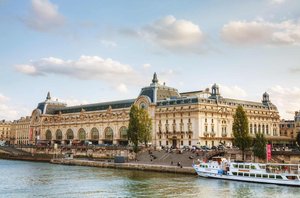
Musée d'Orsay, პარიზიMusée d'Orsay პარიზი 4 Juan Prim, October 8, 1868, Orpheus in the Underworld, Historical scene
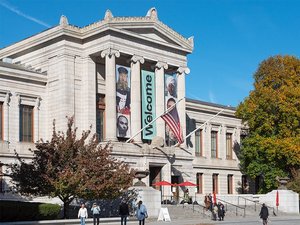
ბოსტონის fine arts-ის მუზეუმი, ბოსტონიბოსტონის fine arts-ის მუზეუმი ბოსტონი 3 ავტომედონი აქილესის ცხેებით, Sketch for Automedon with the Horses of Achilles, Sketch for Automedon with the Horses of Achilles
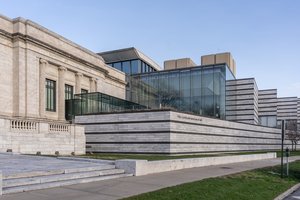
ჩიკაგოს ხელოვნების ინსტიტუტი, ჩიკაგოჩიკაგოს ხელოვნების ინსტიტუტი ჩიკაგო 2 General Juan Prim (1814-1870), Portrait of a Young Woman
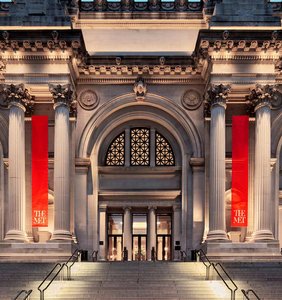
მეტროპოლიტენის ხელოვნების მუზეუმი, ნიუ-იორკიმეტროპოლიტენის ხელოვნების მუზეუმი ნიუ-იორკი 2 The spy, Salome
კლივল্যান্ডের ხელოვნების მუზეუმი, კლივლენდიკლივল্যান্ডের ხელოვნების მუზეუმი კლივლენდი 2 Self portrait, Seated african woman
Musée des Beaux-Arts de Dijon, დიჟონიMusée des Beaux-Arts de Dijon დიჟონი 1 The Spanish scoundrel
Musée de Grenoble, გრენობლიMusée de Grenoble გრენობლი 1 Still Life
National Gallery of Art, ვაშინგტონიNational Gallery of Art ვაშინგტონი 1 A Chief of Abyssinia

ენრი რენო ათწლეულების მიხედვით: ორიგინალი, რომელიც განსაზღვრავს თითოეულ მათგანს

ნამუშევრები ათწლეულების მიხედვით

შეარჩიეთ ათწლეული, რათა ნახოთ ის ორიგინალი ნამუშევარი, რომელიც მას განსაზღვრავს.

კოლექციონერთა კითხვები ენრი რენო-ის ნახატებზე

რა ნამუშწარესით არის ყველაზე ცნობილი ენრი რენო?გაამჟღავნეთ პასუხი

ავტომედონი აქილესის ცხેებით (1868), ბოსტონის fine arts-ის მუზეუმი, ბოსტონი. შემდეგ მოდიან General Juan Prim (1814-1870) (1868) და Portrait of a Young Woman (1863).

რამდენage იყო ენრი რენო, როდესაც შეიქმნა ავტომედონი აქილესის ცხેებით?გაამჟღავნეთ პასუხი

25 წლის: ავტომედონი აქილესის ცხેებით შექმნილია 1868 წელს, ხოლო ენრი რენო დაიბადა 1843 წელს.

რა არის ენრი რენო-ის ათ ყველაზე ცნობილი ნამუშწარები?გაამჟღავნეთ პასუხი

ავტომედონი აქილესის ცხેებით, General Juan Prim (1814-1870), Portrait of a Young Woman, Juan Prim, October 8, 1868, Orpheus in the Underworld, Presumed portrait of the artist's brother (23 June 1859), The Spanish scoundrel, Hassan Et Namouna, The madrilenian და Still Life. ზემოთ მოცემული რეიტინგი ასახავს თითოეულის შემოქმედების წელსა და მუზეუმს.

რამდენი სურათი დატოვა ენრი რენო-მა?გაამჟღავნეთ პასუხი

ჩვენს კატალოგში წარმოდგენილია 21 ნამუშწევრი ენრი რენო-ისგან, დათარიღებული 1859-დან 1870-მდე.

რომელ მუზეუმებშია და hangs ენრი რენო-ის შედევრული ნამუშევრები?გაამჟღავნეთ პასუხი

ძირითადად Musée d'Orsay (პარიზი), ბოსტონის fine arts-ის მუზეუმი (ბოსტონი) და ჩიკაგოს ხელოვნების ინსტიტუტი (ჩიკაგო)-ში. ზემოთ მოცემულ მუზეუმების ცხრილში ისინი ყველა listed.

მათ რომელ წლებში შექმნა ენრი რენო-მა ყველაზე ცნობილი ნამუშევრები?გაამჟღავნეთ პასუხი

1860s-ში: ამ გვერდზე წარმოდგენილი 21 ნამუშწარwerksიდან 10 შეიქმნა მაშინ, მათგან ავტომედონი აქილესის ცხેებით.

რა არის ენრი რენო-ის პირველი და ბოლო ცნობილი ორიგინალი?გაამჟღავნეთ პასუხი

ამ გვერდზე ყველაზე ადრეული არის Presumed portrait of the artist's brother (23 June 1859) (1859), ხოლო ყველაზე გვიანდელი — Hassan Et Namouna (1870).

რომელ თემებს ირჩევდა ენრი რენო ყველაზე ხშირად?გაამჟღავნეთ პასუხი

Man (9), Woman (5) და Portrait (3), ამ გვერდზე წარმოდგენილ 21 ნამუშწარეს შორის.

რომელ ტექნიკას იყენებდა ენრი რენო ყველაზე ხშირად?გაამჟღავნეთ პასუხი

Oil On Canvas, ამ გვერდზე არსებული 21 ნამუშწაროსგან 13 ცალიდან.

რა ხელოვნების მიმართულებას მიეკუთვნება ენრი რენო?გაამჟღავნეთ პასუხი

Romanticism, ამ გვერდზე წარმოდგენილი ორიგინალების მიხედვით.

ენრი რენო-ის რომელ ნამუშევრებს ნახავთ Musée d'Orsay-ში?გაამჟღავნეთ პასუხი

Juan Prim, October 8, 1868, Orpheus in the Underworld და Historical scene: Musée d'Orsay, პარიზი-ში წარმოდგენილია ამ გვერდზე მოცემული ნამუშევრების 4 ცალი.

ენრი რენო: ცხოვრება და შემოქმედება

A Brilliant Light Extinguished: The Life and Legacy of Henri Regnault

The history of nineteenth-century French art is often told through the lens of enduring movements, yet few figures embody the tragic intersection of immense promise and sudden loss as poignantly as Henri Regnault. Born in Paris in 1843 to the esteemed physicist Henri Victor Regnault, the young artist was raised within an atmosphere of intellectual rigor and scientific curiosity. This foundation of precision would later manifest in his breathtaking command over anatomical detail and light. His journey through the prestigious studios of Antoine Montfort, Louis Lamothe, and the celebrated Alexandre Cabanel provided him with a formidable academic toolkit, yet Regnault was never merely a student of tradition. He possessed an innate restlessness, a desire to push beyond the rigid boundaries of the École des Beaux-Arts to capture the visceral energy of the world around him.

Regnault’s ascent in the Parisian art world was nothing short of meteoric. The turning point of his early career arrived in 1866, when he secured the prestigious Prix de Rome. This triumph, achieved with his monumental work Thetis Bringing Vulcan’s Arms to Achilles, signaled the arrival of a master capable of blending classical grandeur with an unprecedented sense of movement and sculptural depth. While the award traditionally directed winners toward the study of antiquity in Italy, Regnault’s time in Rome and his travels through Spain and North Africa served to broaden his aesthetic horizons far beyond the classical canon. He found himself increasingly drawn to the Hispanophone-Italian school, a style that favored the materiality of life and the evocative power of capturing fleeting, everyday moments.

Mastery of the Dramatic and the Orientalist Vision

As his technique matured, Regnault’s work began to bridge the gap between academic precision and a burgeoning fascination with Orientalism and Spanish realism. He possessed a rare ability to infuse historical and biblical narratives with a contemporary, almost cinematic intensity. Nowhere is this more evident than in his most famous masterpiece, Salomé. Originally conceived as a portrait of an Italian model in Rome, the canvas underwent a dramatic transformation as Regnault expanded its scope, eventually completing it amidst the vibrant atmosphere of Tangier. The resulting painting is a sensory triumph; through disheveled hair, flowing drapery, and a palpable sense of tension, he captures the biblical temptress at the height of her seductive power, leaving viewers breathless with the sheer vitality of the brushwork.
His repertoire was remarkably diverse, reflecting a deep engagement with both the mythic and the mundane. His ability to oscillate between the epic scale of Greek mythology—seen in works like Automedon with the Horses of Achilles—and the intimate, atmospheric studies of Spanish shepherds demonstrates an artist who refused to be pigeonholed. Regnault’s eye was uniquely attuned to the dynamism of urban centers and the rugged beauty of foreign landscapes, seeking to portray humanity not as static figures in a vacuum, but as living beings caught within the swirling currents of their era. His work often featured:

  • Anatomical Precision: A profound understanding of the human form, inherited from his classical training.
  • Luminous Color Palettes: An ability to use light to create depth and emotional resonance.
  • Narrative Tension: The capacity to freeze a moment of high drama, making the mythological feel immediate and real.

A Tragic End and Lasting Significance

The trajectory of Regnault’s life was violently interrupted by the onset of the Franco-Prussian War. In a final, tragic act of devotion to his country, the artist laid down his brushes to take up arms. He fell on the field of battle in January 1871, at the tender age of twenty-seven. His death sent shockwaves through the Parisian art community, marking the loss of a talent that many believed would lead the next generation of French painters into a new era of brilliance.

Despite his short life, Regnault’s impact remains indelible. He stands as a pivotal figure who navigated the delicate transition between the structured traditions of the past and the expressive freedoms of the modern age. His works continue to captivate audiences in institutions such as The Metropolitan Museum of Art, serving as enduring testaments to a spirit that was as much about the pursuit of truth as it was about the pursuit of beauty. In the annals of art history, Henri Regnault remains a luminous star—a painter whose brief, intense flame left behind a glow that continues to illuminate the complexities of 19th-century realism and Orientalism.