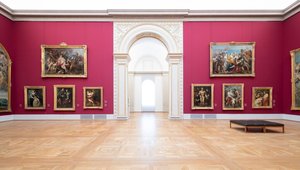
ჰანს ვერტინგერი პორტრეტი

17 ყველაზე ცნობილი ჰანს ვერტინგერი-ის ნახატი, თითოეული მათგანი უნიკალური

განახლდა ნოემბერი 2026 · დალაგებულია ჩვენი პოპულარობის ქულების მიხედვით (ძიება, ნახვა და შეკვეთები თითოეული ნამუშწაროსთვის) · 17 ნამუშევარი ჰანს ვერტინგერი ჩვენს კატალოგში

მოკლედ რომ ვთქვათ

Christoph von Laiming in His 59th Year (1517) არის ჰანს ვერტინგერი-ის ის ნამუშწარო, რომელიც ყველაზე მეტ ყურადღებას იქცევს; ორიგინალი იმყოფება ვიქტორია და ალბერტის მუზეუმი-ში, ლონდონი. ამის შემდეგ, მზერა გადადის The Court Jester known as "Knight Christoph" (1515)-სა და Portrait of William IV of Bavaria. (1526)-ზე. ჩვენს კატალოგში არსებული ჰანს ვერტინგერი-ის 17 ნამუშწაროდან ეს 17 ყველაზე ცნობილია; თითოეული მათგანი წარმოადგენს უნიკალურ ორიგინალს, რომელიც წარმოდგენილია წელით, მუზეუმითა და იმ მიზეზით, რის გამოც ის დღემდე ცოცხლობს.

1465 – 1533, ლანდშუტი Northern renaissance ყველაზე მეტი ნამشევრი: ბავარიის სახელმწიფო ფერწერის კოლექციები

ჰანს ვერტინგერი-ის 10 საუკეთესო ნამუშgeryო, გალერეის თcraftით

1
Christoph von Laiming in His 59th Year (1517) ავტორის: ჰანს ვერტინგერი

Christoph von Laiming in His 59th Year

Christoph von Laiming in His 59th Year, executed by Hans Wertinger in 1517, presents a formal likeness of a prominent figure from the Bavarian nobility. The sitter, Christoph von Laiming of Amerang (ca. 1460–1520), belonged to one of the region's oldest noble families. His position was defined by his service to the Wittelsbach dynasty; he acted as the principal servant and master of the household to Duke Ludwig X of…

2
The Court Jester known as "Knight Christoph" (1515) ავტორის: ჰანს ვერტინგერი

The Court Jester known as "Knight Christoph"

A man stands against a low stone wall, his body caught in a moment of poised tension. He is dressed in the heavy, structured finery of the early sixteenth century, wearing a doublet and hose that speak of high status and deliberate artifice. His cloak, lined with thick fur, falls in deep, weighted folds around his frame. He does not face the viewer directly; instead, he turns in a three-quarter…

3
Portrait of William IV of Bavaria. (1526) ავტორის: ჰანს ვერტინგერი

Portrait of William IV of Bavaria.

1526 · Oil On Panel · ალტერ პინაკოთეკა, მუნხენი

The Portrait of William IV of Bavaria is a formal depiction of the Duke of Bavaria, rendered in 1526 by the German painter Hans Wertinger. This work captures the presence of William IV, a man whose status is anchored in the heavy textures of his courtly attire. The portrait functions as a visual record of the Wittelsbach dynasty's dignity during the early sixteenth century.

4
Portrait of Margrave Bernhard III von Baden (1499) ავტორის: ჰანს ვერტინგერი

Portrait of Margrave Bernhard III von Baden

In the Portrait of Margrave Bernhard III von Baden by Hans Wertinger, the sitter occupies the space in a half-length composition, positioned slightly off-center. He turns his body in a three-quarter view, facing toward the right of the frame as if caught in a moment of quiet contemplation. A dark cap rests upon his head, and a heavy, dark cloak, lined with thick and textured fur, wraps around his shoulders.…

5
Sick Alexander the Great and his Physician Philippos (1517) ავტორის: ჰანს ვერტინგერი

Sick Alexander the Great and his Physician Philippos

1517 · Oil · National Gallery Prague, პრაღა

A heavy, crimson canopy hangs over the bed, casting a shadow across the pale skin of a dying king. Alexander lies amidst the weight of velvet and fur, his body surrendered to a fever that no conquest could conquer. The air in the room feels thick, crowded by the silent tension of those gathered in the dim light. Every fold of the drapery holds a deep, saturated red, a color…

6
Panel from a Series of Rural Scenes: Bathing and Slaughter (1520) ავტორის: ჰანს ვერტინგერი

Panel from a Series of Rural Scenes: Bathing and Slaughter

1520 · Oil On Panel · გერმანული ეროვნული მუზეუმი, ნირნბერგი

The composition is bisected by a stark, white architectural pillar, creating a sharp division between two modes of life. To the left, a sheltered, shadowed space houses a communal bathing scene. Figures gather around wooden tubs and benches, their forms rendered in muted skin tones and earthy browns. The atmosphere here is heavy and intimate, defined by the dim light of a timbered structure. To the right, the scene breaks…

7
Portrait of a Man (1530) ავტორის: ჰანს ვერტინგერი

Portrait of a Man

1530 · Oil On Panel · ბონეფანტენის მუზეუმი, მაასტრიხტი

The man sits in a quiet, heavy stillness, his presence commanding the space through a gaze that feels both direct and distant. He is a figure of authority, draped in the opulent textures of the 1530s, his status whispered through the very fabric of his attire. A deep red doublet catches the light, its silk sleeves appearing smooth and cool to the touch, while a heavy brown fur mantle rests…

8
The Boar Hunt (1527) ავტორის: ჰანს ვერტინგერი

The Boar Hunt

1527 · Oil On Panel · ბრუკლინის მუზეუმი, ბრუკლინი

In this oil on cradled panel, we find ourselves amidst a dense, wooded landscape where the quiet of the forest has been shattered by a sudden, violent encounter. The scene captures a contemporary boar hunt, a moment of high drama frozen in time. A wild boar lunges through the undergrowth, its dark, muscular form a stark contrast to the pale clothing of the hunters and the bright coats of their…

9
Portrait of the Count Palatine Johann III (1526) ავტორის: ჰანს ვერტინგერი

Portrait of the Count Palatine Johann III

The Portrait of the Count Palatine Johann III is a significant work by the German painter Hans Wertinger. Executed in 1526, this oil on panel portrait captures the likeness of Johann III of the Palatinate, who lived from 1488 to 1538. The subject is presented with a quiet, formal dignity that reflects his high social standing during the Northern Renaissance.

10
Count Palatine Philipp, Bishop of Freising (1515) ავტორის: ჰანს ვერტინგერი

Count Palatine Philipp, Bishop of Freising

The portrait titled Count Palatine Philipp, Bishop of Freising captures a man of quiet authority. This work was executed by the German painter and engraver Hans Wertinger. The subject is Philip of the Palatinate, a figure who held the office of Prince-Bishop of Freising from 1498 to 1541. He was a member of the House of Wittelsbach.

ჰანს ვერტინგერი-ის ცნობილი ნამუშევრები, 11-დან 17-მდე ნომრებით

სუბიექტები, რომლებმაც ჰანს ვერტინგერი-ის ყურადღება მიიპყრო

ამ ორიგინალებში ყველაზე ხშირად განმეორებადი არის 네 თემა, რომელთაგან თითოეულს თავისი საუკეთესო ნიმუში წარმოგვიდგება.

მუზეუმები, სადაც ჰანს ვერტინგერი-ის ორიგინალები ინახება

ამ გვერდზე წარმოდგენილი მხატვრობის შედეგების უმეტესობას 8 მუზეუმი ინახავს.

მუზეუმი ქალაქი ჰანს ვერტინგერი შემოქმედებაలు ამ სიიდან მოპოვებული ნახატები
ბავარიის სახელმწიფო ფერწერის კოლექციები, მუნხენიბავარიის სახელმწიფო ფერწერის კოლექციები მუნხენი 4 Portrait of Margrave Bernhard III von Baden, Portrait of the Count Palatine Johann III, Count Palatine Philipp, Bishop of Freising
ალტერ პინაკოთეკა, მუნხენიალტერ პინაკოთეკა მუნხენი 2 Portrait of William IV of Bavaria., Princess Maria Jacobäa
Reading Public Museum, რიდინგიReading Public Museum რიდინგი 2 Crucifixion, with Dr. Peter Baumgartner and His Family, Virgin and Christ Child, with Anna Von Trenbach and Family
ვიქტორია და ალბერტის მუზეუმი, ლონდონივიქტორია და ალბერტის მუზეუმი ლონდონი 1 Christoph von Laiming in His 59th Year
თისენ-ბორნემიმზას მუზეუმი, მადრიდითისენ-ბორნემიმზას მუზეუმი მადრიდი 1 The Court Jester known as "Knight Christoph"
National Gallery Prague, პრაღაNational Gallery Prague პრაღა 1 Sick Alexander the Great and his Physician Philippos
გერმანული ეროვნული მუზეუმი, ნირნბერგიგერმანული ეროვნული მუზეუმი ნირნბერგი 1 Panel from a Series of Rural Scenes: Bathing and Slaughter
ბონეფანტენის მუზეუმი, მაასტრიხტიბონეფანტენის მუზეუმი მაასტრიხტი 1 Portrait of a Man

ჰანს ვერტინგერი ათწლეულების განმავლობაში: თითოეულ დეკადესთვის ერთი უნიკალური ორიგინალი

ნამუშევრები ათწლეულების მიხედვით

შეარჩიეთ ათწლეული, რათა ნახოთ ის ორიგინალი ნამუშევარი, რომელიც მას განსაზღვრავს.

ჰანს ვერტინგერი-ის ნახატები: კითხვები გალერეისთვის

რა არის ჰანს ვერტინგერი-ის ყველაზე ცნობილი ნამუშწარებიდან ერთერთი?გაამჟღავნეთ პასუხი

Christoph von Laiming in His 59th Year (1517), ვიქტორია და ალბერტის მუზეუმი, ლონდონი. შემდეგ მოდიან The Court Jester known as "Knight Christoph" (1515) და Portrait of William IV of Bavaria. (1526).

რა ასაკში შექმნა ჰანს ვერტინგერი-მა Christoph von Laiming in His 59th Year?გაამჟღავნეთ პასუხი

52 წლის: Christoph von Laiming in His 59th Year შექმნილია 1517 წელს, ხოლო ჰანს ვერტინგერი დაიბადა 1465 წელს.

ჰანს ვერტინგერი-ის რომელი 열ათმე ნახატია ყველაზე ცნობილი?გაამჟღავნეთ პასუხი

Christoph von Laiming in His 59th Year, The Court Jester known as "Knight Christoph", Portrait of William IV of Bavaria., Portrait of Margrave Bernhard III von Baden, Sick Alexander the Great and his Physician Philippos, Panel from a Series of Rural Scenes: Bathing and Slaughter, Portrait of a Man, The Boar Hunt, Portrait of the Count Palatine Johann III და Count Palatine Philipp, Bishop of Freising. ზემოთ მოცემული რეიტინგი ასახავს თითოეულის შემოქმედების წელსა და მუზეუმს.

რამდენი ნამუშწარებია ცნობილი ჰანს ვერტინგერი-ის შემოქმედებიდან?გაამჟღავნეთ პასუხი

ჩვენს კატალოგში წარმოდგენილია 17 ნამუშწევრი ჰანს ვერტინგერი-ისგან, დათარიღებული 1499-დან 1530-მდე.

სად შეიძლება ყველაზე ცნობილი ჰანს ვერტინგერი-ის ორიგინალების ნახვა?გაამჟღავნეთ პასუხი

ძირითადად ბავარიის სახელმწიფო ფერწერის კოლექციები (მუნხენი), ალტერ პინაკოთეკა (მუნხენი) და Reading Public Museum (რიდინგი)-ში. ზემოთ მოცემულ მუზეუმების ცხრილში ისინი ყველა listed.

რა პერიოდში შექმნა ჰანს ვერტინგერი-მა ყველაზე ცნობილი სურათები?გაამჟღავნეთ პასუხი

1520s-ში: ამ გვერდზე წარმოდგენილი 17 ნამუშწარwerksიდან 6 შეიქმნა მაშინ, მათგან Portrait of William IV of Bavaria..

რომელი ცნობილი ჰანს ვერტინგერი ტილოა ყველაზე ადრეული და რომელი — ყველაზე გვიანდელი?გაამჟღავნეთ პასუხი

ამ გვერდზე ყველაზე ადრეული არის Portrait of Margrave Bernhard III von Baden (1499), ხოლო ყველაზე გვიანდელი — Portrait of a Man (1530).

რა თემებს ანიჭებდა უპირატესობას ჰანს ვერტინგერი?გაამჟღავნეთ პასუხი

Man (9), Landscape (5) და Jewelry (4), ამ გვერდზე წარმოდგენილ 17 ნამუშწარეს შორის.

რა მასალებით ხატავდა ყველაზე ხშირად ჰანს ვერტინგერი?გაამჟღავნეთ პასუხი

Oil On Panel, ამ გვერდზე არსებული 17 ნამუშწაროსგან 10 ცალიდან.

ჰანს ვერტინგერი-ის შემოქმედება რომელ მიმდინარეობას მიეკუთვნება?გაამჟღავნეთ პასუხი

Northern renaissance, ამ გვერდზე წარმოდგენილი ორიგინალების მიხედვით.

რა ჰანს ვერტინგერი-ის ორიგინალების ნახვა შემიძლია ბავარიის სახელმწიფო ფერწერის კოლექციები-ში?გაამჟღავნეთ პასუხი

Portrait of Margrave Bernhard III von Baden, Portrait of the Count Palatine Johann III და Count Palatine Philipp, Bishop of Freising: ბავარიის სახელმწიფო ფერწერის კოლექციები, მუნხენი-ში წარმოდგენილია ამ გვერდზე მოცემული ნამუშევრების 4 ცალი.

ჰანს ვერტინგერი: მხატვრის პორტრეტი

Hans Wertinger: A Master of Bavarian Court Art

Born in Landshut, Bavaria, around 1465 and tragically passing away in the same city in 1533, Hans Wertinger stands as a pivotal figure in the late 15th-century German art scene. While not a household name today, his prolific output—spanning woodcuts, panel paintings, and decorative designs—offers a remarkable glimpse into the artistic landscape of the Bavarian court during a period of significant political and cultural transformation. Wertinger’s career was inextricably linked to the powerful Wittelsbach dynasty, specifically Duke Ludwig X, and his influence extended far beyond simply fulfilling commissions; he became an integral part of the court's intellectual and aesthetic life.

Wertinger’s early training remains somewhat shrouded in mystery, though it is believed he received instruction within the workshops of prominent Nuremberg artists. However, it was his association with Ludwig X that truly shaped his artistic trajectory. Appointed as the Duke’s court painter in 1516, Wertinger quickly established himself as a versatile and highly sought-after artist. He wasn't merely a decorator; he was tasked with creating visual representations of the Duke’s power, piety, and intellectual pursuits – a demanding role that required both technical skill and astute political awareness.

A Diverse Artistic Portfolio

Wertinger’s artistic output is remarkably diverse, reflecting the multifaceted demands placed upon him by his royal patron. He excelled in several mediums, producing intricate woodcuts depicting biblical scenes, allegorical representations of the months of the year (a popular motif during this period), and elaborate panel paintings for altarpieces and private chapels. His work frequently incorporated rich decorative elements – garlands, heraldic symbols, and classical motifs – demonstrating a sophisticated understanding of visual rhetoric and courtly aesthetics.

  • Woodcuts: Wertinger’s woodcut prints are particularly noteworthy for their clarity, detail, and expressive quality. These images often served as didactic tools, conveying religious narratives to a largely illiterate population.
  • Panel Paintings: His panel paintings, such as the magnificent “Crucifixion with Saints and Donor” (available as a hand-painted reproduction on OriginalUniqueArt.com), showcase his mastery of color, composition, and perspective. These works frequently depict scenes from the Bible or portray saints, often incorporating elements of courtly life and symbolism.
  • Decorative Designs: Wertinger’s contributions to the decoration of Ludwig X's palace at Burg Trausnitz were extensive, including stained glass designs, wall murals, and furnishings. These projects demonstrate his ability to integrate seamlessly into a broader architectural and artistic context.

A prime example of Wertinger’s skill is “King Alexander and his physician Philip,” currently housed in the National Gallery in Prague. This portrait exemplifies his signature style – a combination of realistic depiction and elaborate decorative framing, reflecting the opulent tastes of the Bavarian court. His later work, like "Crucifixion, with Dr. Peter Baumgartner and His Family," further demonstrates his ability to imbue religious scenes with intimate human drama.

Influences and Artistic Style

Wertinger’s artistic style is often described as a synthesis of late Gothic and early Renaissance influences. He inherited the meticulous detail and rich color palette characteristic of German Late Gothic art, while simultaneously embracing elements of perspective and naturalism that were gaining prominence in Italy. His work reflects the humanist ideals prevalent at the Bavarian court, particularly the interest in classical antiquity and the study of human anatomy.

The influence of Dietrich von Plieningen, a prominent humanist scholar and advisor to Duke Ludwig X, is also evident in Wertinger’s artistic output. The two collaborated on several projects, including illuminated manuscripts and historical paintings, demonstrating a shared commitment to both artistic excellence and intellectual inquiry.

Historical Significance

Hans Wertinger's legacy lies not only in the beauty of his individual works but also in his role as a key figure in shaping the visual culture of the Bavarian court during a pivotal period of German history. His art provides valuable insights into the political, religious, and intellectual currents that defined the late 15th century. His work stands as a testament to the power of patronage and the enduring appeal of artistic expression within the context of royal courts.

Explore stunning hand-painted reproductions of Hans Wertinger’s masterpieces today on OriginalUniqueArt.com – bringing these remarkable works of art into your home or office.