გიულა ტორნაი პორტრეტი

გიულა ტორნაი-ის ნახატები: 39 ყველაზე ცნობილი ნამუშევარი, গალერეის თcraftით

განახლდა ნოემბერი 2026 · დალაგებულია ჩვენი პოპულარობის ქულების მიხედვით (ძიება, ნახვა და შეკვეთები თითოეული ნამუშწაროსთვის) · 40 ნამუშევარი გიულა ტორნაი ჩვენს კატალოგში

მოკლედ რომ ვთქვათ

გალერეის თვალს, გიულა ტორნაი-ის ყველაზე ცნობილი ნამუშწაროა The Favourite Of The Harem. The Artist’s Mother (1884) და Geisha ქმნიან იმ ტრიოს, რომელიც ყველამ იცნობს. ჩვენს კატალოგში არსებული გიულა ტორნაი-ის 40 ნამუშწაროდან, გალერეა ქვემოთ წარმოგიდგენთ 39 ყველაზე ცნობილ მათგანს; თითოეული მათგანი არის ორიგინალი, რომლის აღწერა მოიცავს შემოქმედების წელს, მუზეუმს და იმ დეტალებს, რაც მას უნიკალურს ხდის.

1861 – 1928, სპიშსკჰრჰოვი Orientalism ყველაზე მეტი ნამشევრი: უნგრეთის ეროვნული გალერეა

გალერეის გიულა ტორნაი 10 საუკეთესო ნამი에도

1
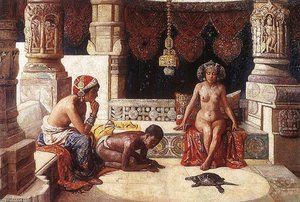
The Favourite Of The Harem ავტორის: გიულა ტორნაი

The Favourite Of The Harem

Oil On Canvas

The artwork is titled The Favourite Of The Harem. This oil on canvas is attributed to the Hungarian painter Gyula Tornai. The piece presents a scene within an opulent setting, characterized by detailed carvings and various furnishings. The composition includes several figures positioned throughout a lavishly decorated room.

2
The Artist’s Mother (1884) ავტორის: გიულა ტორნაი

The Artist’s Mother

1884 · Black and White Photography · უნგრეთის ეროვნული გალერეა, ბუდაპეშტი

In "The Artist’s Mother" by Gyula Tornai, a black and white photograph captures a quiet, candid moment from about 1884. The medium close-up focuses on two figures caught in a private exchange. On the left, a man is seen in profile, his body angled toward his companion. He raises his right hand in a gesture, perhaps mid-sentence or mid-song. Opposite him, a woman faces him, her expression softened by a…

გიულა ტორნაი-ის ნახატები, რეიტინგით 11-დან 39-მდე

სუბიექტები, რომლებმაც გიულა ტორნაი-ის ყურადღება მიიპყრო

ამ ორიგინალებში ყველაზე ხშირად განმეორებადი არის 네 თემა, რომელთაგან თითოეულს თავისი საუკეთესო ნიმუში წარმოგვიდგება.

მუზეუმები, სადაც გიულა ტორნაი-ის ორიგინალები ინახება

ამ გვერდზე წარმოდგენილი მხატვრობის შედეგების უმეტესობას 2 მუზეუმი ინახავს.

მუზეუმი ქალაქი გიულა ტორნაი შემოქმედებაలు ამ სიიდან მოპოვებული ნახატები
უნგრეთის ეროვნული გალერეა, ბუდაპეშტიუნგრეთის ეროვნული გალერეა ბუდაპეშტი 3 The Artist’s Mother, The Yard of the Church at Dilvára, The Artist’s Father
Gardiner Museum of Ceramic Art, TorontoGardiner Museum of Ceramic Art Toronto 1 Box Decorated with Playing Putti

გიულა ტორნაი, ყოველი წლის გამორჩეული ნამუშევრები

ამ გვერდზე წარმოდგენილი გიულა ტორნაი-ის ყველა დათარიღებული ორიგინალი შექმნილია 1884 წელს: აი ისინი, ყველაზე ცნობილები პირველები.

ნამუშევრები წლების მიხედვით

შეარჩიეთ წელი ორიგინალების სანახავად.

გიულა ტორნაი-ის ნახატები: გალერეის პასუხები

რომელი გიულა ტორნაი ტილოა ყველაზე ცნობილი?გაამჟღავნეთ პასუხი

The Favourite Of The Harem. შემდეგ მოდიან The Artist’s Mother (1884) და Geisha.

რომელია გიულა ტორნაი-ის 10 საუკეთესო ნამუშწარო?გაამჟღავნეთ პასუხი

The Favourite Of The Harem, The Artist’s Mother, Geisha, Box Decorated with Playing Putti, A Street Musician, The Oriental Lute Player, In The Harem, An Oriental Man With A Copper Bowl, The Moorish Smoker და Portrait of jaroslava the artists daughter. ზემოთ მოცემული რეიტინგი ასახავს თითოეულის შემოქმედების წელსა და მუზეუმს.

რამდენიმე ნამუშწარები შექმნა გიულა ტორნაი-მა?გაამჟღავნეთ პასუხი

ჩვენს კატალოგში წარმოდგენილია 40 ნამუშgery გიულა ტორნაი-ისგან.

სად hanging გიულა ტორნაი-ის ყველაზე ცნობილი ორიგინალები?გაამჟღავნეთ პასუხი

ძირითადად უნგრეთის ეროვნული გალერეა (ბუდაპეშტი) და Gardiner Museum of Ceramic Art (Toronto)-ში. ზემოთ მოცემულ მუზეუმების ცხრილში ისინი ყველა listed.

რომელ თემებს მიმართავდა გიულა ტორნაი ყველაზე ხშირად?გაამჟღავნეთ პასუხი

Woman (2), Man (2) და Nude figure (2), ამ გვერდზე წარმოდგენილ 39 ნამუშწარეს შორის.

რომელ მიძღვნასთან არის დაკავშირებული გიულა ტორნაი?გაამჟღავნეთ პასუხი

Orientalism, ამ გვერდზე წარმოდგენილი ორიგინალების მიხედვით.

რომელი გიულა ტორნაი-ის ორიგინალები ინახავს უნგრეთის ეროვნული გალერეა?გაამჟღავნეთ პასუხი

The Artist’s Mother, The Yard of the Church at Dilvára და The Artist’s Father: უნგრეთის ეროვნული გალერეა, ბუდაპეშტი-ში წარმოდგენილია ამ გვერდზე მოცემული ნამუშევრების 3 ცალი.

გიულა ტორნაი: მხატვარი

Gyula Tornai: Life and Legacy

Early Life and Education

  • Born: 1861 in Görgö, Hungary (now Spišský Hrhov, Slovakia).
  • Gyula Tornai received his foundational art education at prestigious academies in Vienna and Munich.
  • He further honed his skills under the guidance of Hans Makart and Gyula Benczúr at Benczúr's Studios in Budapest. This period significantly shaped his early artistic style.
  • His initial works focused on popular, everyday themes, reflecting a traditional approach to genre painting.

Artistic Development and Influences

  • Early Style: Tornai’s early paintings were heavily influenced by Hans Makart's style – known as “Makartstil” in German – characterized by opulent detail and dramatic compositions.
  • Shift to Orientalism: Travel played a crucial role in his artistic evolution. Journeys to Spain, Algeria, and particularly Morocco sparked a profound shift towards Orientalist themes.
  • He spent ten years immersed in North African culture, including a year living in Tangiers (1890-1891), which deeply informed his depictions of street life, merchants, musicians, and harem scenes.

Travels to the Far East and Patronage

  • Expanding Horizons: In 1905, Tornai embarked on a transformative journey to the Far East, extending his Orientalist interests to India and Japan.
  • Count Okuma’s Patronage: Upon arriving in Japan, he painted a portrait of Count Okuma, the former Prime Minister, who became a significant patron. This patronage granted Tornai unprecedented access to Japanese society and culture.
  • This unique position allowed him to explore Buddhism and Shintoism in depth, enriching his artistic understanding and representation of Japanese life.
  • Notable Works from Japan: During his 16-month stay, he created paintings such as “A Japanese Princess Going to Church,” “Geisha,” “The Geisha House,” and “The Samurai Warrior.”

Recognition and Major Achievements

  • Exposition Universelle (1900): Tornai achieved international acclaim at the Exposition Universelle in Paris, winning a bronze medal for his work.
  • Exhibitions: His paintings were exhibited in Paris and London (1907), Budapest’s Műcsarnok (1909), and the National Salon (1917).
  • Posthumous Exhibition (1929): An exhibition of his legacies was organized by an auction hall following his death.
  • Critical Reception: Contemporary critics praised his works for their vibrant colors, appreciation of Eastern aesthetics, irony, humor and wit. His painting “The Connoisseurs” is a prime example of this unique approach.

Historical Significance and Legacy

  • Orientalist Contribution: Gyula Tornai’s work significantly contributed to the Orientalist movement, offering fresh perspectives on Eastern cultures through a European lens.
  • Hungarian National Gallery: Several of his paintings are now held in the Hungarian National Gallery, solidifying his place in Hungarian art history.
  • Unique Perspective: Tornai’s ability to blend exotic themes with humor and insightful observations set him apart from other Orientalist painters. He didn't merely depict the East; he offered a nuanced commentary on it.
  • Death: Gyula Tornai passed away in 1928, leaving behind a rich artistic legacy that continues to captivate audiences today.