1

ვისლჯეკი
სრულიად წველიანი

განახლდა ნოემბერი 2026 · დალაგებულია ჩვენი პოპულარობის ქულების მიხედვით (ძიება, ნახვა და შეკვეთები თითოეული ნამუშწაროსთვის) · 223 ნამუშევარი ჯორჯ სტაბსი ჩვენს კატალოგში
მოკლედ რომ ვთქვათ
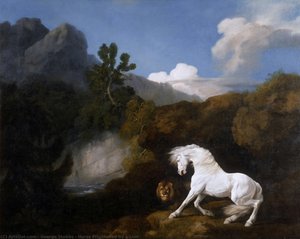
ვისლჯეკი (1762) არის ჯორჯ სტაბსი-ის ის ნამუშწარო, რომელიც ყველაზე მეტ ყურადღებას იქცევს; ორიგინალი იმყოფება ნაციონალური გალერეა-ში, ლონდონი. ამის შემდეგ, მზერა გადადის ლომი ცხენზე თავდასხმა (1765)-სა და ყავისფერი მონადირე ორი სპანიელის თანხლებით (1777)-ზე. ჩვენს კატალოგში არსებული ჯორჯ სტაბსი-ის 223 ნამუშწაროდან ეს 100 ყველაზე ცნობილია; თითოეული მათგანი წარმოადგენს უნიკალურ ორიგინალს, რომელიც წარმოდგენილია წელით, მუზეუმითა და იმ მიზეზით, რის გამოც ის დღემდე ცოცხლობს.
სრულიად წველიანი
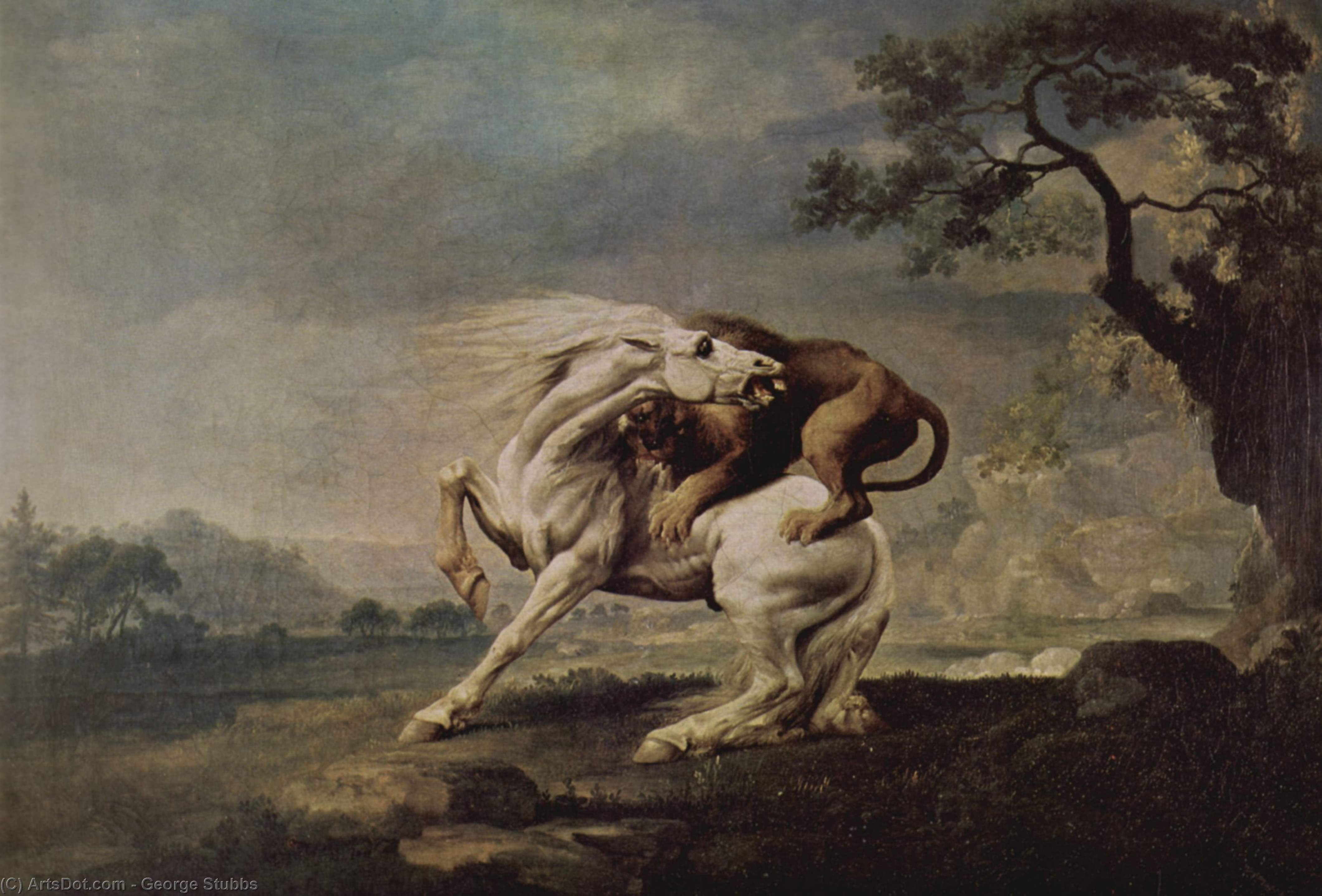
ჯორჯ სტობსის "ლომი და ცხენმა" არის გამაოგნებელი ტილო, რომელიც ტრაგიკულად აღწევს ორი დიდებული ცხოველს შორის მძიმე ბრძოლას. ეს ნაწარმოები, შესრულებულია ოსტატურად დეტალურად და გრძნობრივი სიღრმით, სტობსის შემოქმედებაში გამორჩეული ადგილი უკავია. ტილოში ჩანს მხატვრის უნარი რეალიზმის შერწყმისა და რომანტიზმის ელფებით, რაც მას განსაკუთრებულმა ხასიათი აძლევს.

ჯორჯ სტაბსის შედევრი, "A Bay Hunter With Two Spaniels", 1777 წლის ნაწარმოები, არის ინგლისური მხატვრული ხელოვნების შესანიშნავი მაგალითი. ეს ტილო არა მხოლოდ ცხოველების გამაოგნებელად ზუსტ აღებას გვთავაზობს, არამედ ეპოქის სულისკვეთებასაც ასახავს – სიმშვიდისა და ძალის ჰარმონიას, რომელიც თითქმის გრძნობდება. მოცულობითი მფრინავი, ღია ყავისფერი ცხენმა, რომელსაც ორი მხეცოვანი სპანიელი ახლავს, დამთვალიერებელს თავისი ელეგანტურობითა და დიდებით აინთქმევინებს.

To behold “The Grosvenor Hunt,” painted in 1762 by the prodigious George Stubbs, is to step directly into the heart of eighteenth-century British society – a world where sport and tradition intertwined with an almost reverent appreciation for the natural world. This remarkable oil painting transcends mere depiction; it’s a vibrant tableau of leisure, skill, and the enduring human connection to the animal kingdom. The scene unfolds within a landscape…

George Stubbs’s “Tiger,” painted in 1771, isn’t merely a depiction of an animal; it's a visceral exploration of power, instinct, and the sublime. This oil painting, now housed within the collections of Google Arts & Culture, immediately commands attention with its dramatic composition and masterful use of light and shadow. The scene unfolds within a shadowy forest, a carefully constructed stage for the tiger’s predatory grace – a creature rendered…

George Stubbs's "Horse Frightened by a Lion," painted in 1770, isn’t merely a depiction of animals; it’s a visceral exploration of primal fear and the raw power of nature. This monumental oil painting, measuring an impressive 1261 x 1001 cm, commands attention with its masterful use of chiaroscuro – the dramatic interplay of light and shadow – characteristic of the Baroque period yet imbued with a distinctly Romantic sensibility. The…

In the grand tradition of British sporting art, few works command the room with as much raw vitality and anatomical precision as George Stubbs’s Whistlejacket. Painted in 1762, this monumental canvas transcends the boundaries of a mere portrait, offering instead a breathtaking study of power, grace, and kinetic energy. The subject, a magnificent bay Thoroughbred, is captured in a moment of suspended animation, galloping across a space that feels both…

George Stubbs' "Lord Grosvenor’s Arabian Stallion with a Groom," painted in 1765, isn’t merely a portrait; it’s a meticulously crafted tableau vivant—a snapshot of aristocratic leisure and the profound connection between man and beast. Stubbs, already recognized as the foremost painter of horses of his era, transcends simple representation, instead offering a deeply considered study of anatomy, movement, and psychological nuance. This work exemplifies his pioneering approach to animal painting,…

Subject and Composition The canvas opens to a dramatic tableau in which a lion, the undisputed monarch of the savannah, has seized a stag mid‑flight. The predator’s muscular frame dominates the foreground, its jaws poised as if about to deliver the decisive bite. Below, the stag’s antlers curl like twisted branches, its body caught in a moment of frantic escape. A solitary bird perches on a branch near the upper…

To gaze upon this depiction of a man mounted on his magnificent steed is to be swept away by the very energy of the late eighteenth century. George Stubbs, master chronicler of equine grace and human dignity, captures a moment brimming with aristocratic vitality. The central figure, the titular Baronet, commands attention not merely through his striking red jacket—a bold splash of color against the muted tones of the background—but…
 A Lion attacking a Horse1770 · იეილის უნივერსიტეტის სახელოვნებო გალერეა
12
 Lion Devouring a Horse1763 · Tate Gallery
13
 Horse Devoured by a Lion1763 · Tate Britain
14
 Foxhound1760 · Yale Center for British Art
15
 The Fall of Phaëton1777 · National Trust
16
 Study of a Fowl, Lateral View, with skin and underlying fascial layers removed, from 'A Comparative Anatomical Exposition of the Structure of the Human Body with that of a Tiger and a Common Fowl'Yale Center for British Art
17
 Freeman, The Earl of Clarendon's Gamekeeper, with a Dying Doe and Hound1800 · Yale Center for British Art
18
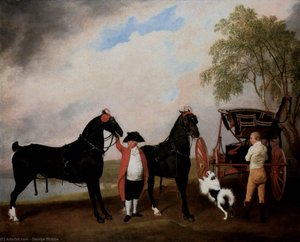 Prince of Wales Phaeton1793
19
 Studies for or after "The third Duke of Richmond with the Charleton Hunt"1750 · Yale Center for British Art
20
 A Dark Bay Thoroughbred in a Landscape1762
21
 King Charles Spaniel1769
22
 ლინკოლნის ოქს1790 · Walker Art Gallery
23
 'Molly Long Legs' with Her Jockey1762 · Walker Art Gallery
24
 Reaper1795 · Yale Center for British Art
25
 Captain Samuel Sharpe Pocklington with His Wife, Pleasance, and possibly His Sister, Frances1769 · National Gallery of Art
26
 Mares and Foals in a River Landscape1768
27
 Viscount Gormanston's White Dog1781
28
 Margaret Newton (née Coningsby), Countess of Coningsby in the Costume of the Charlton Hunt1760 · Yale Center for British Art
29
 Self-Portrait1759 · Yale Center for British Art
30
 Horse Attacked by a Lion (Episode C)1768 · Yale Center for British Art
31
 White Poodle in a Punt1780 · National Gallery of Art
32
 Viscount Gormanston's White Dog - George Stubbs2026
33
 James Stanley1755
34
 Two gentlemen going a shooting, with a view of Creswell Crags1767 · ვარშავის ეროვნული მუზეუმი
35
 Two Gentlemen Going a Shooting, with a View of Creswell Crags, Taken on the Spot1767 · Yale Center for British Art
36
 Two Gentlemen Shooting1769 · ბელგიის სახვით ხელოვნების სამეფო მუზეუმები
37
 John Christian Santhague (d1. 821)1782 · Royal Collection
38
 Sir Sidney Medows (1701-92)1778 · Royal Collection
39
 Phaeton with a Pair of Cream Ponies and a Stable-Lad1780 · Yale Center for British Art
40
 George IV (1762-1830), when Prince of Wales1791 · Royal Collection
41
 A Bay Horse with a Groom1791 · Royal Collection
42
 Portrait of a Gentleman1791 · Royal Collection
43
 Lion and Lione1770 · Yale Center for British Art
44
 Self-Portrait1775
45
 Cheetah with two Indian servants and a deer1765
46
 The Marquess of Rockingham's Arabian Stallion1780 · შოტლანდიის ეროვნული გალერეა
47
 Pavian and Albino Makake1780
48
 The Marquess of Rockingham1780 · შოტლანდიის ეროვნული გალერეა
49
 George Stubbs1781 · National Portrait Gallery
50
 Hound Coursing a Stag1762 · ფილადელფიის ხელოვნების მუზეუმი
51
 Horse Attacked by a Lion1762
52
 Greenland Falcon1780 · Yale Center for British Art
53
 Isabella Salstonstall as Una in Spenser's 'Faerie Queene'1782 · Fitzwilliam College
54
 Study of the Human Figure, Anterior View, from 'A Comparative Anatomical Exposition of the Structure of the Human Body with that of a Tiger and a Common Fowl'Yale Center for British Art
55
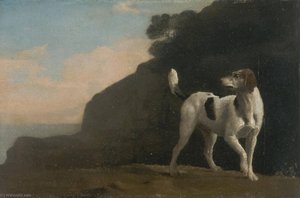 A Foxhound1760 · Yale Center for British Art
56
 A Gentleman driving a Lady in a Phaeton1787
57
 The Farmer's Wife and the Raven, from John Gay's 'Fables'1786 · Yale Center for British Art
58
 Gimcrack with John Pratt up on Newmarket Heath1765 · Fitzwilliam College
59
 'Lustre' Held by a Groom1762 · Yale Center for British Art
60
 The Moose
61
 James Stanley (b.c.1722)1755 · Walker Art Gallery
62
 A Chestnut Racehorse
63
 Lord and Lady in a Phaeton1787 · ნაციონალური გალერეა
64
 ჯორჯ ფოთერილი იორკისელი1746 · Ferens Art Gallery
65
 Bulls Fighting1786 · Yale Center for British Art
66
 Labourers1761 · Yale Center for British Art
67
 James Stanley1755 · Walker Art Gallery
68
 The Milbanke and Melbourne Families1769 · ნაციონალური გალერეა
69
 Joseph Smyth Esquire, Lieutenant of Whittlebury Forest, Northamptonshire, on a Dapple Grey Horse1764 · Fitzwilliam College
70
 Harvest1785
71
 Portrait of a dark brown and white Newfoundland spaniel1743
72
 Untitled (Hound Chasing a Hare)1765 · Auckland Art Gallery Toi o Tāmaki
73
 Horse Frightened by a Lion1762 · Yale Center for British Art
74
 Turf, with Jockey up, at Newmarket1765 · Yale Center for British Art
75
 Newmarket Heath, with a Rubbing-down House1765 · Yale Center for British Art
76
 Mares and Foals in a Wooded Landscape1762
77
 Horse Attacked by a Lion1765
78
 Cheetah and Stag with Two Indians1765
79
 Lord Grosvenor's Arabian Stallion with a Groom1765
80
 Newmarket Heath, with a Rubbing Down House1765
81
 Mares and foals are anxious before a looming storm1765
82
 Frontal view of the skeleton of a horse, study No. 10 from 'The Anatomy of the Horse'1766
83
 A Repose after Shooting1770 · Yale Center for British Art
84
 Portrait of John Nelthorpe as a child1775
85
 Pumpkin with a Stable Lad1774
86
 'Pumpkin'1773 · Ascott House
87
 Portrait of a Huntsman1768
88
 The Moose1773 · The Hunterian Museum and Art Gallery
89
 Mares and Foals under an Oak Tree1775
90
 Mares and Foals in a Mountainous Landscape1769
91
 Lady Reading in a Wooded Park1770
92
 A Horse Frightened by a Lion1770
93
 Otho, with John Larkin up1768
94
 Portrait of Isabella Saltonstall1775
95
 The Third Duke of Dorset's Hunter with a Groom and a Dog1768 · მეტროპოლიტენის ხელოვნების მუზეუმი
96
 Mother and Child1774
97
 Lion and Lioness1771 · ბოსტონის fine arts-ის მუზეუმი
98
 A Lion and Tiger1779 · Walker Art Gallery
99
 Lord Clanbrassil with Hunter Mowbrary1769 · The Vestey Gallery of British Sporting Art
100
 Firetail with his Trainer by the Rubbing-Down House on Newmarket Heath1773 · იზიკოს სამხრეთ აფრიკის ეროვნული გალერეა
ამ ორიგინალებში ყველაზე ხშირად განმეორებადი არის 네 თემა, რომელთაგან თითოეულს თავისი საუკეთესო ნიმუში წარმოგვიდგება.
ამ გვერდზე წარმოდგენილი მხატვრობის შედეგების უმეტესობას 8 მუზეუმი ინახავს.
| მუზეუმი | ქალაქი | ჯორჯ სტაბსი შემოქმედებაలు | ამ სიიდან მოპოვებული ნახატები |
|---|---|---|---|
 Yale Center for British Art |
ნიუ-ჰეივენი | 33 | A Lion Attacking a Stag, Baronet, Foxhound |
 Walker Art Gallery |
ლივერპული | 9 | Horse Frightened by a Lion, ლინკოლნის ოქს, 'Molly Long Legs' with Her Jockey |
 Royal Collection |
ლონდონი | 16 | John Christian Santhague (d1. 821), Sir Sidney Medows (1701-92), George IV (1762-1830), when Prince of Wales |
 ნაციონალური გალერეა |
ლონდონი | 4 | ვისლჯეკი, Lord and Lady in a Phaeton, The Milbanke and Melbourne Families |
 Fitzwilliam College |
Cambridge | 3 | Isabella Salstonstall as Una in Spenser's 'Faerie Queene', Gimcrack with John Pratt up on Newmarket Heath, Joseph Smyth Esquire, Lieutenant of Whittlebury Forest, Northamptonshire, on a Dapple Grey Horse |
 National Gallery of Art |
ვაშინგტონი | 2 | Captain Samuel Sharpe Pocklington with His Wife, Pleasance, and possibly His Sister, Frances, White Poodle in a Punt |
 შოტლანდიის ეროვნული გალერეა |
ედინბურგი | 2 | The Marquess of Rockingham's Arabian Stallion, The Marquess of Rockingham |
 Tate Gallery |
ლონდონი | 2 | Lion Devouring a Horse |
შეარჩიეთ ათწლეული, რათა ნახოთ ის ორიგინალი ნამუშევარი, რომელიც მას განსაზღვრავს.

George Stubbs și Portretul lui George Fothergill – O Simfonie în Lumină și Textură Este vorba despre o operă impresionantă realizată de George Stubbs, unul dintre cei mai mari pictori englezi ai secolului XVIII, iar anul creației sale este 1746. Acest portret monumental nu doar că surprinde fizicul unui bărbat important din vremea sa – George Fothergill – ci și reprezintă o adevărată mărturie a stilului artistic și tehnic al…

We are looking at Studies for or after "The third Duke of Richmond with the Charleton Hunt", a work by George Stubbs. Created in the late 1750s, this piece offers a glimpse into the artist's preparatory process. It functions as an alternative title for Huntsman with a Grey Hunter and Two Foxhounds: details from the Goodwood 'Hunting' picture. The work provides a focused look at specific elements intended for a…
ჯორჯ სტაბსის შედევრი, "A Bay Hunter With Two Spaniels", 1777 წლის ნაწარმოები, არის ინგლისური მხატვრული ხელოვნების შესანიშნავი მაგალითი. ეს ტილო არა მხოლოდ ცხოველების გამაოგნებელად ზუსტ აღებას გვთავაზობს, არამედ ეპოქის სულისკვეთებასაც ასახავს – სიმშვიდისა და ძალის ჰარმონიას, რომელიც თითქმის გრძნობდება. მოცულობითი მფრინავი, ღია ყავისფერი ცხენმა, რომელსაც ორი მხეცოვანი სპანიელი ახლავს, დამთვალიერებელს თავისი ელეგანტურობითა და დიდებით აინთქმევინებს.

A white dog occupies the center of this 1781 composition, positioned with its head turned upward and its gaze directed toward something outside the frame. The animal's coat is primarily white, though it features specific dark markings that define its form. It stands upon a ground of muted tones, set against a landscape composed of trees and distant mountains. In the upper portion of the scene, a single bird is…
To gaze upon this depiction of a man mounted on his magnificent steed is to be swept away by the very energy of the late eighteenth century. George Stubbs, master chronicler of equine grace and human dignity, captures a moment brimming with aristocratic vitality. The central figure, the titular Baronet, commands attention not merely through his striking red jacket—a bold splash of color against the muted tones of the background—but…

In this 1800 composition, we find ourselves drawn into a dense woodland setting where the air feels heavy with the stillness of the forest. At the center of this scene is Thomas Freeman, the Earl of Clarendon’s gamekeeper, caught in a moment of profound solemnity. He holds the limp, wounded body of a doe, his hunting knife poised as he contemplates the end of a life. Beside him, a staghound…
ვისლჯეკი (1762), ნაციონალური გალერეა, ლონდონი. შემდეგ მოდიან ლომი ცხენზე თავდასხმა (1765) და ყავისფერი მონადირე ორი სპანიელის თანხლებით (1777).
38 წლის: ვისლჯეკი შექმნილია 1762 წელს, ხოლო ჯორჯ სტაბსი დაიბადა 1724 წელს.
ვისლჯეკი, ლომი ცხენზე თავდასხმა, ყავისფერი მონადირე ორი სპანიელის თანხლებით, გროსვ너ის თხეპვა (Grosvenorish Tkhepva), Tiger, Horse Frightened by a Lion, Whistlejacket, Lord Grosvenor, A Lion Attacking a Stag და Baronet. ზემოთ მოცემული რეიტინგი ასახავს თითოეულის შემოქმედების წელსა და მუზეუმს.
ჩვენს კატალოგში წარმოდგენილია 223 ნამუშწევრი ჯორჯ სტაბსი-ისგან, დათარიღებული 1743-დან 1800-მდე.
ძირითადად Yale Center for British Art (ნიუ-ჰეივენი), Walker Art Gallery (ლივერპული) და Royal Collection (ლონდონი)-ში. ზემოთ მოცემულ მუზეუმების ცხრილში ისინი ყველა listed.
1760s-ში: ამ გვერდზე წარმოდგენილი 100 ნამუშწარwerksიდან 44 შეიქმნა მაშინ, მათგან ვისლჯეკი.
ამ გვერდზე ყველაზე ადრეული არის Portrait of a dark brown and white Newfoundland spaniel (1743), ხოლო ყველაზე გვიანდელი — Freeman, The Earl of Clarendon's Gamekeeper, with a Dying Doe and Hound (1800).
Landscape (26), Horse (23) და Horses (13), ამ გვერდზე წარმოდგენილ 100 ნამუშწარეს შორის.
Oil On Canvas, ამ გვერდზე არსებული 100 ნამუშწაროსგან 39 ცალიდან.
Romanticism, ამ გვერდზე წარმოდგენილი ორიგინალების მიხედვით.
A Lion Attacking a Stag, Baronet და Foxhound: Yale Center for British Art, ნიუ-ჰეივენი-ში წარმოდგენილია ამ გვერდზე მოცემული ნამუშევრების 24 ცალი.
Liverpool, United Kingdom, 1724. George Stubbs enters the world as the son of John Stubbs, a currier, or leather-dresser, and Mary. His childhood is spent within the confines of the family business, handling hides and tools. This early exposure to the physical properties of animal skins provides a tactile foundation for a developing curiosity. By the age of 15, the pull toward visual representation becomes impossible to ignore. He begins his artistic path not through formal academies, but through a relentless, self-directed drive to understand the mechanics of life.
The path is uneven. A brief apprenticeship under Hamlet Winstanley, a painter and engraver from Lancashire, offers a glimpse into the professional trade, but it remains a short chapter. Stubbs seeks something more rigorous than mere imitation. He moves toward York, where the focus shifts from surface appearance to internal structure. Under the guidance of surgeon Charles Atkinson at York County Hospital, he begins a deep study of anatomy. This period of dissection transforms his approach, turning the artist into a student of the skeletal and muscular systems.
He remains largely self-taught, building his technical proficiency by observing the work of 18th-century contemporaries. He absorbs the methods of great artists like Joshua Reynolds and Thomas Gainsborough, yet his focus remains anchored in the scientific. He does not merely want to paint a subject; he wants to understand the tension of the sinew and the placement of the bone beneath the skin. This intersection of the surgical and the aesthetic defines his early development.
Success arrives through the doors of the English aristocracy. By 1759, the 3rd Duke of Richmond commissions three large pictures, a move that secures Stubbs's professional standing. His ability to render the physical reality of animals quickly attracts the attention of leading aristocratic patrons. He moves from the periphery of the art world into the inner circles of the elite, producing works for several dukes and lords. This steady stream of high-status commissions provides the financial stability required to establish a permanent presence in the capital. He eventually purchases a house in Marylebone, London, where he remains for the rest of his life.
The demand for his specific expertise extends to the highest levels of society, as he enjoys royal patronage. His reputation is built on the ability to satisfy the specific desires of owners who view their horses as symbols of status. These patrons seek more than mere likenesses; they require the anatomical precision that Stubbs provides. His workshop becomes a site of significant production, catering to the tastes of a class obsessed with equestrian excellence and the breeding of fine animals.
Stubbs operates at the intersection of scientific inquiry and fine art. His approach relies on a pioneering realism rooted in the physical reality of the animal form. By combining anatomical exactitude with expressive details, he moves beyond mere likeness to capture the mechanics of life. He uses subtle gradations of shadow to breathe life into every sinew and tendon, rendering the underlying structure of his subjects with a clarity that reflects his deep study of anatomy.
This obsession with the mechanics of movement often manifests in scenes of high tension. He becomes preoccupied with the theme of a wild horse threatened by a lion, a subject he explores through various iterations. These depictions of a lion attacking a horse represent early and significant examples of the Romantic movement. In these works, the focus shifts from the static portrait to the visceral energy of survival, utilizing the tension of musculature to drive the composition.
The year 1766 marks a definitive shift in the intersection of art and science. Stubbs publishes The Anatomy of the Horse, a groundbreaking treatise that moves beyond mere observation. The book contains 18 detailed illustrations, the result of years spent dissecting carcasses to understand the mechanics of life. This work establishes him as an authority on equine structure, providing a visual language for the musculature and tendons that define a living animal.
In the same year, the focus shifts from the internal to the visceral. A Lion Attacking a Stag captures a moment of raw, unscripted survival. The tension is palpable in the rendering of the predator and prey. This theme of conflict—the wild horse threatened by a lion—becomes a recurring obsession, appearing in various iterations throughout his career. It is a study of power and movement that bridges the gap between scientific documentation and the burgeoning Romantic movement.
The height of his equestrian portraiture arrives with Whistlejacket. Commissioned by the 2nd Marquess of Rockingham, the painting depicts a prancing horse against a plain background, breaking from the conventions of the time. The subject's presence is immediate. Around 1780, he produces The Marquess of Rockingham's Arabian Stallion, further cementing his status in the high-society circles of the era. His ability to capture the essence of a specific animal remains his most enduring contribution to the genre.
The legacy of Stubbs’s anatomical precision survives in the halls of major international institutions. In London, the National Gallery houses Whistlejacket, a large-scale portrait of a thoroughbred race horse. The Tate Gallery also maintains several of his paintings within its collection. These works offer a direct look at the precision that defined his career.
Across the Atlantic, the Yale Center for British Art in New Haven holds a significant number of his works. This collection provides a concentrated view of his output. In the United Kingdom, the Walker Art Gallery in Liverpool preserves his paintings, returning his imagery to the region of his birth. His influence extends beyond the canvas into the scientific realm; his book, The Anatomy of the Horse, remains a fundamental work of reference for the study of equine anatomy.