ჯორჯ ფრედერიკ უატსი პორტრეტი

100 ყველაზე ცნობილი ჯორჯ ფრედერიკ უატსი-ის ნახატი, თითოეული მათგანი უნიკალური

განახლდა ნოემბერი 2026 · დალაგებულია ჩვენი პოპულარობის ქულების მიხედვით (ძიება, ნახვა და შეკვეთები თითოეული ნამუშწაროსთვის) · 244 ნამუშევარი ჯორჯ ფრედერიკ უატსი ჩვენს კატალოგში

მოკლედ რომ ვთქვათ

იმედი (1886) არის ჯორჯ ფრედერიკ უატსი-ის ის ნამუშწარო, რომელიც ყველაზე მეტ ყურადღებას იქცევს; ორიგინალი იმყოფება Tate Britain-ში, ლონდონი. ამის შემდეგ, მზერა გადადის Ellen Terry (1864)-სა და The Minotaur (1885)-ზე. ჩვენს კატალოგში არსებული ჯორჯ ფრედერიკ უატსი-ის 244 ნამუშწაროდან ეს 100 ყველაზე ცნობილია; თითოეული მათგანი წარმოადგენს უნიკალურ ორიგინალს, რომელიც წარმოდგენილია წელით, მუზეუმითა და იმ მიზეზით, რის გამოც ის დღემდე ცოცხლობს.

1817 – 1904, ლონდონი Სიმბოლისტური მოძრაობა ყველაზე მეტი ნამشევრი: National Portrait Gallery

ჯორჯ ფრედერიკ უატსი-ის 10 საუკეთესო ნამუშgeryო, გალერეის თcraftით

1
იმედი (1886) ავტორის: ჯორჯ ფრედერიკ უატსი

იმედი

1886 · აკრილი ტილოზე · Tate Britain, ლონდონი

A Silent Plea: Unpacking the Profound Beauty of George Frederic Watts’ “Hope” George Frederic Watts' "Hope," painted in 1886, isn’t merely a portrait; it’s an embodiment of resilience, a visual meditation on the enduring spirit within the face of adversity. Completed in two distinct versions – one residing in a private collection and the other gracing the walls of Tate Britain – this oil painting transcends its subject matter to…

2
Ellen Terry (1864) ავტორის: ჯორჯ ფრედერიკ უატსი

Ellen Terry

1864 · Oil · National Portrait Gallery, ლონდონი

The seventeen-year-old Ellen Terry sits in profile, her gaze fixed upon a quiet internal struggle. In one hand, she holds violets, their scent subtle and sweet; in the other, camellias, which offer a lush appearance but lack fragrance. This tension between the fragrant and the merely beautiful reflects a deeper meditation on virtue. The composition is tightly cropped, focusing on her face, neck, and clasped hands against a dark, heavy…

3
The Minotaur (1885) ავტორის: ჯორჯ ფრედერიკ უატსი

The Minotaur

1885 · Oil On Canvas

In the hauntingly beautiful oil on canvas titled The Minotaur, George Frederic Watts invites us into a world where ancient legend bleeds into Victorian reality. Painted in 1885, this masterpiece transcends a mere retelling of Greek mythology; it is a profound psychological study captured through the lens of Symbolism. The subject, the monstrous creature with the body of a man and the head of a bull, does not appear as…

4
Chaos (1875) ავტორის: ჯორჯ ფრედერიკ უატსი

Chaos

1875 · Oil On Canvas · Tate Britain, ლონდონი

The air feels heavy with the weight of an impending storm as we gaze upon this monumental scene. A group of figures moves through a turbulent landscape, their bodies etched with a sense of solemn purpose. They walk toward the edge of a vast body of water, their postures caught in a delicate balance between apprehension and a quiet, stubborn determination. Behind them, the rugged peaks of Dartmoor rise like…

5
After the Deluge (1891) ავტორის: ჯორჯ ფრედერიკ უატსი

After the Deluge

1891 · Oil On Canvas · Watts Gallery – Artists' Village, გილფორდი

After the Deluge is a Symbolist oil painting by George Frederic Watts. The work depicts a scene from the story of Noah's Flood, specifically the moment when Noah opens the window of the Ark to see that the rain has stopped, though the floodwaters have not yet subsided. The composition is a stylized seascape dominated by a bright sunburst that breaks through the clouds, with light projecting beyond the edges…

6
(William) Edward Hartpole Lecky (1878) ავტორის: ჯორჯ ფრედერიკ უატსი

(William) Edward Hartpole Lecky

1878 · Oil · National Portrait Gallery, ლონდონი

The Weight of Thought Portrait of (William) Edward Hartpole Lecky In this monochrome study, we find ourselves in the presence of a man deeply immersed in the quiet labor of the mind. The subject, an Irish historian and political theorist, is rendered with a somber dignity that suggests a life spent navigating the complexities of the eighteenth century. He is positioned slightly off-center, his gaze directed toward the right of…

7
Theophilos Kairis (1784 - 1853) (1845) ავტორის: ჯორჯ ფრედერიკ უატსი

Theophilos Kairis (1784 - 1853)

1845 · Oil On Canvas · შოტლანდიის ეროვნული გალერეა, ედინბურგი

A mountain of white hair and beard dominates the frame. It is a landscape of frost against the deep, dark shadows of the background. The subject, Theophilos Kairis, sits in a quiet, centered stillness. His skin is a map of fine lines and weathered textures, etched by years of thought and struggle. Light falls from the upper left, catching the ridge of a forehead and the deep-set hollows of the…

9
Time, Death and Judgment (1866) ავტორის: ჯორჯ ფრედერიკ უატსი

Time, Death and Judgment

A muscular young man grips a long wooden staff, his gaze fixed upon the viewer with an intensity that feels like a physical weight. He is draped in reddish-orange fabric that catches a harsh, theatrical light. Beside him, a woman is shrouded in heavy, white classical drapery, her eyes cast downward in a gesture of resignation or mourning. Above them, the sky is a turbulent mass of clouds, from which…

10
Virginia Dalrymple (1850-1922) (1865) ავტორის: ჯორჯ ფრედერიკ უატსი

Virginia Dalrymple (1850-1922)

A young girl turns her head in a soft profile, her gaze directed away from the viewer toward an unseen horizon. She is framed by the deep, dark textures of holly leaves, their sharp edges softened by a painterly touch. Her hair, a cascade of strawberry-blonde waves, catches a gentle light that traces the curve of her cheek and the delicate line of her neck. A dark, beaded necklace rests…

ჯორჯ ფრედერიკ უატსი-ის ცნობილი ნამუშევრები, 11-დან 100-მდე ნომრებით

11Portrait of Sir Edward Burne-Jones (1833-1898 ) (1869) ავტორის: ჯორჯ ფრედერიკ უატსიPortrait of Sir Edward Burne-Jones (1833-1898 )1869 · ბირმინგემის მუზეუმი და სახელოვნებო გალერეა 12George Douglas Campbell, 8th Duke of Argyll (1860) ავტორის: ჯორჯ ფრედერიკ უატსიGeorge Douglas Campbell, 8th Duke of Argyll1860 · National Portrait Gallery 13Robert Browning (1866) ავტორის: ჯორჯ ფრედერიკ უატსიRobert Browning1866 · National Portrait Gallery 14John Singleton Copley, Baron Lyndhurst (1862) ავტორის: ჯორჯ ფრედერიკ უატსიJohn Singleton Copley, Baron Lyndhurst1862 · National Portrait Gallery 15Sir Anthony Panizzi (1847) ავტორის: ჯორჯ ფრედერიკ უატსიSir Anthony Panizzi1847 · National Portrait Gallery 16Robert Lowe, 1st Viscount Sherbrooke (1874) ავტორის: ჯორჯ ფრედერიკ უატსიRobert Lowe, 1st Viscount Sherbrooke1874 · National Portrait Gallery 17Stopford Augustus Brooke (1871) ავტორის: ჯორჯ ფრედერიკ უატსიStopford Augustus Brooke1871 · National Portrait Gallery 18William Ewart Gladstone (1859) ავტორის: ჯორჯ ფრედერიკ უატსიWilliam Ewart Gladstone1859 · National Portrait Gallery 19Edmund Lyons, 1st Baron Lyons (1856) ავტორის: ჯორჯ ფრედერიკ უატსიEdmund Lyons, 1st Baron Lyons1856 · National Portrait Gallery 20Caroline Muriel Callander, later Mrs Baird (c 1861 - 1932) (1862) ავტორის: ჯორჯ ფრედერიკ უატსიCaroline Muriel Callander, later Mrs Baird (c 1861 - 1932)1862 · შოტლანდიის ეროვნული გალერეა 21A Lamplight Study: Herr Joachim (1868) ავტორის: ჯორჯ ფრედერიკ უატსიA Lamplight Study: Herr Joachim1868 · ჩიკაგოს ხელოვნების ინსტიტუტი 22Sir Henry Taylor (1868) ავტორის: ჯორჯ ფრედერიკ უატსიSir Henry Taylor1868 · National Portrait Gallery 23Josephine Elizabeth Butler (née Grey) (1895) ავტორის: ჯორჯ ფრედერიკ უატსიJosephine Elizabeth Butler (née Grey)1895 · National Portrait Gallery 24Cecil John Rhodes (1898) ავტორის: ჯორჯ ფრედერიკ უატსიCecil John Rhodes1898 · National Portrait Gallery 25John William Spencer Brownlow Egerton-Cust, 2nd Earl Brownlow (1842-1867) (1865) ავტორის: ჯორჯ ფრედერიკ უატსიJohn William Spencer Brownlow Egerton-Cust, 2nd Earl Brownlow (1842-1867)1865 · Belton House 26Anthony Ashley-Cooper, 7th Earl of Shaftesbury (1862) ავტორის: ჯორჯ ფრედერიკ უატსიAnthony Ashley-Cooper, 7th Earl of Shaftesbury1862 · National Portrait Gallery 27John Laird Mair Lawrence, 1st Baron Lawrence (1862) ავტორის: ჯორჯ ფრედერიკ უატსიJohn Laird Mair Lawrence, 1st Baron Lawrence1862 · National Portrait Gallery 28Francis Napier, 10th Baron Napier and 1st Baron Ettrick, 1819 - 1898. Diplomat and Governor of Madras (1866) ავტორის: ჯორჯ ფრედერიკ უატსიFrancis Napier, 10th Baron Napier and 1st Baron Ettrick, 1819 - 1898. Diplomat and Governor of Madras1866 · Scottish National Portrait Gallery 29George Frederick Samuel Robinson, 1st Marquess of Ripon and 3rd Earl de Grey (1895) ავტორის: ჯორჯ ფრედერიკ უატსიGeorge Frederick Samuel Robinson, 1st Marquess of Ripon and 3rd Earl de Grey1895 · National Portrait Gallery 30Edward Robert Bulwer-Lytton, 1st Earl of Lytton (1884) ავტორის: ჯორჯ ფრედერიკ უატსიEdward Robert Bulwer-Lytton, 1st Earl of Lytton1884 · National Portrait Gallery 31George Frederic Watts (1860) ავტორის: ჯორჯ ფრედერიკ უატსიGeorge Frederic Watts1860 · National Portrait Gallery 32Mischief (1878) ავტორის: ჯორჯ ფრედერიკ უატსიMischief1878 · შოტლანდიის ეროვნული გალერეა 33Dante Gabriel Rossetti (1871) ავტორის: ჯორჯ ფრედერიკ უატსიDante Gabriel Rossetti1871 · National Portrait Gallery 34Julia Margaret Cameron (1850) ავტორის: ჯორჯ ფრედერიკ უატსიJulia Margaret Cameron1850 · National Portrait Gallery 35Frederick Temple Hamilton-Temple-Blackwood, 1st Marquess of Dufferin and Ava (1881) ავტორის: ჯორჯ ფრედერიკ უატსიFrederick Temple Hamilton-Temple-Blackwood, 1st Marquess of Dufferin and Ava1881 · National Portrait Gallery 36Portrait of a Man (1881) ავტორის: ჯორჯ ფრედერიკ უატსიPortrait of a Man1881 · ჰარვარდის ხელოვნების მუზეუმები 37A Roman Lady (1891) ავტორის: ჯორჯ ფრედერიკ უატსიA Roman Lady1891 · ბირმინგემის მუზეუმი და სახელოვნებო გალერეა 38Little Red Riding Hood (1890) ავტორის: ჯორჯ ფრედერიკ უატსიLittle Red Riding Hood1890 · ბირმინგემის მუზეუმი და სახელოვნებო გალერეა 39Study Of Gennaro, A Venetian Nobleman (1865) ავტორის: ჯორჯ ფრედერიკ უატსიStudy Of Gennaro, A Venetian Nobleman1865 · ბირმინგემის მუზეუმი და სახელოვნებო გალერეა 40Alfred, Lord Tennyson (1863) ავტორის: ჯორჯ ფრედერიკ უატსიAlfred, Lord Tennyson1863 · National Portrait Gallery 41Aspiration (1866) ავტორის: ჯორჯ ფრედერიკ უატსიAspiration1866 · ბირმინგემის მუზეუმი და სახელოვნებო გალერეა 42Samuel Augustus Barnett (1887) ავტორის: ჯორჯ ფრედერიკ უატსიSamuel Augustus Barnett1887 · National Portrait Gallery 43Henry Hart Milman (1863) ავტორის: ჯორჯ ფრედერიკ უატსიHenry Hart Milman1863 · National Portrait Gallery 44Ruth and Boaz (1836) ავტორის: ჯორჯ ფრედერიკ უატსიRuth and Boaz1836 45Miss Mary Kirkpatrick Brunton (1841) ავტორის: ჯორჯ ფრედერიკ უატსიMiss Mary Kirkpatrick Brunton1841 46Nymphs and Satyrs (1840) ავტორის: ჯორჯ ფრედერიკ უატსიNymphs and Satyrs1840 47The Golden Age (1840) ავტორის: ჯორჯ ფრედერიკ უატსიThe Golden Age1840 48A Story from Boccaccio (1845) ავტორის: ჯორჯ ფრედერიკ უატსიA Story from Boccaccio1845 49Robert Gascoyne-Cecil, 3rd Marquess of Salisbury (1882) ავტორის: ჯორჯ ფრედერიკ უატსიRobert Gascoyne-Cecil, 3rd Marquess of Salisbury1882 · National Portrait Gallery 50Portrait of Mrs Caroline Norton (née Sheridan),  (1808-1877), Poet (1850) ავტორის: ჯორჯ ფრედერიკ უატსიPortrait of Mrs Caroline Norton (née Sheridan), (1808-1877), Poet1850 · National Gallery of Ireland 51Edith Villiers, later Countess of Lytton who was Vicereine of India (1862) ავტორის: ჯორჯ ფრედერიკ უატსიEdith Villiers, later Countess of Lytton who was Vicereine of India1862 52Portrait of a Young Man (1870) ავტორის: ჯორჯ ფრედერიკ უატსიPortrait of a Young Man1870 · კანადის ეროვნული გალერეა 53Sir Richard Charles Francis Christian Meade, 3rd Earl of Clanwilliam (1795-1879) (1870) ავტორის: ჯორჯ ფრედერიკ უატსიSir Richard Charles Francis Christian Meade, 3rd Earl of Clanwilliam (1795-1879)1870 · Uppark 54'Watchman, What of the Night?'  (Dame Ellen Terry [1847-1928] and previously called Joan of Arc by Watts) (1867) ავტორის: ჯორჯ ფრედერიკ უატსი'Watchman, What of the Night?' (Dame Ellen Terry [1847-1928] and previously called Joan of Arc by Watts)1867 55Henry Wyndham, 2nd Baron Leconfield (1830-1901) (1867) ავტორის: ჯორჯ ფრედერიკ უატსიHenry Wyndham, 2nd Baron Leconfield (1830-1901)1867 · Petworth House 56Adelbert Wellington Brownlow Cust, 3rd Earl Brownlow, GCVO, PC, MP (1844-1921) (1868) ავტორის: ჯორჯ ფრედერიკ უატსიAdelbert Wellington Brownlow Cust, 3rd Earl Brownlow, GCVO, PC, MP (1844-1921)1868 · Belton House 57Admiral Henry John Chetwynd, 1803-68, 18th Earl of Shrewsbury (1865) ავტორის: ჯორჯ ფრედერიკ უატსიAdmiral Henry John Chetwynd, 1803-68, 18th Earl of Shrewsbury1865 · National Maritime Museum 58Algernon Charles Swinburne (1867) ავტორის: ჯორჯ ფრედერიკ უატსიAlgernon Charles Swinburne1867 · National Portrait Gallery 59Study of a Lady leaning on a Chair (1872) ავტორის: ჯორჯ ფრედერიკ უატსიStudy of a Lady leaning on a Chair1872 60Sir William George Armstrong, 1st Baron Armstrong of Cragside (1810-1900) (1878) ავტორის: ჯორჯ ფრედერიკ უატსიSir William George Armstrong, 1st Baron Armstrong of Cragside (1810-1900)1878 · Cragside 61Orpheus And Eurydice (1872) ავტორის: ჯორჯ ფრედერიკ უატსიOrpheus And Eurydice1872 62Laura Gurney (later Lady Troubridge) (1880) ავტორის: ჯორჯ ფრედერიკ უატსიLaura Gurney (later Lady Troubridge)1880 · Watts Gallery – Artists' Village 63Time, Death, and Judgement (1884) ავტორის: ჯორჯ ფრედერიკ უატსიTime, Death, and Judgement1884 · კანადის ეროვნული გალერეა 64Love and Death (1885) ავტორის: ჯორჯ ფრედერიკ უატსიLove and Death1885 65Love and Life (1884) ავტორის: ჯორჯ ფრედერიკ უატსიLove and Life1884 66Self Portrait (1882) ავტორის: ჯორჯ ფრედერიკ უატსიSelf Portrait1882 67Study of 'Idle Child of Fancy' (1885) ავტორის: ჯორჯ ფრედერიკ უატსიStudy of 'Idle Child of Fancy'1885 68John William Spencer Brownlow Egerton-Cust, 2nd Earl Brownlow (1842-1867) (1886) ავტორის: ჯორჯ ფრედერიკ უატსიJohn William Spencer Brownlow Egerton-Cust, 2nd Earl Brownlow (1842-1867)1886 · Belton House 69Frederick Sleigh Roberts, 1st Earl Roberts (1898) ავტორის: ჯორჯ ფრედერიკ უატსიFrederick Sleigh Roberts, 1st Earl Roberts1898 · National Portrait Gallery 70Hope (1891) ავტორის: ჯორჯ ფრედერიკ უატსიHope1891 · Yale Center for British Art 71Ganymede (1888) ავტორის: ჯორჯ ფრედერიკ უატსიGanymede1888 72Friedrich Max-Müller (1894) ავტორის: ჯორჯ ფრედერიკ უატსიFriedrich Max-Müller1894 · National Portrait Gallery 73Escaped (1895) ავტორის: ჯორჯ ფრედერიკ უატსიEscaped1895 · ჰარვარდის ხელოვნების მუზეუმები 74Alice (1883) ავტორის: ჯორჯ ფრედერიკ უატსიAlice1883 · Art Gallery of New South Wales 75Time Death and Judgement (1900) ავტორის: ჯორჯ ფრედერიკ უატსიTime Death and Judgement1900 76George Frederic Watts (1879) ავტორის: ჯორჯ ფრედერიკ უატსიGeorge Frederic Watts1879 · National Portrait Gallery 77Sir Leslie Stephen (1878) ავტორის: ჯორჯ ფრედერიკ უატსიSir Leslie Stephen1878 · National Portrait Gallery 78George Meredith (1893) ავტორის: ჯორჯ ფრედერიკ უატსიGeorge Meredith1893 · National Portrait Gallery 79The All-Pervading (1887) ავტორის: ჯორჯ ფრედერიკ უატსიThe All-Pervading1887 · Tate Britain 80John Passmore Edwards (1894) ავტორის: ჯორჯ ფრედერიკ უატსიJohn Passmore Edwards1894 · National Portrait Gallery 81The Happy Warrior (1884) ავტორის: ჯორჯ ფრედერიკ უატსიThe Happy Warrior1884 · ბავარიის სახელმწიფო ფერწერის კოლექციები 82Sir (William Matthew) Flinders Petrie (1900) ავტორის: ჯორჯ ფრედერიკ უატსიSir (William Matthew) Flinders Petrie1900 · National Portrait Gallery 83William Morris (1870) ავტორის: ჯორჯ ფრედერიკ უატსიWilliam Morris1870 · National Portrait Gallery 84Stratford Canning, Viscount Stratford de Redcliffe (1856) ავტორის: ჯორჯ ფრედერიკ უატსიStratford Canning, Viscount Stratford de Redcliffe1856 · National Portrait Gallery 85Sir Andrew Clark, 1st Bt (1893) ავტორის: ჯორჯ ფრედერიკ უატსიSir Andrew Clark, 1st Bt1893 · National Portrait Gallery 86John Russell, 1st Earl Russell (1851) ავტორის: ჯორჯ ფრედერიკ უატსიJohn Russell, 1st Earl Russell1851 · National Portrait Gallery 87Charles Booth (1901) ავტორის: ჯორჯ ფრედერიკ უატსიCharles Booth1901 · National Portrait Gallery 88Love and Death (1901) ავტორის: ჯორჯ ფრედერიკ უატსიLove and Death1901 · სამხრეთ ავსტრალიის სახელოვნებო გალერეა 89Jonah (1894) ავტორის: ჯორჯ ფრედერიკ უატსიJonah1894 · Tate Britain 90Walter Crane (1891) ავტორის: ჯორჯ ფრედერიკ უატსიWalter Crane1891 · National Portrait Gallery 91Hope (1886) ავტორის: ჯორჯ ფრედერიკ უატსიHope1886 · Tate Gallery 92Britomart (1877) ავტორის: ჯორჯ ფრედერიკ უატსიBritomart1877 · ბირმინგემის მუზეუმი და სახელოვნებო გალერეა 93The Three Graces ავტორის: ჯორჯ ფრედერიკ უატსიThe Three Graces 94Orpheus and Eurydice 1 ავტორის: ჯორჯ ფრედერიკ უატსიOrpheus and Eurydice 1 95Miss Georgina Treherne ავტორის: ჯორჯ ფრედერიკ უატსიMiss Georgina Treherne 96Endymion (1872) ავტორის: ჯორჯ ფრედერიკ უატსიEndymion1872 97Frederic Leighton, Baron Leighton (1881) ავტორის: ჯორჯ ფრედერიკ უატსიFrederic Leighton, Baron Leighton1881 · National Portrait Gallery 98Artemis and Hyperion ავტორის: ჯორჯ ფრედერიკ უატსიArtemis and HyperionArt Gallery of New South Wales 99Panoramic Landscape with a Farmhouse (1845) ავტორის: ჯორჯ ფრედერიკ უატსიPanoramic Landscape with a Farmhouse1845 · ნაციონალური გალერეა 100Sir John Peter Grant ავტორის: ჯორჯ ფრედერიკ უატსიSir John Peter GrantNational Portrait Gallery

ჯორჯ ფრედერიკ უატსი-ის ცნობილი სურათები, პერიოდების მიხედვით

სუბიექტები, რომლებმაც ჯორჯ ფრედერიკ უატსი-ის ყურადღება მიიპყრო

ამ ორიგინალებში ყველაზე ხშირად განმეორებადი არის 네 თემა, რომელთაგან თითოეულს თავისი საუკეთესო ნიმუში წარმოგვიდგება.

მუზეუმები, სადაც ჯორჯ ფრედერიკ უატსი-ის ორიგინალები ინახება

ამ გვერდზე წარმოდგენილი მხატვრობის შედეგების უმეტესობას 8 მუზეუმი ინახავს.

მუზეუმი ქალაქი ჯორჯ ფრედერიკ უატსი შემოქმედებაలు ამ სიიდან მოპოვებული ნახატები
National Portrait Gallery, ლონდონიNational Portrait Gallery ლონდონი 47 Ellen Terry, (William) Edward Hartpole Lecky, Sir Charles Wentworth Dilke, 2nd Bt
ბირმინგემის მუზეუმი და სახელოვნებო გალერეა, ბირმინგემიბირმინგემის მუზეუმი და სახელოვნებო გალერეა ბირმინგემი 6 Portrait of Sir Edward Burne-Jones (1833-1898 ), A Roman Lady, Little Red Riding Hood
Tate Britain, ლონდონიTate Britain ლონდონი 8 იმედი, Chaos, The All-Pervading
ჰარვარდის ხელოვნების მუზეუმები, კემბრიჯიჰარვარდის ხელოვნების მუზეუმები კემბრიჯი 7 Virginia Dalrymple (1850-1922), Portrait of a Man, Escaped
შოტლანდიის ეროვნული გალერეა, ედინბურგიშოტლანდიის ეროვნული გალერეა ედინბურგი 3 Theophilos Kairis (1784 - 1853), Caroline Muriel Callander, later Mrs Baird (c 1861 - 1932), Mischief
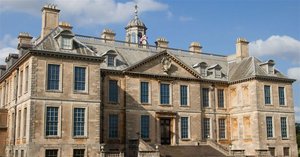
Belton House, GranthamBelton House Grantham 3 John William Spencer Brownlow Egerton-Cust, 2nd Earl Brownlow (1842-1867), Adelbert Wellington Brownlow Cust, 3rd Earl Brownlow, GCVO, PC, MP (1844-1921), John William Spencer Brownlow Egerton-Cust, 2nd Earl Brownlow (1842-1867)
Watts Gallery – Artists' Village, გილფორდიWatts Gallery – Artists' Village გილფორდი 3 After the Deluge, Laura Gurney (later Lady Troubridge)
ჩიკაგოს ხელოვნების ინსტიტუტი, ჩიკაგოჩიკაგოს ხელოვნების ინსტიტუტი ჩიკაგო 2 Time, Death and Judgment, A Lamplight Study: Herr Joachim

ჯორჯ ფრედერიკ უატსი ათწლეულების განმავლობაში: თითოეულ დეკადესთვის ერთი უნიკალური ორიგინალი

ნამუშევრები ათწლეულების მიხედვით

შეარჩიეთ ათწლეული, რათა ნახოთ ის ორიგინალი ნამუშევარი, რომელიც მას განსაზღვრავს.

ჯორჯ ფრედერიკ უატსი-ის ნახატები: კითხვები გალერეისთვის

რა არის ჯორჯ ფრედერიკ უატსი-ის ყველაზე ცნობილი ნამუშწარებიდან ერთერთი?გაამჟღავნეთ პასუხი

იმედი (1886), Tate Britain, ლონდონი. შემდეგ მოდიან Ellen Terry (1864) და The Minotaur (1885).

რა ასაკში შექმნა ჯორჯ ფრედერიკ უატსი-მა იმედი?გაამჟღავნეთ პასუხი

69 წლის: იმედი შექმნილია 1886 წელს, ხოლო ჯორჯ ფრედერიკ უატსი დაიბადა 1817 წელს.

ჯორჯ ფრედერიკ უატსი-ის რომელი 열ათმე ნახატია ყველაზე ცნობილი?გაამჟღავნეთ პასუხი

იმედი, Ellen Terry, The Minotaur, Chaos, After the Deluge, (William) Edward Hartpole Lecky, Theophilos Kairis (1784 - 1853), Sir Charles Wentworth Dilke, 2nd Bt, Time, Death and Judgment და Virginia Dalrymple (1850-1922). ზემოთ მოცემული რეიტინგი ასახავს თითოეულის შემოქმედების წელსა და მუზეუმს.

რამდენი ნამუშწარებია ცნობილი ჯორჯ ფრედერიკ უატსი-ის შემოქმედებიდან?გაამჟღავნეთ პასუხი

ჩვენს კატალოგში წარმოდგენილია 244 ნამუშწევრი ჯორჯ ფრედერიკ უატსი-ისგან, დათარიღებული 1836-დან 1901-მდე.

სად შეიძლება ყველაზე ცნობილი ჯორჯ ფრედერიკ უატსი-ის ორიგინალების ნახვა?გაამჟღავნეთ პასუხი

ძირითადად National Portrait Gallery (ლონდონი), ბირმინგემის მუზეუმი და სახელოვნებო გალერეა (ბირმინგემი) და Tate Britain (ლონდონი)-ში. ზემოთ მოცემულ მუზეუმების ცხრილში ისინი ყველა listed.

რა პერიოდში შექმნა ჯორჯ ფრედერიკ უატსი-მა ყველაზე ცნობილი სურათები?გაამჟღავნეთ პასუხი

1860s-ში: ამ გვერდზე წარმოდგენილი 100 ნამუშწარwerksიდან 25 შეიქმნა მაშინ, მათგან Ellen Terry.

რომელი ცნობილი ჯორჯ ფრედერიკ უატსი ტილოა ყველაზე ადრეული და რომელი — ყველაზე გვიანდელი?გაამჟღავნეთ პასუხი

ამ გვერდზე ყველაზე ადრეული არის Ruth and Boaz (1836), ხოლო ყველაზე გვიანდელი — Charles Booth (1901).

რა თემებს ანიჭებდა უპირატესობას ჯორჯ ფრედერიკ უატსი?გაამჟღავნეთ პასუხი

Man (63), Portrait (40) და Beard (29), ამ გვერდზე წარმოდგენილ 100 ნამუშწარეს შორის.

რა მასალებით ხატავდა ყველაზე ხშირად ჯორჯ ფრედერიკ უატსი?გაამჟღავნეთ პასუხი

Oil On Canvas, ამ გვერდზე არსებული 100 ნამუშწაროსგან 84 ცალიდან.

ჯორჯ ფრედერიკ უატსი-ის შემოქმედება რომელ მიმდინარეობას მიეკუთვნება?გაამჟღავნეთ პასუხი

Სიმბოლისტური მოძრაობა, ამ გვერდზე წარმოდგენილი ორიგინალების მიხედვით.

რა ჯორჯ ფრედერიკ უატსი-ის ორიგინალების ნახვა შემიძლია National Portrait Gallery-ში?გაამჟღავნეთ პასუხი

Ellen Terry, (William) Edward Hartpole Lecky და Sir Charles Wentworth Dilke, 2nd Bt: National Portrait Gallery, ლონდონი-ში წარმოდგენილია ამ გვერდზე მოცემული ნამუშევრების 42 ცალი.

ჯორჯ ფრედერიკ უატსი: მხატვრის პორტრეტი

Early Life and Artistic Training

George Frederic Watts entered the world in Marylebone, London, on February 23, 1817. His early years were shaped by the quiet industry of his father, a piano-maker, and the heavy shadow cast by the death of his mother when he was still young. This early loss left a mark upon his character, perhaps contributing to the introspective depth that would later define his creative output. Despite the fragility of his health during these formative years, a steady hand and a keen eye for form began to emerge through his studies.

The boy's talent found its first true direction at the age of ten, when he began learning the art of sculpture under the guidance of William Behnes. This early immersion in three-dimensional form allowed him to understand the weight and presence of figures long before he turned his full attention to the canvas. By the time he reached eighteen, his ambitions had grown beyond the private studio. In 1835, he enrolled as a student at the Royal Academy Schools, seeking to refine the instincts that had been nurtured since his childhood.

The Influence of Italy and Commissions

Ambition and a stroke of luck began to pull the young artist toward a grander stage in 1843. That year, he submitted a drawing for a competition to design murals for the new Houses of Parliament, a task that earned him a first prize. This success opened doors that led him away from the familiar streets of London and toward the warmth of Italy. He traveled there from 1843 to 1847, a period of years that would fundamentally reshape his vision. In those Italian lands, he found himself under the wing of the British ambassador, Henry Fox, whose association provided both social connection and intellectual nourishment during his formative travels.

The momentum gained from his early successes eventually brought him back to the service of his country. He was entrusted with a significant commission to create a fresco for the Houses of Parliament, a task that occupied his hands and mind between 1848 and 1853. This work required a mastery of scale and a deep understanding of how art might inhabit the monumental spaces of government. Through these public duties and his time spent wandering through the heart of Europe, his art moved away from simple representation and toward the grand, allegorical themes that would define his later years.

Key Works and Symbolic Masterpieces

His ambitions often reached toward the grander scale of human existence, seeking to map the very soul through his art. He conceived an ambitious project known as the "House of Life," a cycle of frescoes intended to illustrate the spiritual development and origins of mankind. Though the full scale of this cycle remained unfinished due to a lack of patronage, its themes of love and life continued to haunt his brush. In 1864, he turned his attention to the living, capturing the likeness of the actress Ellen Terry in a portrait that sought to grasp her essence.

The weight of human experience often manifested in his more allegorical compositions. In 1875, he produced Chaos, a work that explored the interaction between humanity and the natural world through a lens of philosophical reflection. This tendency toward the symbolic reached a profound peak in 1886 with the completion of Hope. This painting, which exists in two versions, presents a figure of quiet determination amidst a somber, blue-toned landscape. Rather than offering simple optimism, the work depicts a sense of vulnerability and the tenacious pursuit of light within the darkness.

Technique and Artistic Style

His hand moved with a restless ambition, seeking to capture the unseen through the medium of oil on canvas. Throughout a prolific life, he produced around 800 canvases, each a step in a long, evolving search for a visual language that could hold the weight of human experience. He did not settle for the mere imitation of life; instead, he sought to translate the internal struggles of the soul into form and color. This drive led him to move organically from the structured allegories of the Symbolist movement toward a more stripped-back, modern abstraction. His work often straddles two worlds, bridging the gap between the romantic symbolism of the Victorian era and the emerging sensibilities of modernism.

In his later years, the clarity of his subjects began to yield to a more profound, essentialized way of seeing. He was drawn to a cosmic synthesis, using recurring notions and allegorical renderings to explore the depths of human strength and folly. He often preferred to depict his subjects with their eyes closed, a choice that revealed an early interest in the unconscious mind. This technique allowed him to move beyond the specificities of a person's face to reach for something more universal. His brushwork and use of color were never intended to follow the fleeting fashions of his age, but rather to dig into the individual psyche and the eternal truths he felt were hidden beneath the surface of the visible world.

Legacy and Where to See His Works

The influence of his vision lingered long after his passing, earning him the Order of Merit in 1902. This recognition spoke to a life spent chasing the profound truths of the human condition through paint and stone. His presence remains felt in the halls of major institutions, where his canvases continue to invite quiet contemplation. In London, the Tate Britain holds several of his significant works, preserving the weight of his allegorical explorations for those who walk its galleries.

For those seeking to understand the breadth of his creative output, the Watts Gallery – Artists' Village in Guildford offers a sanctuary of his memory. This site is dedicated to the preservation of his life's work and holds the largest collection of his paintings, drawings, and sculptures. It is a place where the atmosphere of his era remains palpable, allowing a viewer to encounter the scale of his ambition in a setting that feels deeply connected to his own spirit.