Frederick William Macmonnies პორტრეტი

25 ყველაზე ცნობილი Frederick William Macmonnies-ის ნახატი, გალერეის შერჩეული კოლექცია

განახლდა ნოემბერი 2026 · დალაგებულია ჩვენი პოპულარობის ქულების მიხედვით (ძიება, ნახვა და შეკვეთები თითოეული ნამუშწაროსთვის) · 25 ნამუშევარი Frederick William Macmonnies ჩვენს კატალოგში

მოკლედ რომ ვთქვათ

Frederick William Macmonnies-ის ყველა დატოვებული ორიგინალიდან ყველაზე ცნობილი Diana (1890) არის. მისდაក្រោយ Young Chevalier (1898) და May Suydam Palmer (1903) მოდიან. ჩვენს კატალოგში Frederick William Macmonnies-ის 25 ნამუშწარებია; გალერეამ შეინافظა ის 25 ნამუშწარო, რომლებსაც მსოფლიო ყველაზე მეტად აღიარებს, რომელთაგან თითოეული წარმოდგენილია თვის, მუზეუმისა და ისტორიის თანხლებით.

1863 – 1937, Brooklyn Heights ყველაზე მეტი ნამشევრი: მეტროპოლიტენის ხელოვნების მუზეუმი

Frederick William Macmonnies-ის 10 საუკეთესო ნამუშgeryო: გალერეის არჩევანი

1
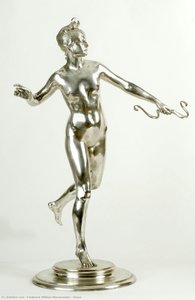
Diana (1890) ავტორის: Frederick William Macmonnies

Diana

1890 · Bronze

In this mythological scene, the goddess Diana emerges from the stillness of the bronze. Created by Frederick William Macmonnies about 1890, the sculpture captures a moment of divine purpose. She is the goddess of the hunt and the moon, a figure of mythic power caught in a single, decisive stride. Every line of her form suggests a creature of the wild, moving with a grace that feels both sudden and…

2
Young Chevalier (1898) ავტორის: Frederick William Macmonnies

Young Chevalier

1898 · Oil On Canvas · ვირჯინიის fine arts-ის მუზეუმი, რიჩმონდი

The oil painting Young Chevalier by Frederick William Macmonnies captures a fleeting moment of childhood play. Created about 1898, the work presents a young boy lost in a world of imagination. He wears an elaborate military costume, gripping a hobby horse as if preparing for a grand charge. The scene feels intimate, as if we have just stepped into a private corner of a grand, classical interior where time has…

3
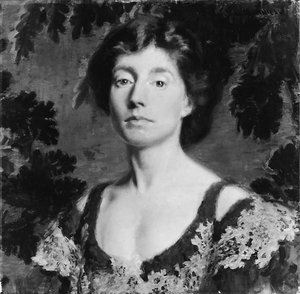
May Suydam Palmer (1903) ავტორის: Frederick William Macmonnies

May Suydam Palmer

In this intimate oil painting on canvas, Frederick William Macmonnies turns his attention to the likeness of May Suydam Palmer. Created about 1903, the work captures the subject in a moment of quiet presence. The portrait focuses on the woman's upper body, presenting her in a way that feels both formal and deeply personal. There is a sense of stillness here, as if we have caught her in a private…

4
Stephen S. Palmer, Trustee 1908-1913, Donor of Palmer Hall  (1853-1913) (1915) ავტორის: Frederick William Macmonnies

Stephen S. Palmer, Trustee 1908-1913, Donor of Palmer Hall (1853-1913)

1915 · Oil

A single light source descends from the upper left, carving a face out of the shadows. The subject sits in a quiet, dark space, his presence defined by the stark contrast between a crisp white collar and the deep, somber tones of a formal suit. There is a stillness here, the kind found in a room where the air has settled. His gaze is steady, caught in a moment of…

5
Kit Carson (1915) ავტორის: Frederick William Macmonnies

Kit Carson

In this bronze work, Frederick William Macmonnies captures Kit Carson on horseback. The sculpture portrays the frontiersman as a significant figure from American history, presented in a moment of action. It was unveiled in 1911 as a large public sculpture celebrating the pioneers of the American Old West. Macmonnies, a sculptor known for his ability to imbue bronze with a sense of vitality, focuses here on the physical presence of…

6
Self-Portrait (1898) ავტორის: Frederick William Macmonnies

Self-Portrait

is an oil painting by the American artist Frederick William Macmonnies. Born in New York in 1863, Macmonnies was a figure of the Beaux-Arts era who achieved significant recognition in both France and the United States. This specific work, executed in 1898, captures the artist in a bust-length composition.

Frederick William Macmonnies-ის შერჩევა გრძელდება, 11-დან 25-მდე

სუბიექტები, რომლებმაც Frederick William Macmonnies-ის ყურადღება მიიპყრო

ამ ორიგინალებში ყველაზე ხშირად განმეორებადი არის 네 თემა, რომელთაგან თითოეულს თავისი საუკეთესო ნიმუში წარმოგვიდგება.

მუზეუმები, სადაც Frederick William Macmonnies-ის ორიგინალები ინახება

ამ გვერდზე წარმოდგენილი მხატვრობის შედეგების უმეტესობას 8 მუზეუმი ინახავს.

მუზეუმი ქალაქი Frederick William Macmonnies შემოქმედებაలు ამ სიიდან მოპოვებული ნახატები
მეტროპოლიტენის ხელოვნების მუზეუმი, ნიუ-იორკიმეტროპოლიტენის ხელოვნების მუზეუმი ნიუ-იორკი 3 May Suydam Palmer, Self portrait, Madonna of Giverny
საგამორ ჰილის ეროვნული ისტორიული ნაკრэн-ობიექტი, ოისტერ ბეისაგამორ ჰილის ეროვნული ისტორიული ნაკრэн-ობიექტი ოისტერ ბეი 2 Kit Carson, Rough Rider
ვირჯინიის fine arts-ის მუზეუმი, რიჩმონდივირჯინიის fine arts-ის მუზეუმი რიჩმონდი 1 Young Chevalier
ჩიკაგოს ხელოვნების ინსტიტუტი, ჩიკაგოჩიკაგოს ხელოვნების ინსტიტუტი ჩიკაგო 1 Self-Portrait
Terra Fondation für Amerikanische Kunst, შिकागोTerra Fondation für Amerikanische Kunst შिकागो 1 Mabel Conkling
სმიტსონის ამერიკული ხელოვნების მუზეუმი, ვაშინგტონი, დი.სი.სმიტსონის ამერიკული ხელოვნების მუზეუმი ვაშინგტონი, დი.სი. 1 Miss Anne Mills Archbold
Palmer Museum of Art, Centre CountyPalmer Museum of Art Centre County 1 The French Chevalier
Reading Public Museum, რიდინგიReading Public Museum რიდინგი 1 Diana

Frederick William Macmonnies ათწლეულების მიხედვით: ორიგინალი, რომელიც განსაზღვრავს თითოეულ მათგანს

ნამუშევრები ათწლეულების მიხედვით

შეარჩიეთ ათწლეული, რათა ნახოთ ის ორიგინალი ნამუშევარი, რომელიც მას განსაზღვრავს.

კოლექციონერთა კითხვები Frederick William Macmonnies-ის ნახატებზე

რა ნამუშწარესით არის ყველაზე ცნობილი Frederick William Macmonnies?გაამჟღავნეთ პასუხი

Diana (1890). შემდეგ მოდიან Young Chevalier (1898) და May Suydam Palmer (1903).

რამდენage იყო Frederick William Macmonnies, როდესაც შეიქმნა Diana?გაამჟღავნეთ პასუხი

27 წლის: Diana შექმნილია 1890 წელს, ხოლო Frederick William Macmonnies დაიბადა 1863 წელს.

რა არის Frederick William Macmonnies-ის 열 иң ცნობილი 열ი ტილო?გაამჟღავნეთ პასუხი

Diana, Young Chevalier, May Suydam Palmer, Stephen S. Palmer, Trustee 1908-1913, Donor of Palmer Hall (1853-1913), Kit Carson, Self-Portrait, Nathan Hale, Horse Leaping, Rip Van Winkle და Nathan Hale. ზემოთ მოცემული რეიტინგი ასახავს თითოეულის შემოქმედების წელსა და მუზეუმს.

რამდენი სურათი დატოვა Frederick William Macmonnies-მა?გაამჟღავნეთ პასუხი

ჩვენს კატალოგში წარმოდგენილია 25 ნამუშწევრი Frederick William Macmonnies-ისგან, დათარიღებული 1873-დან 1930-მდე.

რომელ მუზეუმებშია და hangs Frederick William Macmonnies-ის შედევრული ნამუშევრები?გაამჟღავნეთ პასუხი

ძირითადად მეტროპოლიტენის ხელოვნების მუზეუმი (ნიუ-იორკი), საგამორ ჰილის ეროვნული ისტორიული ნაკრэн-ობიექტი (ოისტერ ბეი) და ვირჯინიის fine arts-ის მუზეუმი (რიჩმონდი)-ში. ზემოთ მოცემულ მუზეუმების ცხრილში ისინი ყველა listed.

მათ რომელ წლებში შექმნა Frederick William Macmonnies-მა ყველაზე ცნობილი ნამუშევრები?გაამჟღავნეთ პასუხი

1890s-ში: ამ გვერდზე წარმოდგენილი 25 ნამუშწარwerksიდან 8 შეიქმნა მაშინ, მათგან Diana.

რა არის Frederick William Macmonnies-ის პირველი და ბოლო ცნობილი ორიგინალი?გაამჟღავნეთ პასუხი

ამ გვერდზე ყველაზე ადრეული არის Horse Leaping (1873), ხოლო ყველაზე გვიანდელი — Charles Augustus Lindberg (1930).

რომელ თემებს ირჩევდა Frederick William Macmonnies ყველაზე ხშირად?გაამჟღავნეთ პასუხი

Man (3), Woman (2) და Bronze (2), ამ გვერდზე წარმოდგენილ 25 ნამუშწარეს შორის.

რომელ ტექნიკას იყენებდა Frederick William Macmonnies ყველაზე ხშირად?გაამჟღავნეთ პასუხი

Oil On Canvas, ამ გვერდზე არსებული 25 ნამუშწაროსგან 3 ცალიდან.

Frederick William Macmonnies-ის რომელ ნამუშევრებს ჰქ나 მეტროპოლიტენის ხელოვნების მუზეუმი-ში?გაამჟღავნეთ პასუხი

May Suydam Palmer, Self portrait და Madonna of Giverny: მეტროპოლიტენის ხელოვნების მუზეუმი, ნიუ-იორკი-ში წარმოდგენილია ამ გვერდზე მოცემული ნამუშევრების 3 ცალი.

Frederick William Macmonnies: ცხოვრება და შემოქმედება

The Sculptor of Light and Bronze: The Life of Frederick William MacMonnies

In the vibrant intersection of American ambition and European refinement, the name Frederick William MacMonnies resonates as a symbol of the Beaux-Arts era. Born in Brooklyn Heights in 1863, MacMonnies was a child prodigy of stone carving, possessing an innate ability to breathe life into cold medium from a remarkably young age. His journey was not merely one of personal growth but a transatlantic odyssey that would eventually see him become the most celebrated expatriate sculptor of his generation. He possessed a rare, dual mastery over both the fluid strokes of painting and the structural permanence of sculpture, allowing him to approach form with a unique sensitivity to light and movement that few of his contemporaries could replicate.

The foundations of his greatness were laid in the prestigious studio of Augustus Saint-Gaudens. Entering the studio as an apprentice at just eighteen, MacMonnies transitioned from a humble assistant—running errands and maintaining models—to a vital collaborator. It was within this crucible of talent that he forged lifelong connections with other titans of the era, such as the architect Stanford White. This period of his life was defined by a rigorous immersion in the principles of classical form, supplemented by nocturnal studies at the National Academy of Design and the Art Students League of New York. These early years instilled in him a profound respect for the weight and texture of materials, a discipline that would later allow him to execute works of both monumental scale and delicate intimacy.

A Parisian Renaissance and the Beaux-Arts Triumph

Driven by an insatiable hunger for artistic excellence, MacMonnies departed for Paris in 1884, a move that would irrevocably alter the trajectory of his career. Enrolling at the École des Beaux-Arts, he quickly distinguished himself, earning the highest honors available to foreign students. The Parisian Salon became his stage, a place where he presented works that synthesized classical mythology with a modern, rhythmic vitality. In Paris, MacMonnies did not merely study; he thrived, establishing his own studio and eventually becoming a mentor to rising stars like Janet Scudder. His ability to navigate the sophisticated cultural landscape of France allowed him to achieve a level of international prestige that few American artists of the nineteenth century could claim.

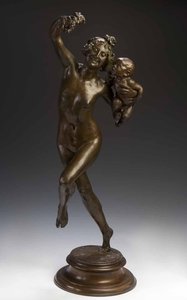
His sculptural language was characterized by a sense of lithe, energetic motion. Whether working in bronze or marble, he had an uncanny knack for capturing the fleeting moment—the tension of a muscle, the grace of a nymph, or the solemnity of a hero. His most iconic works, such as Diana and Bacchante and Infant Faun, exemplify this mastery of the human form in motion. These pieces were not merely static figures but were imbued with a sense of breath and vitality that seemed to defy the very bronze from which they were cast.

Legacy of a Master: Public Monuments and Artistic Innovation

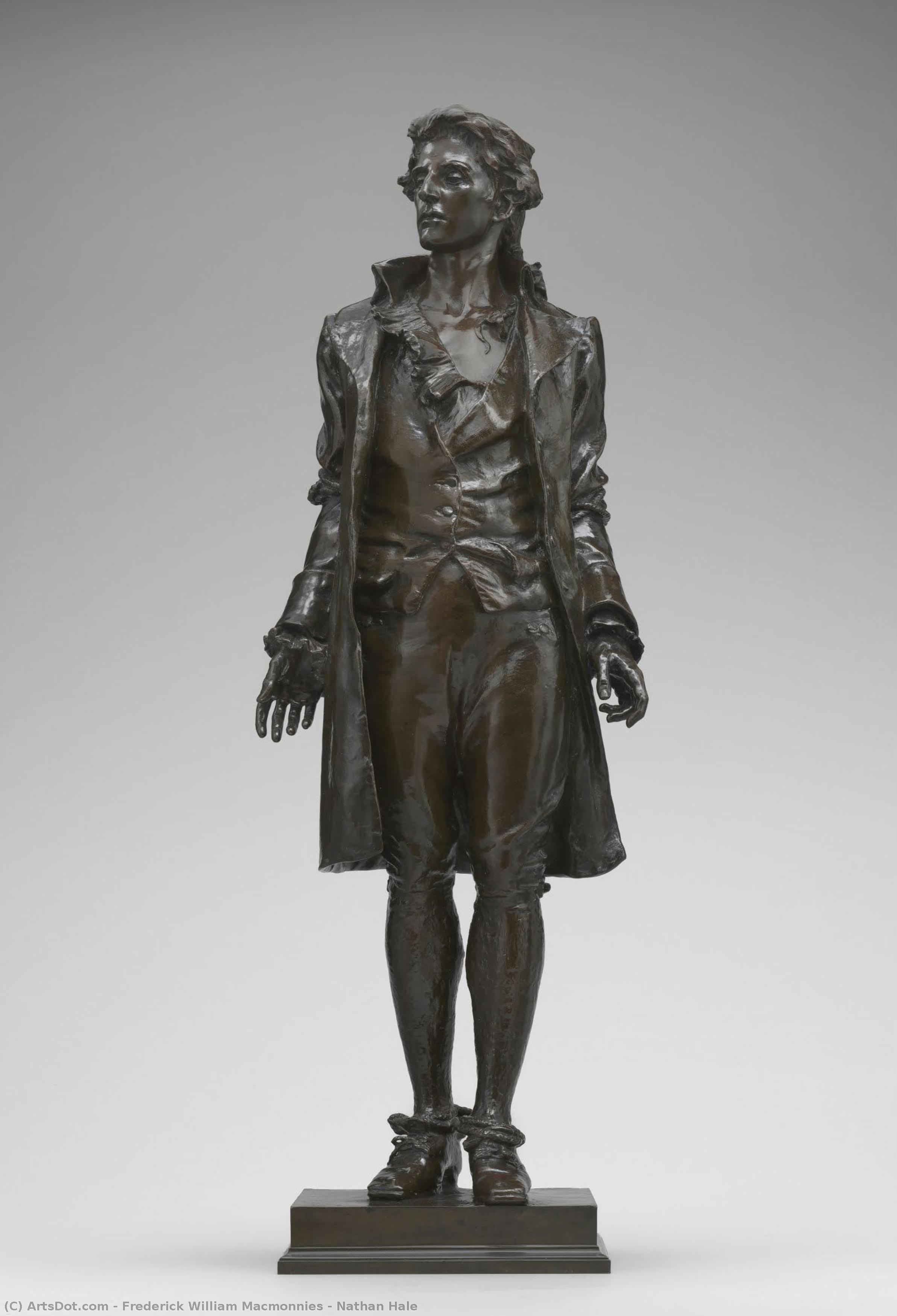
Beyond the ethereal beauty of his mythological figures, MacMonnies left an indelible mark on the urban landscape through his monumental public commissions. Perhaps his most enduring contribution to American civic identity is the Nathan Hale statue. Erected in New York City in 1893, this powerful depiction of the American spy stands as a testament to his ability to imbue historical portraiture with profound dignity and patriotic fervor. He was also a pioneer in the democratization of art; recognizing the growing middle class, he was among the first sculptors to copyright his designs and work with foundries to produce reduced-size reproductions, ensuring that fine art could reside in the homes of many, not just the elite.

The historical significance of Frederick William MacMonnies lies in his role as a bridge between the old world and the new. He took the classical traditions of Europe and infused them with an American vigor and accessibility. His life, spanning from the streets of Brooklyn to the grand ateliers of Paris, mirrored the growth of American art itself—moving from provincial beginnings toward a confident, global presence. Even today, his works continue to command attention in museums such as the Metropolitan Museum of Art and the Smithsonian, serving as enduring reminders of an era when sculpture sought to capture the very essence of the human spirit through the marriage of tradition and innovation.