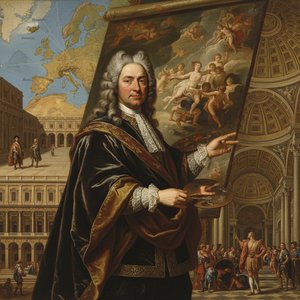
Francesco de Mura: A Life in Art
Early Life and Training
Francesco de Mura (born Naples, Italy, April 21, 1696 – died Naples, August 19, 1782), also known as *Franceschiello*, was a prominent Italian painter of the late Baroque period. His artistic journey began with an apprenticeship under the esteemed Francesco Solimena, a leading figure in Neapolitan painting. Later, he further honed his skills with Domenico Viola, where he encountered and worked alongside his contemporary, Mattia Preti. This early training laid a solid foundation for his future artistic endeavors.
Early Career and Frescoes
De Mura demonstrated his talent early on, receiving commissions even as a teenager. In 1715, he painted frescoes in the church of San Nicola alla Carità in Naples, marking an important milestone in his career. He continued to develop his style and reputation through subsequent projects, including ten canvases depicting the Virtues and an *Adoration of the Magi* (1728) for the church of Santa Maria Donnaromita.
Artistic Development and Style
De Mura’s artistic style evolved over time. Initially rooted in the Baroque tradition, characterized by dramatic compositions and vibrant colors, his later works increasingly reflected the emerging Neoclassical aesthetic. This transition is evident in his refined brushwork, emphasis on clarity of form, and a more restrained palette. He skillfully blended these influences to create a unique visual language.
Major Works and Achievements
- Frescoes at the Nunziatella: His frescoes of the *Adoration of the Magi* (1732) in the apsidal dome of the church of the Nunziatella are considered among his most significant achievements.
- Portraiture: De Mura was also a skilled portraitist, capturing the likenesses of prominent figures with sensitivity and detail.
- Religious Scenes: Throughout his career, he produced numerous religious paintings characterized by their emotional intensity and masterful use of light and shadow.
Influences and Legacy
De Mura’s work was influenced by the artistic currents of his time, particularly the Baroque masters active in Naples. He absorbed elements from Solimena's dramatic compositions and Preti’s vibrant color palette. He, in turn, became an influential figure himself, mentoring a generation of Neapolitan painters including Pietro Bardellino, Giacinto Diano, and others.
Historical Significance
Francesco de Mura occupies an important position in the history of Neapolitan art. He bridged the gap between the Baroque and Neoclassical periods, adapting his style to reflect changing artistic tastes while maintaining a distinct personal vision. His prolific output and skillful execution ensured his lasting legacy as one of Naples’ most celebrated painters.
კითხვები და პასუხები
საიდან არის ფრანჩესკო დე მურა?
ფრანჩესკო დე მურა დაიბადა იტალია-ში.
როგორ შემიძლია ფრანჩესკო დე მურა-ის შემოქმედების წლიურ ქრონოლოგიაში თვალი ვადევნო?
მხატვრის ნამუშევრების ქრონოლოგია გვერდზე წარმოდგენილია ფრანჩესკო დე მურა-ის ნამუშევრები თარიღების მიხედვით, წლითწლიურად დალაგებული.
სად შემიძლია ვნახო ფრანჩესკო დე მურა-ის ნამუშევრები ატმოსფეროს მიხედვით დალაგებული?
ფრანჩესკო დე მურა-ის განწყობის სივრცე გვერდი ხელოვანის ნამუშევრებს განწყობის მიხედვით აჯგუფებს.