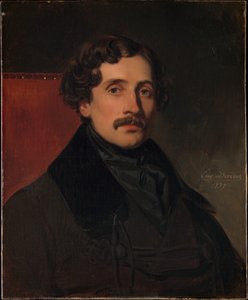
ჟენ デভেরია პორტრეტი

33 ყველაზე ცნობილი ჟენ デভেরია-ის ნახატი, თითოეული მათგანი უნიკალური

განახლდა ნოემბერი 2026 · დალაგებულია ჩვენი პოპულარობის ქულების მიხედვით (ძიება, ნახვა და შეკვეთები თითოეული ნამუშწაროსთვის) · 33 ნამუშევარი ჟენ デভেরია ჩვენს კატალოგში

მოკლედ რომ ვთქვათ

Portrait of Monsieur Couche (1824) არის ჟენ デভেরია-ის ის ნამუშწარო, რომელიც ყველაზე მეტ ყურადღებას იქცევს; ორიგინალი იმყოფება დეტროიტის ხელოვნების ინსტიტუტი-ში, დეტროიტი. ამის შემდეგ, მზერა გადადის Young Women Sitting (1827)-სა და The Assassination (1828)-ზე. ჩვენს კატალოგში არსებული ჟენ デভেরია-ის 33 ნამუშწაროდან ეს 33 ყველაზე ცნობილია; თითოეული მათგანი წარმოადგენს უნიკალურ ორიგინალს, რომელიც წარმოდგენილია წელით, მუზეუმითა და იმ მიზეზით, რის გამოც ის დღემდე ცოცხლობს.

1805 – 1865, პარიზი ყველაზე მეტი ნამشევრი: Musée des Beaux-Arts de Pau

ჟენ デভেরია-ის 10 საუკეთესო ნამუშgeryო, გალერეის თcraftით

2
Young Women Sitting (1827) ავტორის: ჟენ デভেরია

Young Women Sitting

1827 · Oil On Canvas

In the oil painting Young Women Sitting by Eugène Devéria, the composition is centered on a woman seated upon a large, gilded yellow chaise longue. To the left, a second woman reclines, her form partially obscured by heavy red drapery. The scene is set within an opulent interior where the color palette is dominated by deep reds, golds, and creams. This arrangement creates a shallow perspective that directs the viewer's…

3
The Assassination (1828) ავტორის: ჟენ デভেরია

The Assassination

1828 · Oil On Canvas · Reading Public Museum, რიდინგი

We find ourselves before The Assassination, a significant work by the French painter Eugène Devéria. This piece was executed about 1828, a period when the artist was beginning to establish his presence within the Parisian art scene. Devéria, who was born in Paris, France, in 1805, brought a specific sense of historical gravity to his compositions, a quality that is palpable in this particular canvas.

4
Portrait of General Joseph-Léopold Sigisbert Hugo (1835) ავტორის: ჟენ デভেরია

Portrait of General Joseph-Léopold Sigisbert Hugo

1835 · Oil On Canvas · Musée Victor Hugo, პარიზი

The subject is captured in a moment of quiet authority, positioned centrally against a somber, atmospheric landscape. He wears a dark blue military tunic, heavily detailed with gold braided aiguillettes, epaulettes, and medals that catch a sharp, directional light. This illumination, striking from the upper left, defines the contours of his face and the metallic textures of his uniform while casting the background into deep shadow. A sense of monumental…

5
Puget Presenting His Statue of Milon de Crotone to Louis XIV, in the Gardens of Versailles (1832) ავტორის: ჟენ デভেরია

Puget Presenting His Statue of Milon de Crotone to Louis XIV, in the Gardens of Versailles

1832 · Oil On Canvas

In this 1832 oil on canvas, we find ourselves within the formal, structured elegance of the Gardens of Versailles. The scene captures a specific historical intersection: the presentation of a sculpture by Puget to the French monarchy. At the heart of the composition, a large, muscular statue of Milon de Crotone commands the viewer's attention. The figure is rendered with a sense of physical weight, its pale, marble-like surface contrasting…

6
Puget Presenting His Statue of Milo of Croton to Louis XIV, in the Gardens of Versailles (1832) ავტორის: ჟენ デভেরია

Puget Presenting His Statue of Milo of Croton to Louis XIV, in the Gardens of Versailles

1832 · Oil On Canvas

The scene unfolds in the grand, manicured expanse of the Gardens of Versailles, where the air feels heavy with the weight of ceremony. Here, the artist Eugène Devéria captures a moment of profound historical significance. In this work, titled Puget Presenting His Statue of Milo of Croton to Louis XIV, in the Gardens of Versailles, the viewer finds themselves amidst a gathering of the French elite. The composition centers on…

7
Portrait of the Artist and His Brother Achille (1836) ავტორის: ჟენ デভেরია

Portrait of the Artist and His Brother Achille

1836 · Terracotta · ვერსალის სამეფო ოპერა, ვერსალი

The gaze settles upon Portrait of the Artist and His Brother Achille, a work that brings together two figures bound by blood and art. This piece is the creation of Eugène Devéria, a man whose life began in Paris, France, in 1805. He carries the weight of a long creative life until his passing in 1865. Within this frame, the artist captures a personal connection, presenting himself alongside his brother,…

8
Breton Family Praying Before a Country Oratory (1838) ავტორის: ჟენ デভেরია

Breton Family Praying Before a Country Oratory

In Breton Family Praying Before a Country Oratory, Eugène Devéria arranges a quiet, intimate scene of religious devotion. The composition is centered on a group of five figures—two men, one woman, and two children—who are gathered in a moment of shared prayer. They are positioned in a triangular formation, a structural choice that provides a sense of stability and familial unity. This geometric arrangement naturally directs the viewer's eye toward…

9
Sketch for the church Notre-Dame-de-Lorette: Apotheosis of Saint Genevieve (1835) ავტორის: ჟენ デভেরია

Sketch for the church Notre-Dame-de-Lorette: Apotheosis of Saint Genevieve

1835 · Oil On Canvas · პატარა პალატა, პარიზი

The artwork titled Sketch for the church Notre-Dame-de-Lorette: Apotheosis of Saint Genevieve is a religious study by the French painter Eugène Devéria. Created about 1835, this oil on canvas work functions as a preliminary sketch for a larger painting intended for the church Notre-Dame-de-Lorette. The composition focuses on the subject matter of the Apotheosis of Saint Genevieve, depicting the saint's transition toward a celestial state.

10
Apotheosis of Saint Genevieve, sketch for the painting of the church Notre-Dame-de-Lorette (1835) ავტორის: ჟენ デভেরია

Apotheosis of Saint Genevieve, sketch for the painting of the church Notre-Dame-de-Lorette

1835 · Drawing · Carnavalet Museum, პარისი

This vertical sketch, dated 1835, captures a moment of religious exaltation centered on the figure of Saint Genevieve. The composition is organized around a strong upward movement, drawing the eye from the lower grouping of figures toward a concentrated burst of white and yellow light at the top of the frame. Saint Genevieve is positioned in the midground, her arms reaching toward the celestial light, her white garments providing a…

ჟენ デভেরია-ის ცნობილი ნამუშევრები, 11-დან 33-მდე ნომრებით

ჟენ デভেরია-ის ცნობილი სურათები, პერიოდების მიხედვით

სუბიექტები, რომლებმაც ჟენ デভেরია-ის ყურადღება მიიპყრო

ამ ორიგინალებში ყველაზე ხშირად განმეორებადი არის 네 თემა, რომელთაგან თითოეულს თავისი საუკეთესო ნიმუში წარმოგვიდგება.

მუზეუმები, სადაც ჟენ デভেরია-ის ორიგინალები ინახება

ამ გვერდზე წარმოდგენილი მხატვრობის შედეგების უმეტესობას 8 მუზეუმი ინახავს.

მუზეუმი ქალაქი ჟენ デভেরია შემოქმედებაలు ამ სიიდან მოპოვებული ნახატები
Musée des Beaux-Arts de Pau, PauMusée des Beaux-Arts de Pau Pau 3 Portrait of Octavie Courcier, née Devéria (1804-1887), Portrait of Philippe-Adolphe Courcier, husband of Octavie Devéria, Christopher Columbus at the Court of Ferdinand and Isabella
დეტროიტის ხელოვნების ინსტიტუტი, დეტროიტიდეტროიტის ხელოვნების ინსტიტუტი დეტროიტი 1 Portrait of Monsieur Couche
Reading Public Museum, რიდინგიReading Public Museum რიდინგი 1 The Assassination
Musée Victor Hugo, პარიზიMusée Victor Hugo პარიზი 1 Portrait of General Joseph-Léopold Sigisbert Hugo
ვერსალის სამეფო ოპერა, ვერსალივერსალის სამეფო ოპერა ვერსალი 1 Portrait of the Artist and His Brother Achille
კუიმპერის fine arts-ის მ્યુზეუმი, კუიმპერიკუიმპერის fine arts-ის მ્યુზეუმი კუიმპერი 1 Breton Family Praying Before a Country Oratory
პატარა პალატა, პარიზიპატარა პალატა პარიზი 1 Sketch for the church Notre-Dame-de-Lorette: Apotheosis of Saint Genevieve
Carnavalet Museum, პარისიCarnavalet Museum პარისი 1 Apotheosis of Saint Genevieve, sketch for the painting of the church Notre-Dame-de-Lorette

ჟენ デভেরია ათწლეულების განმავლობაში: თითოეულ დეკადესთვის ერთი უნიკალური ორიგინალი

ნამუშევრები ათწლეულების მიხედვით

შეარჩიეთ ათწლეული, რათა ნახოთ ის ორიგინალი ნამუშევარი, რომელიც მას განსაზღვრავს.

ჟენ デভেরია-ის ნახატები: კითხვები გალერეისთვის

რა არის ჟენ デভেরია-ის ყველაზე ცნობილი ნამუშწარებიდან ერთერთი?გაამჟღავნეთ პასუხი

Portrait of Monsieur Couche (1824), დეტროიტის ხელოვნების ინსტიტუტი, დეტროიტი. შემდეგ მოდიან Young Women Sitting (1827) და The Assassination (1828).

რა ასაკში შექმნა ჟენ デভেরია-მა Portrait of Monsieur Couche?გაამჟღავნეთ პასუხი

19 წლის: Portrait of Monsieur Couche შექმნილია 1824 წელს, ხოლო ჟენ デভেরია დაიბადა 1805 წელს.

ჟენ デভেরია-ის რომელი 열ათმე ნახატია ყველაზე ცნობილი?გაამჟღავნეთ პასუხი

Portrait of Monsieur Couche, Young Women Sitting, The Assassination, Portrait of General Joseph-Léopold Sigisbert Hugo, Puget Presenting His Statue of Milon de Crotone to Louis XIV, in the Gardens of Versailles, Puget Presenting His Statue of Milo of Croton to Louis XIV, in the Gardens of Versailles, Portrait of the Artist and His Brother Achille, Breton Family Praying Before a Country Oratory, Sketch for the church Notre-Dame-de-Lorette: Apotheosis of Saint Genevieve და Apotheosis of Saint Genevieve, sketch for the painting of the church Notre-Dame-de-Lorette. ზემოთ მოცემული რეიტინგი ასახავს თითოეულის შემოქმედების წელსა და მუზეუმს.

რამდენი ნამუშწარებია ცნობილი ჟენ デভেরია-ის შემოქმედებიდან?გაამჟღავნეთ პასუხი

ჩვენს კატალოგში წარმოდგენილია 33 ნამუშწევრი ჟენ デভেরია-ისგან, დათარიღებული 1824-დან 1864-მდე.

სად შეიძლება ყველაზე ცნობილი ჟენ デভেরია-ის ორიგინალების ნახვა?გაამჟღავნეთ პასუხი

ძირითადად Musée des Beaux-Arts de Pau (Pau), დეტროიტის ხელოვნების ინსტიტუტი (დეტროიტი) და Reading Public Museum (რიდინგი)-ში. ზემოთ მოცემულ მუზეუმების ცხრილში ისინი ყველა listed.

რა პერიოდში შექმნა ჟენ デভেরია-მა ყველაზე ცნობილი სურათები?გაამჟღავნეთ პასუხი

1830s-ში: ამ გვერდზე წარმოდგენილი 33 ნამუშწარwerksიდან 10 შეიქმნა მაშინ, მათგან Portrait of General Joseph-Léopold Sigisbert Hugo.

რომელი ცნობილი ჟენ デভেরია ტილოა ყველაზე ადრეული და რომელი — ყველაზე გვიანდელი?გაამჟღავნეთ პასუხი

ამ გვერდზე ყველაზე ადრეული არის Portrait of Monsieur Couche (1824), ხოლო ყველაზე გვიანდელი — Charles-Théodule Devéria (1831-1871) (1864).

რა თემებს ანიჭებდა უპირატესობას ჟენ デভেরია?გაამჟღავნეთ პასუხი

Man (11), Woman (9) და People (6), ამ გვერდზე წარმოდგენილ 33 ნამუშწარეს შორის.

რა მასალებით ხატავდა ყველაზე ხშირად ჟენ デভেরია?გაამჟღავნეთ პასუხი

Oil On Canvas, ამ გვერდზე არსებული 33 ნამუშწაროსგან 10 ცალიდან.

რა ჟენ デভেরია-ის ორიგინალების ნახვა შემიძლია Musée des Beaux-Arts de Pau-ში?გაამჟღავნეთ პასუხი

Portrait of Octavie Courcier, née Devéria (1804-1887), Portrait of Philippe-Adolphe Courcier, husband of Octavie Devéria და Christopher Columbus at the Court of Ferdinand and Isabella: Musée des Beaux-Arts de Pau, Pau-ში წარმოდგენილია ამ გვერდზე მოცემული ნამუშევრების 3 ცალი.

ჟენ デভেরია: მხატვრის პორტრეტი

Eugène Devéria: Bridging History and Observation

Eugène François Marie Joseph Devéria (1805 – 1865) was a French painter whose distinctive style combined meticulous realism with an expressive handling of color, establishing him as one of the foremost chroniclers of his era. Born in Paris to a family steeped in artistic tradition—his father was a sculptor—Devéria’s early life foreshadowed his future vocation, immersing him in the vibrant cultural landscape of Restoration France. While biographical details remain somewhat sparse, scholarly research suggests he honed his skills under Jean-Baptiste Camille Corot and Alexandre Cabanel, absorbing the Impressionist spirit alongside the academic rigor of the École Supérieure des Beaux-Arts.
  • Early Influences & Training: Devéria’s formative years coincided with a period of artistic revival following Napoleon's reign. The Romantic movement profoundly impacted his sensibilities, fostering an appreciation for dramatic landscapes and emotionally charged narratives. However, he skillfully balanced these influences with the meticulous observation championed by Corot and Cabanel—artists who prioritized capturing natural light and texture with unparalleled accuracy.
  • A Painter of Scenes & Portraits: Devéria’s oeuvre is remarkably diverse, encompassing both monumental historical paintings and intimate portraits. He gained considerable renown for his depictions of Scottish clansmen, meticulously rendered in oils that convey not only physical likeness but also psychological depth—a testament to his ability to distill complex emotions onto canvas.

Notable Works & Artistic Style

Devéria’s artistic style is characterized by a remarkable blend of realism and tonal subtlety. He eschewed the flamboyant brushstrokes favored by some contemporaries, opting instead for smooth, blended surfaces that achieved an astonishing degree of luminosity. This technique—particularly evident in his celebrated canvases depicting Christopher Columbus' arrival in America and The Woodpigeon—allowed him to convey atmospheric conditions with breathtaking precision. Furthermore, Devéria’s palette was restrained yet expressive, utilizing muted hues to create a sense of mood and atmosphere that resonated deeply with viewers.
  • Historical Narratives: His monumental canvases like “The Reception Of Christopher Columbus” exemplify his commitment to portraying historical events with unflinching detail. Devéria’s compositions are carefully constructed, guiding the eye across expansive landscapes and capturing fleeting expressions of human emotion—reflecting a humanist sensibility that distinguished him from many artists of his time.
  • Portraiture: Devéria's portraits were equally noteworthy for their psychological insight. He skillfully captured the essence of his subjects’ personalities, conveying not merely physical appearance but also inner character through subtle gestures and facial expressions.

Legacy & Historical Significance

Eugène Devéria’s contribution to French art history extends beyond his individual masterpieces. He helped solidify the École Supérieure des Beaux-Arts' reputation for excellence, nurturing a generation of artists who embraced both academic tradition and Impressionist innovation. His paintings continue to inspire admiration for their technical virtuosity and emotional resonance—serving as enduring reminders of a pivotal moment in European artistic culture. Devéria’s meticulous observation and tonal mastery cemented his place among the most influential painters of the mid-19th century, ensuring that his work would be studied and appreciated for decades to come.