Ethel Reed პორტრეტი

15 ყველაზე ცნობილი Ethel Reed-ის ნახატი, გალერეის შერჩეული კოლექცია

განახლდა ნოემბერი 2026 · დალაგებულია ჩვენი პოპულარობის ქულების მიხედვით (ძიება, ნახვა და შეკვეთები თითოეული ნამუშწაროსთვის) · 15 ნამუშევარი Ethel Reed ჩვენს კატალოგში

მოკლედ რომ ვთქვათ

Ethel Reed-ის ყველა დატოვებული ორიგინალიდან ყველაზე ცნობილი Miss Träumerei (1885) არის. მისდაក្រោយ Illustration from In Childhoods Country (Moulton) (1895) და Illustration from Arabella and Araminta Stories (1895) მოდიან. ჩვენს კატალოგში Ethel Reed-ის 15 ნამუშწარებია; გალერეამ შეინافظა ის 15 ნამუშწარო, რომლებსაც მსოფლიო ყველაზე მეტად აღიარებს, რომელთაგან თითოეული წარმოდგენილია თვის, მუზეუმისა და ისტორიის თანხლებით.

1874 – 1912, Newburyport Art nouveau

Ethel Reed-ის 10 საუკეთესო ნამუშgeryო: გალერეის არჩევანი

1
Miss Träumerei (1885) ავტორის: Ethel Reed

Miss Träumerei

1885 · Lithograph

We are looking at Miss Träumerei, a work by the American graphic artist Ethel Reed. This piece was originally conceived as a poster or cover for a novel by Albert Morris Bagby, titled Miss Träumerei: A Weimar Idyl. It emerged from the creative landscape of the late nineteenth century, specifically published in 1895 by Lamson, Wolffe & Co.

3
Illustration from Arabella and Araminta Stories (1895) ავტორის: Ethel Reed

Illustration from Arabella and Araminta Stories

1895 · Lithograph

This 1895 lithograph presents a stylized, monochromatic scene divided into distinct horizontal registers. The upper portion of the composition features a draped, tent-like canopy decorated with floral motifs. Within this upper space, several figures, including children and cats, are rendered with elongated limbs and simplified facial features. A pattern of falling, leaf-like shapes occupies the central void between the figures and the foliage below. The middle layer consists of a…

4
Illustration from In Childhoods Country (Moulton) (1896) ავტორის: Ethel Reed

Illustration from In Childhoods Country (Moulton)

1896 · Ink On Paper

The artwork is titled Illustration from In Childhoods Country (Moulton) by the artist Ethel Reed. It emerged from the literary world of Louise Chandler Moulton, appearing as a visual companion to the written word. This piece was published in Boston, Mass., by Geo. H. Walker & Co. Lith. It captures a specific moment in the late nineteenth century, dated 1896.

5
Trilby the Fairy of Argyle (1895) ავტორის: Ethel Reed

Trilby the Fairy of Argyle

1895 · Lithograph

The scene unfolds within the delicate lines of Trilby the Fairy of Argyle, a work that emerges from the hands of the American graphic artist Ethel Reed. Created about 1895, this piece captures a moment of quiet enchantment. The figure of a fairy-like character rests within a theatrical setting, framed by the decorative flourishes of the era. It is a vision of the fin de siècle, where the boundaries between…

7
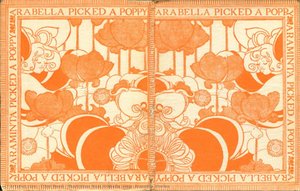
Arabella and Araminta Stories (1895) ავტორის: Ethel Reed

Arabella and Araminta Stories

1895 · Lithograph

Two women occupy the center of this lithograph, their pale skin a sharp contrast against a deep black void. They are framed by a bold orange border that contains their presence within a rigid, vertical geometry. Their blonde hair catches the light, tracing clean lines against the dark background. There is a stillness in their gaze, a quietude that suggests they are characters caught between the pages of a story.…

8
Boston Sunday Herald Fashion Supplement (1896) ავტორის: Ethel Reed

Boston Sunday Herald Fashion Supplement

1896 · Lithography

The vintage poster titled "Boston Sunday Herald Fashion Supplement" by Ethel Reed captures a specific moment of late 19th-century graphic design. Created about 1896, this lithographic print functions as a piece of advertising for the "Boston Sunday Herald." The work centers on a stylized female figure, a silhouette of grace intended to represent an ideal of beauty or elegance for the fashion supplement. She exists within a world of bold…

9
Boston Illustrated (1895) ავტორის: Ethel Reed

Boston Illustrated

1895 · Lithography

is a graphic work by the American artist Ethel Reed, dating to 1895. Produced during a period of significant activity in the Boston art scene, the piece reflects the aesthetic shifts of the late nineteenth century. Reed, a prominent figure in the Art Nouveau movement, created this work during her rise as a leading graphic designer in the United States.

Ethel Reed-ის შერჩევა გრძელდება, 11-დან 15-მდე

სუბიექტები, რომლებმაც Ethel Reed-ის ყურადღება მიიპყრო

ამ ორიგინალებში ყველაზე ხშირად განმეორებადი არის 네 თემა, რომელთაგან თითოეულს თავისი საუკეთესო ნიმუში წარმოგვიდგება.

Ethel Reed წელიწადმიწლით: ორიგინალები, რომლებიც განსაზღვრავენ თითოეულ მათგანს

შერჩევა მოიცავს Ethel Reed-ის შემოქმედებას 12 წლის განმავლობაში, 1885-დან 1896-მდე, დატოვებს ყოველი წლის საუკეთესო ორიგინალებს.

ნამუშევრები წლების მიხედვით

შეარჩიეთ წელი ორიგინალების სანახავად.

კოლექციონერთა კითხვები Ethel Reed-ის ნახატებზე

რა ნამუშწარესით არის ყველაზე ცნობილი Ethel Reed?გაამჟღავნეთ პასუხი

Miss Träumerei (1885). შემდეგ მოდიან Illustration from In Childhoods Country (Moulton) (1895) და Illustration from Arabella and Araminta Stories (1895).

რამდენage იყო Ethel Reed, როდესაც შეიქმნა Miss Träumerei?გაამჟღავნეთ პასუხი

11 წლის: Miss Träumerei შექმნილია 1885 წელს, ხოლო Ethel Reed დაიბადა 1874 წელს.

რა არის Ethel Reed-ის 열 иң ცნობილი 열ი ტილო?გაამჟღავნეთ პასუხი

Miss Träumerei, Illustration from In Childhoods Country (Moulton), Illustration from Arabella and Araminta Stories, Illustration from In Childhoods Country (Moulton), Trilby the Fairy of Argyle, In Childhoods Company, Arabella and Araminta Stories, Boston Sunday Herald Fashion Supplement, Boston Illustrated და Boston Sunday Herald February 24th. ზემოთ მოცემული რეიტინგი ასახავს თითოეულის შემოქმედების წელსა და მუზეუმს.

რამდენი სურათი დატოვა Ethel Reed-მა?გაამჟღავნეთ პასუხი

ჩვენს კატალოგში წარმოდგენილია 15 ნამუშწევრი Ethel Reed-ისგან, დათარიღებული 1885-დან 1896-მდე.

მათ რომელ წლებში შექმნა Ethel Reed-მა ყველაზე ცნობილი ნამუშევრები?გაამჟღავნეთ პასუხი

1895-ში: ამ გვერდზე წარმოდგენილი 15 ნამუშწარwerksიდან 7 შეიქმნა მაშინ, მათგან Illustration from In Childhoods Country (Moulton).

რა არის Ethel Reed-ის პირველი და ბოლო ცნობილი ორიგინალი?გაამჟღავნეთ პასუხი

ამ გვერდზე ყველაზე ადრეული არის Miss Träumerei (1885), ხოლო ყველაზე გვიანდელი — Illustration from In Childhoods Country (Moulton) (1896).

რომელ თემებს ირჩევდა Ethel Reed ყველაზე ხშირად?გაამჟღავნეთ პასუხი

Woman (9), Flowers (7) და Leaves (4), ამ გვერდზე წარმოდგენილ 15 ნამუშწარეს შორის.

რომელ ტექნიკას იყენებდა Ethel Reed ყველაზე ხშირად?გაამჟღავნეთ პასუხი

Lithograph, ამ გვერდზე არსებული 15 ნამუშწაროსგან 5 ცალიდან.

რა ხელოვნების მიმართულებას მიეკუთვნება Ethel Reed?გაამჟღავნეთ პასუხი

Art nouveau, ამ გვერდზე წარმოდგენილი ორიგინალების მიხედვით.

Ethel Reed: ცხოვრება და შემოქმედება

A Visionary of Art Nouveau and Early American Illustration

Ethel Reed stands as a remarkable figure in the annals of American graphic art, particularly recognized for her exquisite contributions to the Art Nouveau movement. Born in Newburyport, Massachusetts, on March 13th, 1874, Reed’s life was marked by both artistic brilliance and personal challenges—a duality that profoundly shaped her oeuvre and cemented her legacy as a trailblazing artist of her time. Her early years were steeped in familial influences; Edgar Eugene Reed, her father, was a respected photographer, instilling in Ethel a keen appreciation for visual representation and meticulous detail. This connection to the lens likely informed her later mastery of composition and the striking, flattened perspectives that would become her hallmark.

Reed’s artistic journey commenced formally at Cowles Art School, where she honed her skills in drawing and composition—skills that would soon blossom into breathtaking illustrations for periodicals like The Yellow Book, a groundbreaking literary journal co-founded by Aubrey Beardsley. This collaboration proved pivotal, exposing Reed to the avant-garde sensibilities of European artistic circles and fostering an enduring fascination with symbolism and decorative art. Her work during this period captured the imagination of both America and Europe, earning her critical acclaim as one of the most significant female graphic designers of the Art Nouveau era.

The Golden Era of Poster and Periodical Design

In the late 1890s, Reed’s career experienced a meteoric rise, characterized by a prolific output of posters and book illustrations that defined the aesthetic of the fin de siècle. Moving to Boston, she became a central figure in the city's vibrant art scene, capturing the public's imagination with a series of posters for newspapers, magazines, and books. Her style was a masterful blend of bold, graphic lines and delicate, organic motifs, often featuring elegant female figures that embodied the grace and mystery of the era. This period saw her producing more than twenty-five iconic posters, mostly within the brief but intense window of 1895 and 1896.

Her influence extended far beyond simple decoration; she was a key contributor to the visual language of modern publishing. Through her work in The Yellow Book and various Boston publishing houses, Reed helped bridge the gap between fine art and commercial design. Her ability to weave intricate patterns with expressive imagery allowed her to navigate the complex intersection of mass media and high art, making her a pioneer of the poster craze that swept through urban centers at the turn of the century.

Influences, Connections, and Lasting Legacy

The tapestry of Reed's life was woven with threads from many influential figures. Her relationship with prominent architects like Bertram Goodhue and Ralph Adams Cram reflected an awareness of architectural grandeur and humanist ideals within her work. Furthermore, she cultivated connections with influential photographers like Fred Holland Day, whose portraits captured her youthful beauty—notably in works such as Chloe and The Gainsborough Hat. These interactions provided a rich reservoir of inspiration, allowing her to explore themes of identity, fashion, and the ephemeral nature of beauty.

Despite the brevity of her professional career, which spanned roughly from 1894 to 1898, Reed's impact remains profound. She was often described in the press as the foremost woman graphic artist in America, a testament to her ability to break through the gendered barriers of the late Victorian era. Today, her works are preserved in some of the world's most prestigious institutions, including:

Ethel Reed remains a luminous figure—a meteor that crossed the night sky of Art Nouveau, leaving behind a trail of indelible beauty and a legacy that continues to inspire designers and historians alike.