Эрте́ პორტრეტი

100 ყველაზე ცნობილი Эрте́-ის ნახატი, გალერეის შერჩეული კოლექცია

განახლდა ოქტომბერი 2026 · დალაგებულია ჩვენი პოპულარობის ქულების მიხედვით (ძიება, ნახვა და შეკვეთები თითოეული ნამუშწაროსთვის) · 360 ნამუშევარი Эрте́ ჩვენს კატალოგში

მოკლედ რომ ვთქვათ

Эрте́-ის ყველა დატოვებული ორიგინალიდან ყველაზე ცნობილი Evening Night არის. მისდაក្រោយ Little Slave და At the Theatre, Trapeze მოდიან. ჩვენს კატალოგში Эрте́-ის 360 ნამუშწარებია; გალერეამ შეინافظა ის 100 ნამუშწარო, რომლებსაც მსოფლიო ყველაზე მეტად აღიარებს, რომელთაგან თითოეული წარმოდგენილია თვის, მუზეუმისა და ისტორიის თანხლებით.

1892 – 1990, სანქტ-პეტერბურგი Art deco ყველაზე მეტი ნამشევრი: Labirinto della Masone

Эрте́-ის 10 საუკეთესო ნამუშgeryო: გალერეის არჩევანი

1
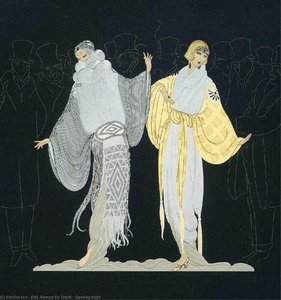
Evening Night ავტორის: Эрте́

Evening Night

Painting

This work captures the essence of a period defined by glamour and the shifting tides of modern design. The influence of Persian miniatures, known for their intricate detail, whispers through the patterns on the dresses. There is a tension between the organic curves of the women's forms and the sharp, structured nature of their attire. The scene feels like a fragment of a grander theatrical production or a high-fashion illustration…

2
Little Slave ავტორის: Эрте́

Little Slave

Tempera · Labirinto della Masone, Fontanellato

In the pantheon of twentieth-century visual culture, few names evoke the shimmering allure of the Jazz Age quite like Erté. His masterpiece, Little Slave, serves as a breathtaking window into an era defined by unparalleled glamour and sophisticated design. The artwork presents a stylized, ethereal depiction of a woman caught in a moment of theatrical grace, embodying the very soul of the Art Deco movement. Through elongated forms and meticulous…

3
At the Theatre, Trapeze ავტორის: Эрте́

At the Theatre, Trapeze

Screenprint

The scene unfolds within the composition of At the Theatre, Trapeze, a work that captures a singular moment of suspended motion. Created by the artist Erté, this piece emerges from his celebrated At the Theatre series. It exists as a refined expression of the Art Deco movement, where the precision of line and the elegance of form define the visual language. The work is classified under the genre of design,…

4
Fantasia ავტორის: Эрте́

Fantasia

Screenprint

The artwork titled Fantasia was produced by the artist Erté about 1982. This piece emerged from the hands of a man who bridged two worlds, born in Saint Petersburg, Russia, and later becoming a French artist. His life spanned from 1892 to 1990, a period that saw the rise and fall of many aesthetic movements.

5
At the Theatre, Golden Calf ავტორის: Эрте́

At the Theatre, Golden Calf

Screenprint

The scene unfolds through the vision of At the Theatre, Golden Calf, a work that carries the unmistakable signature of Erté. This piece emerges from the creative mind of Romain de Tirtoff, the man who chose the name Erté to navigate his path through the artistic circles of the twentieth century. He was born in 1892 in Saint Petersburg, Russia, a place that shaped the early sensibilities of a man…

6
Oriental Tale ავტორის: Эрте́

Oriental Tale

We are looking at Oriental Tale, a work by the artist known as Erté. His full name was Romain de Tirtoff, a man whose life spanned much of the twentieth century, from his birth in 1892 until his death in 1990. Born in Saint Petersburg, Russia, he eventually became a central figure in the Art Deco movement, bridging his Russian origins with the sophisticated sensibilities of France.

Эрте́-ის შერჩევა გრძელდება, 11-დან 100-მდე

Эрте́-ის ცნობილი სურათები, პერიოდების მიხედვით

Late Period

3 ნამუშწარwerks ამ სიაში

Art Deco

4 ნამუშწარwerks ამ სიაში

სუბიექტები, რომლებმაც Эрте́-ის ყურადღება მიიპყრო

ამ ორიგინალებში ყველაზე ხშირად განმეორებადი არის 네 თემა, რომელთაგან თითოეულს თავისი საუკეთესო ნიმუში წარმოგვიდგება.

მუზეუმები, სადაც Эрте́-ის ორიგინალები ინახება

მუზეუმი, რომელიც ამ გვერდზე წარმოდგენილი მოდგმების უმეტესობას ინახავს.

მუზეუმი ქალაქი Эрте́ შემოქმედებაలు ამ სიიდან მოპოვებული ნახატები
Labirinto della Masone, FontanellatoLabirinto della Masone Fontanellato 1 Little Slave

Эрте́ წელიწადმიწლით: ორიგინალები, რომლებიც განსაზღვრავენ თითოეულ მათგანს

1926-დან 1983-მდე, Эрте́ 58 წელი მუშაობდა: შერჩევა ასახავს ამ გრძელწლიან კარიერას წელიწად年-ობით, მისი საუკეთესო ორიგინალი ნამუშევრების მეშვეობით.

ნამუშევრები წლების მიხედვით

შეარჩიეთ წელი ორიგინალების სანახავად.

კოლექციონერთა კითხვები Эрте́-ის ნახატებზე

რა ნამუშწარესით არის ყველაზე ცნობილი Эрте́?გაამჟღავნეთ პასუხი

Evening Night. შემდეგ მოდიან Little Slave და At the Theatre, Trapeze.

რა არის Эрте́-ის 열 иң ცნობილი 열ი ტილო?გაამჟღავნეთ პასუხი

Evening Night, Little Slave, At the Theatre, Trapeze, Fantasia, At the Theatre, Golden Calf, Oriental Tale, The Seven Deadly Sins, Pride, The Seasons, Autumn, Eyes of Jealousy და Simone. ზემოთ მოცემული რეიტინგი ასახავს თითოეულის შემოქმედების წელსა და მუზეუმს.

რამდენი სურათი დატოვა Эрте́-მა?გაამჟღავნეთ პასუხი

ჩვენს კატალოგში წარმოდგენილია 360 ნამუშწევრი Эрте́-ისგან, დათარიღებული 1926-დან 1983-მდე.

რომელ მუზეუმებშია და hangs Эрте́-ის შედევრული ნამუშევრები?გაამჟღავნეთ პასუხი

ძირითადად Labirinto della Masone (Fontanellato)-ში. ზემოთ მოცემულ მუზეუმების ცხრილში ისინი ყველა listed.

რა არის Эрте́-ის პირველი და ბოლო ცნობილი ორიგინალი?გაამჟღავნეთ პასუხი

ამ გვერდზე ყველაზე ადრეული არის Marriage Dance (1926), ხოლო ყველაზე გვიანდელი — Phoenix Triumphant (1983).

რომელ თემებს ირჩევდა Эрте́ ყველაზე ხშირად?გაამჟღავნეთ პასუხი

Designs and sketches (56), Women (16) და Geometric design (8), ამ გვერდზე წარმოდგენილ 100 ნამუშწარეს შორის.

რომელ ტექნიკას იყენებდა Эрте́ ყველაზე ხშირად?გაამჟღავნეთ პასუხი

Screenprint, ამ გვერდზე არსებული 100 ნამუშწაროსგან 3 ცალიდან.

რა ხელოვნების მიმართულებას მიეკუთვნება Эрте́?გაამჟღავნეთ პასუხი

Art deco, ამ გვერდზე წარმოდგენილი ორიგინალების მიხედვით.

Эрте́: ცხოვრება და შემოქმედება

Early Life and Artistic Awakening

Romain de Tirtoff, universally recognized as Erté, was born into a world of aristocratic tradition in Saint Petersburg, Russia, on November 23, 1892. His lineage traced back centuries to Tatar khans—a heritage that instilled within him a profound appreciation for history and craftsmanship. His father, Admiral Nikolai de Tirtoff, served with distinction in the Imperial Russian Navy, shaping young Romain’s understanding of discipline and ambition. Yet, amidst these expectations of naval service, a fervent passion ignited – an irresistible yearning to express himself through art—a desire nurtured by his mother, Maria Vasilievna Volkova, who instilled within him a love for beauty and imagination. Legend recounts that at just five years old, Romain sketched an evening gown for his mother, capturing her grace with astonishing accuracy; this early demonstration of talent foreshadowed the extraordinary artistic journey ahead. Despite familial pressures to follow in his father’s footsteps, Erté felt compelled by an inner voice—a conviction that demanded creative fulfillment. This internal conflict led him to adopt the pseudonym “Erté”—a clever adaptation of his initials—to shield his family from potential disapproval as he pursued a path diverging from conventional norms. In 1910, at eighteen, he bravely severed ties with Russia for Paris—the epicenter of artistic innovation and fashion—embarking on an odyssey that would irrevocably transform his life’s trajectory.

Parisian Flourishing and the Birth of an Art Deco Icon

Arriving in Paris armed only with talent and determination, Erté swiftly immersed himself in the vibrant artistic currents of the Belle Époque. Initially employed as a draughtsman, he quickly transcended mere technical proficiency, envisioning his career beyond simple execution. Fate intervened when he presented his portfolio to Paul Poiret—the celebrated “King of Fashion”—who immediately discerned Erté’s exceptional gift. This collaboration proved transformative, providing him with invaluable experience in costume and accessory design and propelling him into the heart of Parisian haute couture. It was during this period that Erté honed his skills, experimenting with color palettes and textural contrasts – techniques that would become hallmarks of his distinctive artistic style. However, it was his association with Harper’s Bazaar that cemented Erté's reputation as an icon of Art Deco. From 1915 to 1936, he graced over 240 covers with breathtaking illustrations—a remarkable feat of creativity and consistency. These weren’t merely fashion plates; they were exquisite works of art—elongated figures draped in opulent costumes against stylized backgrounds—capturing the spirit of an era defined by glamour and modernity. Erté didn't simply depict fashion; he defined it, embodying the aesthetic principles of Art Deco with unparalleled elegance and precision. His signature style – characterized by bold lines, geometric shapes, and luxurious textures – became synonymous with the movement’s visual language.

Beyond Fashion: Theater, Hollywood, and Artistic Evolution

Erté's artistic versatility extended far beyond the realm of fashion illustration. He possessed a remarkable aptitude for theatrical design, crafting costumes and sets that elevated performances to new heights. Collaborating with luminaries like Sergei Diaghilev—the visionary impresario of Les Ballets Russes—he conceived productions that blended music, dance, and visual spectacle—demonstrating his mastery of composition and artistic vision. Erté’s designs weren't merely garments; they were transformative creations that breathed life into characters and amplified the dramatic impact of each performance. This foray into theater allowed him to explore his creativity on a grand scale, experimenting with color, texture, and form in ways that further refined his artistic sensibilities. In 1925, Erté embarked upon an ambitious adventure—crossing the Atlantic to establish himself in Hollywood—accepting a contract with Metro-Goldwyn-Mayer Studios. Though his time in film was relatively brief, it exposed him to a new audience and broadened his creative horizons. He continued to exhibit his work, holding his inaugural solo exhibition at the Madison Hotel in New York City that same year – marking a significant milestone that brought his art to a wider public sphere. Throughout this period, Erté’s artistic style underwent subtle yet profound refinements—reflecting the evolving aesthetic landscape of the era and solidifying his legacy as an artist who transcended boundaries. ##Legacy and Enduring Influence Erté's influence reverberates throughout the annals of art history—a testament to his pioneering spirit and enduring vision. He is universally regarded as a cornerstone of Art Deco, shaping its visual identity and inspiring generations of artists and designers. His designs have permeated fashion trends, interior design aesthetics, and graphic arts—leaving an indelible mark on the cultural landscape of the 20th century. Erté’s work remains celebrated for its elegance, sophistication, and timeless beauty – a beacon of artistic excellence that continues to captivate audiences worldwide. He received numerous accolades recognizing his contributions to the arts, including the Chevalier du Mérite Artistique et Culturel from the French government—a final affirmation of his profound impact on visual culture.