1


განახლდა ნოემბერი 2026 · დალაგებულია ჩვენი პოპულარობის ქულების მიხედვით (ძიება, ნახვა და შეკვეთები თითოეული ნამუშწაროსთვის) · 6 ნამუშევარი Eric Thornton Prehn ჩვენს კატალოგში
მოკლედ რომ ვთქვათ
Eric Thornton Prehn-ის ყველა დატოვებული ორიგინალიდან ყველაზე ცნობილი Brave New World (1943) არის. მისდაក្រោយ Greyfriars Churchyard და Palace of Westminster from Lambeth Palace მოდიან. ჩვენს კატალოგში Eric Thornton Prehn-ის 6 ნამუშწარებია; გალერეამ შეინافظა ის 6 ნამუშწარო, რომლებსაც მსოფლიო ყველაზე მეტად აღიარებს, რომელთაგან თითოეული წარმოდგენილია თვის, მუზეუმისა და ისტორიის თანხლებით.
მუზეუმი, რომელიც ამ გვერდზე წარმოდგენილი მოდგმების უმეტესობას ინახავს.
| მუზეუმი | ქალაქი | Eric Thornton Prehn შემოქმედებაలు | ამ სიიდან მოპოვებული ნახატები |
|---|---|---|---|
 Nhs Lothian |
Edinburgh | 2 | Trees and Path, Trees and River |
1943 არის ამ შერჩევაში წარმოდგენილი ყველა დათარიღებული Eric Thornton Prehn-ის ნამუშევრის წელი: აი ისინი, დალაგებული პოპულარობის მიხედვით.
შეარჩიეთ წელი ორიგინალების სანახავად.
Brave New World (1943). შემდეგ მოდიან Greyfriars Churchyard და Palace of Westminster from Lambeth Palace.
ჩვენს კატალოგში წარმოდგენილია 6 ნამუშgery Eric Thornton Prehn-ისგან.
ძირითადად Nhs Lothian (Edinburgh)-ში. ზემოთ მოცემულ მუზეუმების ცხრილში ისინი ყველა listed.
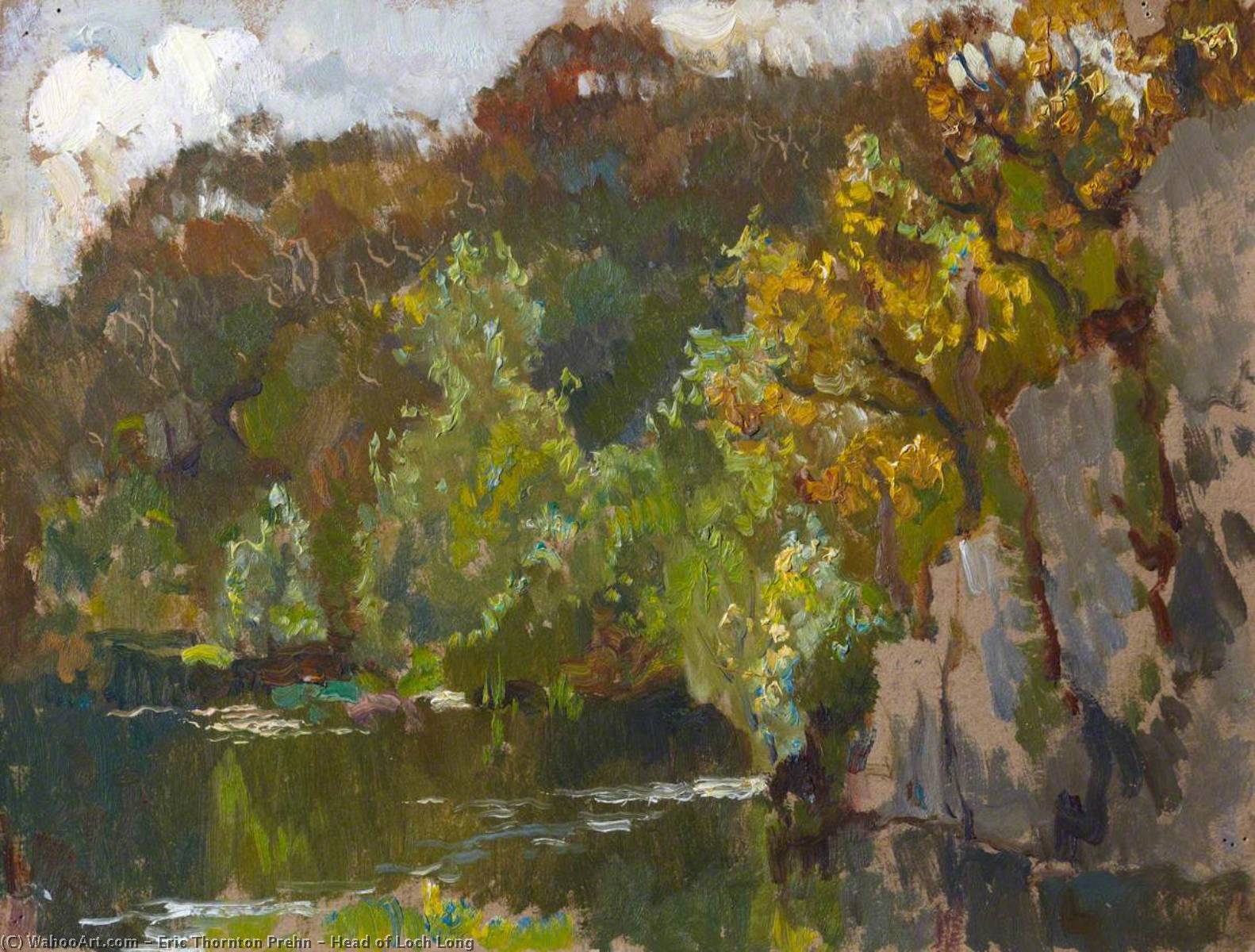
Trees and Path და Trees and River: Nhs Lothian, Edinburgh-ში წარმოდგენილია ამ გვერდზე მოცემული ნამუშევრების 2 ცალი.
In the soft, mist-laden expanses of the Scottish Highlands, there exists a particular kind of silence—a stillness that is not merely the absence of sound, but a profound presence of spirit. It was this very atmosphere that Eric Thornton Prehn (1894–1985) sought to immortalize upon his canvases. A master of understated Romanticism, Prehn possessed the rare ability to translate the rugged, often harsh textures of the Scottish landscape into scenes of contemplative beauty. His work does not shout with the dramatic bravado of some of his contemporaries; instead, it whispers, inviting the viewer into a world of subtle tonal shifts and atmospheric depth where every layer of paint serves to capture a fleeting moment of light or a lingering sense of solitude.
Born in Edinburgh, Prehn’s artistic identity was deeply rooted in the landscapes of his homeland. His formal education at the prestigious Slade School of Fine Art in London provided him with a rigorous technical foundation, yet his heart remained tethered to the northern vistas. This duality—the disciplined academic training of London paired with the raw, emotive power of the Scottish terrain—became the cornerstone of his creative evolution. As he matured, his style began to coalesce into a unique synthesis of influences. While he drew significant inspiration from the Impressionist masters, particularly Claude Monet and Pierre-Auguste Renoir, in their pursuit of light and color, Prehn moved beyond their ephemeral brightness. He instead looked toward the tradition of Northern Romanticism, finding a kindred spirit in the works of Caspar David Friedrich, whose emphasis on the sublime and the solitary helped shape Prehn’s vision of nature as a vessel for introspection.
The enduring allure of a Prehn painting lies in its remarkable physical depth. Eschewing the flat application of pigment, the artist perfected a meticulous glazing technique that allowed him to build his compositions through successive, translucent layers of oil paint. This method was essential for achieving the luminous quality that characterizes his most celebrated works. By layering thin veils of color, he could simulate the way light penetrates a heavy mist or reflects off a damp, mossy stone, creating a sense of three-dimensionality that feels almost tactile. His palette was intentionally restrained, favoring a sophisticated range of muted tones: deep ochres, earthy browns, slate greys, and various shades of verdant green. These colors were not merely descriptive but emotive, reflecting the somber yet majestic moods of the Scottish landscape during its more wintry, atmospheric seasons.
Prehn’s oeuvre, which comprises approximately 300 paintings, demonstrates a remarkable consistency in both subject and spirit. His landscapes often feature:
Though Prehn may not have achieved widespread fame during his lifetime, his historical significance has been reaffirmed by a growing appreciation for the nuances of British landscape painting in recent decades. He stands as a vital link between the late Impressionist movement and a more localized, emotive form of Romanticism. His ability to find the sublime within the ordinary—to see the monumental in a simple churchyard or the epic in a snow-covered field—has ensured his place in the canon of Scottish art. Today, his works serve as poignant reminders of a period when artists sought to capture the soul of a landscape through patience, observation, and an unwavering devotion to the subtle truths of nature.