ელი სისითკჲ პორტრეტი

ელი სისითკჲ-ის ნახატები: 67 ყველაზე ცნობილი ნამუშევარი, গალერეის თcraftით

განახლდა ნოემბერი 2026 · დალაგებულია ჩვენი პოპულარობის ქულების მიხედვით (ძიება, ნახვა და შეკვეთები თითოეული ნამუშწაროსთვის) · 71 ნამუშევარი ელი სისითკჲ ჩვენს კატალოგში

მოკლედ რომ ვთქვათ

გალერეის შეხედულებით, ელი სისითკჲ-ის ყველაზე ცნობილი ნამუშწაროა Kestnermappe Proun, Rob. Levnis and Chapman GmbH Hannover #7 (1923), რომლის ორიგინალი ბერარდოს კოლექციის მუზეუმი-ში, ლისაბონი-ში hangs. პრუნ 4 B (1920) და დაამარცხე თეთრები წითელიკუთხეს მიერ (1920) ქმნიან იმ ტრიოს, რომელიც ყველამ იცნობს. ჩვენს კატალოგში არსებული ელი სისითკჲ-ის 71 ნამუშწაროდან, გალერეა ქვემოთ წარმოგიდგენთ 67 ყველაზე ცნობილ მათგანს; თითოეული მათგანი არის ორიგინალი, რომლის აღწერა მოიცავს შემოქმედების წელს, მუზეუმს და იმ დეტალებს, რაც მას უნიკალურს ხდის.

1890 – 1941, პოჩინოკი Კონსტრუქტივიზმი ყველაზე მეტი ნამشევრი: ბერარდოს კოლექციის მუზეუმი

გალერეის ელი სისითკჲ 10 საუკეთესო ნამი에도

1
Kestnermappe Proun, Rob. Levnis and Chapman GmbH Hannover #7 (1923) ავტორის: ელი სისითკჲ

Kestnermappe Proun, Rob. Levnis and Chapman GmbH Hannover #7

1923 · ლითოგრაფია · ბერარდოს კოლექციის მუზეუმი, ლისაბონი

The Geometry of Revolution In the feverish atmosphere of 1923, El Lissitzky birthed a visual language that would forever alter the trajectory of modern art. This lithograph, a profound excerpt from the legendary Kestnermappe Proun portfolio, stands as a monumental testament to the radical principles of Suprematism. It was an era defined by seismic shifts in politics and technology, where artists sought to liberate the canvas from the heavy chains…

2
პრუნ 4 B (1920) ავტორის: ელი სისითკჲ

პრუნ 4 B

1920 · აკრილი ტილოზე · თისენ-ბორნემიმზას მუზეუმი, მადრიდი

A Universe in Miniature: Decoding El Lissitzky’s *Proun 4 B* El Lissitzky's *Proun 4 B*, created in 1920, isn’t simply a painting; it’s a visual manifesto of a new era. Emerging from the turbulent aftermath of revolution and war, this work embodies the core tenets of Constructivism – an art movement dedicated to reflecting modern industrial society and forging a path toward a utopian future. Measuring 70 x 55 cm…

3
დაამარცხე თეთრები წითელიკუთხეს მიერ (1920) ავტორის: ელი სისითკჲ

დაამარცხე თეთრები წითელიკუთხეს მიერ

1920 · ფერწერა

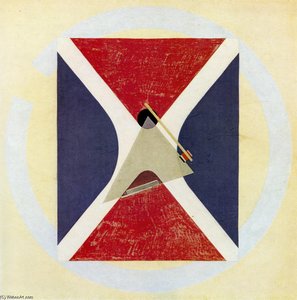
To stand before "Beat the Whites with the Red Wedge" is not merely to observe a painting; it is to confront a manifesto rendered in pigment and form. This seminal work by El Lissitzky, dating from 1920, pulses with the raw, electrifying energy of a world undergoing seismic shifts. It is an artifact steeped in the fervor of post-revolutionary Russia, where art was not considered a mere decoration but a…

4
პრუნი (1923) ავტორის: ელი სისითკჲ

პრუნი

1923 · ზეთი

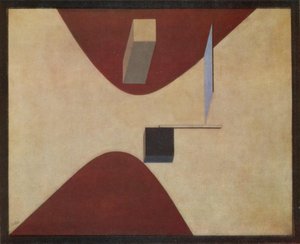
El Lissitzky's 1923 painting, *Proun*, isn’t merely a composition of shapes; it’s an architectural manifesto rendered in pigment and line. This seminal work from the heart of the Russian Constructivist movement pulsates with a revolutionary energy, inviting us to reconsider our relationship with space, form, and perception. The piece immediately commands attention with its bold simplicity – a predominantly yellow field punctuated by vibrant red and stark black geometric forms.…

5
ყველა ბავშვს (1920) ავტორის: ელი სისითკჲ

ყველა ბავშვს

1920 · მელნით შესრულებული ნამუშევრები ქაღალდზე

In the turbulent landscape of 1920, amidst the fervent energy of the Russian Revolution, El Lissitzky birthed a visual language that would forever alter the trajectory of modern design. His work, "To all the children," is not merely an arrangement of shapes but a bold declaration of Constructivist ideals. At first glance, the piece presents a striking, minimalist aesthetic, dominated by a monumental, thick sans-serif letter ‘P’ that commands the…

6
პროუნ 19დ (1922) ავტორის: ელი სისითკჲ

პროუნ 19დ

1922 · აკრილი ტილოზე

El Lissitzky-ის *Proun 19D*, რომელიც შექმნილია 1922 წელს, არ არის მხოლოდ ნახატი; ეს არის რევოლუციის fragmentი. წარმოი lähtuu post-revolutionary Russia-დან, ეს ნ œuvres ემ correspond to Constructivism და Suprematism-ს სულისძახვას, თუმცა გადაჭარხულია მარტივი კატეგორიზაციით. ის წარდგენილია როგორც დინამიკური tương tác geometric forms-ებს შორის – плоскостей, углов და წრეებს – suspended within a field of ochre yellow. Композиция не является репрезентативной в традиционном смысле; скорее, она ощущается как exploded architectural drawing,…

7
Proun 30 (1920) ავტორის: ელი სისითკჲ

Proun 30

1920 · Painting

A gray square anchors the composition, heavy and unmoving. It is a solid weight in an otherwise weightless void. Two triangles intersect this central plane, their edges sharp and precise. One is larger, pressing against the left, while a smaller form cuts through the space. The palette is stripped to its bones: grays, blacks, and whites. There is no warmth here, only the cold logic of the line. The shapes…

8
Kestnermappe Proun, Rob. Levnis and Chapman GmbH Hannover #5 (1923) ავტორის: ელი სისითკჲ

Kestnermappe Proun, Rob. Levnis and Chapman GmbH Hannover #5

1923 · ლითოგრაფია · ბერარდოს კოლექციის მუზეუმი, ლისაბონი

In the turbulent landscape of 1923, as the world grappled with the seismic shifts of the post-war era, El Lissitzky birthed a visual language that would forever alter the trajectory of modernism. His Kestnermappe Proun, Rob. Levnis and Chapman GmbH Hannover #5 is not merely a lithograph; it is a profound manifesto of the Constructivist spirit. This striking black and white composition serves as a window into a period where…

9
Wendingen (1921) ავტორის: ელი სისითკჲ

Wendingen

1921 · ლითოგრაფია · MOMA - მოდერნ არტის მუზეუმი, ნიუ-იორკი

El Lissitzky's "Wendingen": A Geometric Symphony of Form and Space Overview: El Lissitzky’s “Wendingen,” created in 1921, is a striking example of early abstract art, deeply rooted in the Constructivist and Suprematist movements. This artwork isn't merely a painting but a cover design for the Dutch magazine "Wendingen," dedicated to modern architecture and design. It embodies Lissitzky’s vision of “Proun,” a concept aiming to synthesize architecture, engineering, and art into…

10
Cover of the book 'Teyashim' ('Four billy goats') (1922) ავტორის: ელი სისითკჲ

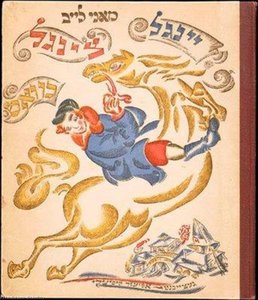
Cover of the book 'Teyashim' ('Four billy goats')

1922 · Ink On Paper

El Lissitzky's “Cover of the book ‘Teyashim’ ('Four billy goats')", created in 1922, stands as a cornerstone of Constructivist art—a movement that sought to liberate visual language from representational constraints and forge a new aesthetic rooted in functionality and geometric abstraction. More than just a decorative element for a children's book, it embodies the spirit of its time: a fervent belief in the transformative power of art to reshape society…

ელი სისითკჲ-ის ნახატები, რეიტინგით 11-დან 67-მდე

11Kestnermappe Proun, Rob. Levnis and Chapman GmbH Hannover #2 (1923) ავტორის: ელი სისითკჲKestnermappe Proun, Rob. Levnis and Chapman GmbH Hannover #21923 · ბერარდოს კოლექციის მუზეუმი 12Proun 8 ავტორის: ელი სისითკჲProun 8 13The Constructor (1924) ავტორის: ელი სისითკჲThe Constructor1924 14Cover of the avant guard periodical 'Vyeshch' (1922) ავტორის: ელი სისითკჲCover of the avant guard periodical 'Vyeshch'1922 15Proun (1925) ავტორის: ელი სისითკჲProun1925 16კესტნერმაპე პროუნი, რობ. ლევნიშ და ჩაპმან გმბჰ ჰანოვერი #3 (1923) ავტორის: ელი სისითკჲკესტნერმაპე პროუნი, რობ. ლევნიშ და ჩაპმან გმბჰ ჰანოვერი #31923 · ბერარდოს კოლექციის მუზეუმი 17კესტნერმაპე პროუნი, რობ. ლევნიშ და ჩაპმან გმბჰ ჰანოვერი #6 (1923) ავტორის: ელი სისითკჲკესტნერმაპე პროუნი, რობ. ლევნიშ და ჩაპმან გმბჰ ჰანოვერი #61923 · ბერარდოს კოლექციის მუზეუმი 18Cover of Broom (1923) ავტორის: ელი სისითკჲCover of Broom1923 19Preliminary sketch for a poster (1920) ავტორის: ელი სისითკჲPreliminary sketch for a poster1920 20Proun 19D (1920) ავტორის: ელი სისითკჲProun 19D1920 · MOMA - მოდერნ არტის მუზეუმი 21Proun G.B.A. (1923) ავტორის: ელი სისითკჲProun G.B.A.1923 · Kunstmuseum Den Haag 22Basic Calculus (1928) ავტორის: ელი სისითკჲBasic Calculus1928 23Catalog cover (1923) ავტორის: ელი სისითკჲCatalog cover1923 24Proun 43 ავტორის: ელი სისითკჲProun 43 25პროუნ 1 ჩ (1919) ავტორის: ელი სისითკჲპროუნ 1 ჩ1919 26Book cover for 'Suprematic tale about two squares' (1920) ავტორის: ელი სისითკჲBook cover for 'Suprematic tale about two squares'1920 27Proun 23, No.6 (1919) ავტორის: ელი სისითკჲProun 23, No.61919 28Proun 5 A (1919) ავტორის: ელი სისითკჲProun 5 A1919 29Kestnermappe Proun, Rob. Levnis and Chapman GmbH Hannover #4 (1923) ავტორის: ელი სისითკჲKestnermappe Proun, Rob. Levnis and Chapman GmbH Hannover #41923 · ბერარდოს კოლექციის მუზეუმი 30Proun (1923) ავტორის: ელი სისითკჲProun1923 31Portrait of a Man (1912) (1912) ავტორის: ელი სისითკჲPortrait of a Man (1912)1912 32Iron in clouds', for Strastnoy Boulevard (1925) ავტორის: ელი სისითკჲIron in clouds', for Strastnoy Boulevard1925 33Cover for 'Good!' by Vladimir Mayyakovsky (1927) ავტორის: ელი სისითკჲCover for 'Good!' by Vladimir Mayyakovsky1927 34Cover to 'For the voice' by Vladimir Mayakovsky (1920) ავტორის: ელი სისითკჲCover to 'For the voice' by Vladimir Mayakovsky1920 35The Fire Came and Burnt the Stick (1919) ავტორის: ელი სისითკჲThe Fire Came and Burnt the Stick1919 · Jewish Museum 36Tatlin at Work ავტორის: ელი სისითკჲTatlin at Work 37Flying Sun (1916) ავტორის: ელი სისითკჲFlying Sun1916 38There is over (1920) ავტორის: ელი სისითკჲThere is over1920 39Untitled (1920) ავტორის: ელი სისითკჲUntitled1920 · Solomon R. Guggenheim Museum 40Lenin Tribune (1920) ავტორის: ელი სისითკჲLenin Tribune1920 41The Stick Came and Beat the Dog (1919) ავტორის: ელი სისითკჲThe Stick Came and Beat the Dog1919 · Jewish Museum 42New Man (1923) ავტორის: ელი სისითკჲNew Man1923 43l.n.31 (1924) ავტორის: ელი სისითკჲl.n.311924 44Flying to earth from a distance (1920) ავტორის: ელი სისითკჲFlying to earth from a distance1920 45Proun 1E (City) (1920) ავტორის: ელი სისითკჲProun 1E (City)1920 · National Art Museum of Azerbaijan 46Chair for the exhibition (1928) ავტორის: ელი სისითკჲChair for the exhibition1928 47Four (arithmetic) actions (1928) ავტორის: ელი სისითკჲFour (arithmetic) actions1928 48Father Bought a Kid for Two Zuzim (1919) ავტორის: ელი სისითკჲFather Bought a Kid for Two Zuzim1919 · Jewish Museum 49Insert the red and clear on black (1920) ავტორის: ელი სისითკჲInsert the red and clear on black1920 50Reminiscence of Ravenna (1914) ავტორის: ელი სისითკჲReminiscence of Ravenna1914 51Proun 1 A, Bridge I (1919) ავტორის: ელი სისითკჲProun 1 A, Bridge I1919 52The Ox Came and Drank the Water (1919) ავტორის: ელი სისითკჲThe Ox Came and Drank the Water1919 · Jewish Museum 53Proun 99 (1924) ავტორის: ელი სისითკჲProun 991924 · იეილის უნივერსიტეტის სახელოვნებო გალერეა 54Book cover for 'Ingle-Tsingl-Khvat' by Mani Leib (1918) ავტორის: ელი სისითკჲBook cover for 'Ingle-Tsingl-Khvat' by Mani Leib1918 55All for the front! All for Victory! ავტორის: ელი სისითკჲAll for the front! All for Victory! 56Composition (1920) ავტორის: ელი სისითკჲComposition1920 57Announcer (1923) ავტორის: ელი სისითკჲAnnouncer1923 58Book cover for 'Chad Gadya' by El Lissitzky (1919) ავტორის: ელი სისითკჲBook cover for 'Chad Gadya' by El Lissitzky1919 · MOMA - მოდერნ არტის მუზეუმი 59Beat all the scattered (1920) ავტორის: ელი სისითკჲBeat all the scattered1920 60Merz' Magazine Layout (1924) ავტორის: ელი სისითკჲMerz' Magazine Layout1924 61Vive la Commune 1871 ავტორის: ელი სისითკჲVive la Commune 1871Folkwang-ის მუზეუმი 62Central Park of Culture and Leisure Sparrow Hills ავტორის: ელი სისითკჲCentral Park of Culture and Leisure Sparrow Hills 63The Cat Came and Devoured the Kid (1919) ავტორის: ელი სისითკჲThe Cat Came and Devoured the Kid1919 · Jewish Museum 64Proun 30 T ავტორის: ელი სისითკჲProun 30 T 65Proun G7 (1923) ავტორის: ელი სისითკჲProun G71923 66Proun Interpenetrating Planes ავტორის: ელი სისითკჲProun Interpenetrating Planes 67Proun 3 A ავტორის: ელი სისითკჲProun 3 A

ელი სისითკჲ-ის ცნობილი სურათები, პერიოდების მიხედვით

ადრეული პერიოდი

1919 – 1921 · 3 ნამუშწარwerks ამ სიაში

Early Modern

1919 – 1920 · 3 ნამუშწარwerks ამ სიაში

სუბიექტები, რომლებმაც ელი სისითკჲ-ის ყურადღება მიიპყრო

ამ ორიგინალებში ყველაზე ხშირად განმეორებადი არის 네 თემა, რომელთაგან თითოეულს თავისი საუკეთესო ნიმუში წარმოგვიდგება.

მუზეუმები, სადაც ელი სისითკჲ-ის ორიგინალები ინახება

ამ გვერდზე წარმოდგენილი მხატვრობის შედეგების უმეტესობას 8 მუზეუმი ინახავს.

მუზეუმი ქალაქი ელი სისითკჲ შემოქმედებაలు ამ სიიდან მოპოვებული ნახატები
ბერარდოს კოლექციის მუზეუმი, ლისაბონიბერარდოს კოლექციის მუზეუმი ლისაბონი 6 Kestnermappe Proun, Rob. Levnis and Chapman GmbH Hannover #7, Kestnermappe Proun, Rob. Levnis and Chapman GmbH Hannover #5, Kestnermappe Proun, Rob. Levnis and Chapman GmbH Hannover #2
Jewish Museum, ნიუ-იორკიJewish Museum ნიუ-იორკი 5 The Fire Came and Burnt the Stick, The Stick Came and Beat the Dog, Father Bought a Kid for Two Zuzim
MOMA - მოდერნ არტის მუზეუმი, ნიუ-იორკიMOMA - მოდერნ არტის მუზეუმი ნიუ-იორკი 3 Wendingen, Proun 19D, Book cover for 'Chad Gadya' by El Lissitzky
თისენ-ბორნემიმზას მუზეუმი, მადრიდითისენ-ბორნემიმზას მუზეუმი მადრიდი 1 პრუნ 4 B
Kunstmuseum Den Haag, ჰააგაKunstmuseum Den Haag ჰააგა 1 Proun G.B.A.
Solomon R. Guggenheim Museum, New YorkSolomon R. Guggenheim Museum New York 1 Untitled
National Art Museum of Azerbaijan, BakuNational Art Museum of Azerbaijan Baku 1 Proun 1E (City)
იეილის უნივერსიტეტის სახელოვნებო გალერეა, ნიუ ჰეივენიიეილის უნივერსიტეტის სახელოვნებო გალერეა ნიუ ჰეივენი 1 Proun 99

ელი სისითკჲ, ყოველი წლის გამორჩეული ნამუშევრები

17 წელი ელი სისითკჲ-ის შემოქმედებიდან 1912-დან 1928-მდე: გალერეა მათ წელიწადী마다, თითოეული მათგანის ყველაზე ცნობილი ორიგინალების მეშვეობით

ნამუშევრები წლების მიხედვით

შეარჩიეთ წელი ორიგინალების სანახავად.

ელი სისითკჲ-ის ნახატები: გალერეის პასუხები

რომელი ელი სისითკჲ ტილოა ყველაზე ცნობილი?გაამჟღავნეთ პასუხი

Kestnermappe Proun, Rob. Levnis and Chapman GmbH Hannover #7 (1923), ბერარდოს კოლექციის მუზეუმი, ლისაბონი. შემდეგ მოდიან პრუნ 4 B (1920) და დაამარცხე თეთრები წითელიკუთხეს მიერ (1920).

რამდენage იყო ელი სისითკჲ Kestnermappe Proun, Rob. Levnis and Chapman GmbH Hannover #7-ის დასრულებისას?გაამჟღავნეთ პასუხი

33 წლის: Kestnermappe Proun, Rob. Levnis and Chapman GmbH Hannover #7 შექმნილია 1923 წელს, ხოლო ელი სისითკჲ დაიბადა 1890 წელს.

რომელია ელი სისითკჲ-ის 10 საუკეთესო ნამუშწარო?გაამჟღავნეთ პასუხი

Kestnermappe Proun, Rob. Levnis and Chapman GmbH Hannover #7, პრუნ 4 B, დაამარცხე თეთრები წითელიკუთხეს მიერ, პრუნი, ყველა ბავშვს, პროუნ 19დ, Proun 30, Kestnermappe Proun, Rob. Levnis and Chapman GmbH Hannover #5, Wendingen და Cover of the book 'Teyashim' ('Four billy goats'). ზემოთ მოცემული რეიტინგი ასახავს თითოეულის შემოქმედების წელსა და მუზეუმს.

რამდენიმე ნამუშწარები შექმნა ელი სისითკჲ-მა?გაამჟღავნეთ პასუხი

ჩვენს კატალოგში წარმოდგენილია 71 ნამუშწევრი ელი სისითკჲ-ისგან, დათარიღებული 1912-დან 1928-მდე.

სად hanging ელი სისითკჲ-ის ყველაზე ცნობილი ორიგინალები?გაამჟღავნეთ პასუხი

ძირითადად ბერარდოს კოლექციის მუზეუმი (ლისაბონი), Jewish Museum (ნიუ-იორკი) და MOMA - მოდერნ არტის მუზეუმი (ნიუ-იორკი)-ში. ზემოთ მოცემულ მუზეუმების ცხრილში ისინი ყველა listed.

როდის შექმნა ელი სისითკჲ-მა ყველაზე ცნობილი სურათები?გაამჟღავნეთ პასუხი

1920-ში: ამ გვერდზე წარმოდგენილი 67 ნამუშწარwerksიდან 16 შეიქმნა მაშინ, მათგან პრუნ 4 B.

რომლებიც ელი სისითკჲ-ის ყველაზე ადრეული და ბოლო ცნობილი ნამუშევრებია?გაამჟღავნეთ პასუხი

ამ გვერდზე ყველაზე ადრეული არის Portrait of a Man (1912) (1912), ხოლო ყველაზე გვიანდელი — Basic Calculus (1928).

რომელ თემებს მიმართავდა ელი სისითკჲ ყველაზე ხშირად?გაამჟღავნეთ პასუხი

Geometric abstraction (19), Russian art (13) და Lissitzky (12), ამ გვერდზე წარმოდგენილ 67 ნამუშწარეს შორის.

რა ტექნიკით მუშაობდა ელი სისითკჲ ყველაზე ხშირად?გაამჟღავნეთ პასუხი

Acrylic On Canvas, ამ გვერდზე არსებული 67 ნამუშწაროსგან 22 ცალიდან.

რომელ მიძღვნასთან არის დაკავშირებული ელი სისითკჲ?გაამჟღავნეთ პასუხი

Კონსტრუქტივიზმი, ამ გვერდზე წარმოდგენილი ორიგინალების მიხედვით.

რომელი ელი სისითკჲ-ის ორიგინალები ინახავს ბერარდოს კოლექციის მუზეუმი?გაამჟღავნეთ პასუხი

Kestnermappe Proun, Rob. Levnis and Chapman GmbH Hannover #7, Kestnermappe Proun, Rob. Levnis and Chapman GmbH Hannover #5 და Kestnermappe Proun, Rob. Levnis and Chapman GmbH Hannover #2: ბერარდოს კოლექციის მუზეუმი, ლისაბონი-ში წარმოდგენილია ამ გვერდზე მოცემული ნამუშევრების 6 ცალი.

ელი სისითკჲ: მხატვარი

The Life and Art of El Lissitzky

Born Lazar Markovich Lissitzky on November 23, 1890, the man who would become known as El Lissitzky entered a world of quiet tradition in Pochinok. This small Jewish community lay about 50 kilometers southeast of Smolensk in the Russian Empire. His father, Mordukh Zalmanovich Lissitzky, was a man of letters and travel, a well-educated agent who moved through the world with a command of English and German. This linguistic breadth and the family's connections to the broader European landscape would eventually mirror the expansive, restless energy of the artist himself. Whether called Elizar Lissitzky or Lasar Markowitsch Lissitzky, he was a figure of immense variety, refusing to be confined to a single medium or a single purpose.

His creative output was a vast and restless thing. He was a painter and an illustrator, but he also worked as a designer, a printmaker, and a photographer. His mind moved toward the structural, leading him into the realms of architecture and the precise demands of typography. He was a man of the new era, a Russian and Soviet artist who sought to build something tangible from the abstract ideas of his time. His life was a constant movement between the roles of an intellectual explorer and a practical craftsman, a duality that defined his many contributions to the visual language of the twentieth century.

Early Life, Family and Training

The foundations of his life were laid in the small Russian town of Pochinok, but his early years were marked by movement. Between 1891 and 1898, his family resided in Vitebsk, a place that would later influence his understanding of cultural identity. By 1899, he had moved to Smolensk to live with his grandfather, where he attended City School 1. It was during these formative years that his innate talent first met formal guidance; at age 13, he began receiving instruction from Yury Pen, a teacher who recognized the potential in the young student.

Ambition often meets the resistance of rigid systems. In 1909, he sought entry into the St. Petersburg Academy of Arts, yet his application was rejected. This refusal was likely the result of the restrictive Jewish quota imposed by the Tsarist regime, a barrier that diverted his path away from the traditional Russian academies. Instead of yielding to this setback, he turned his gaze toward Germany. He enrolled at the Darmstadt Polytechnic Institute to study architectural engineering, a discipline that would forever lend a structural logic to his later visual experiments. He spent five years there, working as a bricklayer to sustain himself and spending his vacations visiting local Jewish historical sites to study their forms and decorations.

His time in Germany was defined by academic rigor and a deep engagement with the physical world. He did not merely study theory; he immersed himself in the practicalities of construction and design. This period of intense training concluded in 1914, when he graduated cum laude from the Darmstadt Polytechnic. He returned to Russia not just as a student of art, but as a trained engineer, carrying with him a precise understanding of space and structure that would eventually redefine the boundaries of modern design.

The Suprematist Period and Unovis

The trajectory of his creative life shifted profoundly when he encountered Kazimir Malevich. This meeting drew him into the orbit of Suprematism, a movement that sought to strip art of all representational burdens. In 1919, an invitation arrived from Marc Chagall, who asked him to join the faculty of the Vitebsk Popular Art School. It was within this educational setting that he became a member of the Suprematist group UNovis, or the Affirmers of New Art. He did not merely follow the established paths of his peers; instead, he sought to expand the very boundaries of what these geometric forms could achieve.

He began to develop a distinct series of works that he called Proun, a term derived from the Russian phrase proyekt utverzhdenya novogo, meaning project for the affirmation of the new. These were not simple paintings, but rather investigations into how space and form might interact. He executed his first Proun in 1919, marking the start of a period where he blended the principles of graphic arts with architectural thought. His work during these years moved away from the flat planes of pure abstraction toward a more complex, three-dimensional understanding of the world.

Constructivism and Social Engagement

By 1920, Lissitzky had moved beyond the purely spiritual inquiries of his earlier years to embrace the structured, purposeful energy of Constructivism. He sought to transform the artist from a solitary dreamer into an active agent for change, a concept he understood as das zielbewußte Schaffen, or goal-oriented creation. This conviction drew him into the heart of the Soviet educational system, where he taught at the Vkhutemas technical school alongside Vladimir Tatlin. Here, the focus shifted toward how art might function within a modern, industrial society, moving from the canvas into the realm of practical, social utility.

His work became deeply intertwined with the political pulse of the era. He dedicated much of his energy to designing exhibition displays and propaganda works that sought to communicate the ideals of the new state. In one striking instance, he produced a poster in 1941 that rallied the people to construct more tanks to fight against Nazi Germany. Even in his earlier, more abstract compositions, the political subtext was often clear. His 1920 work, Beat the Whites with the Red Wedge, utilized sharp geometric forms to engage with the tensions of the time, offering a visual play on an antisemitic slogan to support the revolutionary cause.

Technique and Style

Lissitzky’s hand moved between the precision of an engineer and the intuition of a painter. He sought to bridge the gap between the physical world and the abstract, often exploring how technology and the human experience might intersect through visual form. This was most evident in his Proun works, which functioned as a complex fusion of graphic arts, architectural forms, photography, and painting. These compositions were not merely static images but investigations into space and structure. He often utilized lithography to achieve his effects, a technique that allowed for durable prints and a wide range of tonal variations that gave his geometric shapes a sense of depth and weight.

His approach to design was marked by a restless experimentation with production techniques and stylistic devices that would eventually define the visual language of the 20th century. He brought a sharp, innovative eye to typography, book design, and photomontage, treating the printed page as a site for architectural construction. Even as he embraced the radical geometries of the avant-garde, his work remained quietly tethered to his roots, incorporating elements of traditional Jewish typography, art, and architecture into his modern compositions. This blend of the ancient and the industrial allowed him to navigate the tension between cultural memory and the rapid pace of a changing society.

International Activity and Cultural Exchange

The borders of the Russian avant-garde could not contain his restless spirit. Between 1921 and 1925, he moved through the heart of Europe, wandering through Paris, Belgium, Italy, and Switzerland. During these years abroad, he acted as a cultural ambassador to the Weimar Republic, carrying the radical ideas of his homeland into the West. He did not merely observe these foreign landscapes; he actively shaped their visual discourse by contributing to art magazines and publishing books that challenged traditional ways of seeing. His presence in these centers of thought ensured that the energy of the revolution was felt far beyond the borders of the Soviet Union.

His work in Berlin was particularly significant. In 1922, he designed the Constructivists' exhibition at the Galerie van Diemen, an endeavor that brought the structural logic of his movement to a new audience. This period of intense exchange was marked by collaborations that bridged different artistic circles. In 1924, he worked with Kurt Schwitters on the periodical Merz, a partnership that merged different approaches to graphic design and composition. Through these connections, his influence began to travel even further. He met Lászlo Moholy-Nagy, a meeting that proved vital, as Moholy-Nagy helped carry his concepts across Western Europe and into the United States, ensuring his ideas would take root in the burgeoning modernism of the West.

Later Years and Death

The final years of Lissitzky’s life were marked by the heavy shadows of global conflict and personal frailty. As the world descended into the chaos of war, his focus remained tethered to the social and political realities of his time. Even as his health began to fail, he continued to produce work that addressed the immediate needs of the state. In 1941, he produced a Soviet propaganda poster calling for the construction of more tanks to combat the Nazi invasion of Russia. This final effort reflected a commitment to the practical application of art, even as the very structures of society he had sought to redesign were being threatened by war.

The struggle against illness eventually took its toll. Lissitzky died of tuberculosis in Moscow on December 30, 1941. He was 51 years old at the time of his passing. His death occurred shortly after the invasion of his country, a period of immense upheaval that coincided with the end of his creative output. He left behind a legacy of design and abstraction that had already crossed many borders, but his own life was cut short by the intersection of biological and historical forces.

Legacy and Enduring Influence

The ripples of his creative energy reached far beyond the borders of the Soviet Union, touching the very foundations of the Bauhaus and the Constructivist movements. He did not merely paint; he reimagined how humans interact with the space around them and the messages they consume. His experiments with typography and advertising transformed the way information was structured, turning the printed page into a dynamic field of force. Through his exhibition designs, he taught viewers that an environment could be a structured experience rather than a static room of objects.

This vision of art as a tool for social and visual transformation continues to shape our understanding of communication today. His ability to bridge the gap between the abstract and the functional left a blueprint for generations of designers. To ensure this history remained intact, the Lissitzky Foundation was established in 2014 by the artist's heirs, the Van Abbemuseum, and various scholars. This effort preserves his complex history and ensures that his investigations into form and space remain accessible to those studying the evolution of modern design.

Where to See the Works Today

The physical traces of his vision are scattered across many continents, held within institutions that sought to preserve the radical energy of the early twentieth century. In Lisbon, the Museu Coleção Berardo maintains a significant presence of his output, housing six of his works. Across the Atlantic, the collections in New York City offer two distinct ways to encounter his legacy; the Museum of Modern Art holds two pieces, while The Jewish Museum contains five. These works allow a viewer to see the evolution of his graphic and abstract language within the context of major international collections.

His influence also remains anchored in Europe and Russia. The Museum Folkwang in Essen holds a single work, a quiet reminder of his reach into the German artistic landscape. In Russia, his presence is felt in the Taganrog Art Museum and the Novokuznetsk Art Museum, where his contributions to the avant-garde are kept. These various repositories ensure that his experiments with space and form continue to be studied by those tracing the history of modern design.