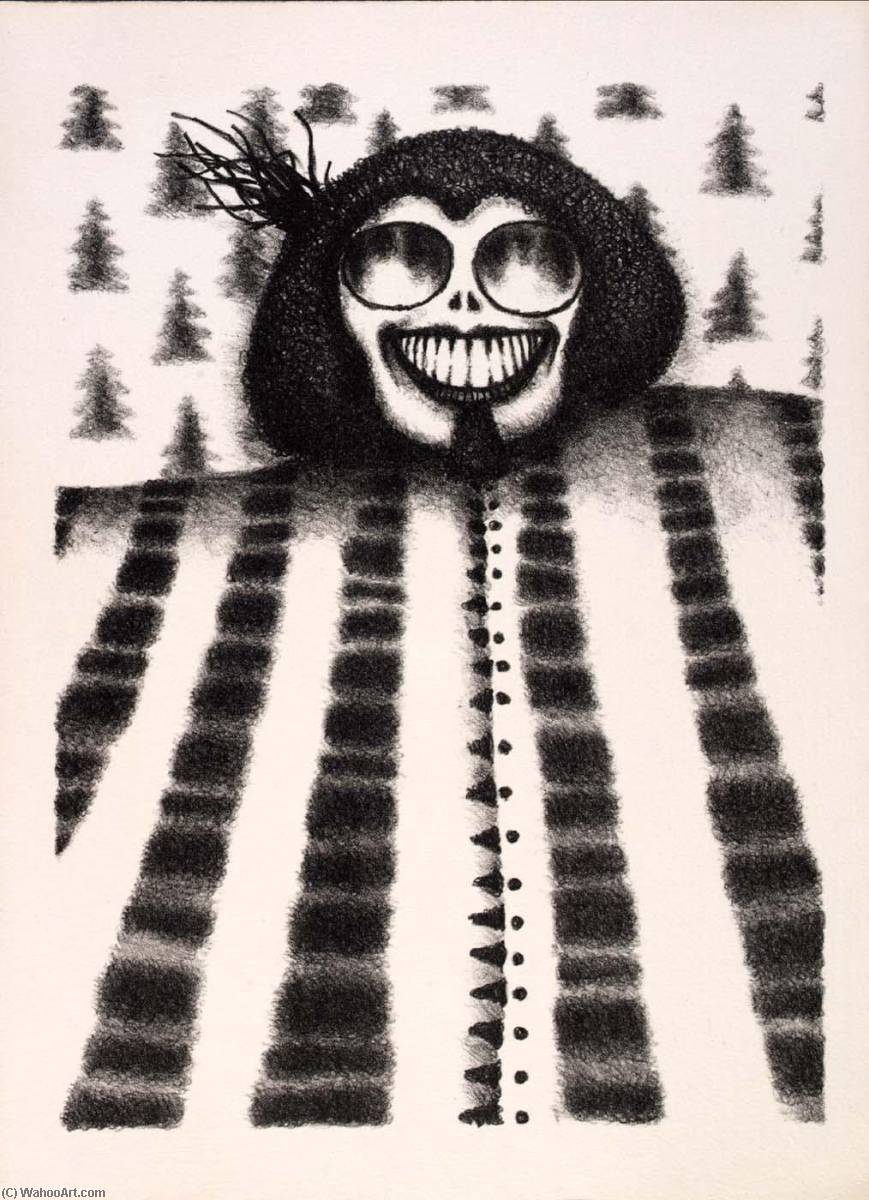
მოკლედ რომ ვთქვათ
Ed Paschke-ის ყველა დატოვებული ორიგინალიდან ყველაზე ცნობილი Libertad from the Wisconsin Sesquicentennial Portfolio (2001) არის. მისდაក្រោយ Parkway (1983) და Francine (1973) მოდიან. ჩვენს კატალოგში Ed Paschke-ის 11 ნამუშწარებია; გალერეამ შეინافظა ის 11 ნამუშწარო, რომლებსაც მსოფლიო ყველაზე მეტად აღიარებს, რომელთაგან თითოეული წარმოდგენილია თვის, მუზეუმისა და ისტორიის თანხლებით.
Ed Paschke-ის 10 საუკეთესო ნამუშgeryო: გალერეის არჩევანი
Shoe Sack
The painting "Shoe Sack" by Edward Paschke is a fascinating piece of art that showcases the artist's unique style and technique. Created in 1972, this oil on canvas painting measures 56 x 76 cm and is currently housed at the Smithsonian American Art Museum in the United States. Artist Background Edward Paschke was an American artist known for his bold and vibrant paintings. His work often featured everyday objects, like…
Ed Paschke-ის შერჩევა გრძელდება, 11-დან 11-მდე
მუზეუმები, სადაც Ed Paschke-ის ორიგინალები ინახება
ამ გვერდზე წარმოდგენილი მხატვრობის შედეგების უმეტესობას 4 მუზეუმი ინახავს.
| მუზეუმი | ქალაქი | Ed Paschke შემოქმედებაలు | ამ სიიდან მოპოვებული ნახატები |
|---|---|---|---|
| ტოლედო | 1 | Parkway | |
| Strasbourg | 1 | Francine | |
| Pittsburgh | 1 | Kevin | |
| ნიუ-იორკი | 1 | Watching Television |
Ed Paschke ათწლეულების მიხედვით: ორიგინალი, რომელიც განსაზღვრავს თითოეულ მათგანს
ნამუშევრები ათწლეულების მიხედვით
შეარჩიეთ ათწლეული, რათა ნახოთ ის ორიგინალი ნამუშევარი, რომელიც მას განსაზღვრავს.
Libertad from the Wisconsin Sesquicentennial Portfolio
კოლექციონერთა კითხვები Ed Paschke-ის ნახატებზე
რა ნამუშწარესით არის ყველაზე ცნობილი Ed Paschke?გაამჟღავნეთ პასუხი
Libertad from the Wisconsin Sesquicentennial Portfolio (2001). შემდეგ მოდიან Parkway (1983) და Francine (1973).
რამდენage იყო Ed Paschke, როდესაც შეიქმნა Libertad from the Wisconsin Sesquicentennial Portfolio?გაამჟღავნეთ პასუხი
62 წლის: Libertad from the Wisconsin Sesquicentennial Portfolio შექმნილია 2001 წელს, ხოლო Ed Paschke დაიბადა 1939 წელს.
რა არის Ed Paschke-ის 열 иң ცნობილი 열ი ტილო?გაამჟღავნეთ პასუხი
Libertad from the Wisconsin Sesquicentennial Portfolio, Parkway, Francine, Kevin, Untitled, Watching Television, Watching Television, Shoe Sack, The Answer და Santa Caballo. ზემოთ მოცემული რეიტინგი ასახავს თითოეულის შემოქმედების წელსა და მუზეუმს.
რამდენი სურათი დატოვა Ed Paschke-მა?გაამჟღავნეთ პასუხი
ჩვენს კატალოგში წარმოდგენილია 11 ნამუშწევრი Ed Paschke-ისგან, დათარიღებული 1972-დან 2001-მდე.
რომელ მუზეუმებშია და hangs Ed Paschke-ის შედევრული ნამუშევრები?გაამჟღავნეთ პასუხი
ძირითადად ტოლედოს ხელოვნების მუზეუმი (ტოლედო), Musée d'Art Moderne et Contemporain de Strasbourg (Strasbourg) და Carnegie Museum of Art (Pittsburgh)-ში. ზემოთ მოცემულ მუზეუმების ცხრილში ისინი ყველა listed.
მათ რომელ წლებში შექმნა Ed Paschke-მა ყველაზე ცნობილი ნამუშევრები?გაამჟღავნეთ პასუხი
1970s-ში: ამ გვერდზე წარმოდგენილი 11 ნამუშწარwerksიდან 4 შეიქმნა მაშინ, მათგან Francine.
რა არის Ed Paschke-ის პირველი და ბოლო ცნობილი ორიგინალი?გაამჟღავნეთ პასუხი
ამ გვერდზე ყველაზე ადრეული არის Shoe Sack (1972), ხოლო ყველაზე გვიანდელი — Libertad from the Wisconsin Sesquicentennial Portfolio (2001).
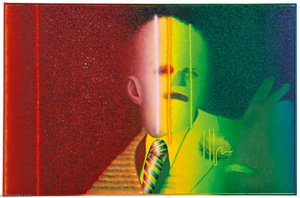
Ed Paschke: ცხოვრება და შემოქმედება
A Vision of the American Psyche: The Life and Art of Edward Paschke
Edward Paschke, born in Chicago in 1939 and passing away in 2004, was a pivotal figure in the development of contemporary figurative painting. He wasn’t interested in grand narratives or sweeping historical statements; instead, he focused his attention on the often-overlooked moments of everyday life, imbuing them with a haunting psychological depth that resonated deeply with viewers and continues to captivate audiences today. Paschke's artistic journey began with studies at the Art Institute of Chicago, where he initially explored abstract expressionism, but quickly found himself drawn towards a more representational style—one that allowed him to directly engage with the world around him, albeit through a distinctly personal lens. He wasn’t simply *recording* reality; he was interpreting it, filtering it through his own unique sensibility and creating images that felt both familiar and strangely unsettling.Early Influences and the Emergence of a Unique Style
The Midwestern landscape and its inhabitants profoundly shaped Paschke's artistic vision. Growing up in Chicago during the post-war era, he witnessed a society undergoing rapid transformation—a blend of optimism and anxiety that found expression in his work. Early influences included artists like Edward Hopper, whose depictions of American loneliness and alienation resonated with Paschke’s own observations. However, Paschke quickly moved beyond mere imitation, developing a highly distinctive style characterized by flattened perspectives, bold colors, and an almost graphic quality. His figures often appear isolated, caught in moments of quiet contemplation or subtle interaction. He wasn't interested in traditional notions of beauty; instead, he sought to capture the raw emotional truth of his subjects. This pursuit led him to experiment with various techniques, including collage and printmaking, which further enhanced the visual impact of his paintings. The use of vibrant, often jarring color palettes became a hallmark of his work, creating an atmosphere that was both alluring and disquieting.Themes of Isolation, Memory, and Americana
Paschke’s oeuvre is unified by several recurring themes: isolation, memory, and the complexities of American life. His paintings often depict solitary figures in mundane settings—diners, gas stations, roadside motels—places that evoke a sense of transience and anonymity. These aren't idyllic scenes; they are imbued with a subtle melancholy, hinting at the loneliness and alienation that can exist even within seemingly familiar environments. Memory plays a crucial role in his work, as he often revisited childhood experiences and personal recollections, transforming them into evocative visual narratives. He wasn’t interested in recreating specific events; instead, he sought to capture the *feeling* of those moments—the emotional residue that lingered long after they had passed. His exploration of Americana is particularly poignant, offering a nuanced portrayal of rural life and the changing social landscape of the Midwest. He didn’t shy away from depicting the darker aspects of American society—poverty, disillusionment, and the loss of innocence—but he did so with empathy and compassion.Major Achievements and Artistic Legacy
Throughout his career, Paschke exhibited extensively in galleries and museums across the United States and Europe. He received numerous awards and accolades for his work, solidifying his reputation as a leading figure in contemporary painting. While he never sought widespread fame or commercial success, his paintings have become increasingly recognized for their artistic merit and historical significance. His influence can be seen in the work of many younger artists who share his interest in figurative representation and psychological depth. Paschke’s ability to capture the essence of American life—its beauty, its contradictions, and its underlying anxieties—continues to resonate with audiences today.- His innovative use of color and flattened perspective challenged traditional notions of realism.
- He successfully bridged the gap between abstract expressionism and figurative painting.
- His work provided a powerful commentary on the social and cultural landscape of post-war America.