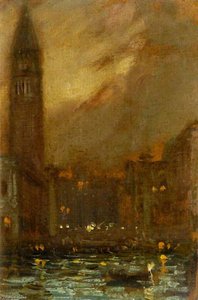
Douglas Strachan პორტრეტი

Douglas Strachan-ის ნახატები: 27 ყველაზე ცნობილი ნამუშევარი, গალერეის თcraftით

განახლდა ნოემბერი 2026 · დალაგებულია ჩვენი პოპულარობის ქულების მიხედვით (ძიება, ნახვა და შეკვეთები თითოეული ნამუშწაროსთვის) · 27 ნამუშევარი Douglas Strachan ჩვენს კატალოგში

მოკლედ რომ ვთქვათ

გალერეის შეხედულებით, Douglas Strachan-ის ყველაზე ცნობილი ნამუშწაროა Mother Cecile Isherwood in (1944), რომლის ორიგინალი Churches Conservation Trust-ში, London-ში hangs. Patrick Macdonald Playfair (1911) და James Cromar Watt (d.c.1941), LLD (1909) ქმნიან იმ ტრიოს, რომელიც ყველამ იცნობს. ჩვენს კატალოგში არსებული Douglas Strachan-ის 27 ნამუშწაროდან, გალერეა ქვემოთ წარმოგიდგენთ 27 ყველაზე ცნობილ მათგანს; თითოეული მათგანი არის ორიგინალი, რომლის აღწერა მოიცავს შემოქმედების წელს, მუზეუმს და იმ დეტალებს, რაც მას უნიკალურს ხდის.

1875 – 1950, Aberdeen ყველაზე მეტი ნამشევრი: Churches Conservation Trust

გალერეის Douglas Strachan 10 საუკეთესო ნამი에도

1
Mother Cecile Isherwood in (1944) ავტორის: Douglas Strachan

Mother Cecile Isherwood in

1944 · Stained Glass · Churches Conservation Trust, London

The light filters through the glass, casting a soft, cool glow that seems to emanate from within the figure itself. Mother Cecile Isherwood appears suspended in a moment of quiet devotion, her presence defined by the sharp, geometric precision of the stained glass. A circular aura frames her head, suggesting a halo that radiates through the surrounding tessellation of squares and rectangles. The colors—deep blues, muted greens, and soft purples—wrap…

2
Patrick Macdonald Playfair (1911) ავტორის: Douglas Strachan

Patrick Macdonald Playfair

1911 · Oil On Canvas

In this portrait, Douglas Strachan captures Patrick Macdonald Playfair in a moment of quiet, heavy stillness. Painted about 1911, the work presents the clergyman with a formal and dignified presence. He sits as a central figure, a pillar of composure amidst the shadows of his vocation. The man is draped in the dark, substantial weight of his robes, his form anchoring the space with a sense of professional gravity.

3
James Cromar Watt (d.c.1941), LLD (1909) ავტორის: Douglas Strachan

James Cromar Watt (d.c.1941), LLD

1909 · Oil · Aberdeen Art Gallery

This 1909 oil painting presents a black and white portrait of James Cromar Watt. The subject is positioned centrally, his upper body occupying the majority of the frame. He is depicted in a formal, studio-style pose, holding a small, ornate object that resembles a book or a document. The lighting is directed from above and slightly to one side, creating a strong chiaroscuro effect. This light source casts deep shadows…

5
Bacchantes Overtaking Orpheus (1909) ავტორის: Douglas Strachan

Bacchantes Overtaking Orpheus

1909 · Oil On Canvas

In Bacchantes Overtaking Orpheus, Douglas Strachan organizes a mythological scene of revelry within a lush, natural setting. The composition is layered, placing a foreground group of nude or partially clothed women and satyr figures in direct interaction amidst foliage and flowers. At the center of this gathering, a figure plays a lyre, anchoring the movement of the nymphs and satyrs. The arrangement utilizes a somewhat flattened perspective, a choice that…

Douglas Strachan-ის ნახატები, რეიტინგით 11-დან 27-მდე

სუბიექტები, რომლებმაც Douglas Strachan-ის ყურადღება მიიპყრო

ამ ორიგინალებში ყველაზე ხშირად განმეორებადი არის 네 თემა, რომელთაგან თითოეულს თავისი საუკეთესო ნიმუში წარმოგვიდგება.

მუზეუმები, სადაც Douglas Strachan-ის ორიგინალები ინახება

ამ გვერდზე წარმოდგენილი მხატვრობის შედეგების უმეტესობას 2 მუზეუმი ინახავს.

მუზეუმი ქალაქი Douglas Strachan შემოქმედებაలు ამ სიიდან მოპოვებული ნახატები
Churches Conservation Trust, LondonChurches Conservation Trust London 5 Mother Cecile Isherwood in, Edith Cavell in, Elizabeth Fry in
Aberdeen Art GalleryAberdeen Art Gallery 2 James Cromar Watt (d.c.1941), LLD, James Cromar Watt (d.c.1941), LLD

Douglas Strachan, ერთი ავთენტური ნამუშწარები ათწლეულში

ნამუშევრები ათწლეულების მიხედვით

შეარჩიეთ ათწლეული, რათა ნახოთ ის ორიგინალი ნამუშევარი, რომელიც მას განსაზღვრავს.

Douglas Strachan-ის ნახატები: გალერეის პასუხები

რომელი Douglas Strachan ტილოა ყველაზე ცნობილი?გაამჟღავნეთ პასუხი

Mother Cecile Isherwood in (1944), Churches Conservation Trust, London. შემდეგ მოდიან Patrick Macdonald Playfair (1911) და James Cromar Watt (d.c.1941), LLD (1909).

რამდენage იყო Douglas Strachan Mother Cecile Isherwood in-ის დასრულებისას?გაამჟღავნეთ პასუხი

69 წლის: Mother Cecile Isherwood in შექმნილია 1944 წელს, ხოლო Douglas Strachan დაიბადა 1875 წელს.

რომელია Douglas Strachan-ის 10 საუკეთესო ნამუშწარო?გაამჟღავნეთ პასუხი

Mother Cecile Isherwood in, Patrick Macdonald Playfair, James Cromar Watt (d.c.1941), LLD, Orpheus in a Sailing Boat, Bacchantes Overtaking Orpheus, Edith Cavell in, La serenata, Mrs Watt, Mother of James Cromar Watt, Gerona, Spain და Self Portrait. ზემოთ მოცემული რეიტინგი ასახავს თითოეულის შემოქმედების წელსა და მუზეუმს.

რამდენიმე ნამუშწარები შექმნა Douglas Strachan-მა?გაამჟღავნეთ პასუხი

ჩვენს კატალოგში წარმოდგენილია 27 ნამუშწევრი Douglas Strachan-ისგან, დათარიღებული 1902-დან 1944-მდე.

სად hanging Douglas Strachan-ის ყველაზე ცნობილი ორიგინალები?გაამჟღავნეთ პასუხი

ძირითადად Churches Conservation Trust (London) და Aberdeen Art Gallery-ში. ზემოთ მოცემულ მუზეუმების ცხრილში ისინი ყველა listed.

როდის შექმნა Douglas Strachan-მა ყველაზე ცნობილი სურათები?გაამჟღავნეთ პასუხი

1900s-ში: ამ გვერდზე წარმოდგენილი 27 ნამუშწარwerksიდან 12 შეიქმნა მაშინ, მათგან James Cromar Watt (d.c.1941), LLD.

რომლებიც Douglas Strachan-ის ყველაზე ადრეული და ბოლო ცნობილი ნამუშევრებია?გაამჟღავნეთ პასუხი

ამ გვერდზე ყველაზე ადრეული არის La serenata (1902), ხოლო ყველაზე გვიანდელი — Mother Cecile Isherwood in (1944).

რა ტექნიკით მუშაობდა Douglas Strachan ყველაზე ხშირად?გაამჟღავნეთ პასუხი

Oil On Canvas, ამ გვერდზე არსებული 27 ნამუშწაროსგან 3 ცალიდან.

რომელი Douglas Strachan-ის ორიგინალები ინახავს Churches Conservation Trust?გაამჟღავნეთ პასუხი

Mother Cecile Isherwood in, Edith Cavell in და Elizabeth Fry in: Churches Conservation Trust, London-ში წარმოდგენილია ამ გვერდზე მოცემული ნამუშევრების 5 ცალი.

Douglas Strachan: მხატვარი

Douglas Strachan: Architect of Light and Memory

The Scottish artist Douglas Strachan (1875-1950) wasn’t merely a stained glass designer; he was, in the words of many who knew him, an architect of light and memory. His career spanned nearly half a century, during which he elevated the craft to a profound artistic expression, leaving behind a legacy of breathtaking windows that resonate with both solemnity and vibrant beauty. Born in Aberdeen, Strachan’s early life was steeped in the traditions of his homeland – a landscape of rugged coastlines, ancient castles, and a deep-rooted connection to folklore and history. This environment would profoundly shape his artistic sensibilities, informing his later work with its inherent sense of place and narrative.

Strachan's formal artistic training began at Robert Gordon’s College in Aberdeen, followed by studies at the prestigious Gray’s School of Art and the Royal Scottish Academy in Edinburgh. These formative years instilled within him a rigorous understanding of technique alongside an appreciation for the classical foundations of art. However, it was his time as a newspaper illustrator and political cartoonist in Manchester that proved unexpectedly crucial. This experience honed his observational skills, sharpened his ability to capture fleeting moments, and exposed him to the dynamic energy of urban life – qualities he would later translate into the monumental scale and dramatic narratives of his stained glass windows.

A pivotal moment in Strachan’s artistic journey occurred during a European tour between 1897 and 1898. Inspired by the luminous grandeur of medieval cathedrals, particularly the soaring heights and intricate details of Chartres Cathedral in France, he embarked on a quest to understand the principles of light and color that had captivated generations of artists. He immersed himself in the art of Renaissance Italy, studying the masterful use of perspective, composition, and symbolism within religious frescoes and mosaics. This exposure ignited a passion for storytelling through visual imagery – a desire to imbue his windows with layers of meaning and emotional resonance.

The Peace Palace and Early Masterpieces

Strachan’s international recognition began in 1908 when he was appointed head of the Crafts Section at the Edinburgh College of Art. This role afforded him unprecedented opportunities to develop his skills and experiment with new techniques, culminating in his monumental commission for the Peace Palace in The Hague in 1911-13. These four windows, collectively known as “The Four Figures,” are considered a cornerstone of Strachan’s oeuvre. They depict allegorical figures representing Justice, Wisdom, Strength, and Charity – each rendered with exquisite detail and imbued with an almost palpable sense of humanity. The muted tones and intertwined forms evoke introspection and vulnerability, subtly referencing the works of Klimt and Böcklin, artists whose exploration of symbolism and psychological depth deeply influenced Strachan’s artistic vision.

Following his success at the Peace Palace, Strachan continued to produce a remarkable body of work, including significant windows for St Andrew's United Reformed Church in Hampstead, London; Paisley Abbey in Scotland; and numerous churches throughout the United Kingdom. His designs consistently demonstrated a masterful command of color, composition, and narrative – often drawing upon biblical stories, classical mythology, and Scottish folklore.

The Scottish National War Memorial: A Testament to Sacrifice

Perhaps Strachan’s most ambitious and profoundly moving work is his design for the Scottish National War Memorial in Edinburgh Castle. Completed between 1928 and 1934, this vast ensemble of stained glass windows stands as a poignant tribute to Scotland's fallen soldiers. The central window, known as “Sacrifice,” depicts a powerful image of Christ offering himself on the cross – a visual metaphor for the ultimate sacrifice made by those who served their country. The surrounding panels explore themes of faith, courage, and remembrance, creating a deeply immersive and emotionally resonant experience for viewers.

Strachan’s approach to this monumental commission was characterized by his meticulous attention to detail and his unwavering commitment to capturing the essence of human emotion. He spent countless hours studying photographs and accounts of war, striving to create windows that would not only be aesthetically beautiful but also spiritually uplifting – a testament to the enduring spirit of Scotland.

Legacy and Influence

Douglas Strachan’s impact on the world of stained glass is undeniable. He elevated the craft to an art form of unparalleled sophistication, demonstrating a rare ability to combine technical mastery with profound artistic vision. His work continues to inspire artists and viewers alike, reminding us of the power of light, color, and narrative to evoke emotion, stimulate reflection, and connect us to our shared human experience.

Strachan’s legacy extends beyond his individual creations; he also played a crucial role in training a new generation of stained glass artists. His tenure at the Edinburgh College of Art provided him with an opportunity to share his knowledge and expertise, fostering a vibrant artistic community that continues to thrive today. Douglas Strachan remains, rightfully, Scotland’s most important stained-glass artist of the 20th century – a master craftsman whose windows illuminate our world with beauty, grace, and enduring meaning.