David De Coninck პორტრეტი

David De Coninck-ის ნახატები: 17 ყველაზე ცნობილი ნამუშევარი, গალერეის თcraftით

განახლდა ნოემბერი 2026 · დალაგებულია ჩვენი პოპულარობის ქულების მიხედვით (ძიება, ნახვა და შეკვეთები თითოეული ნამუშწაროსთვის) · 18 ნამუშევარი David De Coninck ჩვენს კატალოგში

მოკლედ რომ ვთქვათ

გალერეის თვალს, David De Coninck-ის ყველაზე ცნობილი ნამუშწაროა Atribuido A David De Coninck ) (1636). (antwerp Brussels) (1699) და Circle Of David De Coninck ) (1701) ქმნიან იმ ტრიოს, რომელიც ყველამ იცნობს. ჩვენს კატალოგში არსებული David De Coninck-ის 18 ნამუშწაროდან, გალერეა ქვემოთ წარმოგიდგენთ 17 ყველაზე ცნობილ მათგანს; თითოეული მათგანი არის ორიგინალი, რომლის აღწერა მოიცავს შემოქმედების წელს, მუზეუმს და იმ დეტალებს, რაც მას უნიკალურს ხდის.

1644 – 1701, Antwerp Baroque ყველაზე მეტი ნამشევრი: ნაციონალური გალერეა

გალერეის David De Coninck 10 საუკეთესო ნამი에도

1
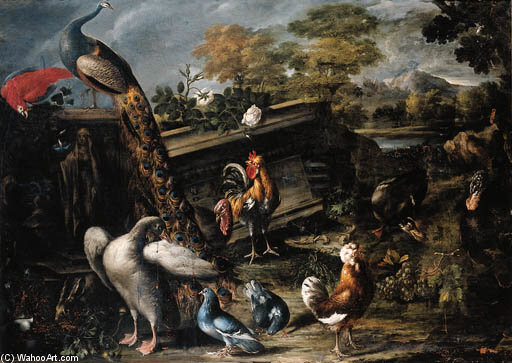
Atribuido A David De Coninck ) (1636) ავტორის: David De Coninck

Atribuido A David De Coninck )

1636 · Oil

A peacock holds the center of this garden scene, its blue plumage catching the light amidst a tangle of leaves. The bird’s tail feathers spread with a heavy, organic weight, casting shadows against the lush greenery. Around this central figure, life moves in small, distinct bursts of color. A red bird, perhaps a parrot, sits to the left, its feathers a sharp contrast to the deep greens of the background.…

4
ad Birds and Game with Gun Dogs and a Little Owl ავტორის: David De Coninck

ad Birds and Game with Gun Dogs and a Little Owl

Oil On Canvas · ნაციონალური გალერეა, ლონდონი

A heavy silence settles over the scene, broken only by the stillness of the fallen. In the fading light of a setting sun, three hunting dogs rest beside an overflowing basket of game. The animals are caught in moments of quietude: one sniffs the earth, another stares into the distance, and a third watches a small owl. This owl, a common decoy, stares back with unblinking eyes. Beneath the dogs,…

David De Coninck-ის ნახატები, რეიტინგით 11-დან 17-მდე

David De Coninck-ის ცნობილი სურათები, პერიოდების მიხედვით

სუბიექტები, რომლებმაც David De Coninck-ის ყურადღება მიიპყრო

ამ ორიგინალებში ყველაზე ხშირად განმეორებადი არის 네 თემა, რომელთაგან თითოეულს თავისი საუკეთესო ნიმუში წარმოგვიდგება.

მუზეუმები, სადაც David De Coninck-ის ორიგინალები ინახება

ამ გვერდზე წარმოდგენილი მხატვრობის შედეგების უმეტესობას 3 მუზეუმი ინახავს.

მუზეუმი ქალაქი David De Coninck შემოქმედებაలు ამ სიიდან მოპოვებული ნახატები
ნაციონალური გალერეა, ლონდონინაციონალური გალერეა ლონდონი 1 ad Birds and Game with Gun Dogs and a Little Owl
Musée d'Arts de Nantes, ნანტიMusée d'Arts de Nantes ნანტი 1 Still life with fighting cat and parrot
ვარშავის ეროვნული მუზეუმი, ვარშავავარშავის ეროვნული მუზეუმი ვარშავა 1 The hunter's trophy with a dog and an owl.

David De Coninck, ყოველი წლის გამორჩეული ნამუშევრები

ამ გვერდზე წარმოდგენილი David De Coninck-ის ორიგინალი ნამუშევრები 3 წლის), 1699-დან 1701-მდე პერიოდს მოიცავს: გალერეაში თითოეული period-ის ყველაზე ცნობილი ნამუშევრებია წარმოდგენილი.

ნამუშევრები წლების მიხედვით

შეარჩიეთ წელი ორიგინალების სანახავად.

David De Coninck-ის ნახატები: გალერეის პასუხები

რომელი David De Coninck ტილოა ყველაზე ცნობილი?გაამჟღავნეთ პასუხი

Atribuido A David De Coninck ) (1636). შემდეგ მოდიან (antwerp Brussels) (1699) და Circle Of David De Coninck ) (1701).

რომელია David De Coninck-ის 10 საუკეთესო ნამუშწარო?გაამჟღავნეთ პასუხი

Atribuido A David De Coninck ), (antwerp Brussels), Circle Of David De Coninck ), ad Birds and Game with Gun Dogs and a Little Owl, Still life with fighting cat and parrot, River Scene with Ducks and Geese Being Attacked, A peacock, turkey, rabbits, and cockerel in a landscape, Poultry and Cat, Ostentatious still life with dog and parrot და Animals in a Garden. ზემოთ მოცემული რეიტინგი ასახავს თითოეულის შემოქმედების წელსა და მუზეუმს.

რამდენიმე ნამუშწარები შექმნა David De Coninck-მა?გაამჟღავნეთ პასუხი

ჩვენს კატალოგში წარმოდგენილია 18 ნამუშწევრი David De Coninck-ისგან, დათარიღებული 1699-დან 1701-მდე.

სად hanging David De Coninck-ის ყველაზე ცნობილი ორიგინალები?გაამჟღავნეთ პასუხი

ძირითადად ნაციონალური გალერეა (ლონდონი), Musée d'Arts de Nantes (ნანტი) და ვარშავის ეროვნული მუზეუმი (ვარშავა)-ში. ზემოთ მოცემულ მუზეუმების ცხრილში ისინი ყველა listed.

რომლებიც David De Coninck-ის ყველაზე ადრეული და ბოლო ცნობილი ნამუშევრებია?გაამჟღავნეთ პასუხი

ამ გვერდზე ყველაზე ადრეული არის (antwerp Brussels) (1699), ხოლო ყველაზე გვიანდელი — Circle Of David De Coninck ) (1701).

რომელ თემებს მიმართავდა David De Coninck ყველაზე ხშირად?გაამჟღავნეთ პასუხი

Animals (3), Birds (2) და Cats (2), ამ გვერდზე წარმოდგენილ 17 ნამუშწარეს შორის.

რომელ მიძღვნასთან არის დაკავშირებული David De Coninck?გაამჟღავნეთ პასუხი

Baroque, ამ გვერდზე წარმოდგენილი ორიგინალების მიხედვით.

David De Coninck: მხატვარი

David de Coninck: A Flemish Baroque Visionary

David de Coninck (1636-1699), born in Antwerp, Belgium, stands as a pivotal figure within the flourishing Baroque artistic landscape of 17th-century Flanders. Though biographical details remain somewhat sparse – largely due to the era’s penchant for prioritizing artistic output over personal narratives – his legacy endures through an impressive oeuvre characterized by dramatic animal hunting scenes and exquisitely rendered still lifes that capture the grandeur and complexity of the period. His work exemplifies the Baroque aesthetic's obsession with dynamism, emotion, and meticulous observation of nature, cementing his place among the most celebrated artists of his time.
  • Early Life & Training: De Coninck’s formative years were spent in Antwerp, a city renowned for its artistic patronage during the Habsburg reign. Precise information regarding his formal training is elusive, but it's believed he honed his skills under the tutelage of Peter Paul Rubens, arguably the most influential painter of the Baroque era – a connection that undoubtedly shaped his stylistic sensibilities and instilled within him a profound appreciation for monumental composition and vibrant color palettes.
  • Style & Technique: De Coninck’s artistic style is instantly recognizable by its masterful execution and unwavering commitment to Baroque principles. He employed a technique known as chiaroscuro—the dramatic interplay of light and shadow—to sculpt forms with breathtaking realism, creating scenes brimming with palpable energy and conveying profound psychological depth. His brushstrokes were deliberate and confident, layering pigments with painstaking accuracy to achieve textures that mirrored the surfaces he depicted.
  • Notable Works: Among his most celebrated paintings are “Still Life with Fighting Cat and Parrot,” a captivating depiction of animal behavior imbued with symbolic significance—the parrot representing wisdom and erudition, while the cat embodies cunning and vigilance. Similarly impressive is "Atribuido A David De Coninck," showcasing an opulent arrangement of fruits, flowers, and architectural elements that exemplify the Baroque fascination for illusionistic perspective and decorative richness.
  • Influence & Legacy: De Coninck’s influence extended beyond his own lifetime, impacting subsequent generations of Flemish artists. His meticulous observation of nature and masterful use of chiaroscuro served as inspiration for painters like Johann Georg Schäffer and Jacob Savery, establishing him as a cornerstone of Baroque artistic tradition.
  • Historical Significance: David de Coninck’s contribution to the Baroque canon is undeniable. He embodies the spirit of his era—a period marked by intellectual curiosity, religious fervor, and an unprecedented surge in artistic creativity. His paintings continue to resonate with audiences today, offering a glimpse into the visual culture of Antwerp during its golden age and demonstrating the enduring power of art to convey emotion and illuminate human experience.

Further Exploration

For deeper insights into David de Coninck’s artistic achievements and broader context within Baroque art history, consider visiting Bibliothèque de l'Institut de France, where you can discover rare books and manuscripts related to Flemish painting. Alternatively, explore online resources dedicated to David de Coninck’s work at david de koninck.